Producers
-
Description:
Thanks to importer Louis/Dressner for this estate profile:
(Click here to learn more about La Stoppa on the LDM website and here for the La Stoppa website)
La Stoppa is a 50 hectare property located in northwest Emilia-Romagna. Founded in the late 19th century by a wealthy lawyer named Gian Marco Ageno, the estate is currently run by Elena Pantaleoni and head vignaiolo Giulio Armani. 32 hectares of vines are planted in Barbera and Bornada for red, as well as a small amount of Malvasia di Candia, Ortrugo and Trebianno for whites. Today, the wines produced from La Stoppa are typically Emilian, but this wasn't always the case; moving forward occasionally means taking a step back.
In 1996, Elena and Giulio decided to replant the entirety of their estate in Barbera and Bonarda, both typical and suited grapes for the region. Interestingly, the prior owner had taken post phylloxera replanting as an opportunity to experiment with noble grapes from around the world which, amongst others, included Chardonnay, Sauvignon Blanc, Pinot Noir, Tokay and Pinot Gris. Elena's father purchased the estate in 1973, and for 20 years these varieties were vinified and bottled individually as mono-cépage releases. But after much reflection, it was decided that these varietals ripened too early and were not resistant enough to the region's hot climate. It was all Barbera and Bonarda from there.
The soils consist of heavy clay. The estate has been worked organically since the early 1990's and certified in 2008. All the wines are fermented in stainless steel and concrete vats, then racked to a variety small and large oak barrels for aging. The wines ferment off of their native yeasts and nothing is ever added or subtracted from the juice. Sulfur is never added during vinification or bottling, save a tiny amount for the entry-level wine "Trebbiolo". Because of the region's warm climate, Giulio prefers long skin contact to extract as much as possible.
La Stoppa's approach to bottling and releasing wine can be described in two words: observation and patience. It is not uncommon for wines to age in barrel for years before bottling and then many more in bottle before release. While the fresher "Trebbiolo" is sold the summer after its harvest, there are no such rules for "Barbera", "Macchiona" or "Ageno"; these are usually released at least five years after they were harvested. Furthermore, a younger vintage can be bottled before an older one and vintages are not chronologically released. In other words, the wines are commercialized when deemed optimal to drink.
It's a challenging and costly endeavor, one too few wineries are willing to take the hit on. But Elena and Giulio wouldn't have it any other way.Image: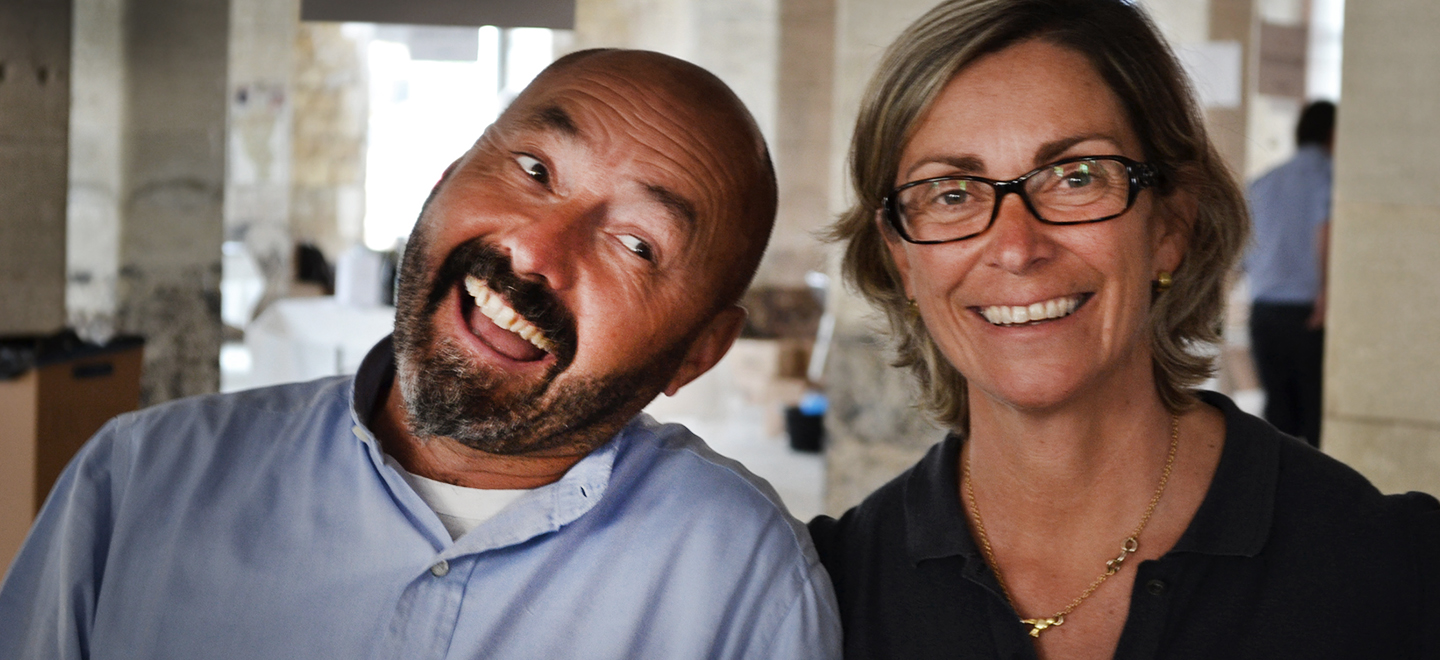 Region:
 -
Description:
Frederic and Marie Anne Lambert met while they were students in Besançon. Frederic studied oenology (master’s degree) and Marie Anne studied biochemistry. In 1993, they started their estate from scratch. Neither comes from a winegrower family. Marie Anne’s family had some land near Toulouse-le-Château and there they were able to build their winery and cellar. Little by little Frederic and Marie Anne expanded their vineyard up to the twelve hectares they own today. In 2020, their son Romain joined them full time and their daughter Lucie plans to join them eventually. She currently makes wine in Burgundy.
Toulouse-le-Château is known for its exceptionally good terroir, especially in the the hamlet of Fangy. Here, the land forms a mini amphitheater, which means that they tend to have less frost than in the slopes. The soils are limestone with blue and grey marls. All of their vineyards are in the Côtes du Jura appellation and they have all five Jura grape varieties:
- In White: Chardonnay and Savagnin totaling eight hectares
- In Red: Trousseau, Poulsard and Pinot Noir totaling four hectares
Preferring careful attention and respect for the environment, they follow sustainable farming practices, working with organic treatments as much as possible. Harvests are done by hand to better assess the grapes. Additionally, vineyards are ploughed, and certain plots are planted with grass to promote the health of the vines and the quality of fruit. In the cellar, they work with spontaneous fermentations (sometimes using a pied de cuve). They use stainless steel and oak barrels for aging. The wines are distinctive with the weight, complexity, and piercing salinity found in the best Jura wines.
Image:Region: -
Description:
Although the Latour-Labille family has been making wine since 1792, Vincent Latour began turning heads in Burgundy after the release of his 2006 vintage when he was nominated as winemaker of the year by the well-respected local magazine, Bourgogne Aujourd’hui. He has also been recognized several times as the best new/young winemaker in the Côte de Beaune and in the Côte de Nuits as the result of an annual blind tasting hosted by local vignerons.
Vincent is hand-crafting exceptional Meursault from eight hectares of vines. His father used to sell off their grapes, but when Vincent took over from his father in 1998, he decided to bottle all of their production, roughly 4,000 cases. Vincent has continually been making improvements over the years, including using whole cluster fermentation, integrating more and more demi-muids and foudres into the cellar, and a longer élévage. Using a mix of old and new demi-muids, barrels, and foudres gives Vincent better control of the oak influence allowing the purity of each site to shine. Work in the vineyard follows lutte raisonée methods, eschewing herbicides and pesticides, but allowing treatments for mildew as necessary. Native yeasts start fermentation. After pressing, must goes into 600L barrels or foudres for fermentation and aging. The style is classic, emphasizing the brilliant fruit and mineral laden terroir.
Image: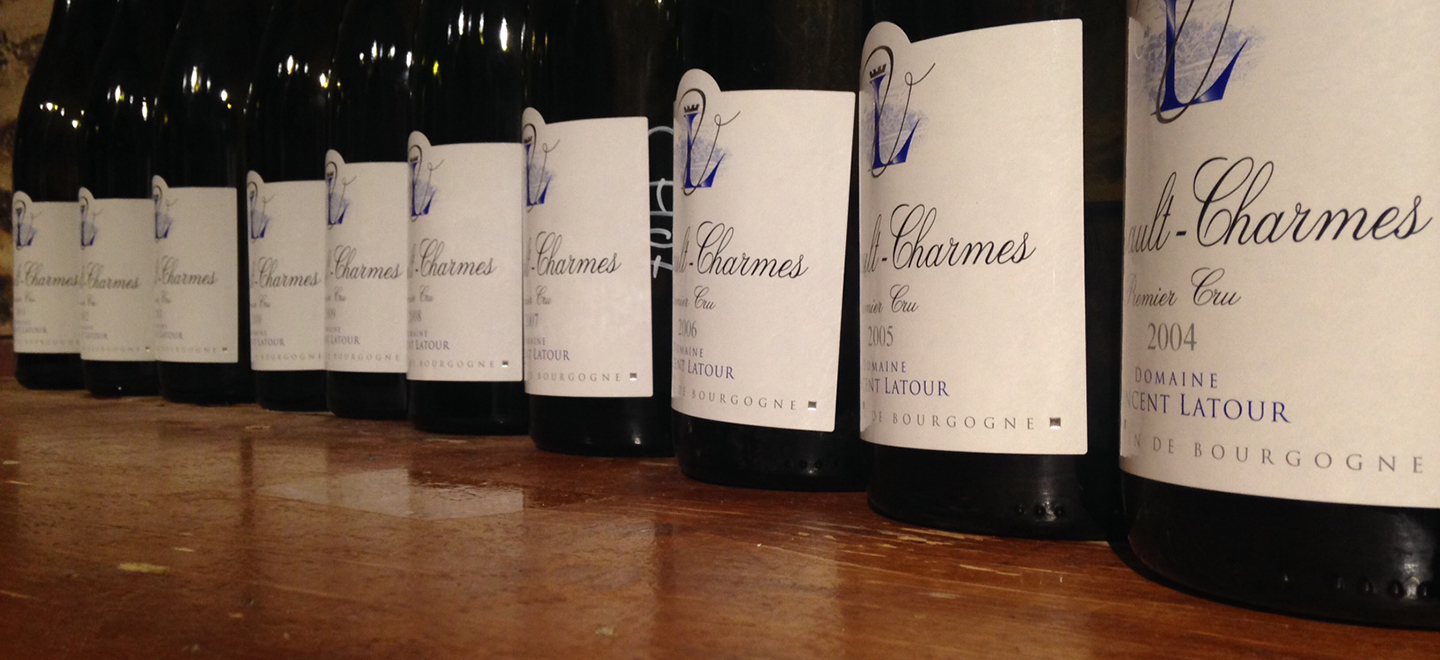 Region:
 -
Description:
The Lauverjat family has been farming in Sancerre for generations in the tiny village of Sury-en-Vaux. For many years, the family had a mill on a tiny river called La Belaine that is next to the winery and they used to mill their own wheat; the winery is still known by some as the "Moulin des Vrillères".They have 110 hectares of grains, including wheat, hops, and rapeseed and 13 hectare of vines in Sury-en-Vaux and Sainte-Gemme-en-Sancerrois, two small villages within the Sancerre appellation. In 2019, Karine's son, Kevin joined Karine's husband, Christian at the winery after finishing his studies in Beaune. Their daughter, Suzie, helps Karine run their wine and gift shop in the center of Sancerre.
Sury-en-Vaux and Sainte-Gemme sit next to each other, which is a big risk in terms of weather because the vines are in a small area and for that reason, they purchase fruit in tough years. They purchase from cousins or other family friends and the intention is to give them an insurance of survival in case their vineyards are damaged, rather than to make more wine. They farm following sustainable viticulture. They favor working the soil and have used a pulverized seaweed to combat disease since 2008, allowing them to reduce chemical treatments for mildew by 30%. They never use herbicides or pesticides and they grow grass in the rows to prevent erosion.
They make Sancerre in all three colors, white, rose and red. They have a special old-vine parcel of Sauvignon Blanc that is bottled on it's own and it's called "Perle Blanche". They also have a small parcel just outside of the Sancerre appellation that is an IGP Sauvignon. They have an excellent Menetou-Salon and Pouilly-Fume in their line up as well. In the cellar the whites are made in thermo-regulated tanks and the reds are made in large wooden conical tanks. Several years ago, they invested in a new clay filtration system that allows them to very gently filter the wines without stripping them of their character. The wines from Lauverjat undoubtedly represent some of the best values to be had from the appellation. www.sancerre-online.com
Lauverjat Menetou-Salon: A Family Battles Historic Forces; ‘We No Longer Have Seasons’
Image: Region:
 -
Description:
Fun and fancy free - Le Babbler is meant to inspire one to babble on and on about anything that brings joy. The wine comes from Château Lauduc, owned by the Grandeau family for four generations. The vineyards and winery are just ten kilometers from downtown Bordeaux in the Entre-Deux-Mers region. The winery is certified sustainable by HVE and after successful trials in 2018, they began the organic certification process in 2019. Only organic products are used for vineyard management. The vines average 35 years-old and are grown in limestone clay, siliceous, and gravel soils that give the wine a lot of freshness and balance. Once harvested at their best maturity, the vinification is handled in the modern cellar with thermo-regulated stainless steel tanks used to extract soft tannins and deep color, respecting the fruits’ true expression. In the bottle, you’ll find poetry, art, and inspired conversation.
Image: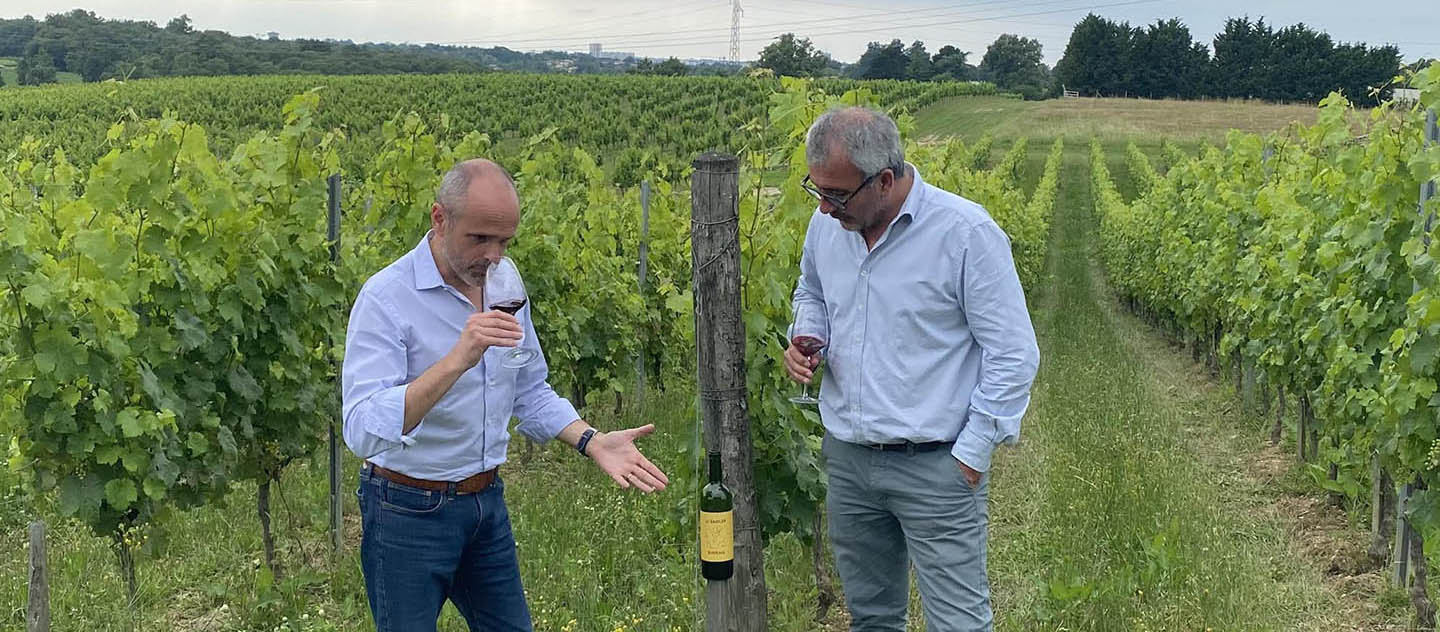 Region:
 -
Description:
Le Brun Servenay produces crystalline and rich Champagne, with pronounced acidity and intense saltiness; these are pure expressions of the old vines and the famous chalk of the Côte des Blancs. The house has a total of 7.5 hectares, 3.5 of which are in Grand Cru Côte des Blancs (Avize, Cramant, and Oger), one hectare in the premier cru Grauves, and three more in Mancy, just west of Avize in the Côteaux Sud d’Epernay. They farm their fruit sustainably to protect the vines— the oldest of which are 100 years old— and soil.
The average age of their vines is 65 years old on the vintage and rosé, and 35 years old for the NV wines. Due to their age, yields are generally low. All fermentation and aging in stainless steel, with the exception of the still red which is aged in two neutral barrels and blended into the rosé. There is no malolactic fermentation. Reserve wine is aged on the fine lees; there are up to four vintages in the reserve wine. The bottles are riddled by hand; the wines are finished with a very low dosage of MCR or traditional liqueur.
Image: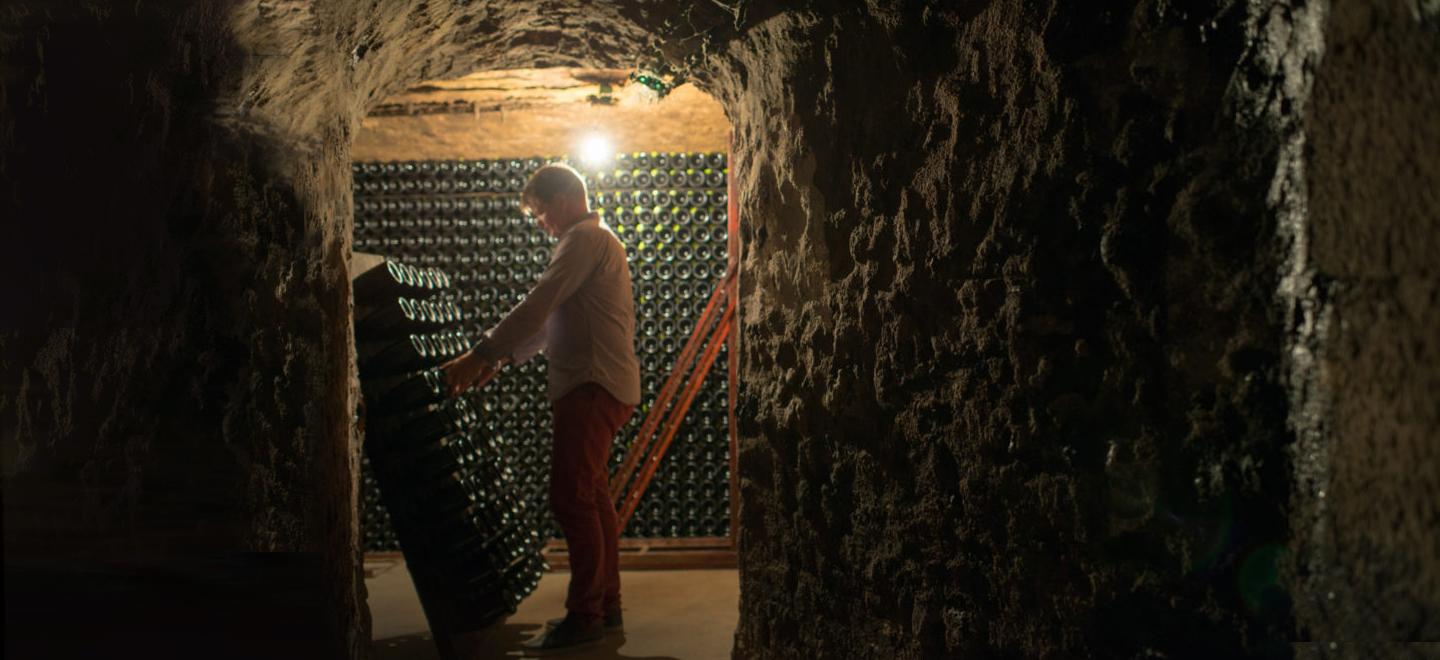 Region:
 -
Description:
For more information on Le Sot de L'Ange, please visit Selection Massale.
Available in California.
Image: Region:
 -
Description:
Mathieu and Xavier Ledogar are two brothers in the fourth generation of winemakers. In the mid-90's, when the brothers took over, they began the conversion to organic and biodynamic practices. Instead of growing grapes for a co-op like their forebears, they bottled under the family name and began their journey to produce the most unadulterated wines the terroir could produce. With help from some 100-year-old vines, they've gotten better and better at doing just that.
Image: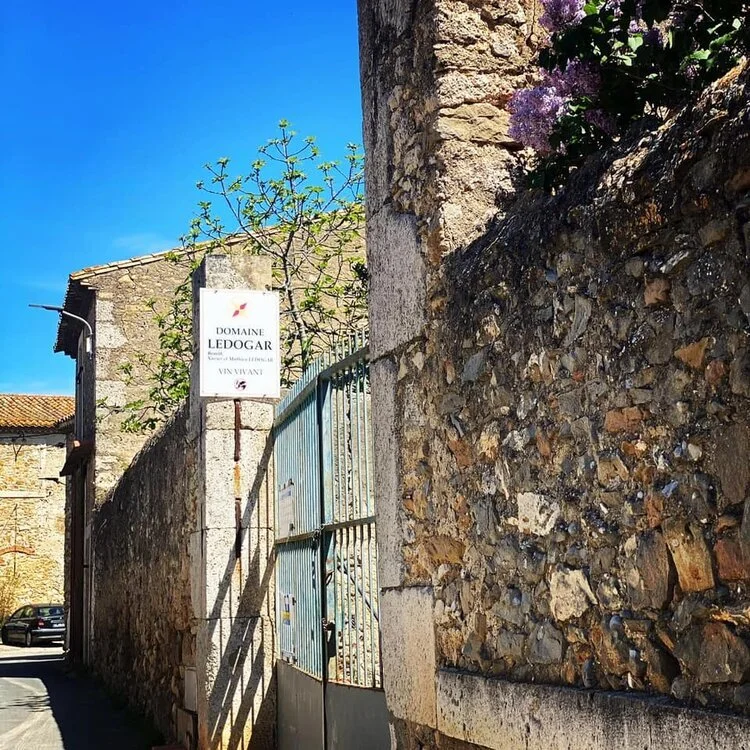 Region:
 -
Description:
Weingut Jürgen Leiner is a great example of the new generation of wine estates pushing the boundaries of ecologically minded, terroir-driven winemaking in the Rheinland after decades of technocratic efforts in pursuit of high yields and ripeness. Located in the Kalmit nature preserve in the southern Pfalz, at the edge of the Pfalzerwald (Pfalz forest) about thirty minutes’ drive north of the Alsatian border, the Leiner estate consists of 18ha of Riesling and Burgundian varieties. They are Demeter-certified biodynamic; members of Slow Food; and most excitingly, recent inductees into Respekt, the exclusive and influential consortium of biodynamic winemakers in Germany, Austria and Northern Italy.
Sven Leiner explains: "We know from years of personal experience and observation that the biologically dynamic farming method addresses all the right issues and fosters a harmonious interrelationship of the various parts of the ecosystem. Soil, as we understand it, is a living organism that we aim to revitalise by applying our own compost, organic teas and natural preparations. Our vines respond with healthy and balanced growth. Plant diversity has come to play a crucial role in the fertility of our vineyard, as it not only provides essential nutrients to our vines, but exerts a stabilising effect on the soil life. In fact, it takes a species-rich soil ecosystem, including bacteria as well as beneficial fungal mycelia, earthworms and a variety of insects, to ensure that an efficient nutrient cycle is in place. We ‘intervene’ simply to keep this natural process going. A wide array of plant life also cuts down significantly on the use of natural fertilisers. As passionate advocates of an ecologically sensitive approach to vineyard management, we have grown our vines using biodynamic practices since 2005. Our firm belief in biodynamic viticulture earned us Demeter Biodynamic certification in 2011 without a transition period."
The soils at Leiner are a complicated geology, generally loess and loam mixed with limestone, but there is a distinct terroir of colored sandstone (bundsandstein) on the Pinot site and another special soil in the Riesling vineyards with an awesome German name: landschneckenkalk, or literally “land snail chalk.” Sven ferments his wines with natural yeasts, and experiments with longer lees and skin contact. The Rieslings imported by Bowler are vinified in steel, and the Spätburgunder "Handwerk" is aged 9 months in large fuder. The wines are “natural” in soul, but also perfectly clean and pure. Every label has a different insect from the vineyards on the label, a celebration of the life found among the vines. The Rieslings possess a riveting dynamic energy and lip-smacking fruit. The Spätburgunders, which clearly reflect the ambient warmth of the southern Pfalz, are among the freshest, most enticingly ripe and delightful Pinot Noirs in our collection.
Image: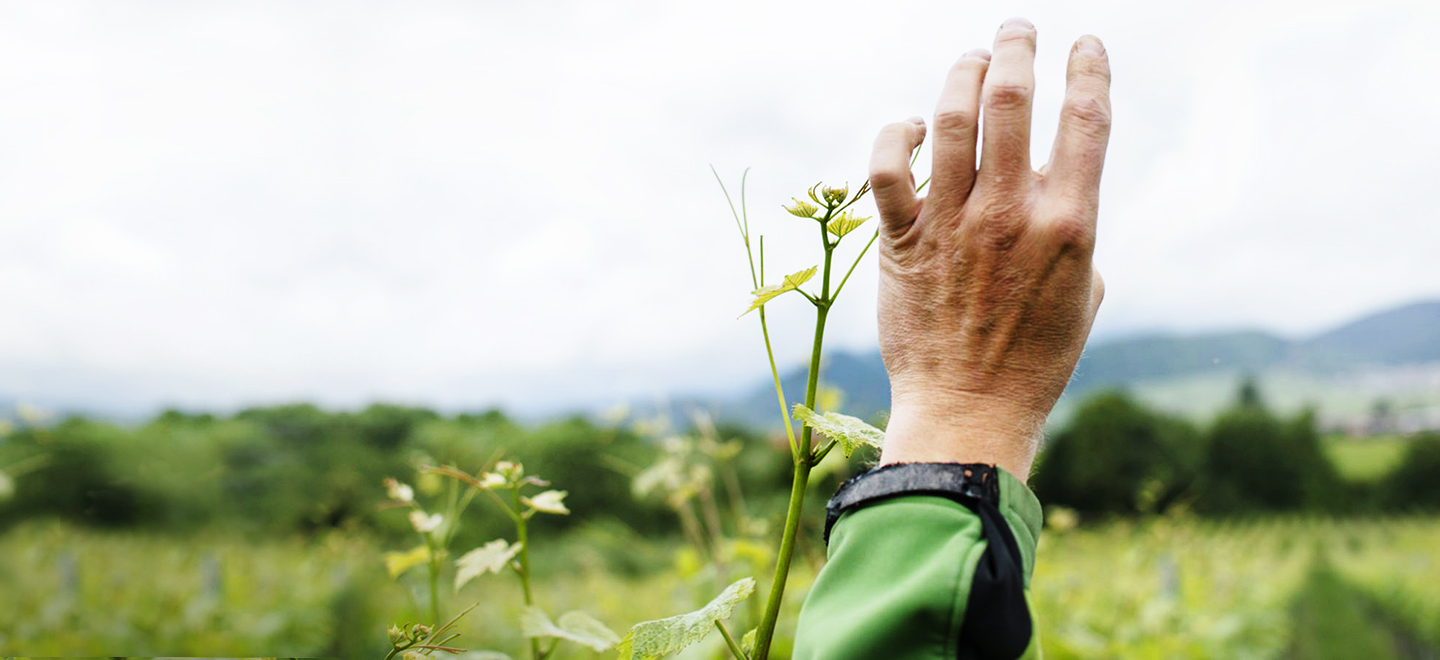 Region:
 -
Description:
Calvados Lelouvier offers a unique collection of vintage Calvados produced in the south of Normandy. The company was established by Alain Lelouvier in Briouze in 1933; while Alain was taking care of distribution, it was his wife Cecile who selected the blends. The company was passed down to Christian Lelouvier, one of their 11 sons, in the 1970s.
Lelouvier has become one of the most respected names in Normandy, particularly as a specialist of old and rare bottles. Accumulated over generations, the old Calvados vintages blend the subtle fragrances of apples with the spice of the wood, and have cemented this house's the reputation as a timeless standard in France’s finest restaurants
Image: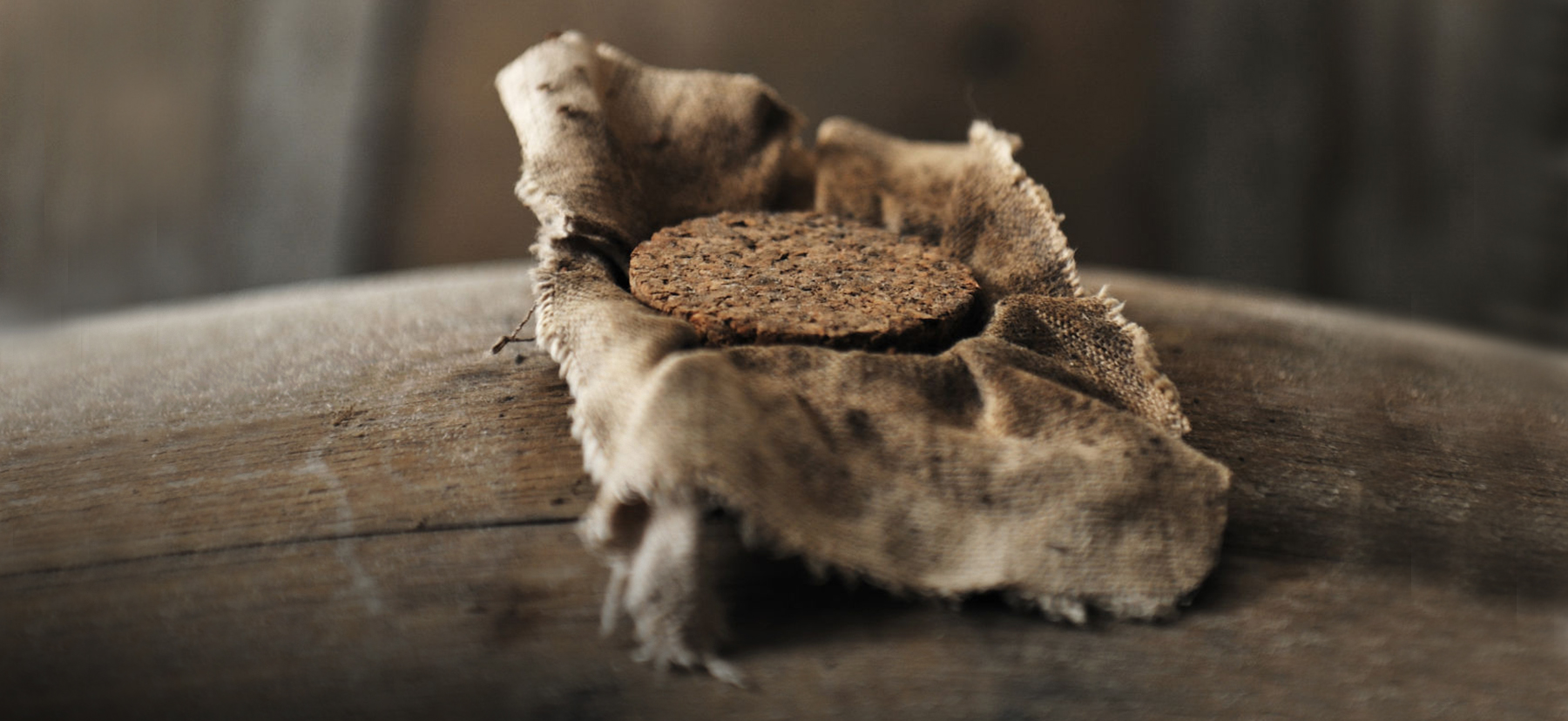 Region: