Producers
-
Description:
This micro winery is located in Chacras de Coria (Lujan), Mendoza, They farm from three hectares and go back three generations within the Furlotti family. The vineyards were planted in 1916, all to Malbec; from this they only produce one wine, which is made by famed winemaker Carmello Patti who focuses on balance and terroir. This is considered the smallest winery in Argentina and produces less than 500 cases per year, with only fifty cases for export to the US.
This profile and tasting notes were edited from the Brazos Wine website, along with the pictures used. For more information please visit: Brazos
Image: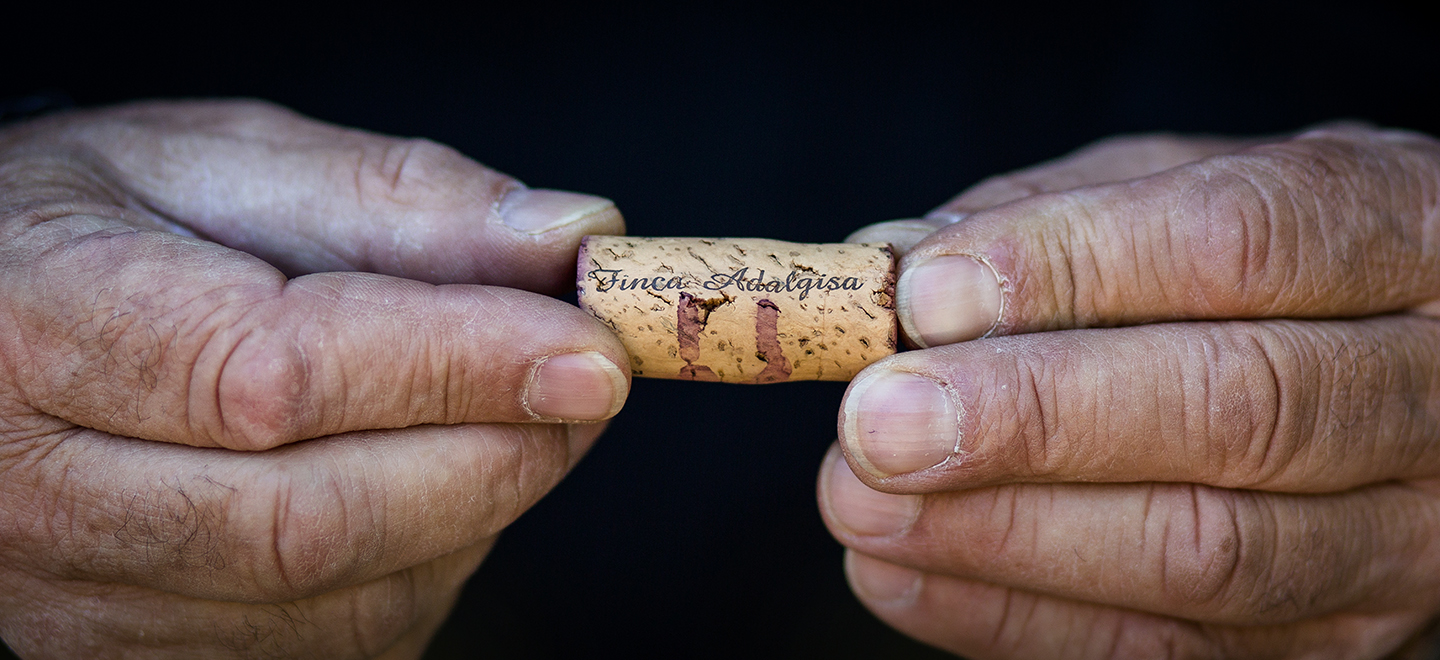 Region:
 -
Description:
Domaine Gerard Fiou is a small family domaine in the east of the Sancerre appellation in the town of Saint Satur. There are only a handful of producers here and the soil is unique in that it has a high percentage of silex (or flint) which typically is identified with Pouilly Fumé, which lies just across the Loire river. The domaine now has just under 10 hectares, and they are in the process of converting to certified organic viticulture. Only 15% of the Sancerre appellation has these special silex soils. The terroir, coupled with the older vineyards (an average of 60 years old), gives the wines have a unique and intense mineral expression that is distinctly Sancerre. Domaine Gerard Fiou has been certified organic as of the 2023 vintage.
Image: Region:
 -
Description:
Fitz Roy is a collaboration between Elixir Wine Group and Alex Huber of Invina wines in Maule, Chile. Kirk Ermisch, CEO of Elixir Wine Group, in partnership with Invina, curates the highest quality wine from the most esteemed Invina vineyards to showcase the purest expression of the Maule region.
Founder and CEO of Invina, Alex Huber, moved to Chile in 2001 after a storied career in business and the foreign service. He joined his father’s vineyard project where he lived on the vineyards in Maule and became immersed in the family business.
Alex believed that Chile’s key competitive advantage were its vineyards, so in 2007 the Huber family formed Invina, whose original focus was produce premium grapes in Maule to sell to other wineries. Several properties were acquired, with a view of creating a project that reflected the diversity of the Maule Valley. New vineyards were planted, and old vineyards nurtured, applying modern planting and management techniques.
In 2012 the family built a winery, and since then it has been a journey of discovery and appreciation for the quality of grapes produced by the vineyards.
Image: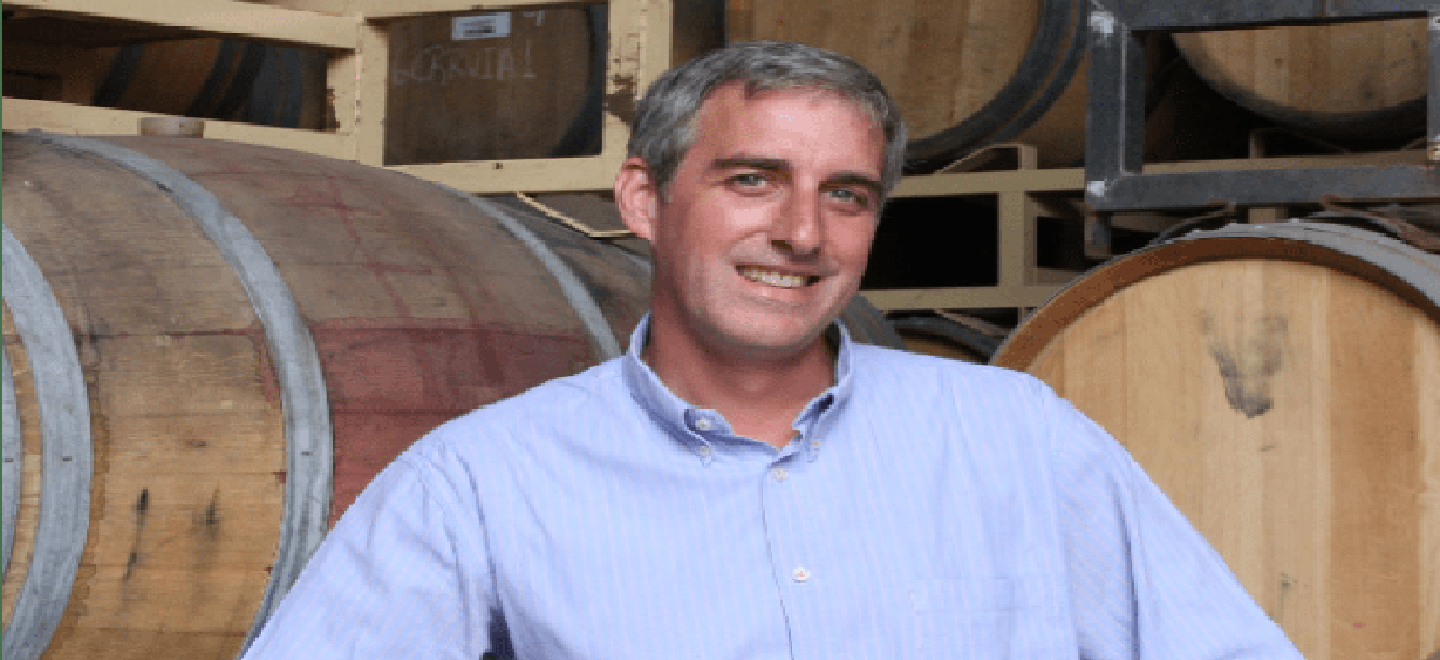 Region:
 -
Description:
Tiago Sampaio is the definition of the avant garde master. He grew up in a wine family in Douro, and had a serious wine education, traveling the world and earning a PhD in enology from Oregon State. Now that he has mastered the rules of wine, however, he relishes in breaking them.
Tiago is located in Sanfins do Douro, a satellite village of the Cima Corgo in Douro, far north of the river, at an altitude of around 700 meters. Here, none of the conventional wisdom of Douro applies, and Tiago utilizes the freshness of the mountains to make a wide range of low alcohol, minimal intervention wines that have become the benchmark for natural wine in Portugal.
Tiago was an incredibly important innovator in the Portuguese natural wine scene. With the launch of his brand, Uivo, he was among the first in the country to make Pet Nat at commercial scale, and helped reintroduce concepts like curtimenta (skin contact white) and palhete (red and white co-ferment) back into the mainstream.
In the vineyards he is equally as innovative and naturally minded, relinquishing as much control as possible of his vineyards back to nature, and employing biodynamic and regenerative techniques to build up his soils and harmonize his vines with the surrounding ecology.
This profile and tasting notes were edited from the GK Selections website, along with the pictures used. For more information please visit GK Selections.
Image: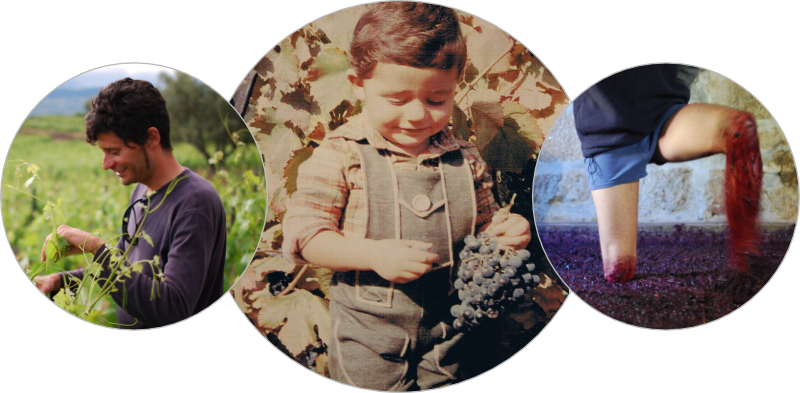 Region:
 -
Description:
Thank you to to importer Louis/Dressner for this estate profile:
(Click here for Louis/Dressner's Fongoli entry and here for Fongoli's own website)
We’ve known Giampiero Bea from Paolo Bea in Montefalco since the early nineties and have been fans of his wines even before that. Throughout the nineties into the aughts, we would ask “Giampiero, is there no one in Umbria working the way you do and making real wines?” The response was always a half-hearted pause in the guise of rumination and then a definitive “No.” We imagine his response remains the same today.
Over the course of time Montefalco wines have been driven in demand in good part because of Bea’s great work and as a result there’s been a blossoming of wineries and vineyards. It was the Etna before there was ETNA! The trendy region for the in-the-know wine group. Since the late nineties, it seemed the area was taking a turn for the worse - spoofy wines, made for quantity and consistency rather than terroir. But more recently, there is a swing back to less immediate, more traditional and stoic wines – the wines that actually express the work in the vineyard and the grape and soils of the region.
Angelo Fongoli is the fourth generation to be making wine at the Fongoli family estate. Since the early 2010’s, Angelo has taken the estate--that was, of course, until the eighties a poly-cultural farm using conventional systemic viticulture, then moved towards an almost monoculture farm--back to a more diverse farming culture concentrating on biodynamic techniques. The estate is now almost 40 hectares of vines, vineyards, olive trees, forest and natural truffle production. About 20 of these hectares are now planted in traditional grape varieties of the region – Trebbiano Spoletino, Grechetto, Sangiovese, Montepulciano and Sagrantino – the oldest of which are more than 40 years old. The vines have been certified organic by Ecocert since 2013, and since then only the use of sulfur and limited copper on the vines, the planting of soveccia - legumes, grains and other nitrogen-rich, complex-rooted plants that open the soil and add nutrients. More recently, Angelo with his wife Letizia have begun working the farm completely in biodynamic techniques, seeking quality grapes over quantity production. They are fully satisfied with the results and now make the wines without the addition of sulfur or any other enological products.
The vinifications range from stainless steel with and without temperature control to aging in barrels or demi-muid. They also make two wines in anfora that are made in the nearby town of Deruta – Maceratum for the 100% Trebbiano Spoletino white and Fracanton for the 100% Sagrantino red made in the style of his grandfather and great-grandfather. There is also a 100% Trebbiano Spoletino metodo ancestrale frizzante refermented in bottle using reserved must. There are also still red and white wines – notably some very traditional Montefalco Rosso, Bicunsio, and a Riserva, Serpullo.
Tasting the wines, we have to say that we think Giampiero is not entirely right. There are winemakers in Umbria with the dedication and respect to their vineyards, terroir and traditional wines. The wines that Angelo and Letizia are making are among the finest from the entire region.
Click here for an informative interview of Angelo Fongoli by Monty Waldin.
Image: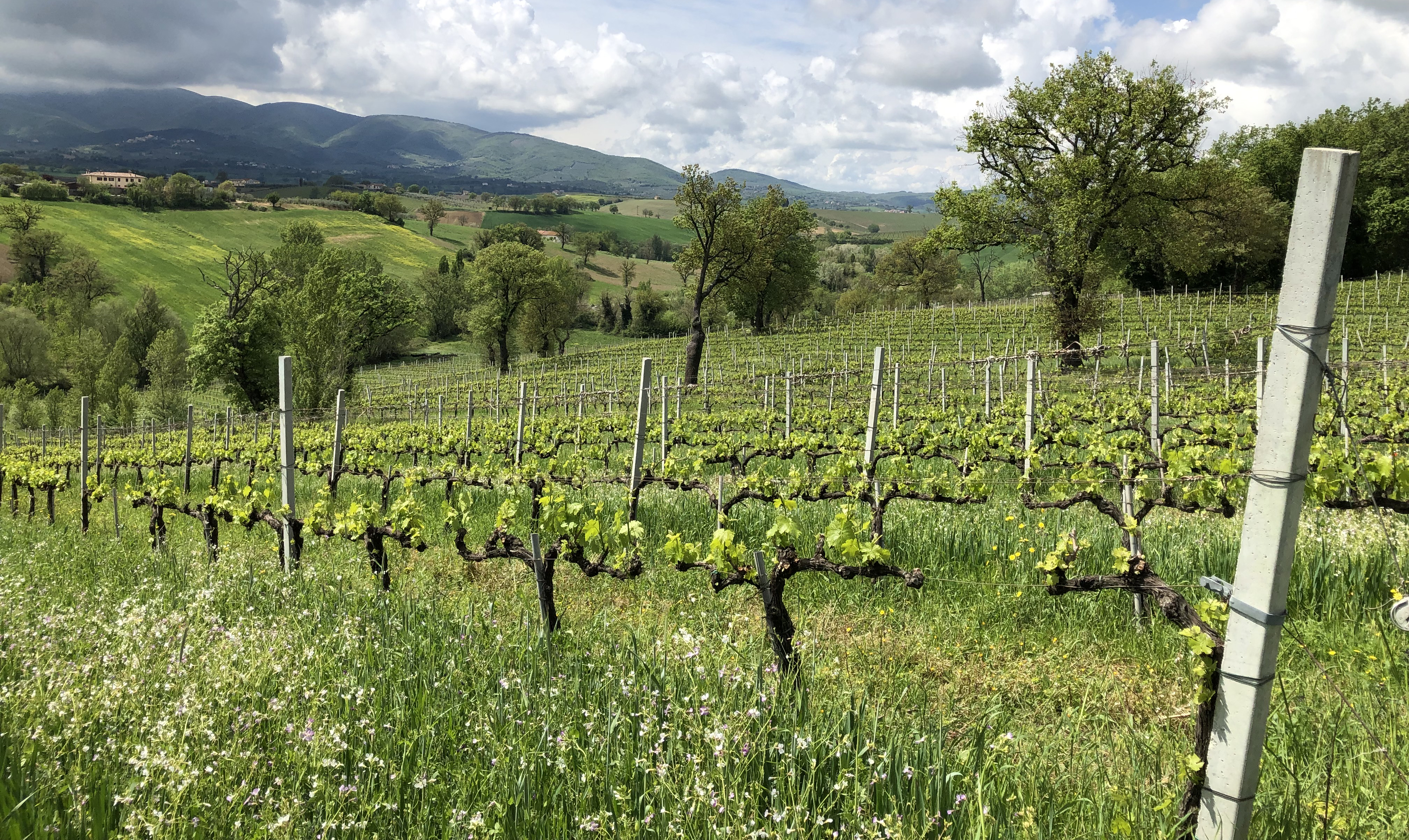 Region:
 -
Description:
Thank you to importer Louis/Dressner for this producer profile:
(Click here for more on Fonterenza from Louis/Dressner and here for the winery's website)
Founded by twin sisters Margherita and Francesca Padovani in 1997, Fonterenza is a biodynamically farmed estate spread over the commune of Montalcino. Though the twins grew up in Milan, the farm where they currently reside has been in the family since the 1970's. Viticulture, however, does not run in the Padovani family; in fact, there were no vines whatsoever on the property until Margherita planted the first plots in 1999.
Francesca quickly joined her sister on the project, and subsequent plantings took place in 2002 and 2005 over four hectares of vines, with 3.5 hectares planted in Sangiovese and the rest in Cabernet Sauvignon (regrafted to Sangiovese in 2012). From the beginning, Margherita and Francesca agreed not to use chemicals in their vineyard practices, which quickly led to an interest in biodynamic viticulture and, a few years later, minimal intervention winemaking.
The estate now consists of three plots totaling 4.2 hectares: Vigna del Bosco (2h), Vigna della Strada (1.7h) and Vigna Alberello (0.5h). The first two were planted in 1999 and the third in 2005. While all the vineyards are gorgeous, Vigna del Bosco is particularly stunning; one must walk or drive down a long beautiful path to arrive to a hill completely surrounded by woods.
Four wines are produced from the estate. A rosé is made from the most vigorous vines of the three vineyards. The Rosso di Montalcino is sourced from Vigna del Bosco and Vigna del Strada. The newer "Alberello Rosso" comes from Vigna Alberello and distinguishes itself with soil and exposition variations along with being trained in gobelet versus guyot, resulting in much lower yields and higher concentration. Finally, the estate's Brunello comes exclusively from Vigna del Bosco, a site the sisters consider of exceptional quality akin to a cru.
A few wines made from purchased fruit and rented parcels round out the lineup. A skin contact white named "Biancospino" from Malvasia, Trebbiano and Procanico comes from a nearby parcel of old vines the sisters rent. Another macerated white called "Le Ragazze" came into production in 2018. Finally, "Pettirosso" is "inspired by our friendship with French vignerons and their culture of thirst-quenching wines, conceived to satisfy the needs of everyday drinking and convivial sharing, our idea was to make an Italian vin de soif."
Margherita and Francesca's constant and steady evolution have made Fonterenza one of the most exciting estates for us to follow in the past few years. Every vintage just keeps getting better and better.
Image: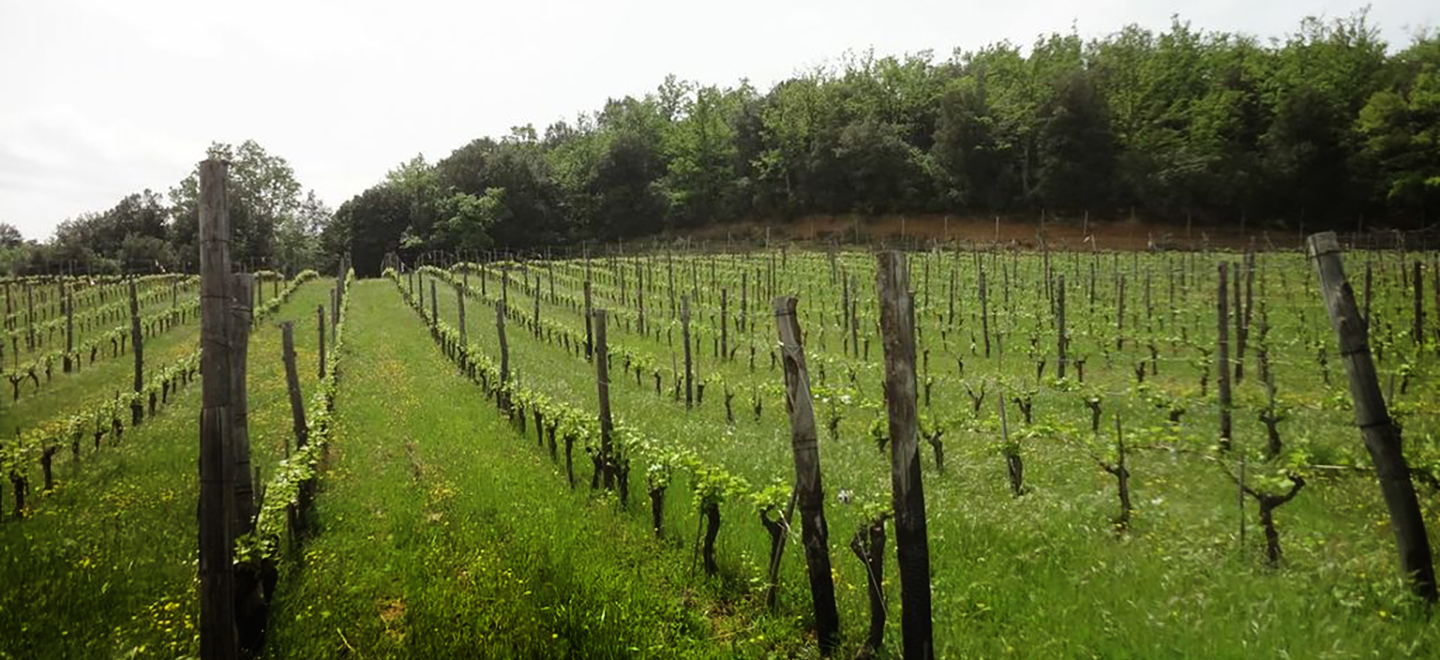 Region:
 -
Description:
Thank you to importer Louis/Dressner for this estate profile:
(Click here for more on Foradori from Louis/Dressner and here for the winery's website)
"How can one try to describe the wines of Elisabetta? It’s easy to say that, in this case, the grape does not fall far from the vine or the hand that cultivated it. Foradori - immediately striking, gracefully elegant, discerningly tasteful, soberly serious while at the same time wry and playful, and above all always generous and sincere. Wait, is that Elisabetta or her wines? In fact, it could easily be used to describe one or the other."
Kevin originally wrote that introduction paragraph over a decade ago. I've always loved the passage and it still rings as true as ever. What's even nicer is that the exact same thing can be extended (more or less) verbatim to her children Emilio, Theo and Myrtha, all three now integral to the estate. We'll get to that, but first we need to start at the beginning.
Elisabetta Foradori's journey in her “wine life” is a familiar tale, but one that we never tire of hearing. The early death of her father unexpectedly hurtled her to the management of the family estate. Though “born among the vines” as she says, she took the helm at first more from a sense of duty than one of passion or vocation. Eventually, however, that passion and vocation came through the work itself, both in the vines and in the cellar.
Despite her star rising as "the queen of Teroldego" through the 90's, by 2000 Elisabetta had lost all personal connection to her work. A path of questioning, experiment and intuition (that included everything from biodynamics, massale selection and the use of amphorae) eventually led her to give up any sense of chasing market trends of the “wine industry” to develop the estate towards the goal of making wines respectful of the soil and the local grapes she wants to honor, and using the techniques she found more interesting, less invasive, and more wine “holistic”.
Even with a proven track record, starting from scratch does not always guarantee success. Decisions like progressively replanting the majority of the land from pergola to guyot, radically changing vinifications, producing single vineyard expressions of Teroldego (in amphora no less!); there was no way to know if this would resonate with established or new customers. Still, Elisabetta stayed true to her instincts and as we now know, kept her proverbial throne.
Elisabetta is still very much a daily presence and "the face" for most of the winery's fans. But if you've been following the estate over the last decade it's likely you've met and interacted with her three children Emilio, Theo and Myrtha. All three are lovely and very much evolving the winery into its next phase of existence.
Emilio, the eldest, has been around the longest and unbeknownst to most, he's headed the viticulture for quite some time and, after many years in the cellar with his mother, been making all the wines on his own since 2013. Theo travels the most to represent the winery. He also communicates with people like us (importers, distributors) and is and integral part of the winemaking since 2016, serving as a confidant and advisor to Emilio.
Stylistic shifts, already in motion when Elisabetta was still in the cellar, have become clearly defined over the last decade. This is particularly noticeable with the softening of the Foradori Rosso and Granato through infusion style macerations, partial or full whole-cluster vinifications and avoiding new oak. There have been further experiments with amphora as well, including the very limited Cilindrica bottlings aged an extra year in a smaller, longer amphoras. Finally, it's hard to imagine a wine like Lezèr, a light red born of damaged Foradori Rosso fruit following devastating hailstorms in 2017, would have come into existence without the sensibilities of a younger generation.
And let's not forget Myrtha, who after a long stretch working in farms in Oregon and Quebec has returned to Mezzolombardo and is already beginning Foradori's transformation from winery to full blown polycultural farm. This shift to diversify is very important to the entire family. A full vegetable garden has been planted and the pergolas are now full of salads and radishes. The last time we visited, we didn't see vines but rather spent a late afternoon driving up windy roads to arrive at a gorgeous, lush mountain top destined for cow grazing. In 2020 we got to taste Foradori's first cheeses, an early effort from five cows. Theo laments Italy's lack of affinage and hopes they can incorporate this into their production.
Going back to Kevin's original text, he ended it with the following statement. Again, it's fitting and affirming that it applies just as pertinently to her children: "In a lot of ways, she has come far, but we think, that for Elisabetta, like for other great grower/winemakers we are privileged to work with, it is a process, and one that doesn't necessarily end."
BOWLER E-Zine Issue 4 | January 2022: Compost Cookery with Foradori, Hoch, Bucklin, and Podere Giardino
Image: Region:
 -
Description:
Fossil & Fawn is the collaborative project of Jim Fischer Jr. and Jenny Mosbacher, originating from Jim’s family vineyard—Silvershot (formerly Crowley Station)—in Oregon’s Eola-Amity Hills AVA. Though the Fischer family has lived at the Silvershot property since the 1970’s, it wasn’t until 1999 that they began planting their home vineyard. They hand planted 15-acres of own-rooted vine cuttings, gathered from neighboring heritage vineyards, in soils composed of ancient marine sediment, Oligocene sandstone and fossilized seashells. Viticulture is overseen by Jim Fischer Sr., and the vineyard is dry-farmed and sustainably managed.
While Silvershot has become a familiar single-vineyard designate thanks to early supporters like Brianne Day, it wasn’t until more recently that Jim and Jenny began releasing estate wines under their own Fossil & Fawn label. Their first vintage was in 2011, and since then they’ve crafted small, expressive lots from both their home vineyard and like-minded, responsibly farmed sites around the Willamette Valley. Today, Fossil & Fawn operates out of No Clos Radio, a winery and vineyard in the Willamette Valley co-owned with Maloof Wines.
In the cellar, Fossil & Fawn takes a minimalist approach: native fermentations, no additions or adjustments, aging in neutral oak, and no filtering or fining. The result is a lineup of wines that honor tradition while offering a fresh and distinctive take on the future of Oregon wine, executed with a natural approach that allows the vineyard to do the talking.
Image: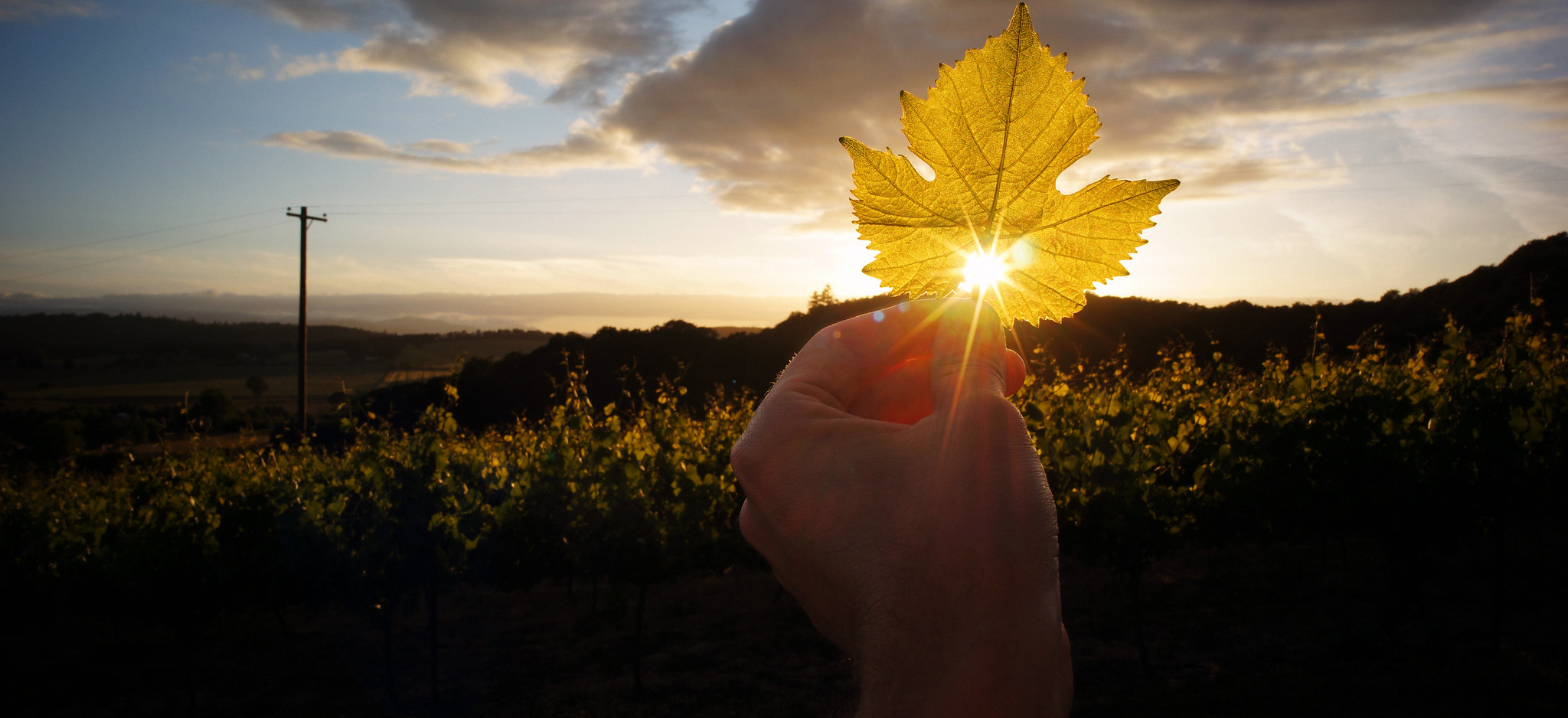 Region:
 -
Description:
Franchere Wine Company is an exciting project helmed by Mike Hinds. An Oregon native, Mike got his start working in wine shops in Chicago where he caught the wine bug from a bottle of Vouvray. This captivating experience led him to ask, “What is this? Why is this so magical with my food? How did this wine come to be like this?” The obsession was launched, and Mike returned to his home state taking viticulture classes, working in the cellar at Illahe Vineyards, farming grapes, and finally producing his own wines.
Launched with the 2013 vintage, Mike named his project Franchere after his great-great grandfather, Gabriel Franchère, who arrived in Oregon in 1811 aboard the ill-fated ship, Tonquin. In Gabriel’s memoir he gave his impression of what would later become Portland, describing the incredible landscape as having presented “…a smiling and enchanting prospect to the observer who loved the beauties of simple nature”. This regard for history, nature, and place runs through the wines of Franchere.
Mike Hinds hand-farms approximately 15% of the production, with the balance being sourced from vineyards in the Willamette Valley and Columbia Gorge that are farmed organically, biodynamically, or sustainably – in all cases without irrigation and systemic herbicides. In the cellar he utilizes native fermentations, neutral aging vessels, and no adjustments. The resulting wines are fresh, savory, and balanced, while always showing their Willamette Valley origins.
Image: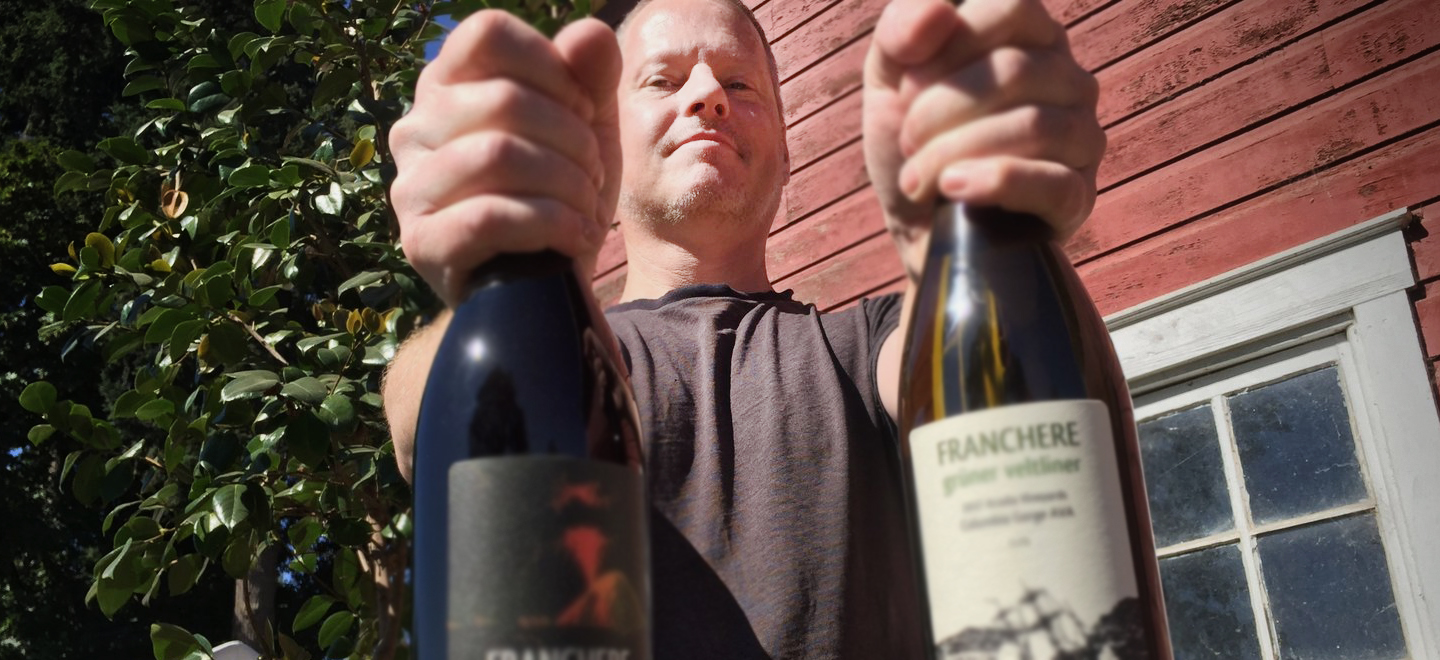 Region:
 -
Description:
Thank you to importer Louis/Dressner for this Boulard profile:
(Click here for Louis/Dressner's additional notes on Boulard)
Delphine Boulard is the seventh generation to work her family's land in Champagne and now fully at the helm of the estate she founded with her father Francis in 2009. Prior to founding Francis Boulard et Fille with Delphine, Francis worked alongside his brother and sister running the now defunct family estate Raymond Boulard. The winery created a reputation for itself by highlighting the distinct terroirs of the three areas it worked: the rich clay soils of the Marne planted in Pinot Meunier, Chardonnay from the silica-limestone soils of the Massif de Saint-Thierry and the Pinot Noir of Mailly (the two latter being subsections of the Montagne de Reims). During his tenure there, Francis was the head viticulturist and winemaker. But a fundamental disagreement would lead him to leave it all behind and start his own much smaller estate.
Francis' career as a vigneron dates back to the early 70's, a period where chemical viticulture was only starting to gain traction. Like most in his generation, he began adopting chemical fertilizers, pesticides and herbicides in his vineyard work. But around 1996, he was faced with a daunting realization.
"As a simple peasant, I always assumed that the products we were putting on our vines would wash away after a couple of rains, that they would naturally go away. No one ever told us that chemical residue would not only permanently affect the vineyard, but actually end up in the wine."
Francis knew something had to change but wasn't entirely sure what to do. Around this time, a friendly mention of biodynamics by a colleague would introduce him to Rudolph Steiner's philosophies and lead to several years of viticultural experimentation. Determined to attempt this type of viticulture on his land, Francis convinced his siblings to convert one hectare, at first to see if it was possible to have healthy vines without using chemicals. This proved a success, so Francis tried something else: intentionally working part of a parcel biodynamically, leaving the rest in conventional chemical viticulture and vinifying both separately. Three years in a row, he felt the wine from biodynamic grapes was more expressive.
Convinced that the entire estate could and should be converted, Francis proposed this to his brother and sister. His idea was met with heavy resistance and ridicule. After much reflection, he decided that he could work no other way: Francis claimed his three hectares of vines, broke off from his family and started his own estate. His daughter Delphine, who had been working alongside her father at Raymond Boulard for nine years, decided to follow him and together they founded Francis Boulard et Fille in 2009. They work close to three hectares in the Vallée de la Marne and the Montagne de Reims following organic and biodynamic practices. The breakdown of land is essentially a third of what Raymond Boulard used to be in size, with the three distinct terroirs still expressed through a smaller, more artisanal lens: 1.6 hectares are in the Massif Saint-Thierry, 0.5h in Mailly (both sectors of the Montagne de Reims) and the 1.2h of historic family parcels in the Vallée de la Marne.
Delphine originally had no intention of becoming a vigneronne and had gone to university for interior design. After a few years designing kitchens and bathrooms for large French corporations, she was bored to death and asked me Francis if she could come work at Raymond Boulard. Her first year she studied viticulture, then she followed a professional oenological program and her third year she studied administration and business. During her studies, she was working in the vines every day.
The estate is certified organic and worked with biodynamic preparations, a rarity in Champagne. So much so that large signs had to be installed in the vineyards so that helicopters can see which plots to avoid while dumping chemical products on the vineyards. It may be hard to believe, but this is a common practice in Champagne; a law passed in the early 2010's forbidding helicopter treatments within 120 meters of organic vineyards! Another poignant example: of the 400 hectares planted in the Vallée de la Marne, only 3.2 are certified organic. The Boulard own 1.2 hectares of that land.
Unlike most Champagne houses, grapes are picked at an optimal ripeness. This produces vins clairs closer to "normal" dry wine (12, 13%), making for Champagnes that are quite vinous. In such, dosage is decided judiciously in measure of each release, though the trend has been less and less or no dosage whatsoever.
After almost 50 years in the vines, Francis retired in 2017. A dramatic electrical fire in the Boulard cellar in late 2016, coupled with Francis' retirement led Delphine to build a new edifice alongside her new house. The only major stylistic shift is that Delphine now vinifies and ages everything in old Burgundian barrels and a few foudres (Francis had favored demi-muids along with barrels of all sizes).
Photos ©Boulard & Fille
Image: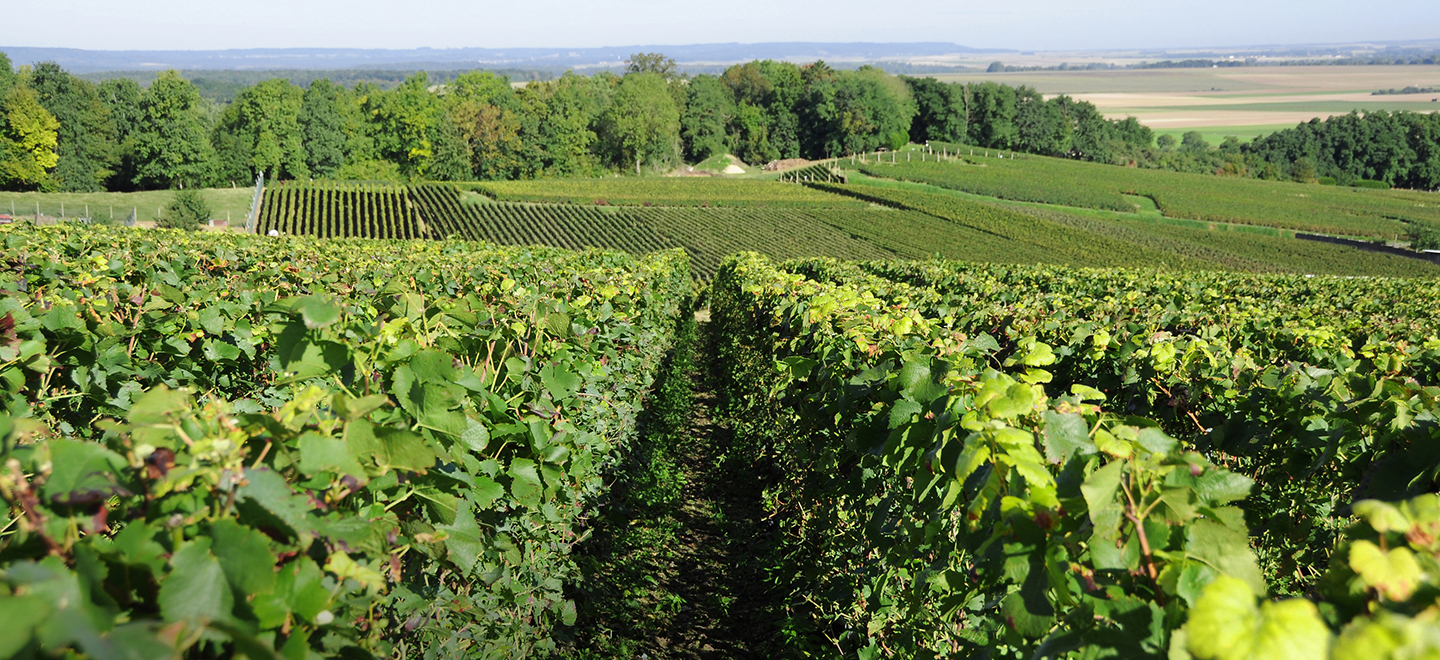 Region: