Producers
-
Description:
Domaine des Moriers began in 2005, born from an unlikely pair of friends who shared a passion for Cru Beaujolais. Dominique Cor had spent his career working in digital technology but always had an eye out for a way into the wine industry, ever since tasting a revelatory bottle of 1953 Château Margaux. François de Nicolaÿ grew up among the vines, working and learning at his family winery, Chandon de Briailles. They began with a plot in Moulin-à-Vent and expanded in 2018 with the purchase of a winery in Lancié.
The focus from the beginning was the health and integrity of the vineyards. François had observed his mother’s transition to biodynamics and knew he would follow the same path, but that nature should never be rushed. After nearly two decades of organic farming, the winery was Ecocert certified in 2023.
“Because we want to magnify the best that Beaujolais can offer, because we want to be among its leading defenders, we advance at a pace that isn't measured in hours, barely in seasons.”
In 2024, François’s daughter, Pauline, joined the team and has since taken over managing the winery. The de Nicolaÿ family values run deep, and Pauline has always been drawn to biodynamic viticulture. She began helping with harvests at Chandon de Briailles when she was 16 and has spent time working at Domaine Marquis d’Angerville in Volnay, Domaine de Villaine in Bouzeron, and Domaine Pignier in the Jura. The different approaches to biodynamics at each estate influence the way Pauline now manages Domaine des Moriers.
Work in the vineyards is done manually, with the assistance of horses. All grapes are hand harvested and pressed in a traditional vertical press. Vinification happens naturally, in cement vats, without chaptalization, commercial yeast, or sulfites. Aging takes place in a combination of stainless steel and used oak barrels. The aim is to produce wines that showcase the individual expression of the vines, wines that may be freely enjoyed today or savored after years in the cellar.
Image: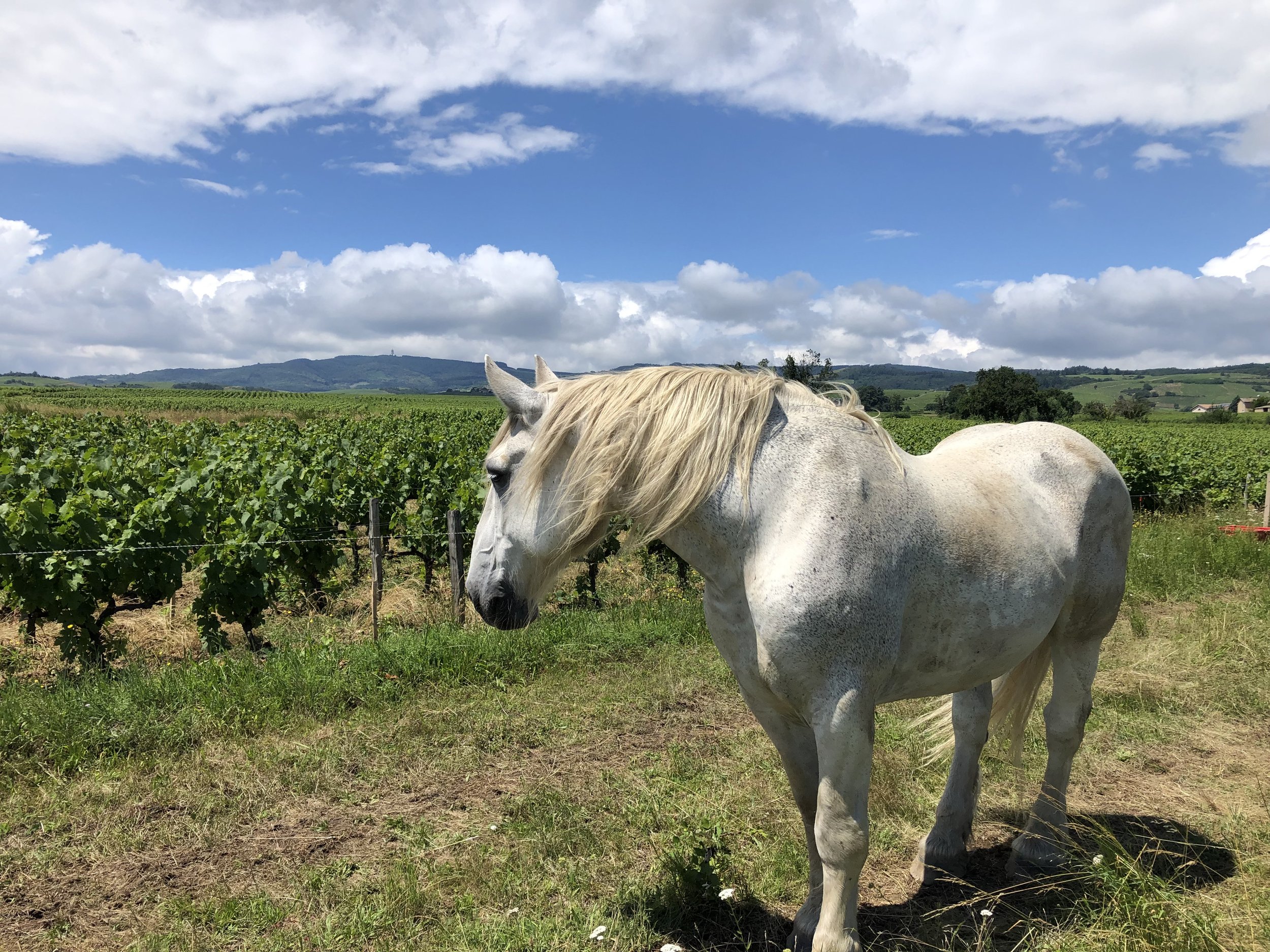 Region:
 -
Description:
Côte de Brouilly has a special terroir: “blue” granite is laced with volcanic porphyry, or crystallized mineral deposits. This mixture, combined with the elevation (AOC Côte de Brouilly is confined to the upper vineyards; AOC Brouilly is lower, and far larger), largely accounts for Côte de Brouilly’s highly scented and finely—fine is the adjective that comes to mind—concentrated wines. Winemaking at Chavannes is traditional and simple, with little extraction in the modern sense (Pavillon’s wine could well be labeled the antithesis of modern extracted power). The alcoholic fermentation is done in cement vats, after which the wine goes into foudre for aging. The link to Thivin: Pavillon de Chavannes was acquired by the Jambon-Chanrion family in 1861. Its history became intertwined with that of Château Thivin when Yvonne Chanrion married Claude Geoffray shortly after the First World War; Claude had inherited Thivin, then a small estate. Yvonne took with her one-third of her family’s highly regarded vineyards as an inheritance, and later she acquired her sister’s third as well. Over the years, Yvonne and Claude added to Thivin’s holdings with other land purchases, but the couple never bore children. Yvonne outlived her husband, and upon her death in 1987 the sisters’ original two-thirds inheritance reverted to Paul Jambon of the Jambon-Chanrion family, along with fifty percent of the land Yvonne and Claude had purchased over the course of their marriage. The remainder of the Thivin holdings went to Claude’s great nephew, also named Claude. Nephew Claude further inherited vineyards from his immediate family, enabling him to maintain Thivin’s volume. The Art Deco wine label, created in the 1930s, was a product of that marriage. After Yvonne’s death and the restoration of the Chavanne vineyards, this label became joint property, and now it is used by both domaines under their respective names.
Image: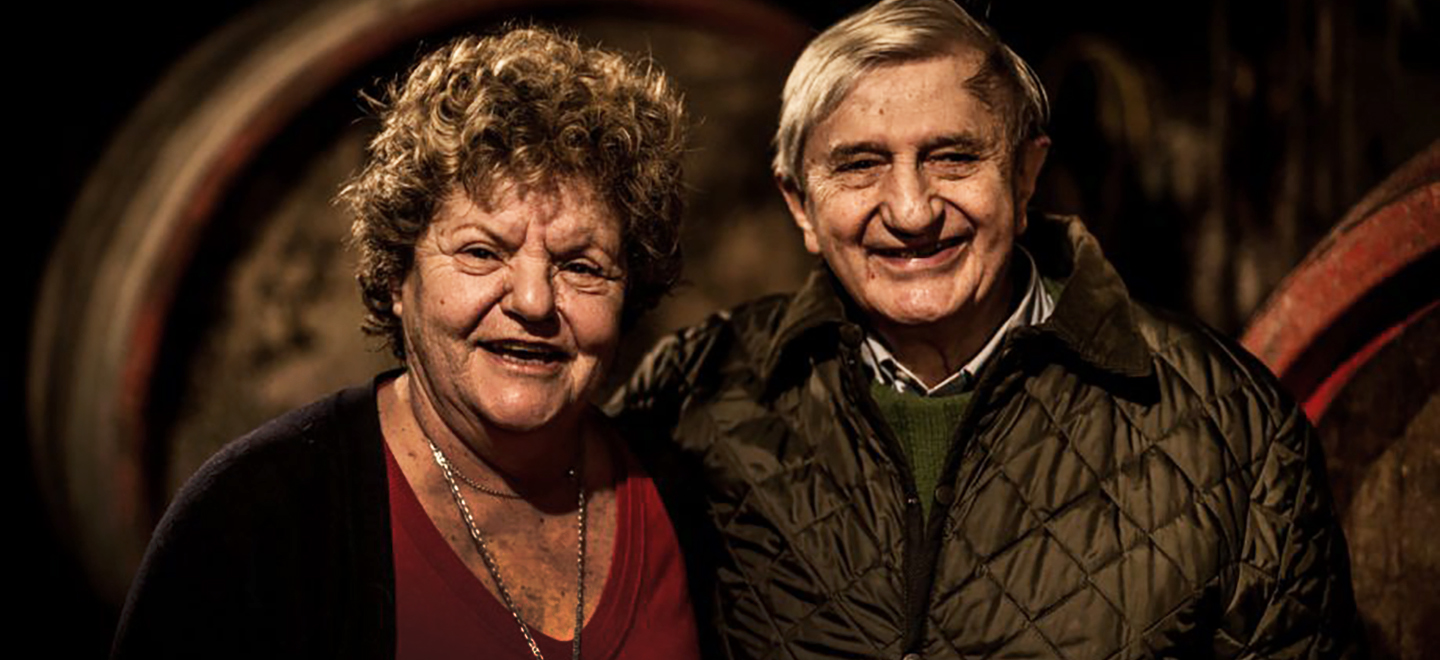 Region:
 -
Description:
David Dupasquier is a fifth generation winemaker at this ultra-traditional domaine. He and his sister Veronique run the domaine, but their Father Noel is still very much involved in the vineyards and in the cellar.
The Dupasquier vineyards are located in a southwestern lobe of the Savoie, close to the Rhône Valley. One drives through a large mountain called “Le Dent du Chat” to arrive at the domaine, and the terroir seems almost instantly to become more Rhône-ish on the western side of this tunnel. The town is called Aimavigne, and its most prestigious vineyard is the incredibly steep “Marestel” Cru (pronounced “mah-reh-tehl” no “s”). The vines benefit from steep, sun-drenched slopes, primarily limestone soil, and the cooling effects of Lake Bourget. David works these vineyards with a tractor and by hand – the Marestel vines entirely by hand, as a good percentage of the best sites are too steep to work with a tractor. Plowing is done once per year for every other row and David believes that the biodiversity this leaves in the vineyard is critical for the quality of wines. Harvest is by hand and clusters are hand selected.
The word “traditional” invariably gets used when Dupasquier’s wines come up in conversation. There are many reasons for this, one being that the wines see quite a long period of aging in old, neutral barrel and in bottle before release. In general, the Dupasquiers leave their wines in barrel on fine lees until just before the next year’s harvest. The wines then see another 18 month in bottle. In some other regions, this type of regimen might not be so unusual, but it certainly is in the Savoie, where the typical wine is fermented with added yeast and vinified quickly in stainless steel. This brings us to another aspect of the Dupasquier’s traditionalism. All the wines are fermented with native yeast, and even in the coldest years, they don’t inoculate.
The style of these wines absolutely reflects the place, as well as the vineyard and cellar work. There’s a warmth and ripeness to the wines that calls the Rhône Valley to mind, yet with freshness, acidity, and cut reminiscent of the Savoie.Image: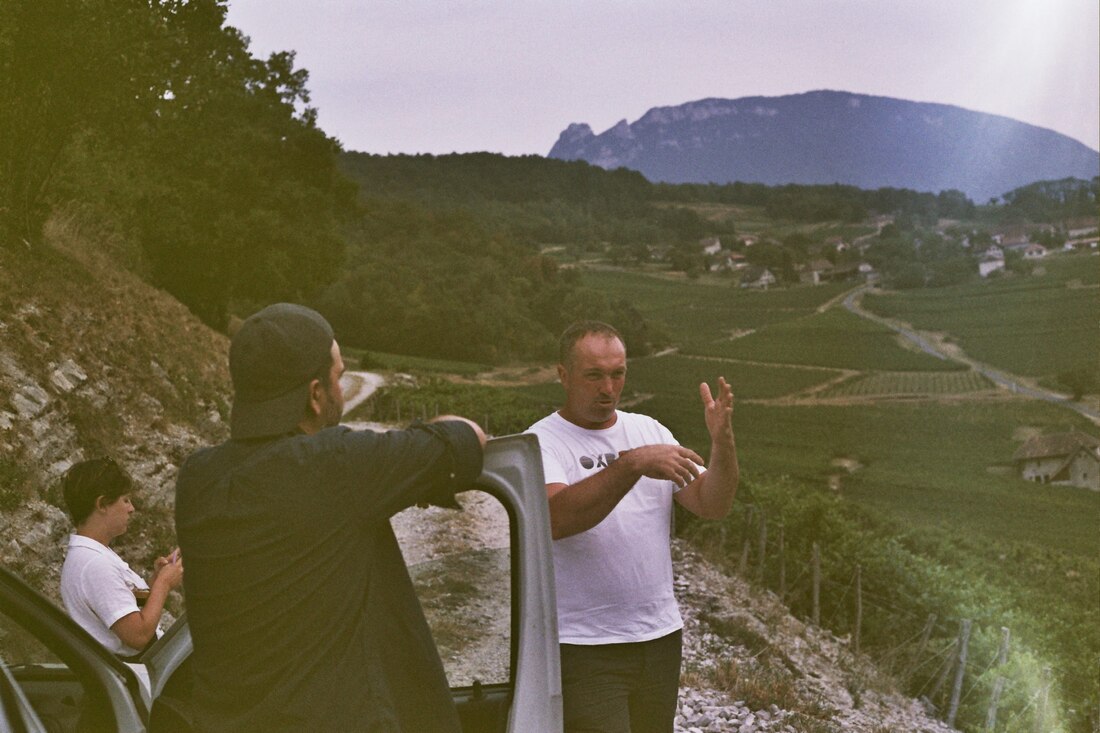 Region:
 -
Description:
For more information on Domaine Duplessis, please visit Selection Massale.
Available in California.
Image: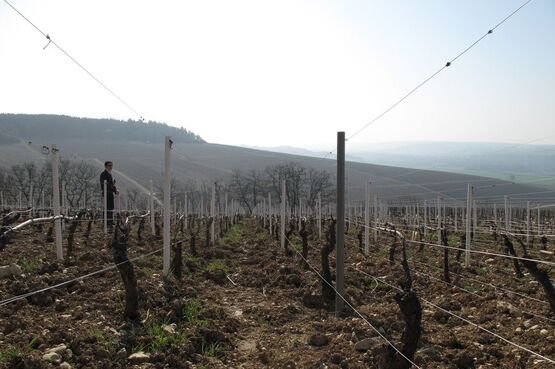 Region:
 -
Description:
Domaine Eden is a nearby mountaintop wine estate purchased by Mount Eden Vineyards in 2007. It was founded and built by the late Tom Mudd in 1983, and was initially planted with the Mount Eden clonal selections of Chardonnay and Cabernet Sauvignon, which evolved to include Pinot Noir from various Dijon and California selections. The viticulture at Domaine Eden is approached with the same level of naturalness and sustainability as Mount Eden’s estate vineyards. The soils here, however, are different from the estate’s Franciscan shale so even though Domaine Eden is a mere mile away “as the crow flies”, the wines express more varietal fruit with expansive mid-palate flavors than the soil-driven minerality of Mount Eden estate wines. With the differences in vineyard character, the property inspired a new wine brand, Domaine Eden, which focuses on Pinot Noir and Chardonnay from this special site and Bordeaux varieties from Mount Eden’s larger home, the Santa Cruz Mountains.
See Also: Mount Eden Vineyards
Image: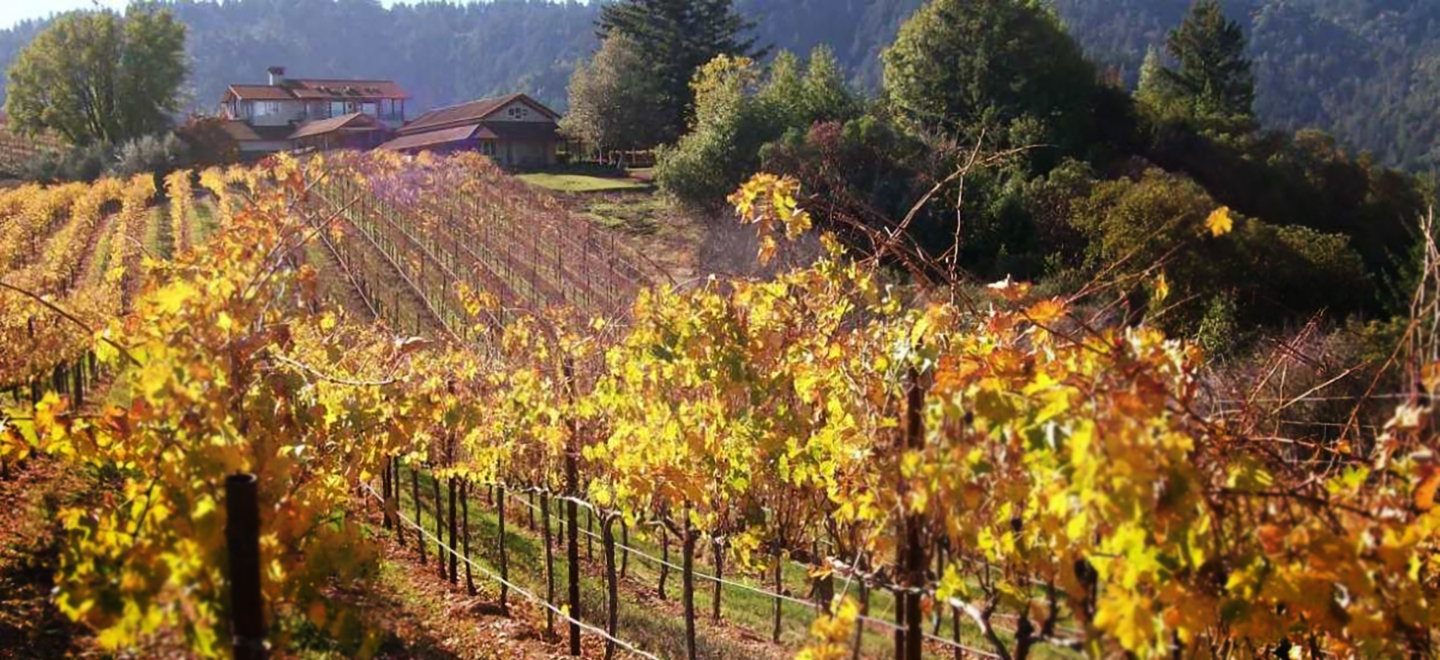 Region:
 -
Description:
Thank you to importer Louis/Dressner for this profile of the Girard estate:
Domaine Fernand Girard is currently run by Alain Girard. He comes from several generations of winemakers in the tiny village of Chaudoux, located a few miles northwest of the town of Sancerre and directly north of the famous town of Chavignol.
He tends 14 hectares of vines in total, sells some cuvées to négociants and bottles only a portion of the total production under his family name. The "La Garenne" cuvée originally came from a 2.5 hectare vineyard of that name, a plot on a steep east-facing slope with a very rocky limestone soil. The chalky soil brings out the characteristic flinty, mineral and green notes of Sauvignon Blanc. On La Garenne’s well-drained, warm slopes, the grapes achieve exceptional ripeness and fruit.
Over the years, as demand increased, it became clear that Alain would need to blend his sites together to produce more estate wine. Today, only one wine is produced in much larger quantities than when we started working together in the early 1990's. In a crass move of commercialism, it was agreed to keep the name "La Garenne" since it was a "recognizable brand".
Compared to those in other viticultural regions in France, most of Sancerre’s vignerons have stricter than usual standards of cellar tidiness and hygiene. It might be the influence of the local goat cheese making, which was traditionally done on a very small, artisanal scale, by people who knew the importance of a pristine environment.
The Girards have an impeccable cuverie and vinify with modern technology: a pneumatic press, stainless-steel vats, a temperature control system during fermentation, and an air-conditioned space for aging in vats and stocking bottles. They counterbalance technology by practicing old-fashioned vineyard work, where herbicides and treatments are used sparingly, and by never adding commercial yeasts to induce fermentation or add flavors.
Their Sancerre is everything one hopes for when thinking about the region: it is bright, lively, pleasantly aromatic, has zippy acidity but low astringency. It is a wonderful food wine that is as versatile as it is easy to drink.
Image: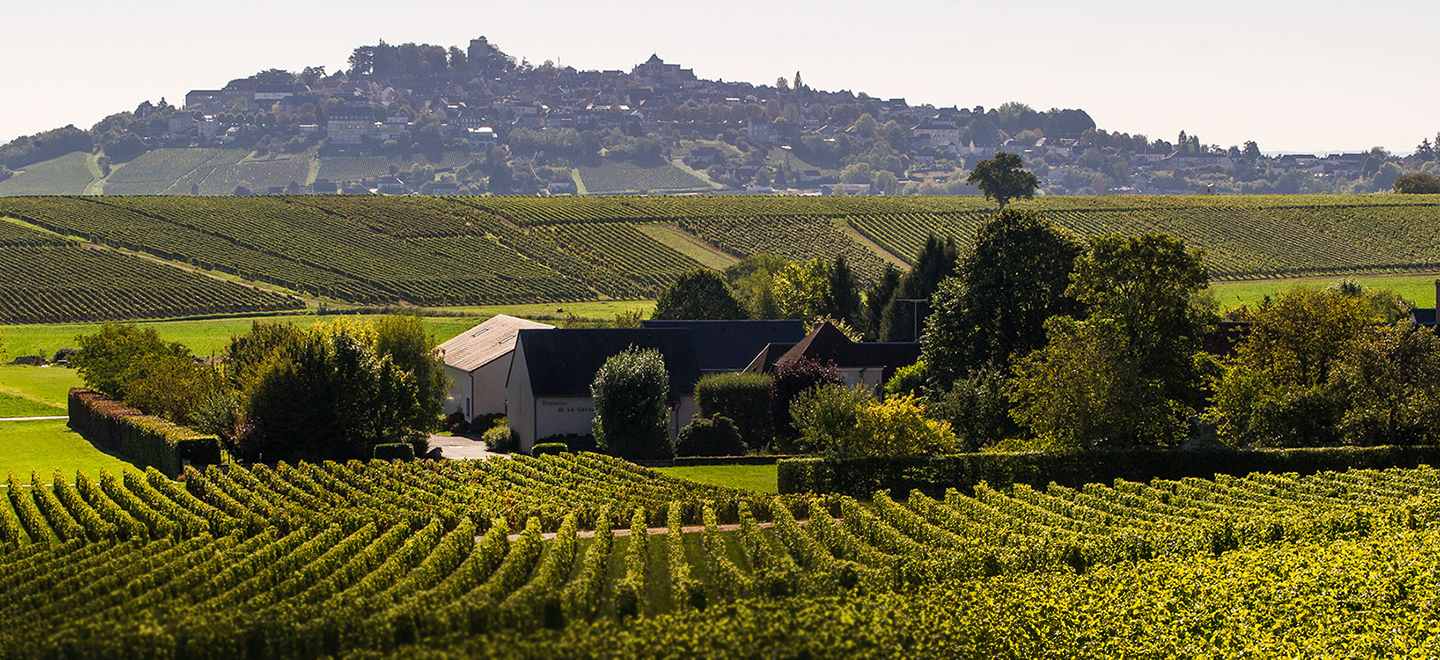 Region:
 -
Description:
For more information on Domaine Santamaria, please visit Selection Massale.
Available in California.
Image: Region:
 -
Description:
For more information on Domaine Tripoz, please visit Selection Massale.
Available in California.
Image: Region:
 -
Description:
An exciting new project by American wine broker, author, teacher and longtime German wine champion Willie Glückstern. Sourced only from steep slopes (steilagen) in the Mosel - unlike most of its competitors which come from cheaper flatland fruit - every vintage of this Riesling is seriously mineralic, racy, and dry. Bottled in a whimsical package and only shipped fresh as needed, this is a fabulous value in dry German Riesling.
BOWLER E-Zine Issue 3 | July 2021: Moselland: Behind the Bunny
Image: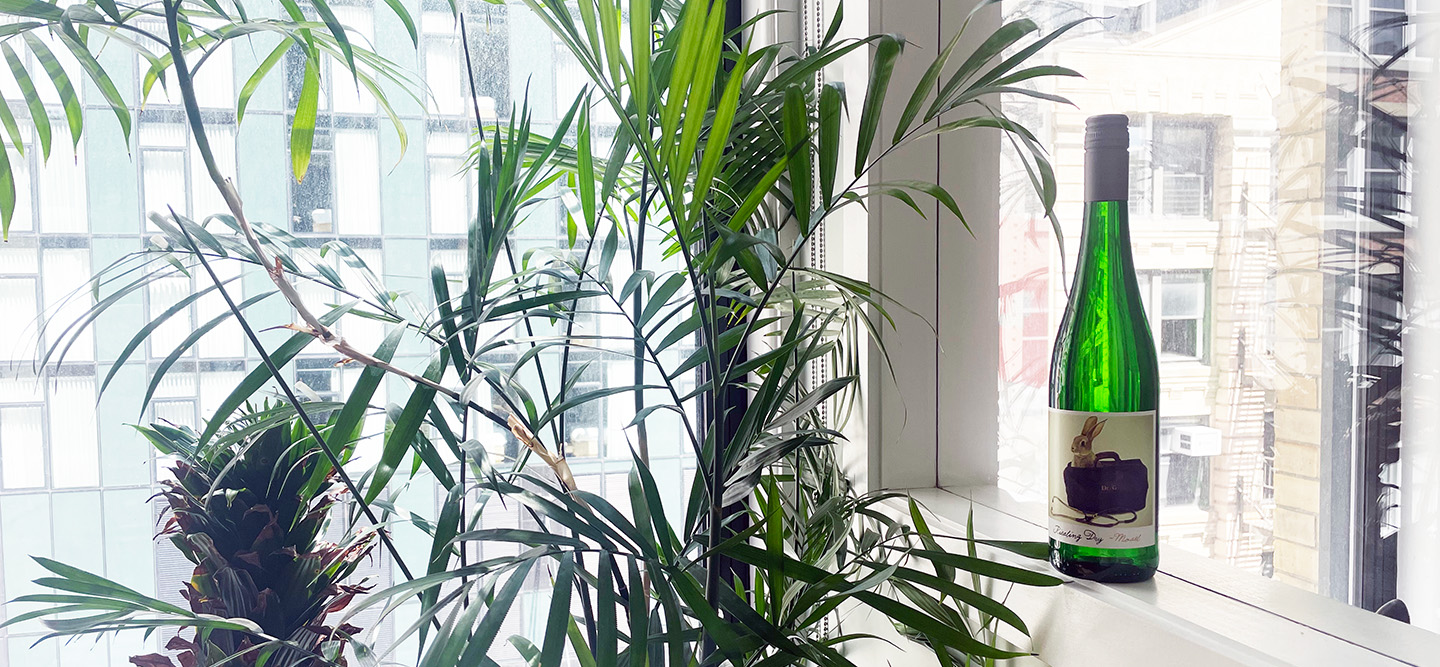 Region:
 -
Description:
Jason and Molly Drew started Drew in 2000 with a clear pursuit in mind: to craft cool climate wines that express site distinction and traditional varietal character. Their moment came when they stumbled upon an old 26 acre apple orchard within the Mendocino Ridge Appellation. While others saw a daunting project in this old forgotten orchard, Jason and Molly saw ancient oceanic soils, south facing slopes that sit just above the fogline and a true coastal climate, with the ocean a mere 3 miles away. They took the leap and the Drew estate winery at Faîte De Mer Farm was born.
The eight acre estate vineyard was planted to a collection of California heritage field selections and several Dijon clones of Pinot Noir. Additionally, two acres of Chardonnay were added along with a small truffle orchard to accompany the remaining 14 acre apple orchard. Faîte De Mer Farm is certified organic, continuing a 30-plus year tradition of organic farming on this site.
While Faîte De Mer Farm remains their passionate focus, they also hold several Anderson Valley & Mendocino Ridge sites in high esteem. Single vineyard sources are chosen for their climate, clonal selection and complexity of soil type as well as a commitment to meticulous and sustainable farming practices. Winemaking practices remain focused on traditional methods that include whole cluster and native yeast fermentations, hand punch-downs and in most instances, no fining or filtering.
Image: Region: