Producers
-
Description:
In 1821 the mayor of Chénas, Jean-Marie Loron, began exporting the wines of Beaujolais and Mâcon around the world. After taking over the business some years later, Jean-Marie’s son married one of the daughters of the Charlet family in 1852. Her family owned the Clos de Billards vineyard in Saint Amour and, following the marriage, the two businesses merged. By the 1900’s the Loron family was one of the most famous négotiants in Beaujolais, with holdings in almost all of the famous crus. Unlike other négotiants, however, the individual domaines continued to produce their wine independently using the traditional methods they always had. Six generations later, this venerable family is still firmly rooted in the region and still producing outstanding Beaujolais. The individual domaines are run by Xavier and Gregory Barbet or their family members, all of whom are direct descendents of the original owners. Each winery is run independently and the wines are bottled at each domaine: Domaine des Billards, Château de Fleurie, X. & N. Barbet, and Château de la Pierre. Loron has many relationships with growers throughout Beaujolais and Mâcon and they have purhcased fruit for many generations from the same families for the Beau! and Loron Macon and Pouilly-Fuisse wines.
The Beaujolais region is finally getting the recognition it deserves and the Loron wines are perfect examples; these are impressive wines with surprising complexity and elegance. They would not be out of place in any collector’s cellar, nor on the table with your next meal. Luckily, good Beaujolais is still one of the great values in French wine. Although delicious when young, the wines are incredibly age-worthy. A recent tasting of wines ranging back into the mid-1970’s showed great intensity and complexity without any sign of fatigue.
There is a personal connection for us too:
"Owner Xavier Barbet is my wife’s first cousin and I have spent many a good time with him and his family. It was he-with four cases of cru Beaujolais as a wedding gift-who got me into wine, and I am very happy and excited to be able to work together." – David Bowler
Image: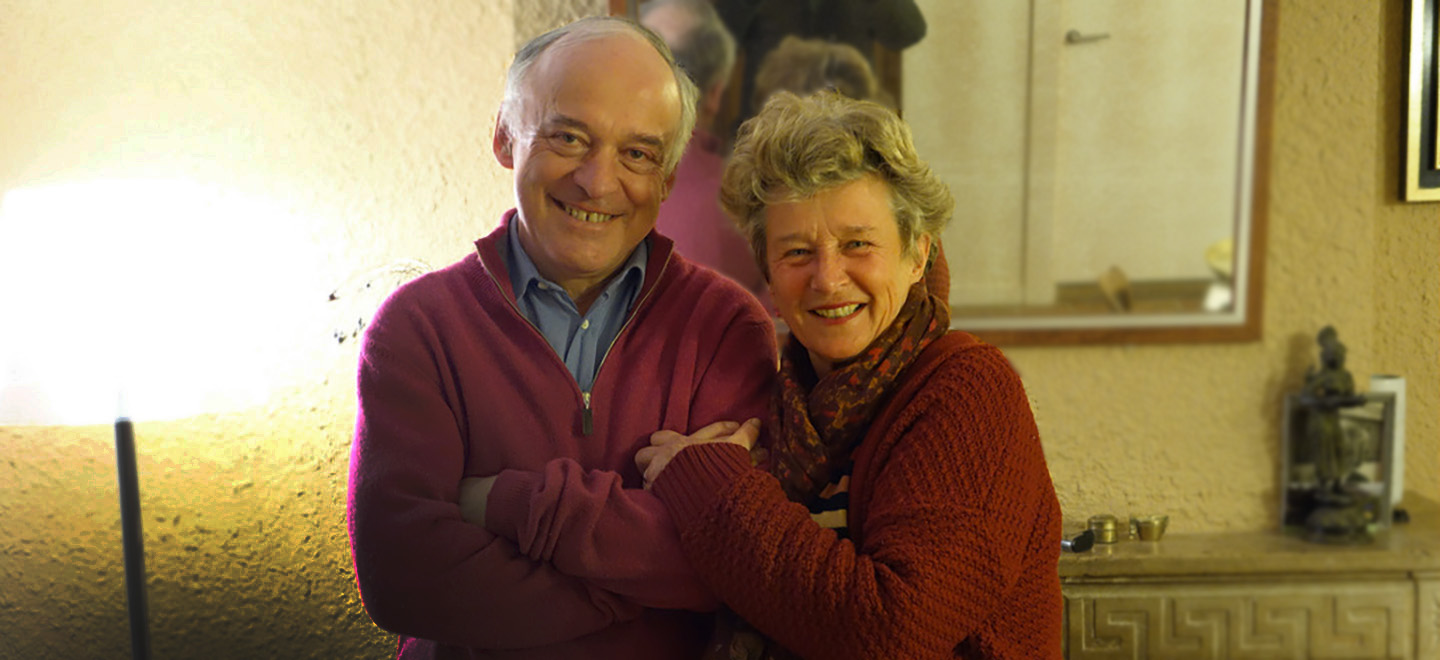 Region:
 -
Description:
Owned and run by winemaker Ignacio Valdera, Bermejos is on the easternmost island of Lanzarote. Only 125km from the African coast, conditions here are extreme. A volcanic explosion that lasted from 1730-1736 covered the entire island in lava and ash 3-5 meters deep. Consequently, each vine must be planted in a hole or hoyo that breaks through that infertile volcanic crust of petrified lava to the organic matter that can nourish it. The wind, which acts as a natural fungicide, is so ferocious that each hoyo is surrounded by rock walls for protection. The flora on Lanzarote – including the vines – cannot grow up very high; there are not enough nutrients in the soil to support sprawling greenery. Yields are miniscule (16 hL/ha) and each berry is concentrated with flavor. All vineyard work is done meticulously by hand. Some of the wines are certified organic, depending on the vintage. Ignacio supplements his crop with purchased fruit from growers who share his vision of sustainable viticulture; with such low yields the winery would have to own most of the land on the island in order to produce financially sustainable quantities of wine from exclusively proprietary grapes.
Image: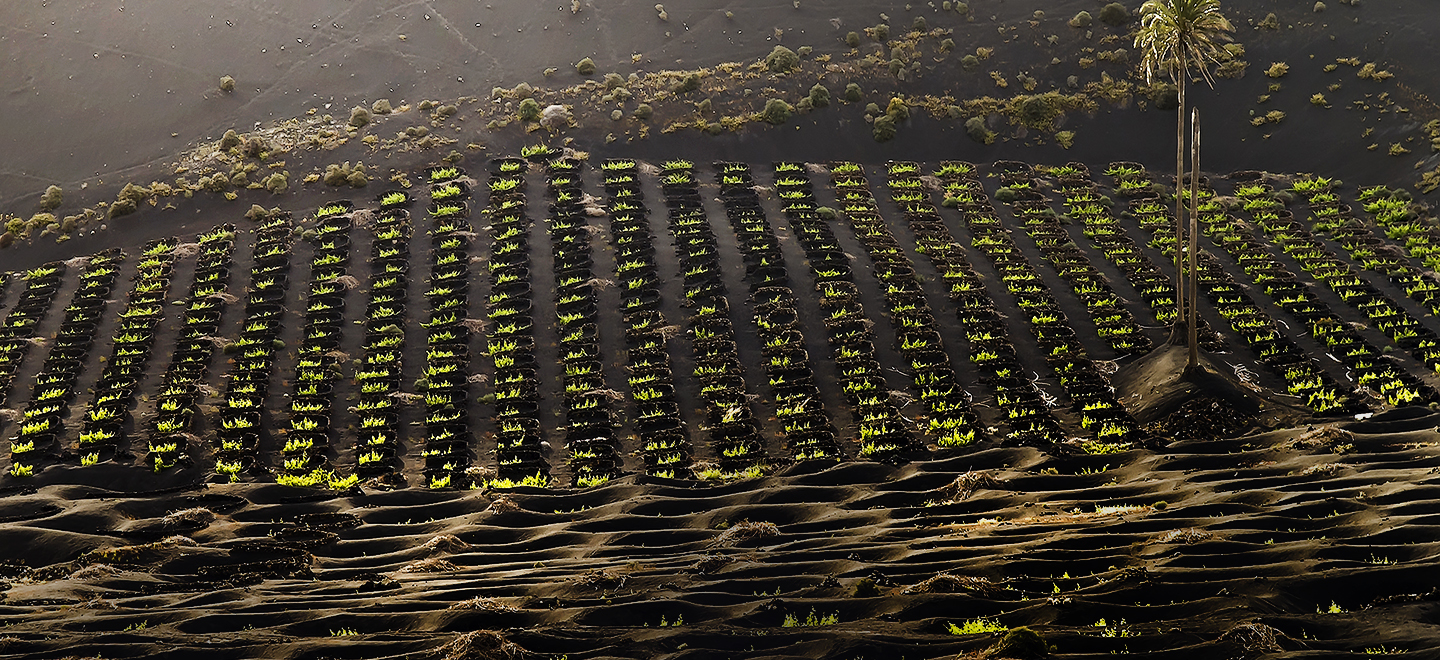 Region:
 -
Description:
For more information on Ludovic Chanson, please visit Selection Massale.
Available in California.
Image: Region:
 -
Description:
Luís Pato is one of Portugal’s most esteemed winemakers, carrying on generations of tradition in the heart of Bairrada. From his home at Quinta do Ribeirinho, he has helped shape the story of the region with both deep respect for heritage and a spirit of innovation. His work with Baga—the native grape of Bairrada—has been groundbreaking, putting it on the map as one of Portugal’s great varietals.
Today, he produces a wide range of wines, from sparkling to still, everyday favorites to bottles meant to be cellared for years. Each wine reflects the character of Bairrada alongside Luís’s elegant, creative touch. With decades of experience and a lifelong passion for native grapes, he remains a benchmark not just in Bairrada, but across all of Portugal.
This profile and tasting notes were edited from the GK Selections website, along with the pictures used. For more information please visit GK Selections
Image: Region:
 -
Description:
Domaine Luneau-Papin was founded in the 1990’s, uniting two wine-making families through the marriage of Pierre Luneau and Monique Papin. The Luneau family has been growing melon B (or melon de Bourgogne) in Le Landreau for over two centuries, and Monique’s parents ran their family estate in the town of Chapelle-Heulin. Pierre and Monique shared a passion for the region’s historic grape, melon B, and a commitment to elevating its esteem within the wine world.
They were pioneers in developing site specific Muscadet in the 1970’s - bottling three single-vineyard wines, L d’Or from vines planted on granite, Les Pierres Blanches from vines on gneiss and the Clos des Allées from vines on schist and mica schist, all with the goal of emphasizing that there is not just one style of Muscadet. In 2005, Pierre and Monique’s son, Pierre-Marie began working at the domaine and in 2008, Pierre-Marie’s wife, Marie, joined the team. Pierre and Monique retired in 2018, but the next generation remains dedicated to preserving and perpetuating the centuries-old traditions of these two families of vignerons in Muscadet Sèvre et Maine.
While the domaine has long abstained from using herbicides in the vineyards, a conversion to organics and biodynamics began under Pierre-Marie. Systemic treatments were eliminated in their vines in 2011. The conversion to organic agriculture began in 2013 and biodynamic conversion started in 2014. Luneau-Papin gained organic certification from Ecocert in 2018 and biodynamic certification from Demeter and Biodyvin in 2019. The two generations working together over ten years to make the full conversion to biodynamic agriculture was indispensable to be sure they were making the best decisions for the vines, the cellar, the team and for themselves.Image: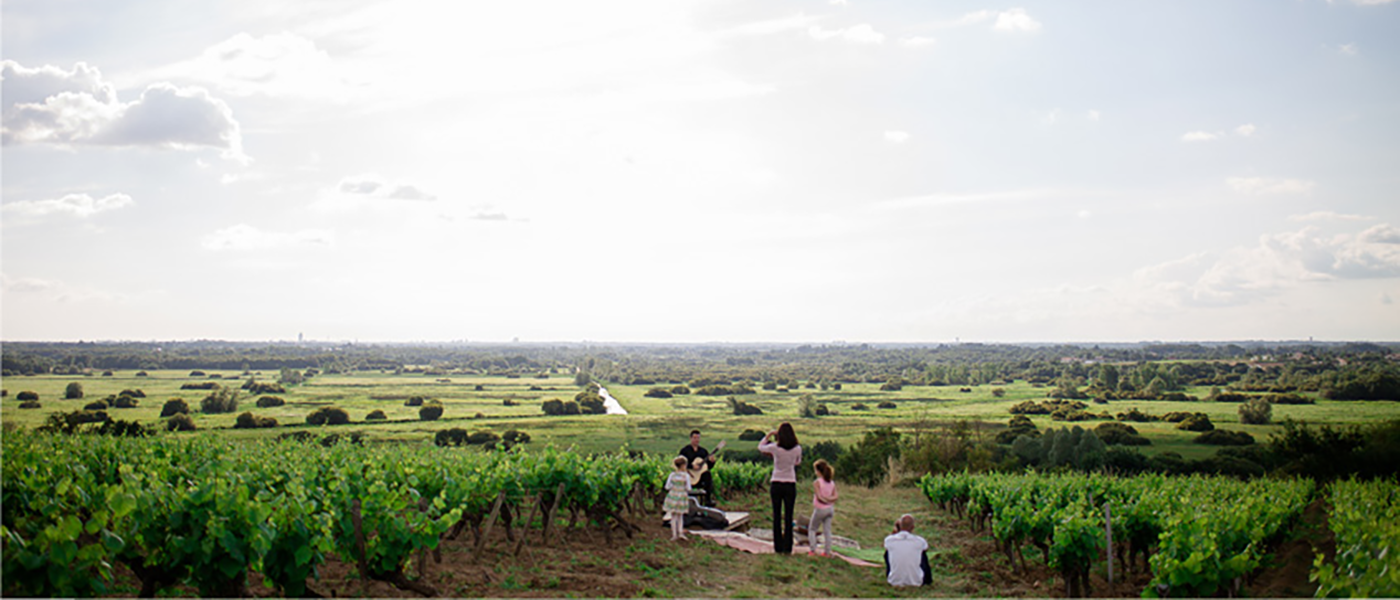 Region:
 -
Description:
Coming soon!
Image: Region:
 -
Description:Image:
 Region:
 -
Description:
Founder and master distiller, Tim Russell, had a passion for brewing beer and considered opening a brewery. He studied the business of brewing and the logistics of distribution in anticipation of working for himself. By 2011, Pennsylvania legalized craft distilling with the passage of PA HB 242. This new law allowed distillers to sell alcohol directly to customers, offer tours and samples, and sell at satellite locations. At the time, the only spirits produced in Pennsylvania were whiskey and vodka. Tim saw an opportunity to do something different, and he decided to go for it, opening the first distillery on Smallman Street in Pittsburgh’s historic Strip District. By 2013, Maggie’s Farm produced Pennsylvania’s first commercially available craft rum since Prohibition. The original set-up used a 75-gallon pot still and a 300-gallon dairy tank for fermentation.
Maggie’s grew into a 250-gallon pot still with 5,000 gallons of fermentation capacity by 2016. These stills, now in retirement, are still proudly on display at both the original distillery’s cocktail bar and rickhouse and at the new distillery in Pittsburgh’s South Hills neighborhood of Upper St. Clair. Tim’s unique approach to producing rum began to draw recognition almost immediately. Their rums are fermented and distilled from a base of raw turbinado sugar, giving them excellent balance and just enough richness. Now, It’s fair to say that Maggie’s Farm is the most awarded brand of rum made in the continental United States, with over 100 awards and commendations. That goes for Maggie’s Falernum liqueur as well, which was named best in category by the American Distilling institute, Liqueur of the year at the 2023 NOLA Spirits Competition, and awarded 95 points at the 2025 NY International Spirits Competition.
Image: Region:
 -
Description:
Charles Magnien’s family has been in Gevrey Chambertin since 1656, making Charles the twelfth generation at the helm. They have seven hectares of vines in some key vineyards: the grand cru Ruchottes, and premiers crus Lavaut Saint Jacques, Cazetiers and Champeaux. Charles also recently added a hectare further south in the grand cru of Corton and a premier cru in Aloxe-Corton in the Côte de Beaune.
The Magnien holdings in the famous Gevrey vineyards garner most of the attention and understandably so--but equally significant for them is their very old and special Pinot Noir vines. In 1850, the family discovered a unique Pinot Noir mutation in their vineyards. It even came to be named “Pinot Magnien” after the family. Pinot Magnien fruit from vines over 100 years old is part of not only their Gevrey-Chambertin Vieilles Vignes cuvée but also their premier cru Cazetiers. Whenever a vine needs to be replaced anywhere on the estate, it’s done with a massale selection from their Pinot Magnien. Fruit from vines adapted so closely to their specific terroir and climate over generations can yield the most compelling of wines.
Charles is an innovator. He took over from his father in 2009 and immediately began investing his energy and efforts in the vineyards. He follows organic farming practices (though will use a non-organic treatment when necessary). He bought two new tractors and started working with a higher canopy. He is experimenting with different techniques to combat frost. One is a giant fan blowing hot air over the vineyard; another is a coil running along the trellis wires to warm attached canes when the temperature drops too low. In 2018, Charles built a new cellar, giving him more space to work and allowing him to age the wines longer.
In the cellar, Charles does cold macerations for seven to ten days, then spontaneous fermentations in stainless steel tanks. Some vintages are destemmed completely, while others will include up to 40% of stems if they have ripened correctly (the exception being the “4 Carac’terres” that is made exclusively with whole clusters). As for barrels, Charles cares more about the origin of the oak than about barrel age. He does not want to make oaky wines but does care about oak’s ability to introduce some oxygen into them. The barrels in rotation in the cellar are generally new to two years old.
Charles is the first in the Magnien family to bottle their whole range, rather than selling off fruit or wine. Jasper Morris MW states in his book Inside Burgundy that Charles “makes a very good range of wines, with an exceptional Cazetiers.” William Kelley of the Wine Advocate writes “Charles Magnien continues his rapid ascent through the Burgundian firmament.” With well over ten vintages under his belt, he has led the Henri Magnien wines to be recognized as some of the best in Gevrey-Chambertin.
Image: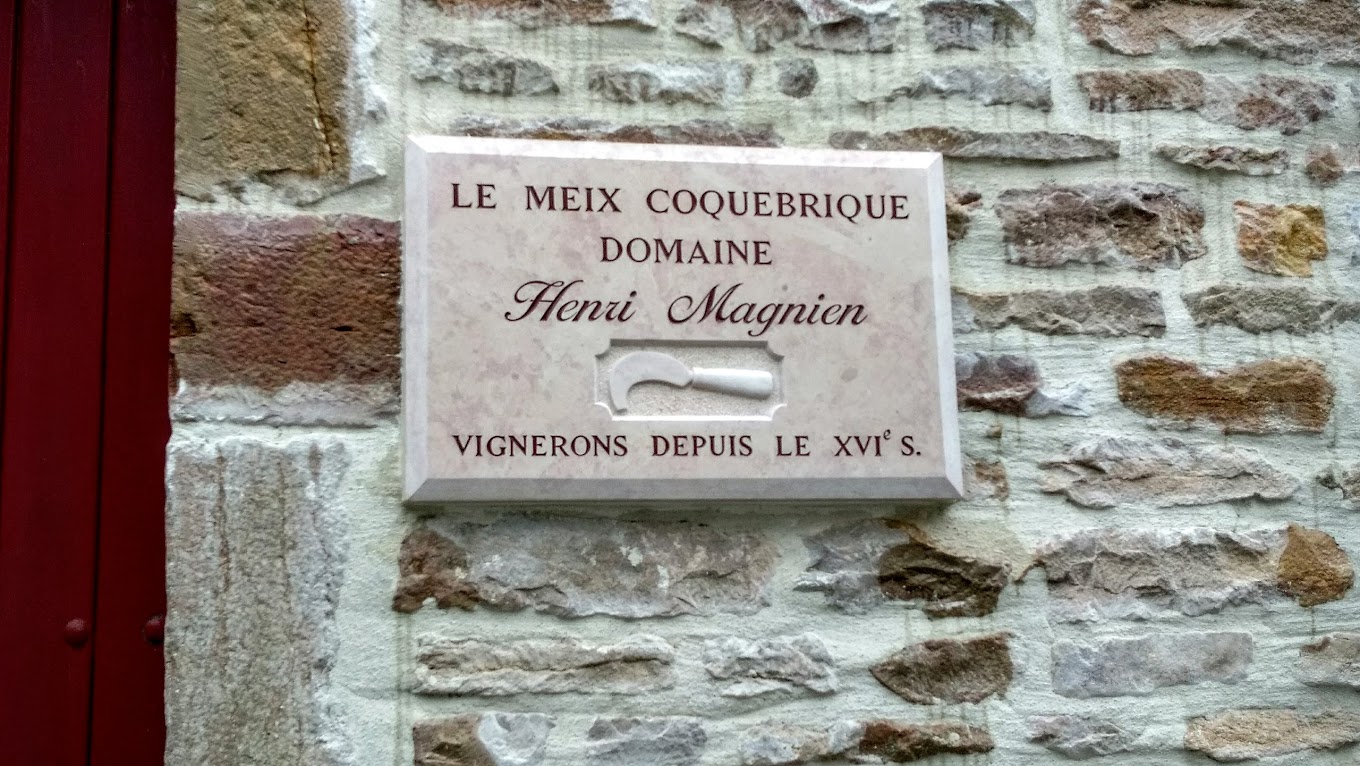 Region:
 -
Description:
The Spirit of Agave Brought to Life
A constantly rotating selection of small batch artisanal agave spirits.
At Maguey Melate they continiously scour Mexico for the finest small batch Agave Spirits from their home base in Oaxaca. After visiting over 200 palenques in search of the best handmade, artisanal Agave Spirits, they are debuting their fan favorites in New York.
So what are Agave Distilates? They are a subset of the agave spirits industry which are not certified as Mezcal, Raicilla, or Tequila by the regional agave spirits authority. By offering these traditional spirits as agave distillates, we support the smallest independent producers who do not have the means or will for certification.
Their focus is to introduce the world to these mezcaleros through their virtual experience that comes with each bottle. We let the mezcaleros tell their own story to give you all the information needed in order to truly appreciate what’s inside the bottle.
When we first met Dalton Kreiss and Dave Lather we knew Melate was an exceptional fit for Bowler Spirits. Education , sustainability and the nurturing of some of best mezcaleros from remote regions of Mexico.
To learn more about them, please visit www.magueymelate.com.
Image: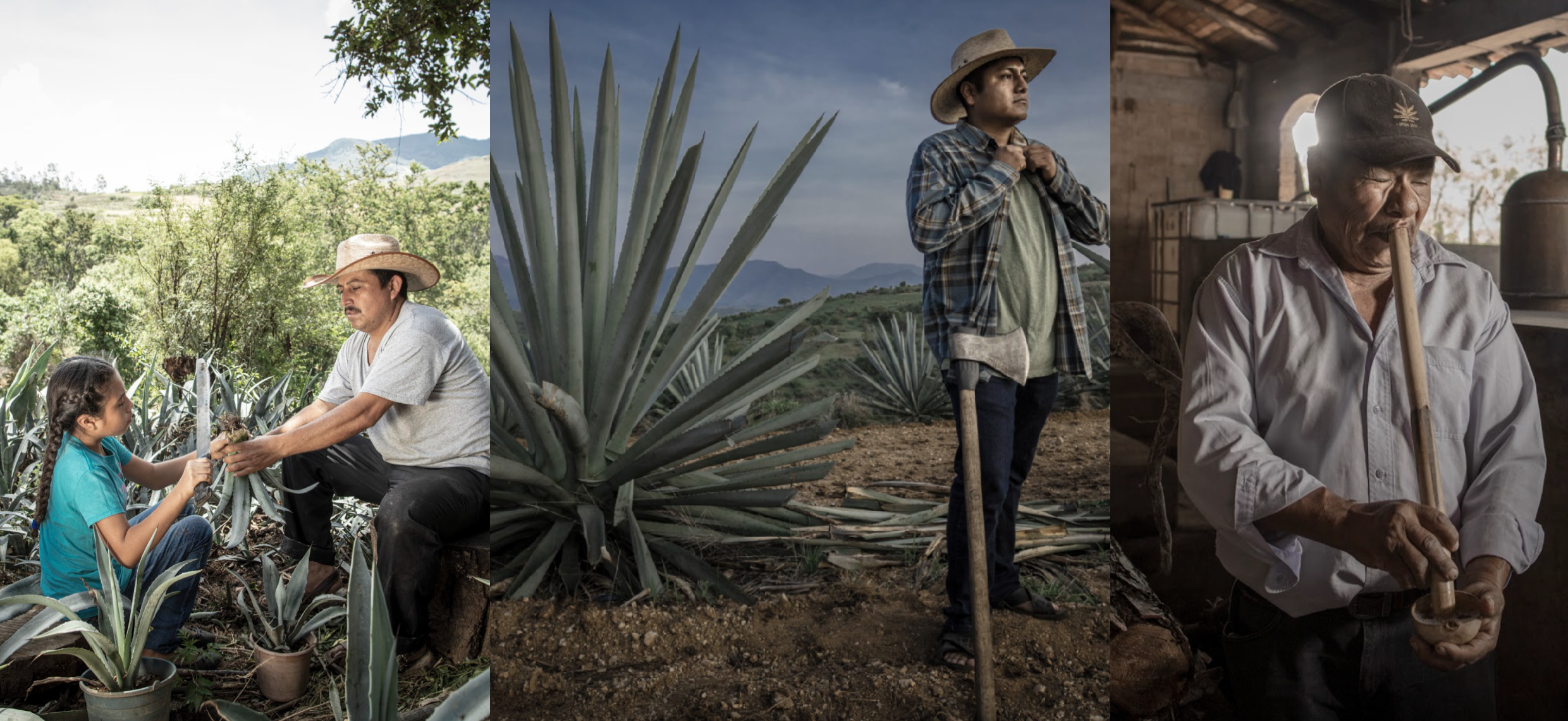 Region: