Producers
-
Description:
Introducing Revelador Artesanal Mezcal, from the first ever collaboration between famed Oaxacan Maestro Mezcalero “Don Goyo” and his son Rodrigo Martinez Mendes.
3 Mesquites is located in San Baltazar, Guelavila, Tlacolula, Oaxaca, Mexico. The 3 Mesquites paleñque is synonymous with award winning mezcals handcrafted by maestro Don Goyo. As a traditional artesanal paleñque, 3 Mesquites includes a single underground conical oven, four fermentation vats, two copper alembics, and one stone Tahona drawn by a horse named Satana. Set amid corn fields and agaves, 3 Mesquites was founded by Don Goyo 30 years ago. 3 Mesquites paleñque is a short walk away from where he and his son Rodrigo Martínez Méndez were born.
The process of handcrafting Revelador Artesanal Mezcal, consists of agaves harvested at the peak of maturity and roasted in 3 Mesquite’s underground conical oven using oak and mesquite firewood to heat volcanic rocks which are first covered in agave fibers (bagazo) and then layered with the agave piñas. The piñas are covered to retain moisture and the oven is sealed with earth to steam roast each agave to perfection for over 72 hours. Agaves are cooled for several days before proceeding to extraction by a horse-drawn stone Tahona. As the agaves release their sweet nectar under the weight of the stone Tahona wheel, the juices are collected and added to cured pine wood vats with the agave fibers (bagazo) for fermentation. The natural fermentation occurs over four to seven days using only natural yeast. While ambient temperature and humidity affect the actual fermentation time, the desired alcohol level is achieved and the fermented juices (must) and agave fibers are transferred to a copper alembic still for the first distillation. The first distillation is completed in about 3 hours, after which both tails (“colas”) and heads (“puntas”) are removed, keeping only the heart or body of the first distillate (“ordinario”). The ordinario from the first distillate is transferred back to a copper alembic still for the second distillation, which is completed in about 6 hours. The resulting mezcal is bottled at 47-48% abv.
Don Goyo and Rodrigo, along with 3 Mesquites are committed to sustainable practices that give back to the land for the bounty it provides. All of the agave fibers (bagazos), are composted for fertilizing the agave and corn fields, the waste water (vinazas) are recycled and used for adobes and fertilizing, while all of the firewood is reclaimed from fallen trees. Don Goyo has also begun to semi-cultivate all of the varietals used by 3 Mesquites in order to alleviate pressure on wild agave populations.
Image: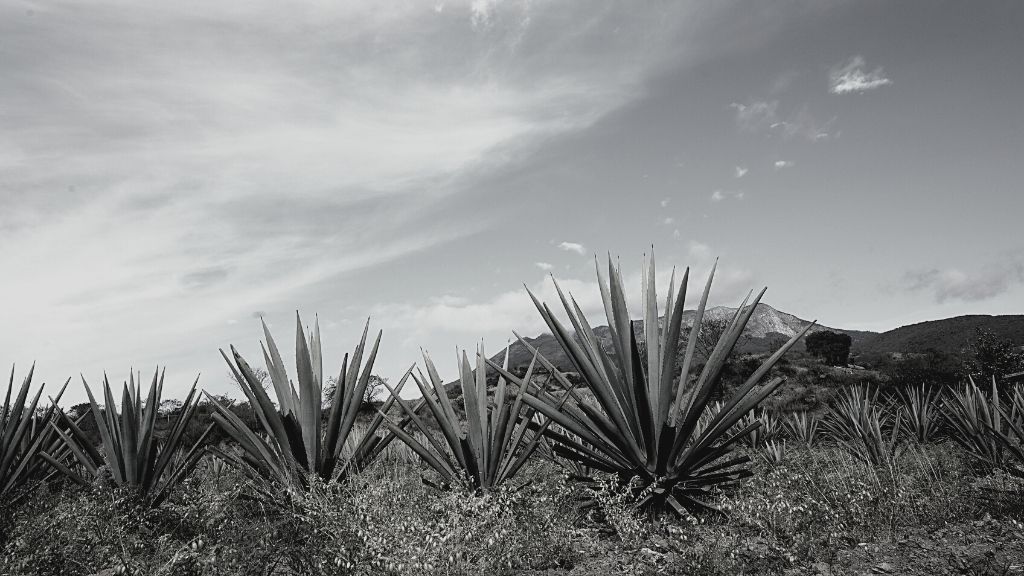 Region:
 -
Description:
Rivano is located in the village of Calasetta, on the island of Sant' Antioco, just off the coast of the extreme southwest corner of Sardegna. Angelo's family has been making wine for three generations for personal consumption and for barter and sale in their town. The first bottling of Intrigu produced for export beyond their immediate area was the 2015 vintage.
The 1-hectare vineyard of Carignano was planted in 1982, and has a southeast exposure with a high content of sand. Since phylloxera is unable to take root here, the bush vines are planted piede franco (ungrafted) at 6000 plants per hectare. Bush training helps protect the vines from the intense winds in the area. No herbicides are used, only manual weeding. Copper and sulfur are used for disease control; one light seasonal application of a pesticide may be used against the European grapevine moth. Only manure produced on the farm is used for fertilization.
Image: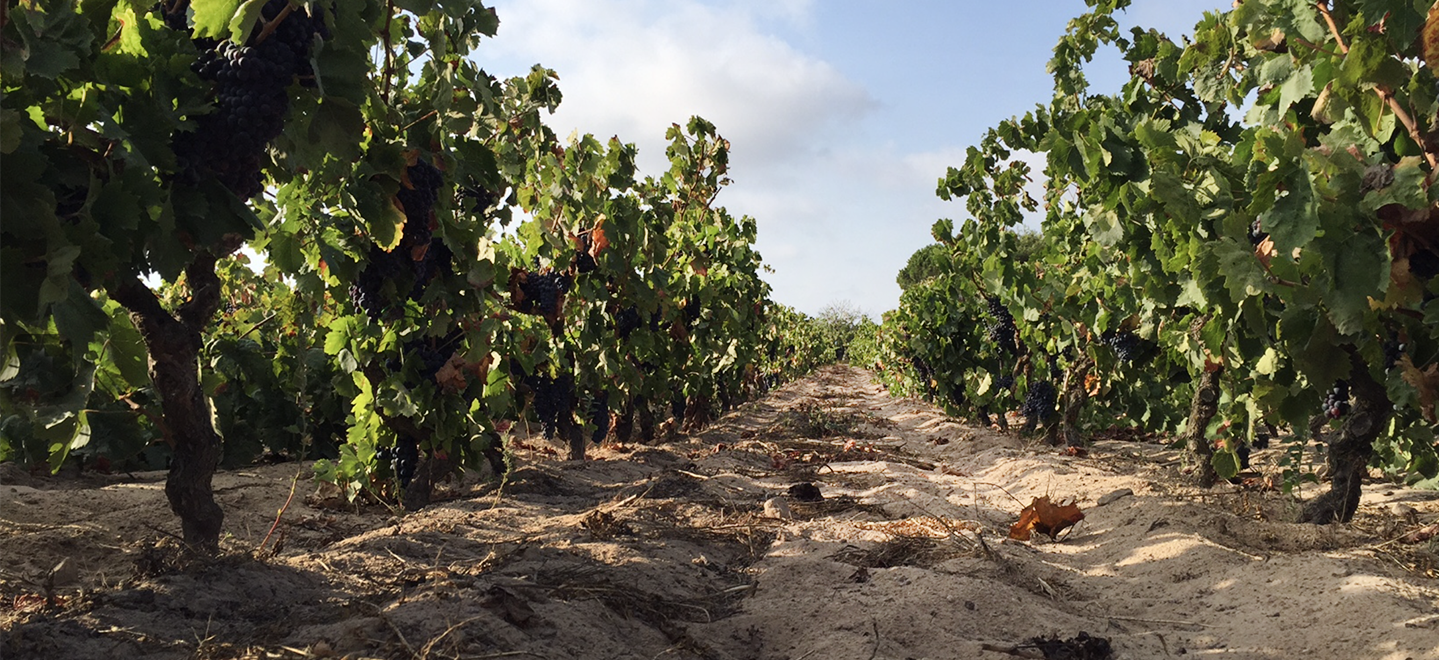 Region:
 -
Description:
Philippe Durand of Château Rocher Corbin is making some of the most exciting wines in the satellite appellation of Montagne-Saint-Emilion. His 10.5 hectares are in one block, perfectly situated on the western slope of Mount Calon, the highest point in the area. This vineyard site provides maximum exposure to the sun and a perfect natural irrigation with a sandy soil mixed with clay. The vines average 45 years-old and more than 15% of the vines are more than 80 years-old. There is a very special patch of pre-phylloxera Merlot that is 150 years old!
Philippe pours his efforts into getting the very best fruit. He was among the very first in the area to apply sustainable agriculture, including ground covers, de-budding, short pruning and leaf removal. Today, he has begun the certification process for organic agriculture, although he has been farming organically for years. His vineyards are full of life, with long grass and wild clover. The grapes are hand-harvested in 10-kilo baskets to avoid damage, then sorted manually before de-stemming to eliminate any small withered berries. Finally, an additional manual sorting of each berry is done after de-stemming to ensure that no stems remain. He’s mostly using cement for fermentation, but he’s doing a small amount of fermentation in barrel too. Fermentations are spontaneous. Over the years, he’s worked with using as little sulfur as possible and since 2017, the wines have been sulfur free. Wines are aged for 12 to 14 months in oak, with an average of 50% new oak. The wines are characterized by bright fruit, fine tannins and floral aromatics that give this wine elegance.
Image: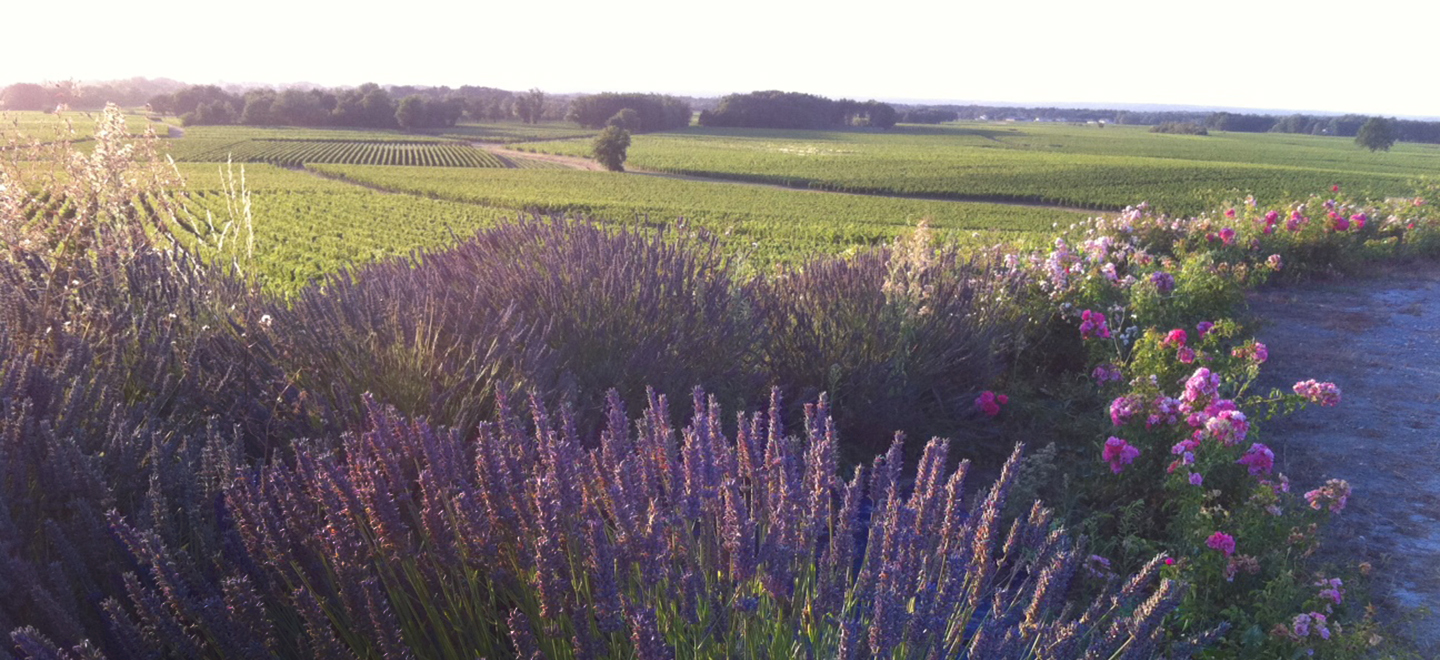 Region:
 -
Description:
Domaine de la Rochette has been in Vincent Leclair's family for four generations. Upon taking over the fifty hectares of vines from his father in 2014, Leclair made some changes in the vineyard management. He kept grass in the rows and stopped using insecticides, instead opting for sexual confusion horomones. He invested in new tractors that are much more precise in their applications and it allowed him to reduce his treatments by 50%. Although he likes the idea of organic farming, it's very challenging because Touraine gets a lot of rain and there is mildew pressure. For his plots in the Chenonceaux vineyard, he is organic. Treatments for mildew in the other vineyards are done as sparingly as possible and the winery is certified sustainable with HVE3.
The domaine is located in Pouillé, a small wine village on the Cher River in the heart of the Loire Valley. The vineyards are located on the slopes of the Cher river and benefit from a semi-continental climate on multiple terroirs and “perruche” (made of clay with flint, silica and gravel). He also has some vineyards on the plateau which has more clay. Most of the parcels, especially for the Sauvignon, are in the “première Côtes” with a beautiful exposure and and rather steep slopes, perfect for natural drainage.
Leclair only works with fruit from his own vineyards. He makes an assortment of wines ranging from Gamay, Pinot Noir, Pineau d'Aunis and sparking Chenin Blanc. The majority of his vines are Sauvignon Blanc, representing twenty of the fifty hectares. Domaine de la Rochette was also one of the first twelve wineries making wine in the new Chenonceaux appellation, established in 2011. In the cellar, Leclair works with a pneumatic press and temperature controlled stainless steel tanks, allowing him to make transparent wines that showcase the terroir.
When we met with Leclair in 2018, we had the chance to discuss the the reason that Touraine Sauvignon is such a different expression compared to Sancerre, 85 miles east of Pouillé. First, of course, the soil is different, with Kimmeridgian limestone and clay soils in Sancerre. The climate is also different, Touraine tends to be warmer by a few degrees. Yields are smaller in Touraine. The legal limit is 50hl/ha in Touraine compared to 65hl/ha in Sancerre. And Leclair said that they tend to harvest later in Touraine compared to Sancerre where they do not want to take the risk of bad weather with a later harvest. Sauvignon from Touraine has softer edges, less aggressive aromatics, ample fruit that is balanced with minerality. The Touraine Sauvignon from Rochette is a wonderful example of the best that Touraine has to offer and the Chenonceaux is not to be missed!
Image: Region:
 -
Description:
Rogue Vine is a project led by Leo Erazo— along with his partner Justin Decker. They make wines from two different subregions of the Itata Valley. All the vineyards are composed of hillside, dry-farmed bush-vines that are a minimum of sixty years old, with some older than three hundred. The soils are primarily composed of granite with a mix of clay and quartz. The winemaking is simple and employs native yeast, old barrels, no corrections, and minimal sulfur prior to bottling. Itata Valley’s viticulture is primarily practiced through horse plowing and hand farming.
Rogue Vine’s ethos is to promote the rich history of this long neglected and local farming community.
This profile and tasting notes were edited from the Brazos Wine website, along with the pictures used. For more information please visit: Brazos
Image: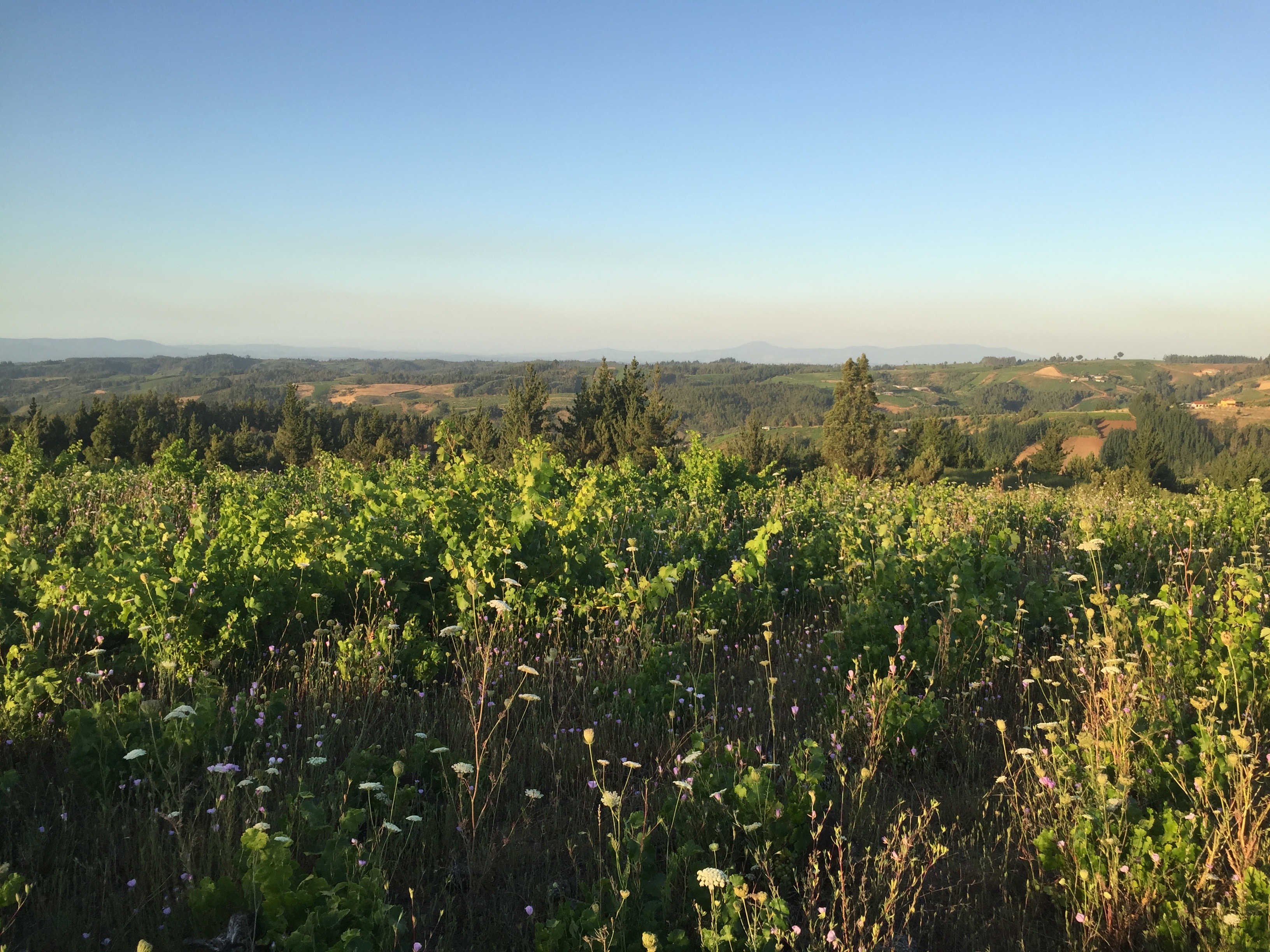 Region:
 -
Description:
Rose & Son is a Santa Barbara County-based winery founded by Jonathan Rosenson alongside winemaker Mike Roth. The winery is named in honor of Jonathan's father, Bernie Rosenson, who immigrated to the United States from France after the Second World War and built a decades-long career in California's hospitality industry. Growing up around the restaurant business in Los Angeles, Jonathan followed a similar path, building his own career in restaurants, hotels, and wine.
Jonathan and his family own Coquelicot Vineyard in the Los Olivos AVA of Santa Ynez Valley, the sole source of fruit for Rose & Son. Originally planted in 1997 and acquired by the Rosenson family in 2005, the vineyard has been CCOF-certified organic since 2015. The south-facing site's warm days, cooled by Pacific breezes, and gravelly Ballard series sandy loam soils contribute to the freshness, bright acidity, and natural balance of the wines.
The wines are crafted by Mike Roth, whose experience includes Grgich Hills, Demetria, and his own Lo-Fi Wines. At Rose & Son, Roth follows a similarly restrained philosophy, utilizing certified organic fruit, native yeast fermentations, aging in neutral vessels, and no additions beyond a small amount of sulfur before bottling. The resulting wines are vibrant and textured, expressing the character of Coquelicot Vineyard while emphasizing balance, a sense of place, and drinkability over power.
Image: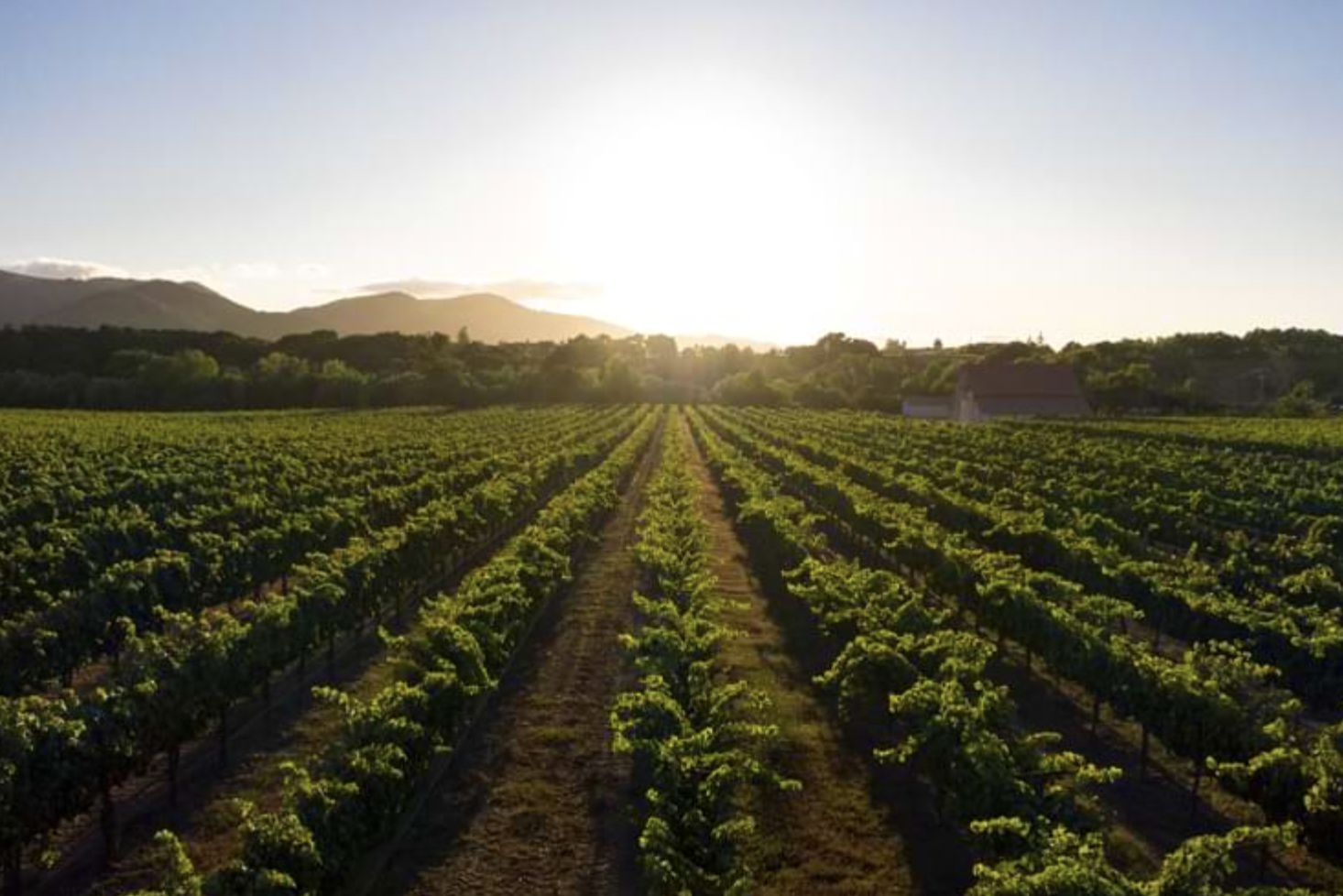 Region:
 -
Description:
Florent Rouanet was born and raised in the tiny village of Aragon in southern France, a community of just 400 residents. His family has farmed vineyards there for four generations, but Florent is the first to estate-bottle wines under his own label.
Before returning to the family vineyards, Florent enjoyed a successful career as a professional rugby player with Carcassonne, helping the club win three French Championships. He also spent a season with the French national team in 2015. Five years ago, he returned home to focus on viticulture and winemaking. Today, Florent farms his family’s vineyards and produces two white wines and two red wines. Wanting to add a sparkling wine to his portfolio, he created “La Belle” Crémant de Limoux. Because his winery lies just outside the Limoux appellation boundaries, he purchases grapes and produces the wine within the appellation.
Image: Region:
 -
Description:
Thank you to Saetti importer Louis/Dressner for this estate profile:
(Click here for more on Louis/Dressner's website and here for Saetti's website)
Luciano Saetti makes stunning, evocative Lambrusco just outside of Modena. He is of a generation that decided to return to traditional methods and eschew modern practices that contributed to Lambrusco's poor reputation. The 2.8 hectares of vines he works were planted by his family in 1964. Prior to his taking over, they sold off most of their fruit to the local coop.
Luciano, however, thought that they could do better and so after a successful first career as an egg distributor in Modena, he founded Vigneto Saetti in 1998. He saw the value in the family’s old vines of a particular local strain of the Lambrusco grape called Salamino di Santa Croce. It’s thick-skinned, tight-bunched, darker-colored and higher in natural acidity than some other more common varieties of Lambrusco.
He works completely organically (certified) in order to not upset the natural harmony of the vineyard. Everything is meticulously sorted and hand harvested. Grapes are destemmed and crushed in the vines to maintain freshness. Importantly, the wines undergo secondary fermentation in the bottle. This process had become increasingly rare in the region because many producers were seduced by modern technology associated with the charmat method which allowed for easier production of sparkling wine. Saetti’s second fermentation is initiated by the addition of fresh grape must in the spring following the vintage, and is fermented to dryness. The bottles are riddled and disgorged by hand.
Over the years, as Luciano gained better understanding of the vines and noticed the quality of fruit improve, the estate made the decision in 2007 to forgo the use of sulfur at any point in the vinification process.
For Luciano: “Producing wine without the help of chemical preservatives cannot be identified simply as an alternative winemaking method, but it becomes a real production philosophy, which requires a lot of dedication, patience and above all passion. The absence of sulfur dioxide is recognized at the first sip, through the fragrance of the fruits in the glass, you can perceive the flavor of the freshly picked bunch, the roughness and bitterness of the skin immediately reached by the sweetness of its pulp.”
We are thrilled to be working with Luciano, a humble dedicated winemaker.
Image: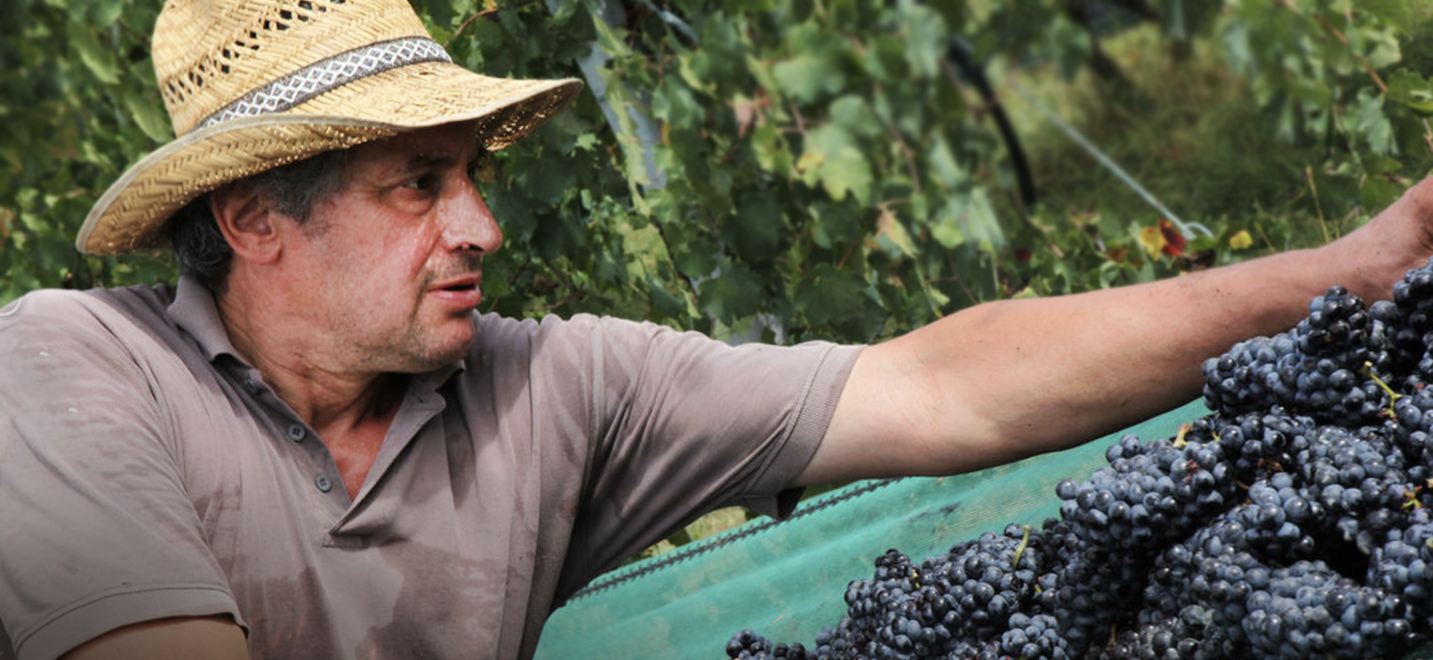 Region:
 -
Description:
Château Siran has long been recognized as one of the top estates in Margaux. The property has been in the Miailhe family for six generations– a total of 160 years. Today, the property covers 88 hectares, with 38 hectares planted to vines. The other fifty hectares are left as woods and meadows, for their beauty and to promote biodiversity, a priority of the Siran team.
The majority of Chateau Siran’s vines are planted in the commune of Margaux, but they also have a very special 11 hectare parcel on the border, which is classified as Bordeaux Superieur and bottled as “Saint-Jacques de Siran”. The terroir here has clay topsoil over the famous Bordeaux sandy gravel subsoil. The vines are planted at a density of 5,000 vines per hectare and average 25 years old. The Miailhe family has practiced sustainable agriculture since 2000 and the vineyards have been certified sustainable, HVE3 since 2018. Only organic fertilizers are used and they work with grass cover and plowing to control weeds. The fermentation happens in stainless steel tanks and the wine is aged for twelve months in French oak.
Image: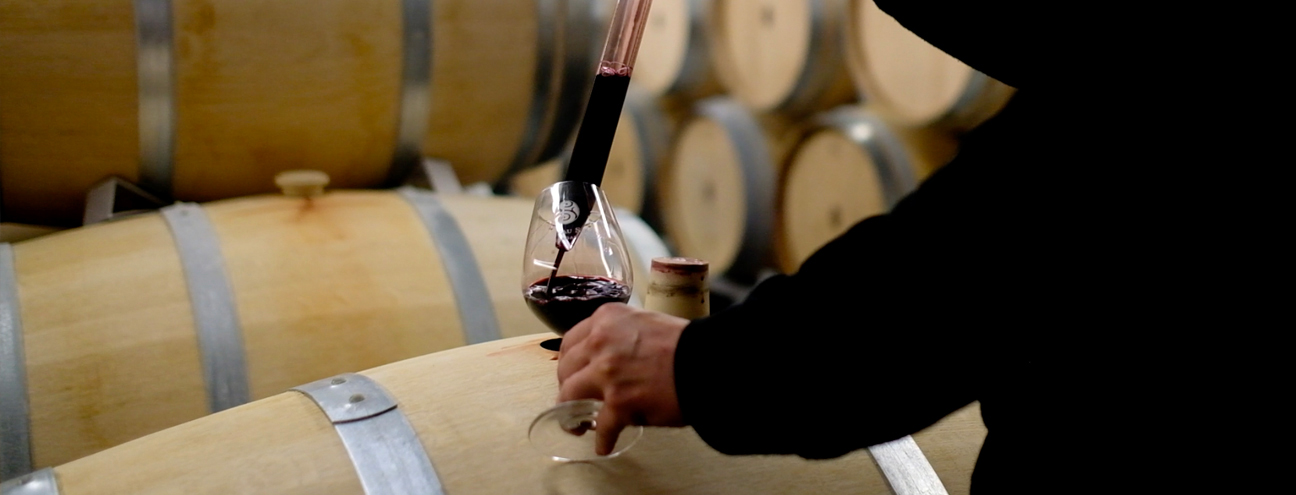 Region:
 -
Description:
"....the Holy Grail of Sangiovese purity...” —Monica Larner, The Wine Advocate
Salicutti is located in the southeastern corridor of Montalcino, home to some of the denomination’s most historic, respected, and classic-leaning wineries. It was Montalcino’s first certified organic estate, with certification happening in 1996. The high-altitude site, which has never seen synthetic chemicals, comprises 11 hectares (4.5ha of vines and the rest woods and olives). The vineyards are all contiguous to the farmhouse, which is perched on a ridge with stunning views, including of Monte Amiata, Tuscany’s largest extinct volcano.
Today Salicutti is in the capable hands of Sabine and Felix Eichbauer. Sabine is an architect and Felix and his family own Tantris Maison Culinaire, a two-Michelin-starred restaurant in Munich. They fell in love with Salicutti--the place and its wines--as long-time clients of the estate, and in 2015 purchased it from Francesco Leanza. With no heirs, Leanza preferred to “walk out of the winery, not be carried out.” He stayed on for three years to guide the Eichbauers. Along with producers Stella di Campalto and Pian dell’Orino, he left the Brunello consorzio, forming a trio affectionately known as SpA (“Sangiovese per Amico”), which was committed to studying Montalcino’s varying terroirs. The work of the SpA has left its mark; there are the rumblings that Montalcino producers are considering naming official sub-zones. The Eichbauers have since returned to the consorzio, to push for change from within.
“When you assume responsibility for something already so amazing, what room is there to grow and improve?” It’s a question that looms large for the Eichbauers as they continue to cultivate Salicutti’s evolution. One of their first significant impacts was the preference to make three single-vineyard Brunello di Montalcino wines. Sorgente, the parcel that used to produce the estate's Rosso di Montalcino, is now Brunello. They introduced the third Brunello from Teatro, a micro amphiteatre at 520m, a "cru within the cru" of Piaggione. Teatro is made in tiny quantities in select vintages as a de facto Riserva, released a year after Sorgente and Piaggione. With the assistance of the esteemed biodynamics ‘guru,’ Adriano Zago, conversion began in 2018, with Demeter biodynamic certification obtained in 2022. The land is increasingly self-sufficient, with hydro-powered electricity, in-house composting, a rich forest, beehives, pigs, chickens, and a vegetable garden. A new, larger cellar has been completed, with Sabine’s architectural and design flourishes. They've replaced stainless steel vessels with concrete. They've phased out any small barrels (Leanza used to started aging in tonneaux before moving the wine to large cask). And there are some new goodies coming out of the cellar: an anfora-aged IGT Sangiovese made only in magnum, a red vermouth (made from Sangiovese, of course), and--surprise, surprise--the return of a Rosso di Montalcino selected from the three crus. In exceptional vintages the Rosso will be elevated to Brunello 'normale' status. It seems the best is yet to come. The wines of Salicutti are striking in their mineral, red-fruited intensity, and their push and pull between power and grace. The winery produces about 15,000 bottles in an abundant year.
Image: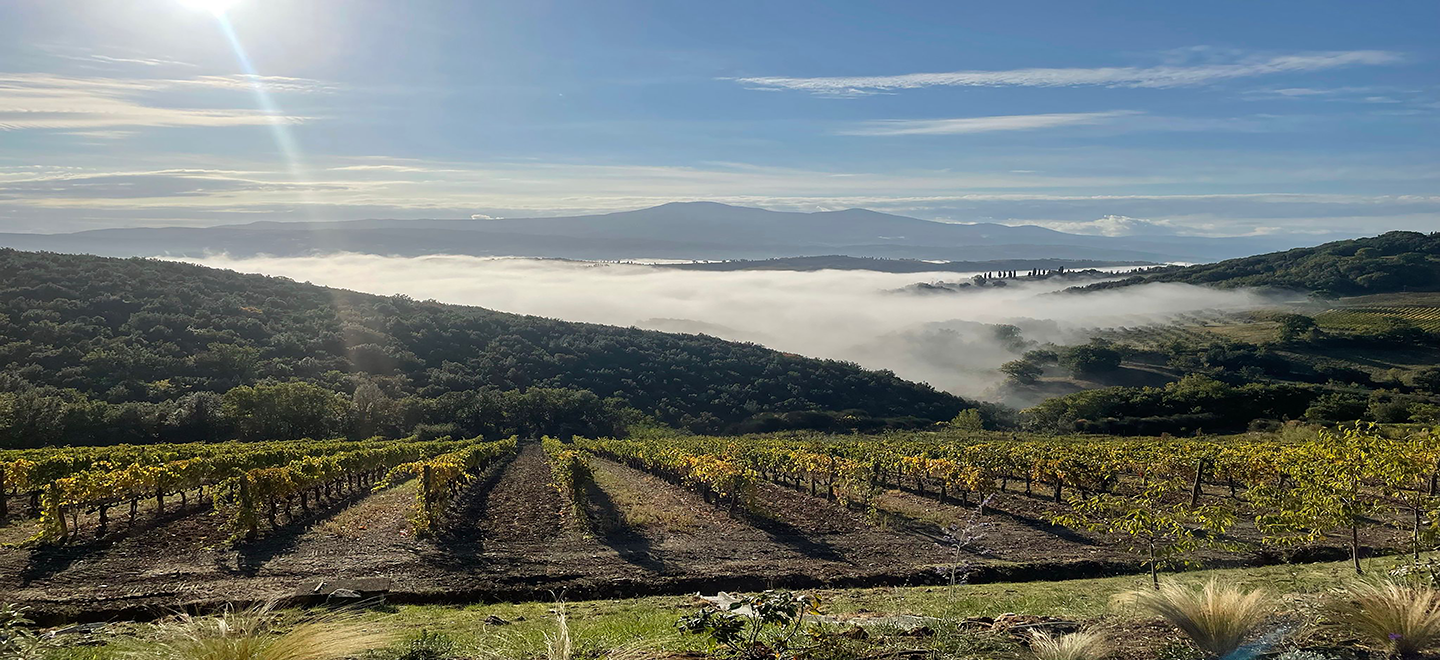 Region: