Producers
-
Description:
In 1888, Angel Furlotti left his small village outside Parma to establish new roots—both figuratively and literally—in Argentina. After working in established vineyards and purchasing land, Angel achieved his dream of building his own winery in 1914. By the 1950s, the Furlotti family owned one of Argentina’s largest vineyard portfolios, with ten separate properties totaling over 2,000 hectares. Over time, many of these were sold off, around the time his great-granddaughter Gabriela was born in 1968.
Though Gabriela wasn’t initially captivated by the scale of wine production she grew up around, one parcel, Finca Adalgisa—originally her maternal grandmother’s—captured her interest. She turned it into a charming bed & breakfast in 2000, and soon after revived a small, historic Furlotti winery in Luján de Cuyo. From these storied parcels, Gabriela produces a rustic, unfiltered malbec that embodies her family’s legacy with the help of local winemaking legend Carmelo Patti.
This old-vine malbec reflects Mendoza's terroir, bursting with deep, dark berry fruit. With each sip, you may catch a hint of the Furlotti family’s past or simply lose yourself in the lush flavors and robust character that have been carefully nurtured over generations.
This profile and tasting notes were edited from the Brazos Wine website, along with the pictures used. For more information please visit: Brazos
Image: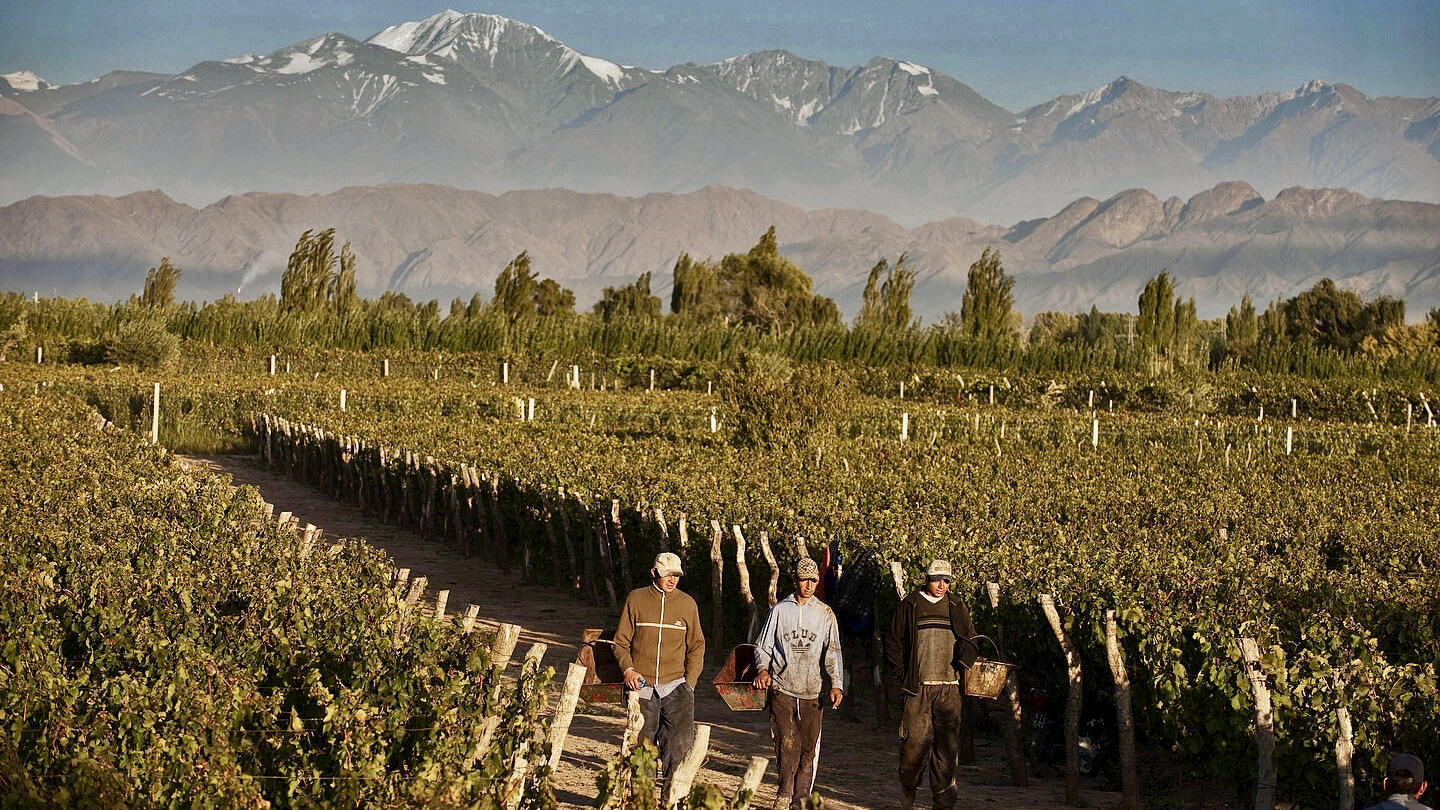 Region:
 -
Description:
Isabel Ferrando’s reputation for outstanding wines has grown every vintage since her first release in 2003. She launched Domaine Saint-Préfert with 13.2 hectares, purchased from the Serre family, one of the first to estate-bottle in the appellation in the 1930’s. This is the heart of the winery, a single parcel called Les Serres, south of the village of Châteauneuf-du-Pape. It’s one of the hottest areas in the appellation, but Ferrando manages to coax ethereal wines from this site. Under the Saint Prefert name, she had bottled three wines from Les Serres, “Giraud”, “Auguste Favier” and a classic Chateauneuf-du-Pape. The next year she purchased vines in the north of the appellation and started making the 100% Grenache cuvée Colombis, primarily from the lieux-dit of Colombis, with sandy soil.
After studying her parcels for more than 15 years Ferrando started a new chapter with the release of the 2020 vintage. She decided to lean into the tradition of blending in Chateauneuf-du-Pape, making a single wine from Les Serres, and it’s now the flagship of the estate. She continues to make “Colombis” as well as her Cotes-du-Rhone, and two white Chateauneuf-du-Papes, including the very limited Vieilles Clairettes in magnum. Now, all of Ferrando’s wines are bottled under the name Famille Isabel Ferrando. In 2023, Isabel’s daughter, Guillemette joined the family winery.
Ferrando has always farmed organically and starting in 2019, the vineyards are being managed following biodynamic methods (certified in 2022). She has very old vines in her holdings: the Grenache vines average more than 70 years old, and she still has some of the original Mourvèdre that was planted in the 1920’s. Les Serres has the famous galets stones on the top soil, and the subsoil has layers of blue clay and stones.
In 2022, Ferrando built a new winery with an assortment of cement vats for primary fermentations and blending. Fermentations start naturally with yeasts on the grapes and she works with whole-cluster fermentations on the Chateauneuf-du-Papes. In the cellar, Ferrando works primarily with neutral demi-muids, but she has also introduced some glass demi-johns, Stockinger foudres, and amphora.
Ferrando has been courageous from the start. Chateauneuf-du-Pape is a small town and even though she grew up in the south, about thirty minutes away, she was still viewed as an outsider. Henri Bonneau took her under his wing as her mentor and encouraged her to make wines in her own style. Over the years, she has made changes, some big, some small but as Jeb Dunnuck noted after tasting the new wines, “…one thing that remains constant is the incredible quality that continues to emerge from this talented winemaker.” These are truly unique expressions of Chateauneuf-du-Pape and it’s fair to say Isabel Ferrando is at the top of her game.
Image: Region:
 -
Description:
The Négrels are one of the oldest family wineries in Provence. They have been running Mas de Cadenet since 1813 in the Côtes de Provence Sainte-Victoire appellation. Sainte-Victoire is famous for its structured and mineral rosé. Rosé production is historically very important in this region and represents 60% of the Négrel family’s total production. The Négrels own land exclusively in the Sainte-Victoire Cru, and they wanted to make a regional Côtes de Provence rosé. In 2011, Mathieu Négrel and his sister Maud Négrel decided to purchase fruit from just outside the Sainte-Victoire border. They work exclusively with certified organic growers and bottle the wines from purchased fruit under the Famille Négrel label. The 'Nuit Blanche' rosé is a classic, with its light pink hue, delicate berry fruits, and stony mid-palate.
For more information on Mas de Cadenet, please click here.
Image: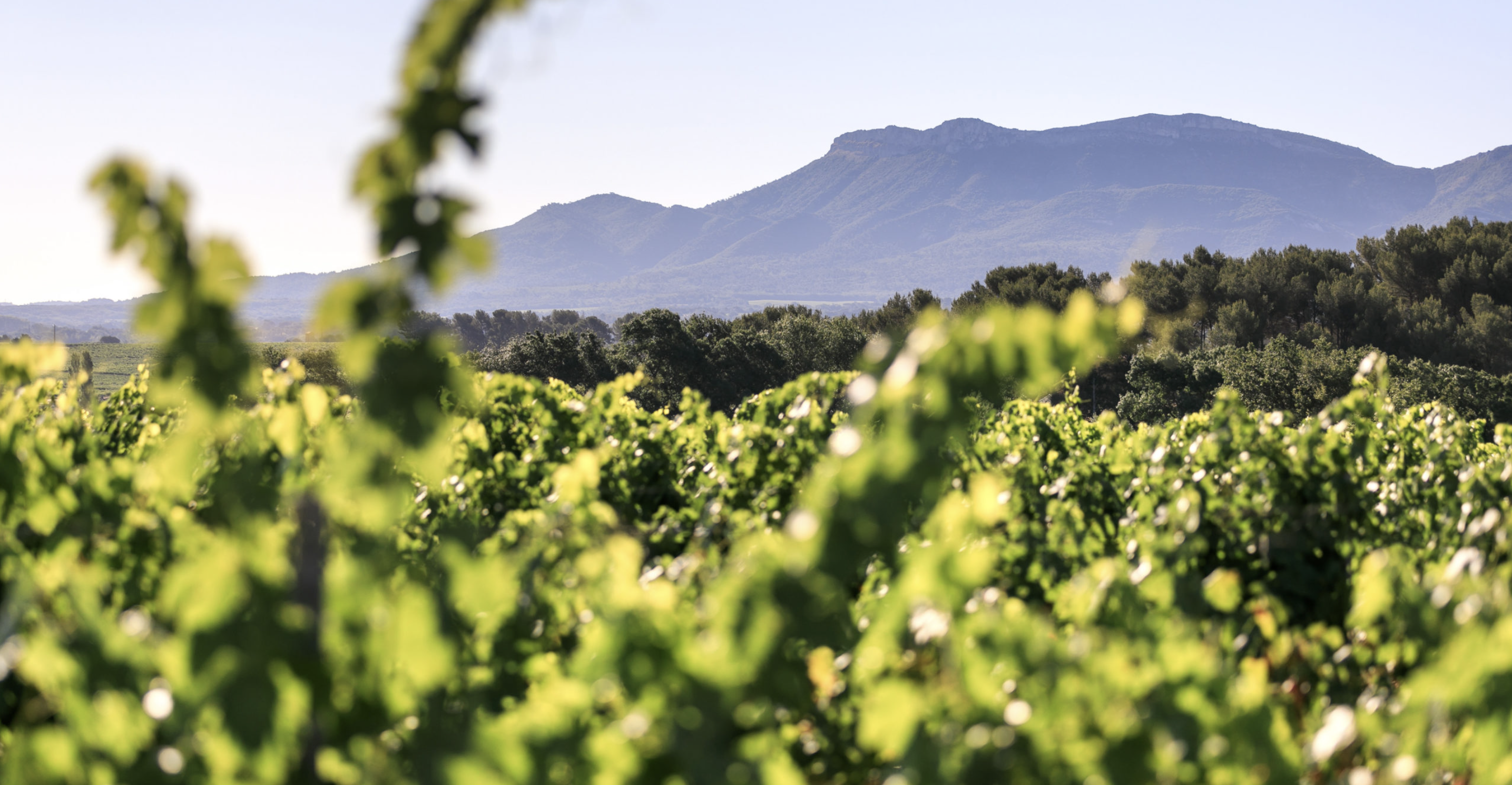 Region:
 -
Description:
"Cognac: The New Wave”.
The cognacs they present are the product of the imagination and hard work of a handful of men and women representing the new generation of cognac producers. With a perfect command of the appellation's codes and traditions, they innovate and set themselves apart with products designed for the experience of connoisseurs and consumers alike. They bring diversity, surprise, pleasure and uniqueness to the category, because they share strong humanist and environmental values, and all have a taste for the long haul.”
Fanny’s family are 4 generations of cognac winemakers and distillers. The Cognacs were usually used in the blends of the big players. Fanny decided to create her own brand in 2013, to value the families’ traditions.
Fannys family owns 14 plots of Ugni Blanc. Four plots in Saint-Bris-des-bois and ten plots in Burie, Cru BORDERIES.
Traditionally, Cognac is the product of a blend of different vintages and/or ages. When Fanny created her brand, she decided to do things differently:
She decided to isolate, vinify and then distill her parcels separately, in order to select only the quintessence of each cru and, above all, to reveal the typicity of each terroir. So that each cuvée has its own unique character.”Her Cognacs are all very distinct micro-provenances of the vineyard. Then distilled and matured individually
She elaborates Cognacs, revealing the identity of their wines and their terroir.
These are winemaker and distiller’s cognacs with no artificial coloring or sugars added.
BOWLER E-Zine Issue 2 | Q1 2021: A Spirit’s Sense of Place: Fanny Fougerat - Cognac, France
Image: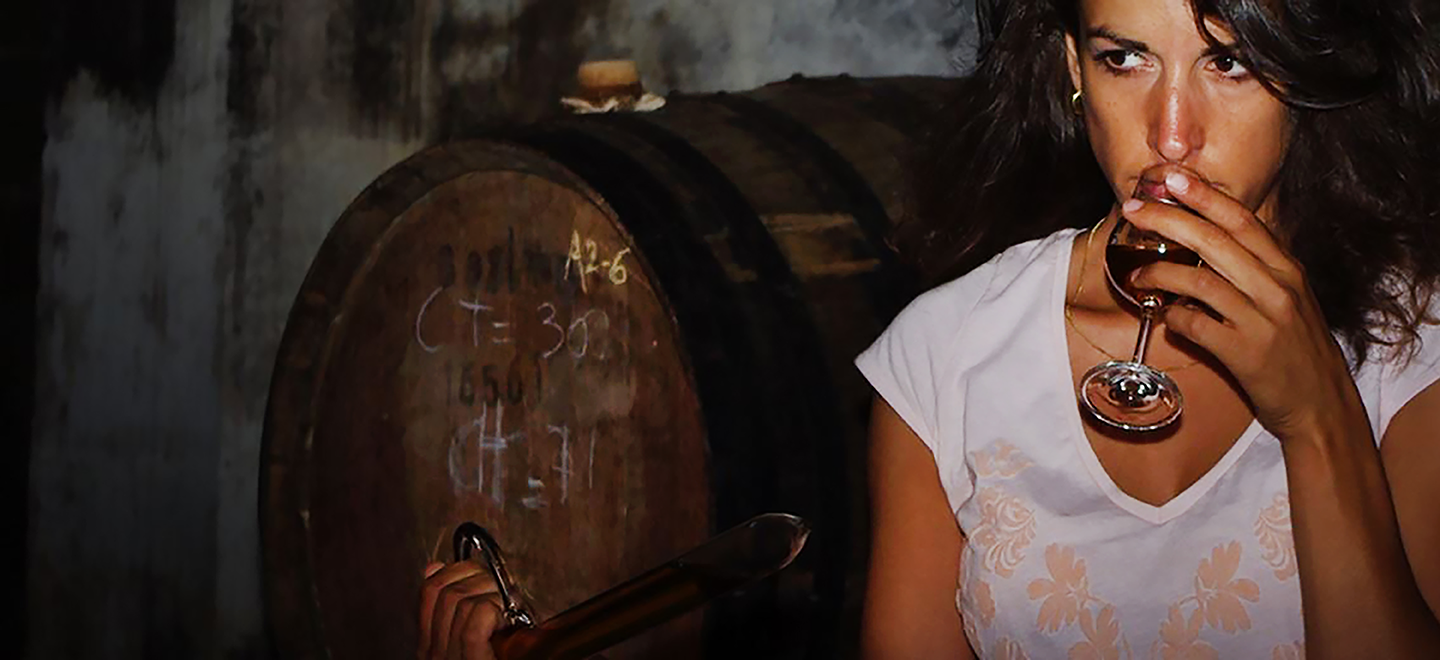 Region:
 -
Description:
The terroir of Ribeira Sacra is not as ancient as you might think. What little flat land that may have once existed here was submerged with the damming of the Sil and Miño well over 40 years ago. During that time, Spain was also witnessing a mass migration from rural areas into the cities. In places like Ribeira Sacra, only the warmest and driest vineyards remained cultivated – those with southern and western exposures. As the valleys were transformed into lakes, however, the microclimate here gradually changed. Morning fogs became more common, nighttime temperatures increased, and the amount of light reflecting off the water made the formerly “best” spots just a little too warm for the region’s indigenous varietals. Recently several young growers started looking to those long abandoned, unheralded, and under-appreciated sites: north- or east-facing, randomly planted, difficult to farm, and difficult to reach.
Fedellos do Couto is such a project. For generations, the Taboada family has owned the Pazo do Couto, an ancient manor dating to the 12th century that over the centuries has produced a wide array of agricultural products on the decomposed granite and schist soils at the southern and eastern end of the Ribeira Sacra in the sub-zones of Ribeiras do Sil and Quiroga-Bibei.
Luis Taboada, recognizing the value of his ancient, north- and east-facing vineyards, teamed up with viticulturalist Pablo Soldavini, a proponent of organic farming and winemakers Curro Bareño and Jesús Olivares to found Fedellos do Couto in 2011. Bareño and Olivares were the talented team behind Ronsel do Sil, one of the most heralded estates in Ribeira Sacra, but both began their career in the Sierra de Gredos, where they were close friends and colleagues of Dani Landi, Fernando Garcia, and Marc Isart. This association is obvious in their wines: elegant and nuanced but persistent and powerful. Today Curro and Jesús are also involved in Ca’ di Mat, another Gredos winery imported by Bowler.
The winemaking at Fedellos is minimalist: grapes from 20-70 year old vines,native co-fermentations, long, gentle macerations in concrete, neutral French oak barrels, or small fermentation bins with aging in concrete and/or various neutral French oak barrels and foudres, but mainly 500L demi-muids. Four wines are currently produced: Bastarda, Cortezada, and Lomba dos Ares and a field blend of white varieties, Conasbrancas.
This profile and tasting notes were edited from the European Cellars website, along with the pictures used. For more information please visit: European Cellars.
Image: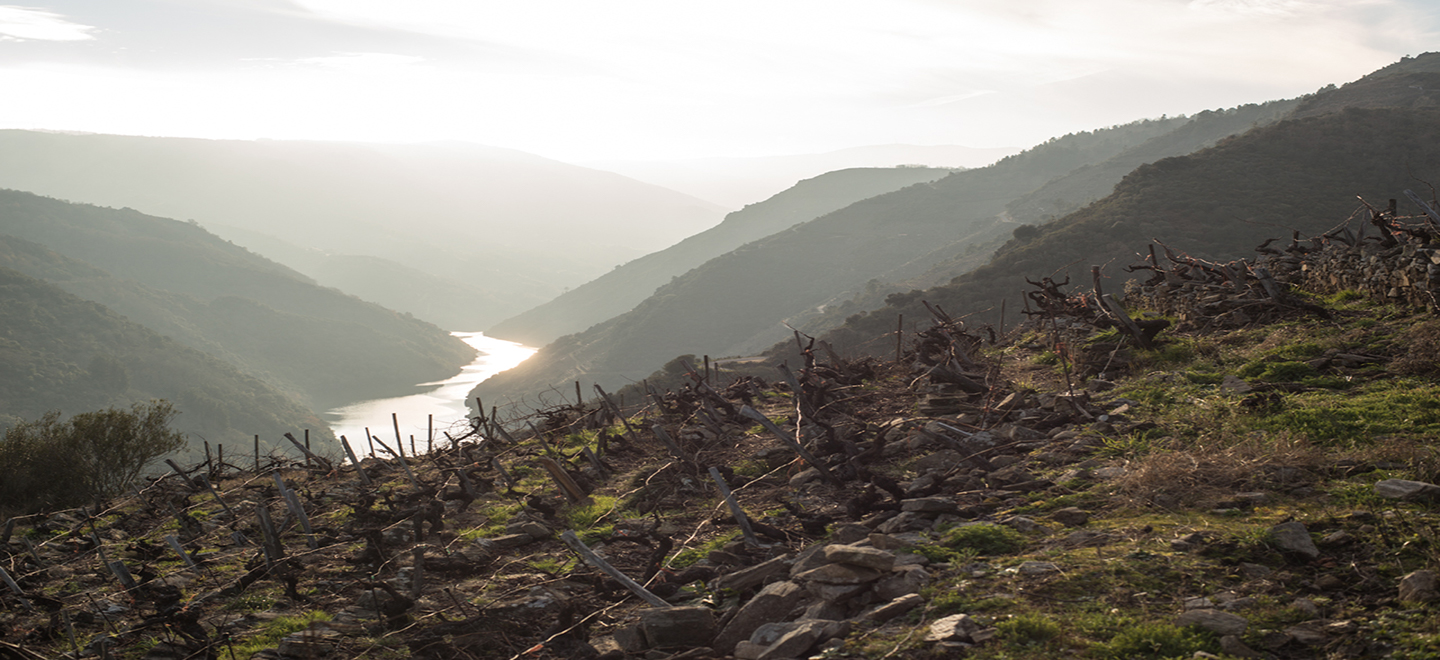 Region:
 -
Description:
The winery of Andrea Felici is located in the Marche region, between Apiro and Cupramontana, the heart of the homeland of Verdicchio. Nestled on a hill at the foot of Mount San Vicino at an altitude of 516 meters above sea level, Azienda Andrea Felici possesses a wonderful landscape; a green valley with tilted slopes, blanketed by beautiful woods and vines, marked by the high peaks of Gran Sasso and Maiella to the south and Mount Catria to the north. The climate is dry, with average annual temperatures in the mid-50s and a constant breeze throughout the year. This is the southwest corner of the Verdicchio dei Castelli di Jesi appellation. The area is further inland, with more limestone, a bit less influence from the Adriatic Sea, and temperature swings between day and night that are more drastic.
This winery practices organic viticulture with certification. Grapes are harvested by hand, the clusters are gently placed in small boxes and the grapes are pressed within a few hours, and temperature controlled fermentation is achieved without oxygen. About half of the harvest ferments on its skins, only during the kinetic part of alcoholic fermentation. The wine matures and mellows in cement and stainless steel vats for a period much longer than the minimum prescribed by regulations.
The winery started estate-bottling in 2003. Today, the 15-hectare estate is run by Leopardo Felici, whose passion for and dedication to Verdicchio are immediately obvious, as is his broad knowledge of the wine world; before taking over the estate in 2007, his father insisted he gain more wine experience, so Leo worked as sommelier in London at Gordon Ramsey's Savoy and in Florence at Enoteca Pinchiorri. The winery produces only two wines: a single-vineyard bottling– “Il Cantico della Figura”– and a cuvée, “Castelli di Jesi Classico Superiore.” Both wines are marked by incredible purity of fruit and pronounced minerality; these are high-quality wines that are immediately pleasurable and approachable, but which are also characterized by longevity and the purity of the Verdicchio grape in this unique landscape.
To view Andrea Felici's website, click here.
Image: Region:
 -
Description:
Widely recognized as one of the most exceptional of the small, independent sherry houses, Rey Fernando de Castilla was founded in 1837 by a family named Andrada-Vanderwilde. Fernando Andrada was the owner. They started producing brandy in 1956 (they are very famous for their brandy in Spain and Europe) and trademarked the name Rey Fernando de Castilla in 1969.
In 1999, the house was purchased by Jan Pettersen, a Norwegian with a passion for top quality sherry and 15 years experience at Osborne. After taking over the cellars of the sherry shipper José Bustamante, located next door to the main facilities of Fernando de Castilla, Jan quickly revitalized this winery, and today they are once again known as masters of the production and aging of fine, unblended, untreated sherries.
They produce two lines: the Classic and the Antique. The wines in the Classic line have lower alcohol, and are styled to be more, well, classic, meaning that these are wines that are textbook representations of their kind. However, this house’s reputation is based on the excellence of the Antiques, a series of intensely pure and complex single solera sherries that undergo extended aging in the cellar (the Antique PX is a 30-year-old system, while the Fino is 8 years) which results in sherries of great complexity and depth.Image: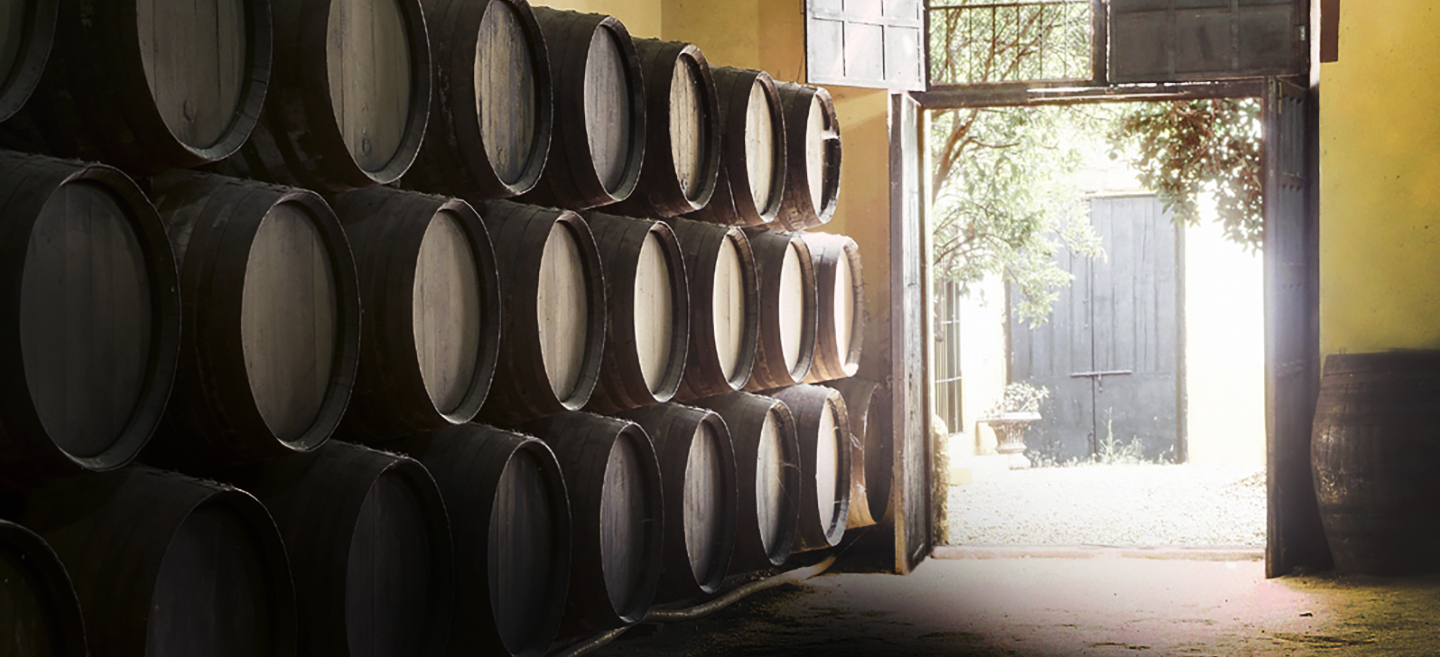 Region:
 -
Description:
Figgins is the project of veteran winemaker Chris Figgins, best known for being the winemaker at his family winery Leonetti Cellar. Although he could easily have been content carrying on Leonetti’s stellar track record as one of the best wineries in Washington, Chris wanted a project that would be all his own. With that in mind he created the Figgins vineyard, a 32-acre plot of land in Walla Walla planted to Cabernet, Merlot, and Petite Verdot.
Inspired by the estate wineries of the old world, all of these grapes go into making one wine, with the goal of exploring this single terroir. The winemaking is the same each year and therefore the only variables on this wine are what the vintage provides. The blend changes subtly each year in response to the unique conditions of that season, thus encapsulating and translating a time and place in the way that only wine can do. Chris is the second generation of Walla Walla’s first bonded winery, and rather than just holding steady he is intent on refining and improving the already revered reputation of his family. At Figgins and Leonetti, Chris is producing some of the greatest wines in the United States and, though he is already well on his way to a long and venerable career, this is merely the beginning.
Image: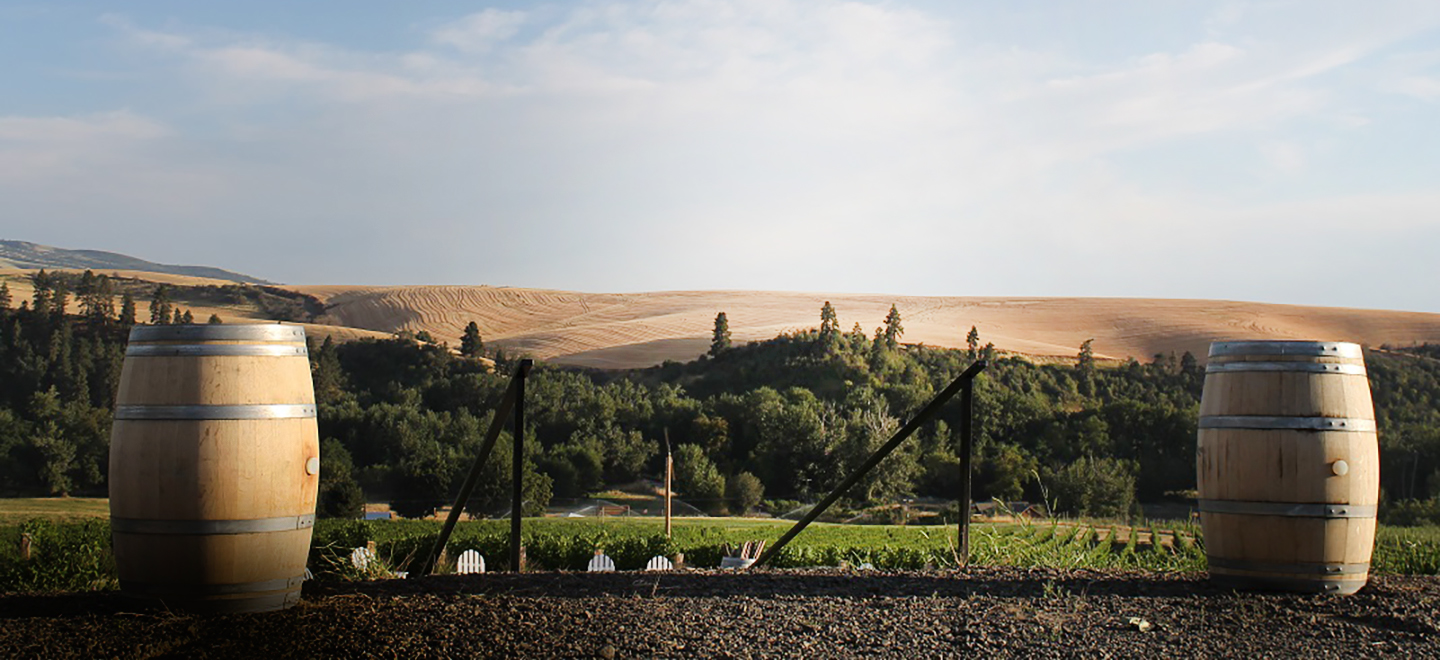 Region:
 -
Description:
Thank you to importer Louis/Dressner for this profile of Filliatreau:
(Click here for more Filliatreau information From LDM and here for the winery's website)
Domaine Filliatreau is a large estate of about 50 hectares located near the city of Saumur. The estate is known for its fruity, easy drinking style of Cabernet Franc; in fact it was founder Paul Filliatreau's stylistic shift to stainless steel vinifications with short macerations in the 1970's that made the style popular and in demand in Parisian bistros.
The vast majority of the production consists of Cabernet Franc from the Saumur and Saumur-Champigny appellations, along with a small amount of Chenin Blanc for white wine. Since the early 1990's a side project focusing on organic viticulture called Château Fouquet has been run in tandem with the historic Filliatreau vineyards. Today, the entirety of the Filliatreau estate is certified organic and Château Fouquet is on the verge of being certified biodyamic.
Their most famous vineyard is called La Grande Vignolle; it rests atop a tuffeau stone outcrop that runs along the Loire river for a number of kilometers. During the 16th and 17th centuries, the stone, a creamy colored limestone, was quarried for building some of the great monuments and châteaux of the Loire. Cave dwellings and a few formidable houses were actually carved into the cliffs. The "La Grande Vignolle" label is a depiction of this site.
The soil and subsoil of the vineyard are highly calcareous. This type of soil lends the Cabernet Franc grapes juicy flavors and good acidity. The vines are of considerable age and yields are kept low. The wine is vinified in stainless steel and bottled unfiltered. It is rich in red fruit flavors, with a touch of tobacco and licorice in the finish and has excellent aging potential.
The other cuvées available in America are a Saumur Blanc called "Lena", an entry level Saumur Rouge, a "Vieilles Vignes" bottling of Saumur-Champigny and the "Château Fouquet" from the vines worked biodynamically. Ocasionally, a pétillant naturel called "Filibulle" is produced and we try to bring in as much as we can.
Image: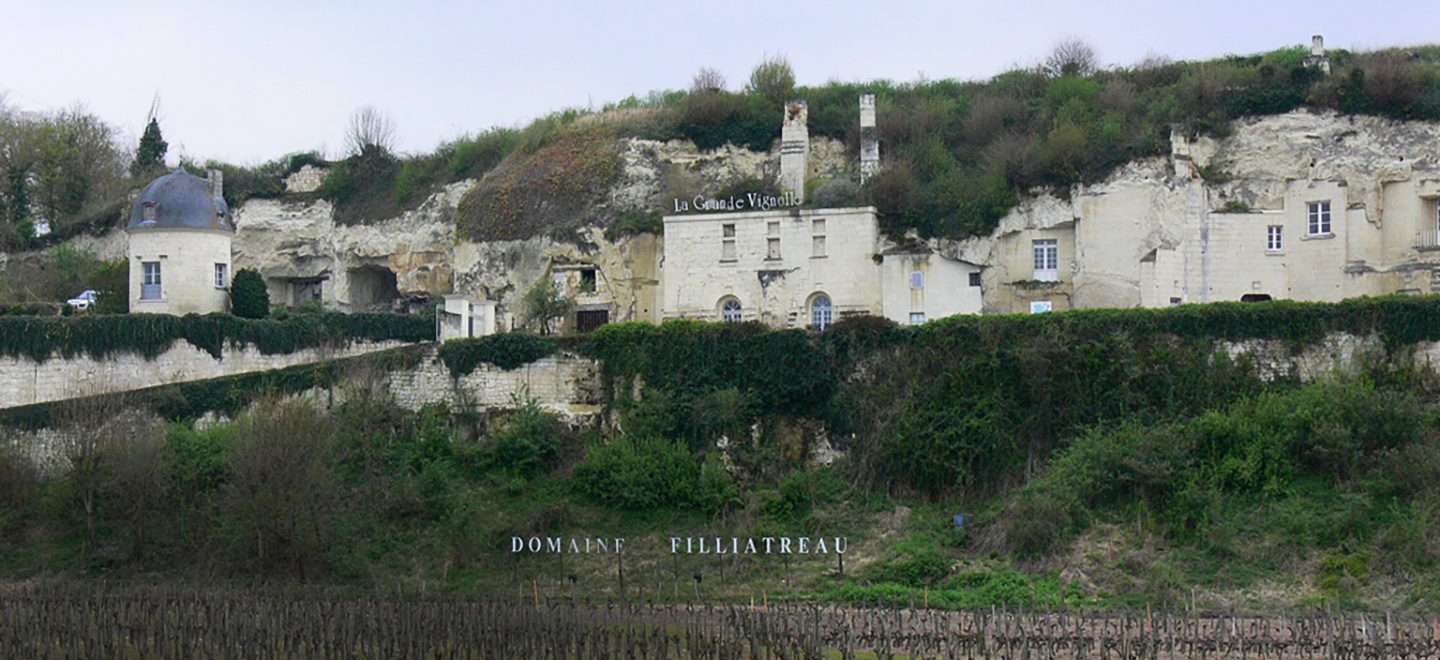 Region:
 -
Description:
This micro winery is located in Chacras de Coria (Lujan), Mendoza, They farm from three hectares and go back three generations within the Furlotti family. The vineyards were planted in 1916, all to Malbec; from this they only produce one wine, which is made by famed winemaker Carmello Patti who focuses on balance and terroir. This is considered the smallest winery in Argentina and produces less than 500 cases per year, with only fifty cases for export to the US.
This profile and tasting notes were edited from the Brazos Wine website, along with the pictures used. For more information please visit: Brazos
Image: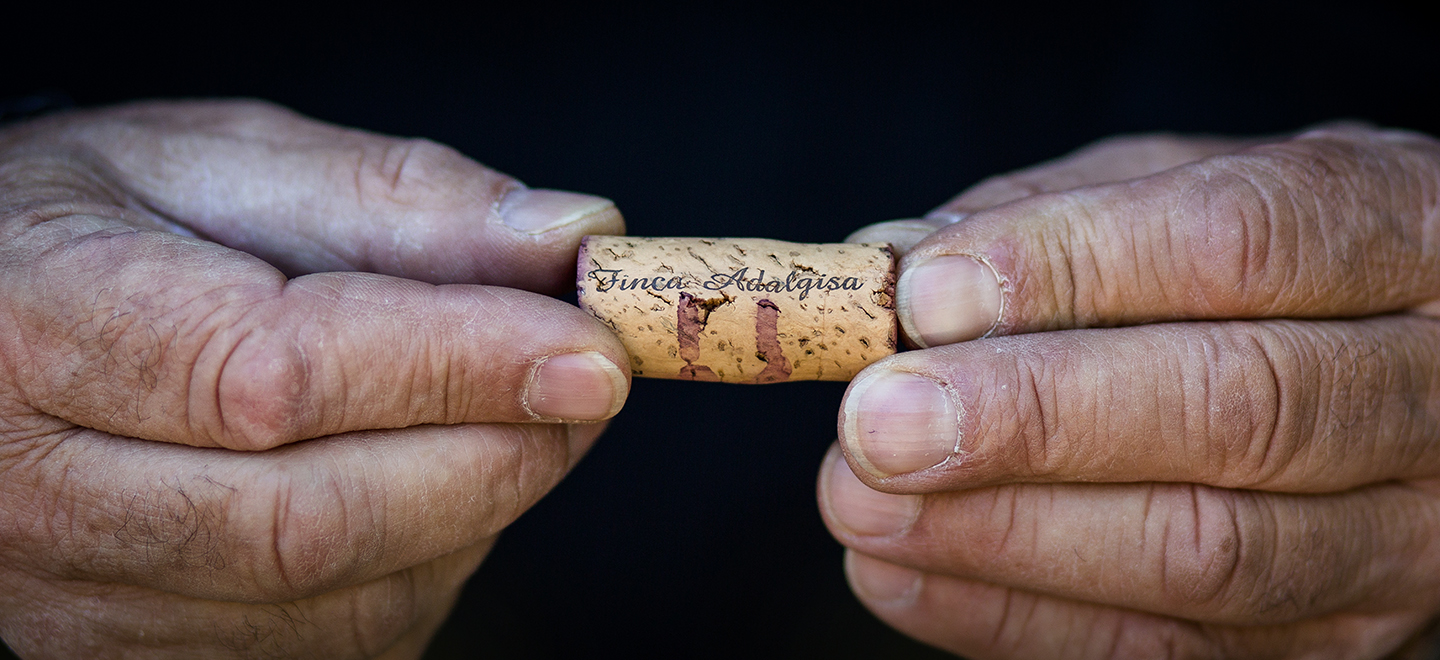 Region: