Producers
-
Description:
Leonel Hernández (Don Gil), a third generation maestro mezcalero, produces his mezcal in San Pablo Villa de Mitla, a town and municipality in Oaxaca. It is famous for being the site of the Mitla archeological ruins and is part of the Tiacolula District in the east of the Valles Centrales Region.
Mezcal Local is made with 100% agave Espadin, harvested after 10 years. The agaves are cooked underground for 3 days, ground using an Egyptian mill, and then fermented in wooden vats for 10 days. During the distillation process agave hearts, as well as a combination of fruits (apple, peach, banana and orange), are added to the still. The heart of the agave acts as a natural purifier and the fruits add a wide range of distinctive flavor notes. This mezcal is distilled twice in copper.
Mezcal Local is a vegan mezcal de pechuga (pechuga translates to breast in Spanish). This means the finished mezcal is redistilled with local fruits, grains, and nuts, and a raw chicken or turkey breast is hung over the still, cooking in the emanating vapors, supposedly adding to the spirit’s final flavor.
These mezcals are usually made in small batches according to old family recipes and served during special occasions such as harvest, weddings, funerals and festivals.Due to lack of protein, as Local only uses fruit during distillation, the CRM will not allow the Pechuga classification on the bottle.
Image: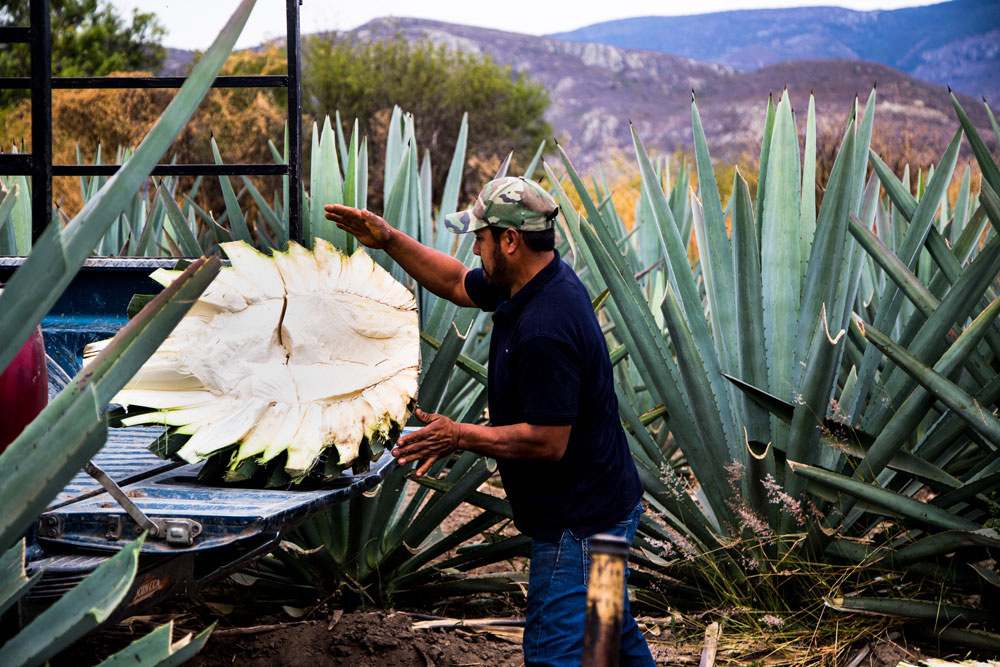 Region:
 -
Description:
The Michelini family is not short of terroirs to explore in their native Argentina, and brothers Gerardo, Matias, and Juan Pablo continue to amaze with the amount and quality of the projects they get involved with in South America. Zorzal, Gen del Alma, Passionate Wines are just some of the labels they are associated with, and that have helped change and shape the current viticultural landscape of their native country. Now Gerardo has gone a step further and has taken his family craft and vision to Spain.
With the help of his wife Andrea Mufatto (formally the winemaker at Gen del Alma), and their talented son Manu, he is making terroir-driven wine at one of Spain’s most exciting regions, Bierzo. It was César Marqués, and Raul Perez, both visionary winemakers and Bierzo natives, who instigated the Michelinis to start producing in the area. They now have their own winery in Toral de Merayo, a two centuries-old building made of the stones that shape the mountainous landscape, and here they parked some old foudres, and even some amphorae made by the master of clay, Juan Padilla.
They farm their very old vines organically (soils in the region are mostly clay with slate and quartz) and the range of wines includes a village level with fruit from different plots, a couple of paraje (lieu-dit) wines, and the prized cru of El Rapolao.
Manu is the young winemaker, and he takes a traditional as well as an experimental approach: the reds are foot-stomped in the amphorae, sometimes with whole bunches, and they also ferment in clay. The aging is done in a mix of vessels, amphorae as well as used oak and chestnut barrels, and the wines see short macerations of less than 20 days, followed by aging in neutral French and American oak barrels.
Image: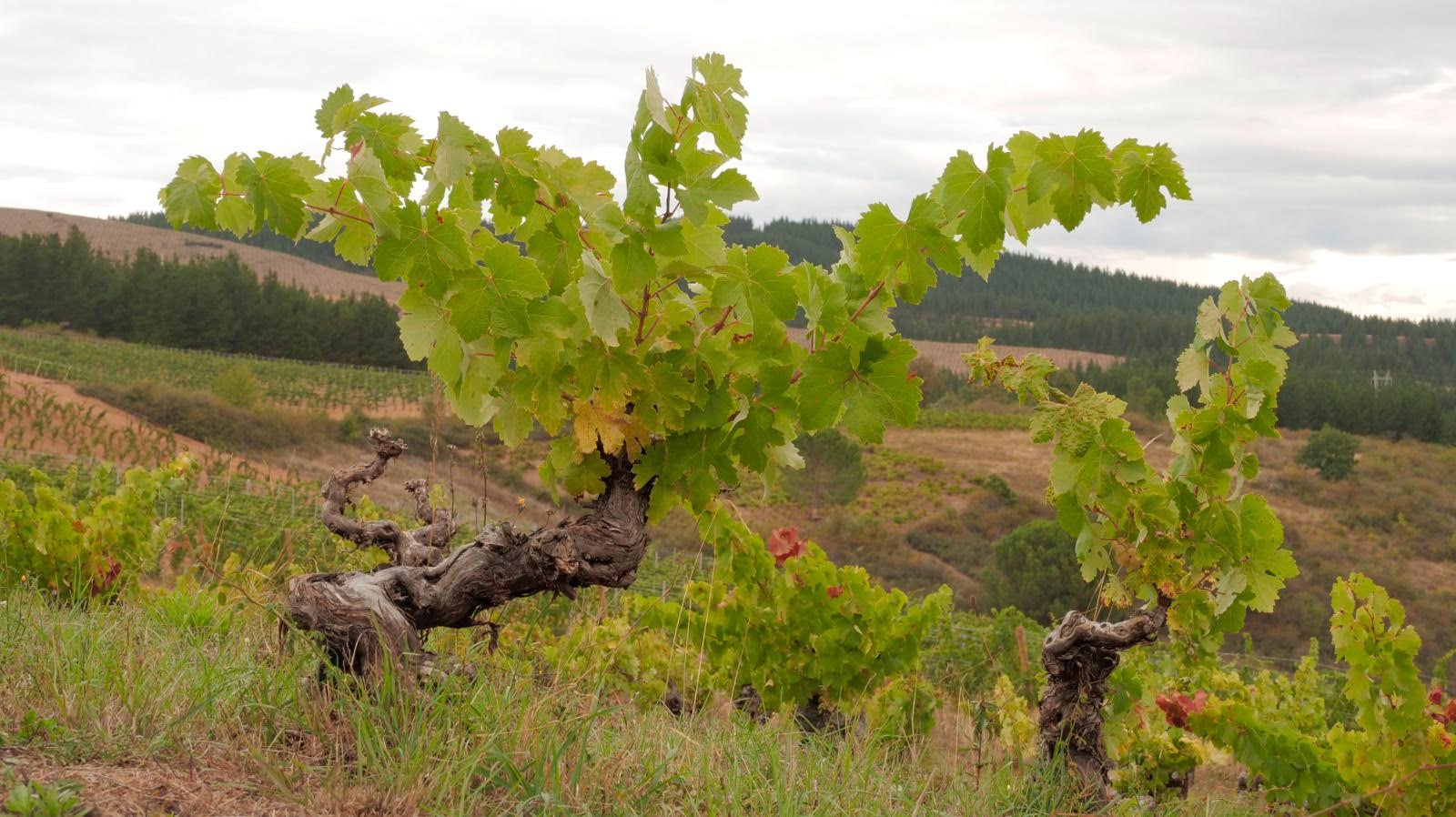 Region:
 -
Description:
Rioja has been for a while now at a threshold, a place that sooner or later all of the most celebrated wine regions find themselves.The traditional and familiar wineries that defined its style are firmly established, producing some of the finest wines in the world, while on the other side of the gate young growers and winemakers are working to find their place, refining - and sometimes indeed redefining - the style of the wines made in the region. What the new generation of winemakers and bodegas share is an emphasis on place, not in the cellar. Instead of making wines that represent the region as a whole, with a marked house style, they focus on sites and vineyards, hoping that their wines reflect the different terroirs and landscapes found in the region. Miguel Merino Jr is the perfect example of someone making the best of this moment, with a solid foundation in the style that made Rioja’s most emblematic and venerated wines, while at the same time creating something new.
His father paved the way, when after a successful career as a wine exporter he decided to start a small bodega, choosing Briones as their focal point, a small and historic village where old vines abound, and are mostly planted in steep slopes, with varying soil-types of sand, clay, and limestone, and markedly Atlantic influenced climate. Merino Jr. worked on and off with him and in other wineries, and he and his wife Erika joined full-time in 2017, bringing contemporary ideas to the production (such as the emphasis on single-vineyards, the creation of a monovarietal Garnacha and a white wine, as well as a stronger focus on farming.) Today he owns 7 hectares of vineyards, and farms another 6, distributed among 24 different plots, all located in Briones. The oldest of his vines were planted in 1929, many in the 60’s and 70’s, and the younger ones planted in 2001.
His portfolio is now made of the first wines created by his father, still conforming to the traditional standards of the region, labeled Reserva, and Gran Reserva, as well as new wines named after the vineyards Merino Jr chose to focus on. The style on both lines is decidedly elegant, and what stands out after the judicious work in the vineyards - all done by hand, without the use of herbicides or fertilizers - and the soft approach in the cellar is balance, his main goal.
The still tiny production - just under 60,000 bottles - is growing as his work keeps getting discovered and praised, and some of his work and wines become references for the new Rioja, such as the single-vineyards La Loma (Tempranillo with a bit of Garnacha), and La Quinta Cruz (100% Mazuelo or Carignan.)
Image: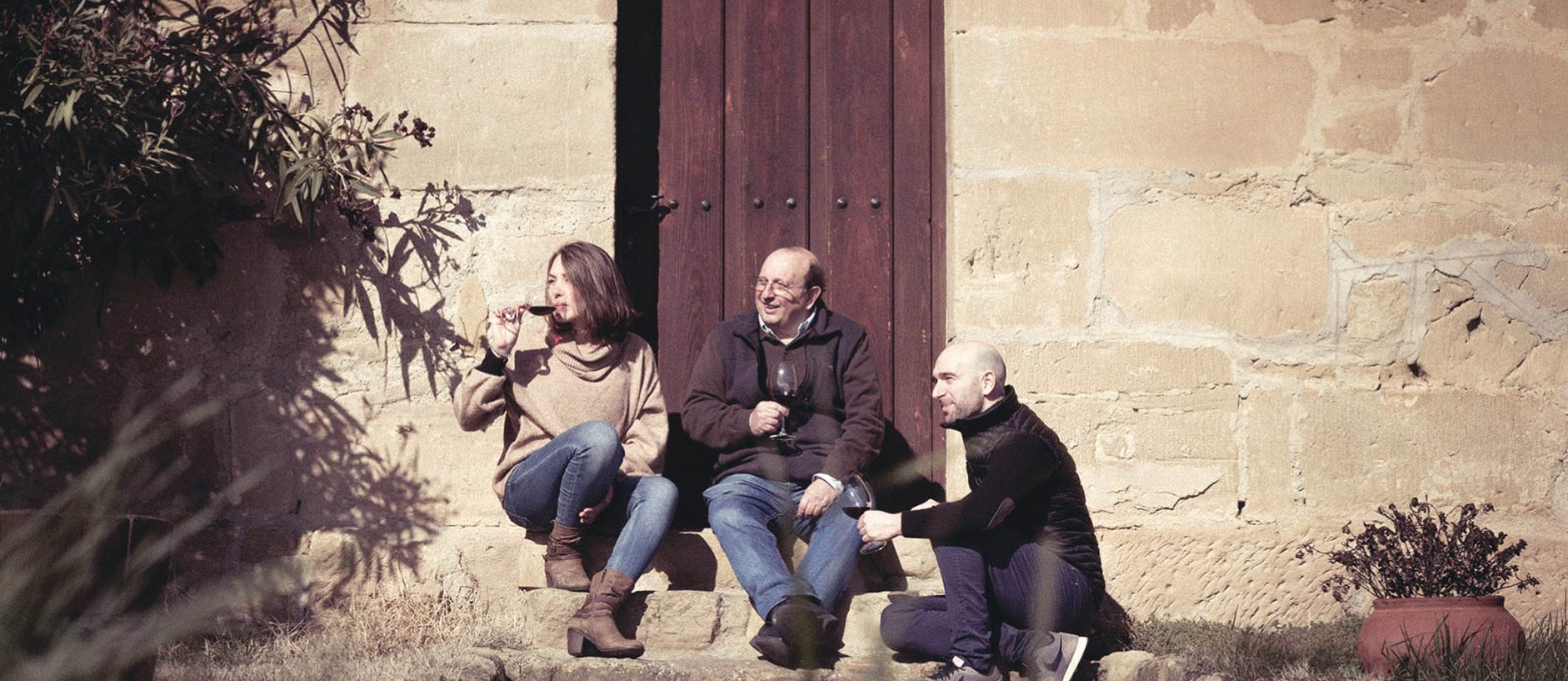 Region:
 -
Description:
Domaine Gerard Millet is in the village of Bué in Sancerre, which is considered one of the very best villages in the appellation. The winery is currently run by Steve Millet. He oversees their 19 hectares in Sancerre and six hectares in Menetou-Salon (a notably smaller and less famous appellation compared to Sancerre). The main soil is Kimmeridgian marl and flint.
Millet’s farming is sustainable and both the vineyards and the winery are certified HVE3. Millet does not use insecticides, herbicides or anti-botrytis treatments. In the cellar, fermentations are mainly in stainless steel; the exceptions are for the single-vineyard wines, which are spontaneously fermented and aged in neutral oak barrels of 400 to 600 liters.
There are three white Sancerre wines, including two single-vineyard ones; they are all quite impressive in their crystalline precision. There is a compelling red Sancerre as well a single-vineyard. Millet also makes both colors of Menetou, with the same care devoted to their Sancerre. Steve explains that Menetou tends to be a bit warmer than Sancerre, but his family’s vines are in a cooler part (the villages of Morogues and Aubinges), thus allowing those wines to maintain great tension. The Menetou wines are in fact quite serious, with great texture, juicy fruit and a mineral backbone providing structure.
With the demand for Sancerre outstripping supply, there are a lot of mediocre examples in the market because the name itself sells. We are so excited to connect with a winegrower who is wholeheartedly committed to making wines of distinctive character from this historic appellation as well as its lesser-known neighbor. Bowler represents Millet in a dozen markets in the United States. Please inquire about availability in yours.
Available in PA and NAT.
Image: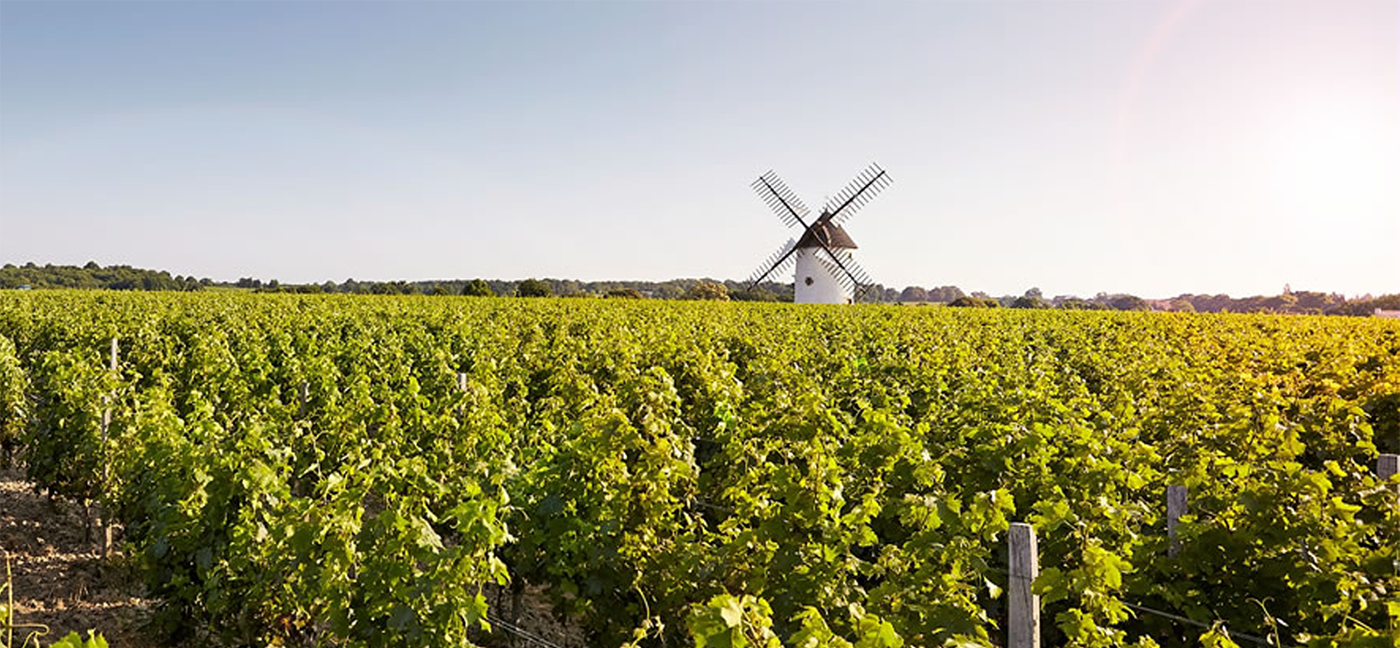 Region:
 -
Description:
Of the 175 wine growers in Vacqueyras; only 45 are bottling their own wines and selling direct from the domaine, with the rest selling to the co-op or to one of the three négociants in town. The Vache family of Domaine la Monardière falls amongst the growers. The Vache family bought their domaine in 1987 from the Monarde family, and immediately got to work revitalizing the vineyards, building a new winemaking facility. They began by selling the wines from the domaine's door. The Vaches also harvest all of their vineyards by hand, which is not a requirement of AOC Vacqueyras, nor is it a common practice. They have been working organically in the vineyards since 2000, but only began the certification process in 2007, and have now been certified since 2010.
They have 22 hectares total, 18 hectares in Vacqueyras and 4 hectares in Vaucluse. They never purchase any fruit or must. Monardiere has a lot of sandy soil and so they make a significant amount of rose and white - the total for both in the appelation is only 5%, but 15% of Monardiere's wine is rose and another 15% is white. Sixty percent of the appellation is on a plateau with a lot of stones and a clay subsoil. For all of the wines, they work with lower yields than the 36hl/ha that are allowed. They normally average 30-32hl/ha, but recent vintages have been hit hard 22 hl/ha in 2012 and 18hl/ha in 2013!
Since they practice organic viticulture, it only follows that they should vinify with as little intervention in the cellar as possible, to produce authentic wines that are true to their origin. After harvest, the grapes are sorted and mostly destemmed, and then put into cement vats; the indigenous yeasts found on the grapes start the fermentation naturally. They pump-over the wine daily for a gentle extraction. The Syrah and some of the Grenache vats are punched down manually, and maceration takes place for two to three weeks. The wines are then aged in vats or used barrels throughout the winter and then bottled without fining or filtration and a low amout of sulfur. The Monardiere wines offer an incredibly pure expression of Vacqueyras. www.monardiere.fr
BOWLER E-Zine Issue 4 | January 2022: HVE – Qu’est-ce que c’est?
Image: Region:
 -
Description:
Mondino's master distiller, Hans, learned his craft during the 1960s in Italy. From there he brought the Amaro recipe to Bavaria. The old family recipe was brought to life again by his grandson Max together with his childhood friends Ferdinand, Florian, and Benedikt, using the traditional recipe they provided a modern twist and so created an extraordinarily upscale aperitif: purely organic, refined with regional ingredients and low in sugar.
Typical for Mondino are the fruity bitter oranges which come from the Italian Amalfi coast or from Spain. The fruit is always freshly macerated when it has reached its ideal degree of ripeness. The pleasant sourness of Mondino is gained from fresh rhubarb. Gentian gives it its tangy flavour and the hibiscus flower its beautiful red colour. These selected ingredients together with Bavarian natural spring water, which rates amongst the superior waters of Europe, produce a full-bodied pleasure. All herbs are certified organic, and if possible, are sourced locally.
Image: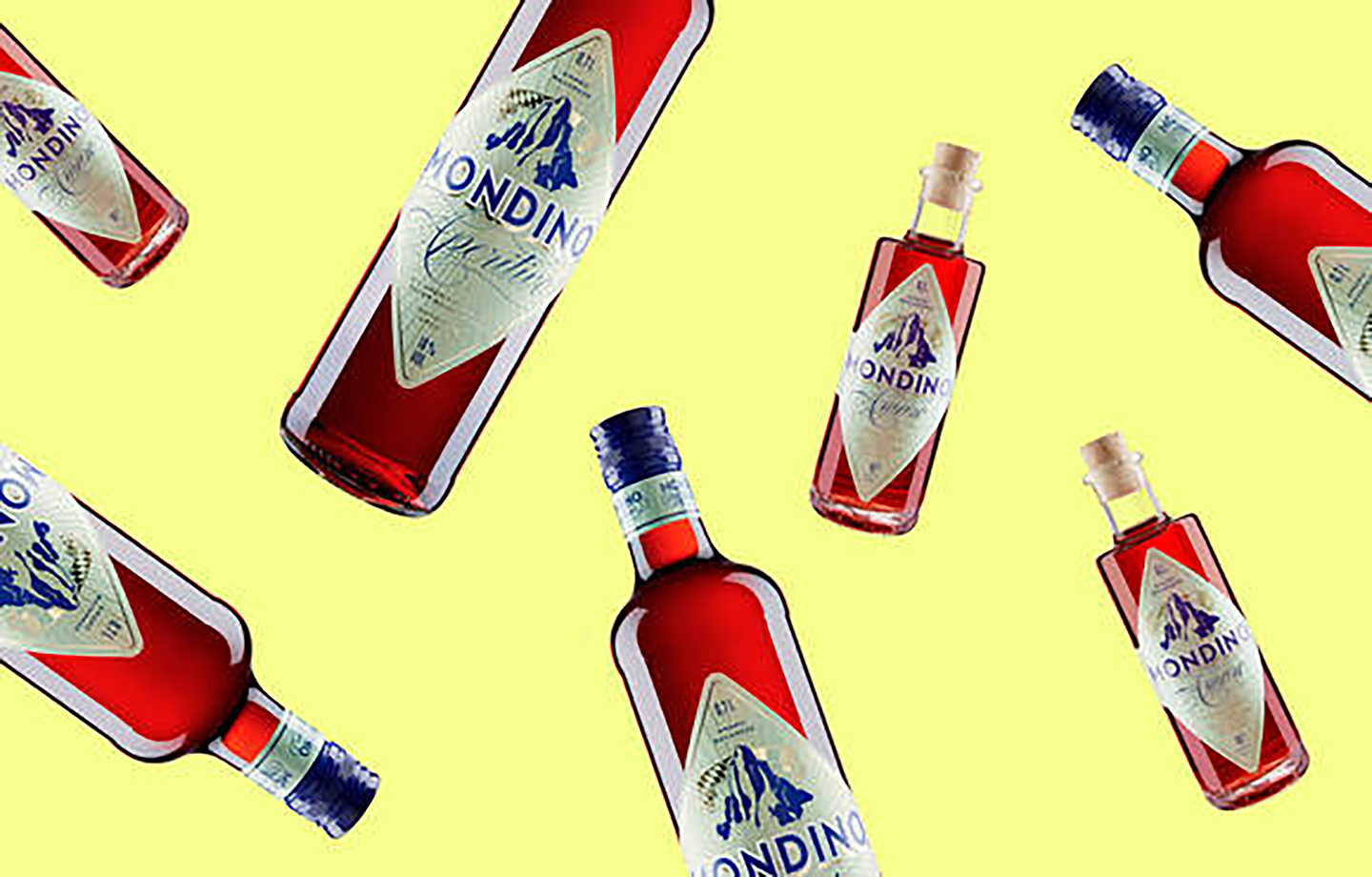 Region:
 -
Description:
Back in 2016, this small, family-owned, nature-oriented producer of “real Prosecco” absolutely blew us away in a massive blind tasting divided by category (col fondo, brut, extra dry, etc), outclassing a number of other producers—some more respected, others more famous—in every flight. Knowing that moments like these don’t happen often, we contacted them right away and found the people to be as genuine as the wines.
The Mongarda story began in 1978, when Bruno Tormena decided to dedicate himself full-time to the career of vignaiolo. As a youngster he learned the art of vine cultivation while working with his grandfather in family vineyards in the locality of Mongarda, from which the estate takes its name. Bruno transmitted his passion to his son, Martino, who has run the estate since 2011. Martino is a recent graduate of the enology school in Conegliano and he has intensified his family’s commitment to their land and the quality of their wines.
Today, Mongarda has 5 hectares of woods and 12.5 hectares of vines, spread between the villages of Col San Martino, Farra di Soligo, Miane, and Valdobbiadene. This is the heart of the Valdobbiadene-Conegliano Prosecco Superiore zone. Mongarda’s vineyards are on extreme slopes with old vines and poor, rocky soils, a situation which forces them to be worked manually. The main variety is, of course, Glera, but the Tormena family has also kept the local heirlooms of Perera, Verdiso, Bianchetta, and Boschera, which are interspersed through the parcels and co-harvested and co-fermented with the Glera.
The vines, some dating back to 1950, are pampered: no weedkillers (undesired plants are mowed or removed by hand) and no synthetic fertilizers (instead, a biodynamic compost of grape skins, vine cuttings, and manure from grass-fed cows is made in-house). While Martino has set organic certification as a goal, he is also concerned with elevated use of copper, whose toxicity is perhaps the ‘elephant’ in the organic viticulture room, especially in wet, cool, climates. He includes natural extracts from stinging nettles and horsetail.
In the cellar, the objective is to let the vintage and vineyards speak. Grapes are pressed whole cluster, softly enough to avoid extracting bitterness. All primary fermentations are spontaneous. The use of dosage is not formulaic, but is adjusted according to each vintage and disgorgement. Total production is 30,000 bottles.
Take a look at this beautiful five-minute video!
Image: Region:
 -
Description:
Montagnette is produced at Les Vignerons D'Estezargues, a small Southern Rhone Cooperative located in the Gard Departement, west of Villeneuve-Les-Avignon. They are a unique co-op because each vineyard is farmed sustainably and the wines are bottled separately for each estate. The yields in the vineyards are not high because the soil is very arid in this particular region. The co-op's commitment to environmentally-respectful viticulture and to non-interventionist winemaking made it possible to follow the "Terra Vitis" charter: no cultured yeasts, no filtration, no fining, no enzymes, no SO2 on the grapes at harvest (or during the vinification), only a little bit for bottling.
Domaine La Montagnette is owned by Jean-Marie Granier, aka the Gentleman Farmer of Estézargues! He bought his first plots when he was 16, became the city’s mayor at 24, and the vice-president of the co-op back in 1990. He’s been with the co-op for the past 50 years. Following the path of his father, who farmed about 30 hectares of vineyards, Jean-Marie increased the vineyard to its current size of 60 hectares and his son, Jean-Laurent, has been caring for seven hectares since 2003.
Image: Region:
 -
Description:
Thank you to importer Louis/Dressner for this producer profile:
(Click here for more on Monte Dall'Ora on Louis/Dressner's website and here for the winery's own website)
Located in the center of Valpolicella on one of the five ridges that descend the valley (which resemble the fingers of a hand), Monte Dall'Ora is the creation of Carlo Venturini and his wife Alessandra Zantedeschi. Both are from vignaioli families, but decided to start fresh with their own estate in 1995. At the time, the purchased terraces were in terrible condition and everything had to be rebuilt.
Vines are either selection massale or grafted on American rootstock. Carlo has chosen to work with (and in some cases, replant) the region's traditional varietals: Corvina, Corvinone, Rondinella, and Oseleta (a lost indigenous grape). The estate was worked organically until 2006, when the couple converted to biodynamic agriculture. The soils are unique to their particular ridge and are composed of limestone with a reddish hue. The first 15 meters are very soft and porous, permitting the vines' roots to penetrate deep in the subsoil.
The vines are all trained in the pergola style. Carlo thought about training the vines in Guyot, but quickly changed his mind for reasons of climate and quality control. In many regions, growers continue to use pergola because this vine tending system produces very high yields; while often inconsequential to the health of the grapes, the widespread justification is that is necessary to protect the fruit from the sun. In Valpolicella's case, this is actually true: Corvina and Corvinone are both very susceptible to sunlight. They are also very vigorous varietals: with guyot, bunches would get too big and become prone to illness. Pergola creates more air and space between clusters; the plants are more separated, which results in smaller and more concentrated bunches.
Instead of worrying about lower yields for higher concentration (an easy goal with but very hard to accomplish with pergola), Carlo prefers focusing his energy on balance in the vineyard: this essentially means promoting agricultural and natural biodiversity instead of just vine tending. Grass grows free, with cherry and olive trees complimenting the entirety of the vineyard. This work philosophy continues through the winemaking: "Finding the equilibrium in the vineyard brings balance in the cellar."
Image: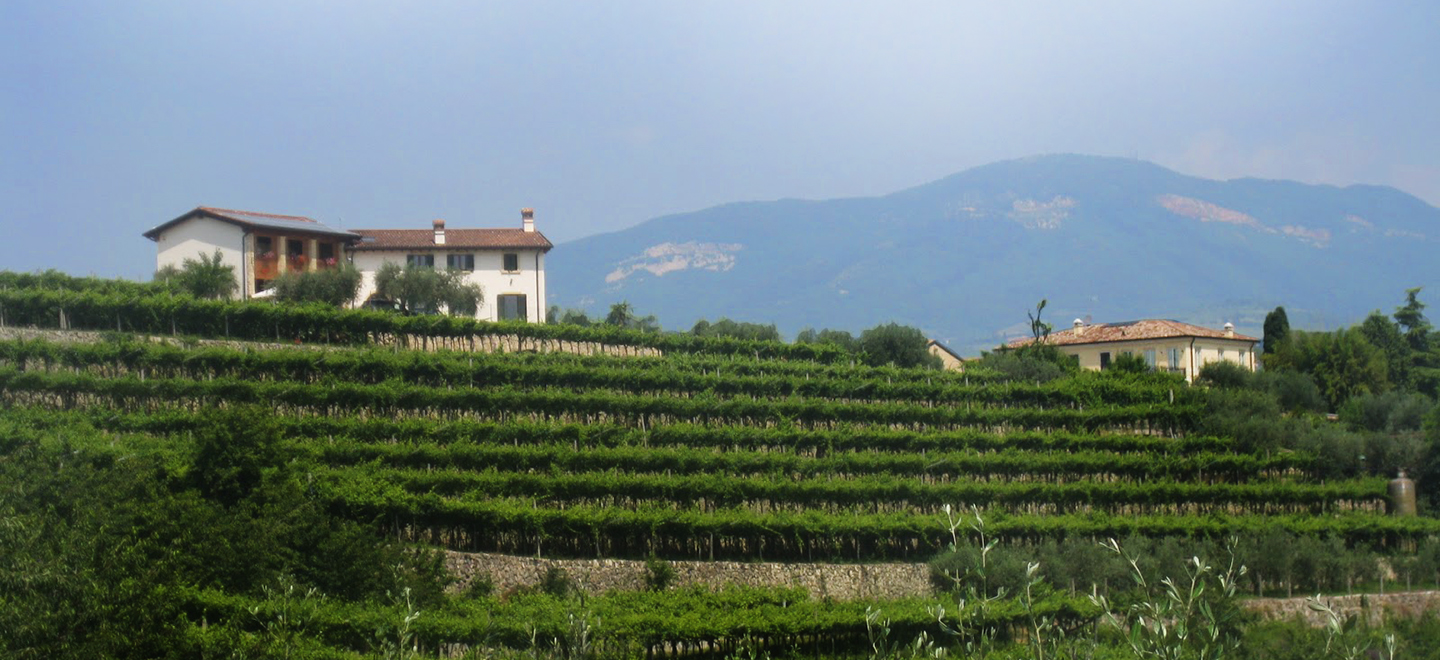 Region:
 -
Description:
Monte di Grazia is one of the latest additions to Bowler’s growing stable of excellent Italian growers. They are located in Campania in the town of Tramonti, inland and up from the Amalfi Coast, in the Lattari Mountains. It’s a cool, breezy microclimate and an isolated place. This is the first time—in any spot in the world—that our freight forwarder told us the only way to manage the pickup is with a specialized truck! This isolation, combined with altitude and volcanic soil, is also the reason why Tramonti is a pristine pocket of pre-phylloxera grapes. Alfsono Arpino, a pediatrician from the town, established the estate in 2004 out of love and respect for these old vines. His children, Olivia and Fortunato, are also involved in the operation, and today, the Arpino family farms 3.2 hectares of certified organic vineyards, as well as a hectare each of a lemon orchard and a chestnut grove.
The grape vines are ungrafted and trained in giant pergolas known locally as tendone. These vines are among the oldest vines in Italy: most are over 100 years old, with some approaching 300 years old. Replanting is done via propaggine, in which a cane from an exisiting plant is bent towards the earth and partially buried there, allowing it to take root. The red varieties are Tintore di Tramonti, Piedirosso, Moscio, Sciascinoso, Olivella, and the whites are Pepella, Biancatenera, and Ginestra.
To taste Monte di Grazia’s wines is to connect with a delicious, deep biology and history of a place.
Image: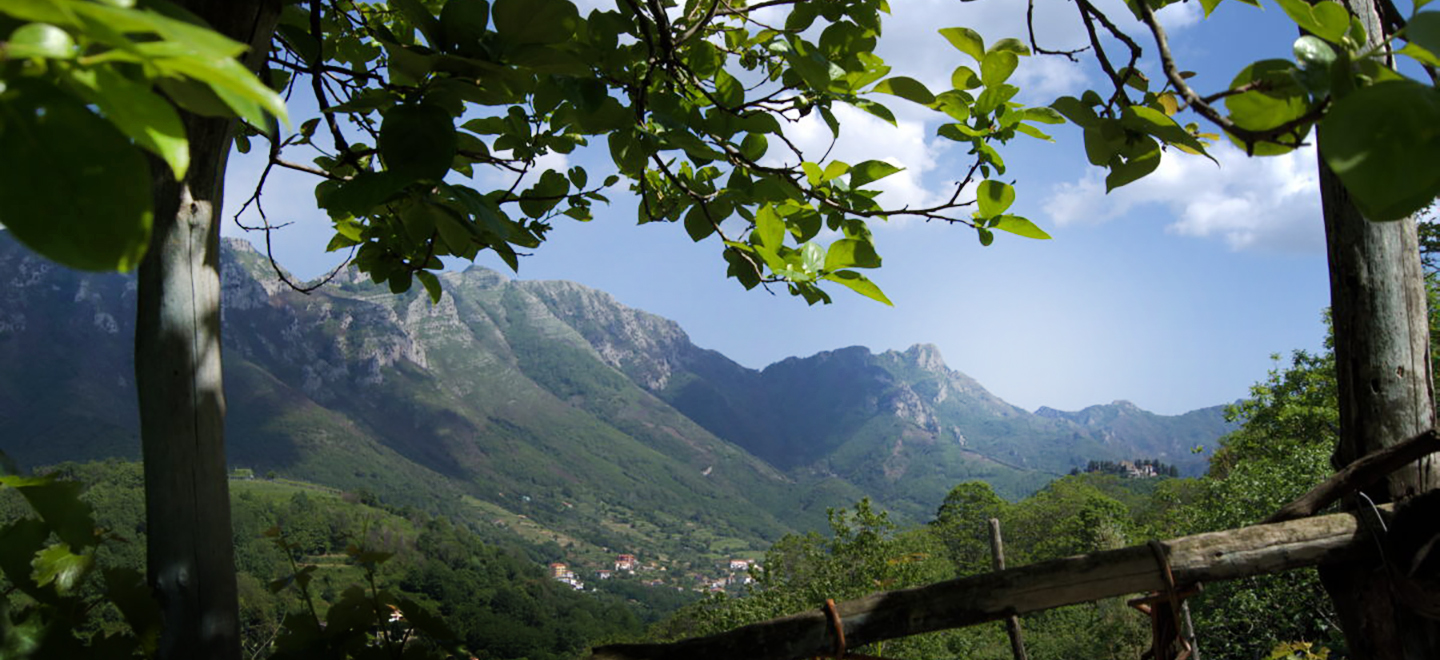 Region: