Producers
-
Description:
Giuseppe Fortunato, an engineer turned farmer, and his wife, Sandra Castaldo, live in Pozzuoli, Campi Flegrei, in the province of Naples, Campania. Their tiny farm— consisting of an apiary and 2 hectares of vines, with another 2.7 hectares that are leased from a relative— is a sanctuary of agricultural peace amidst the urban sprawl of Naples, Italy's third largest city. The vines were extant when Giuseppe’s father bought the property in 1980. Their vineyards, planted to Falanghina and Piedirosso, are located at between 90 and 200 meters above sea level and are rich in volcanic sand above a base of igneous rock.
The area itself is remarkable; the Campi Flegrei (Phlegraean Fields) DOC is a large volcanic area of craters and thermal springs, all of which are the remains of an immense underwater volcano that had Pozzuoli at its center. The Romans believed this area to be the mythological home of the Roman god of fire, Vulcan. Even now, one can visit the Solfatara crater, with its active fumaroles. Because phylloxera could never embed itself in the sandy volcanic soils of the Campi Flegrei, Contrada Salandra’s vines are ungrafted, piede franco, on their own roots.
Practicing viticulture and beekeeping is an act of resistance in these parts, where the tiny vineyards must compete with real estate developers. Giuseppe does his best to maintain biological diversity in these beautiful organic vineyards that overlook the sea, which is a mere 2km as the crow flies. Contrada Salandra practices cover cropping and, in an effort to reduce copper and sulfur use, they use other natural products such as algae, and essential oils of stinging nettles, citrus, and horse chestnut.
The wines are released much later than most of their neighbors, undergoing extended time in elevage both in tank and in the bottle.
For a nice video on Contrada Salandra and a few more words of enthusiasm (in Italian), click here.
Image: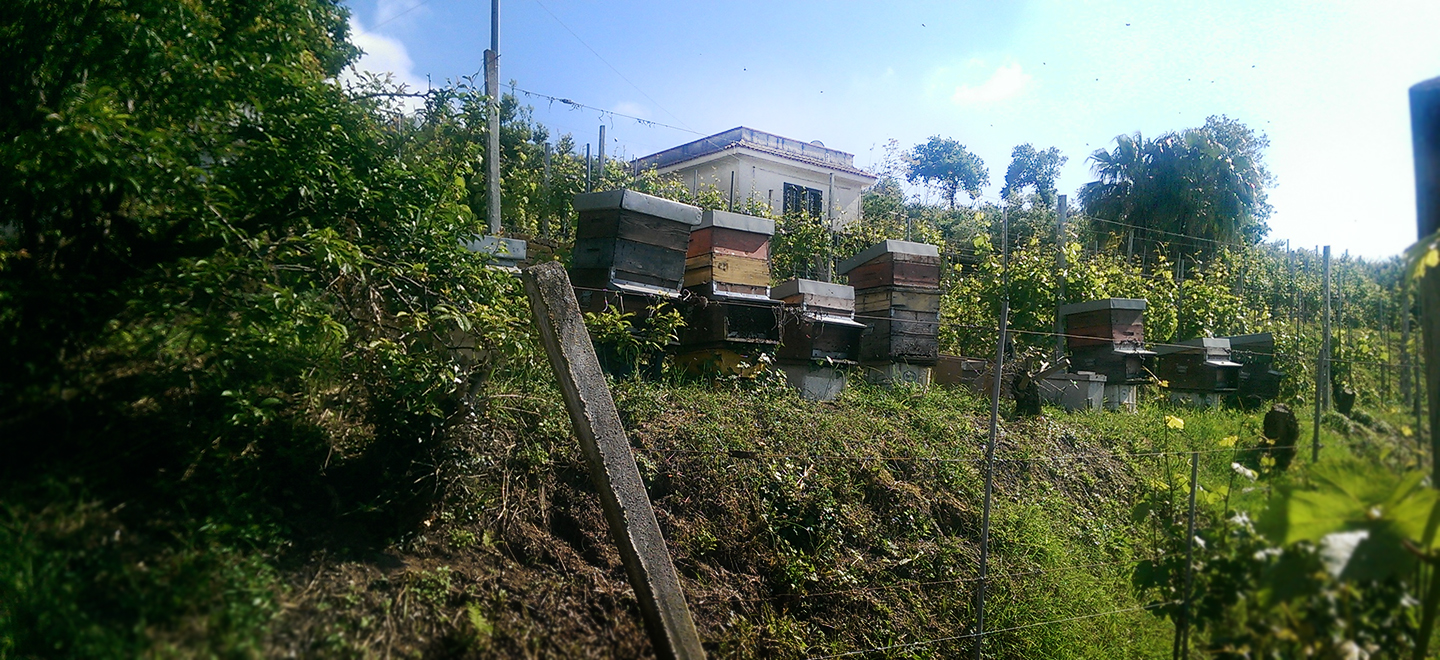 Region:
 -
Description:
Cora is an exciting proprietary label made for Bowler Wine. The wines are fresh, fun, uncomplicated, yet they overdeliver and satisfy our exacting standards!
Unlike many private labels in our market, which often come from 'tank farms' in the North, blending fruit from myriad sources, our Cora comes from a single winery partner in Abruzzo. They use 100% estate-grown fruit, including some older vines planted in pergola abruzzese.Certified sustainable farming:
NO herbicides
NO pesticides
NO irrigation
YES to limiting copper use
YES to avoiding soil compactionCertified carbon neutral--all electricity use at the winery comes from 100% solar and wind power.
Certified Vegan--no animal-derived products are used in winemaking.
We are proud to present Cora, which we believe represents the best of everyday drinking without compromise.
Image: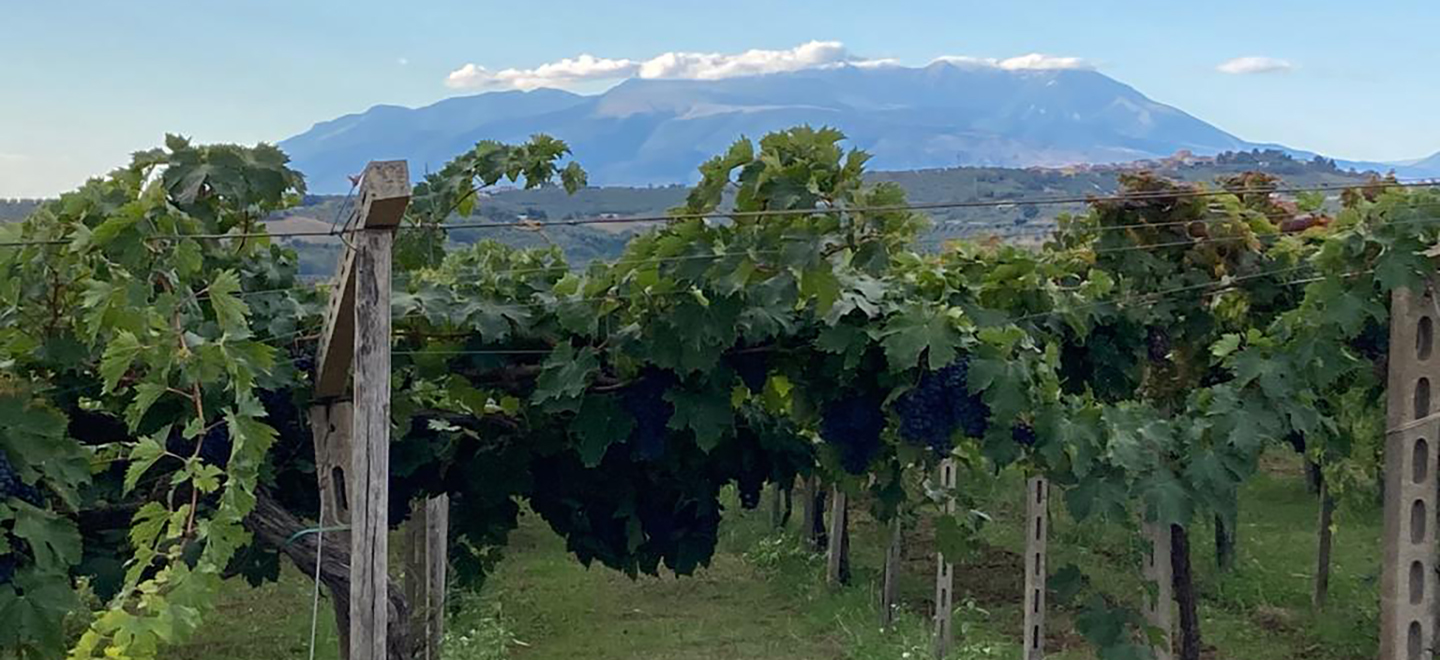 Region:
 -
Description:
Crealto is the creation of husband and wife Eleonora Costa and Luigi Armanino, originally from Genoa. In their former life, Eleonora was an audiologist and Luigi an engineer. Looking for a change of scenery and lifestyle, and already in love with traditional Piedmontese varieties, they responded to a promising real estate ad which led them to purchase 4.5 hectares of vineyard land from a man named Carlo Quarello. Little did they know at the time that Mr. Quarello was dubbed "the Master of Grignolino" by Luigi Veronelli, one of Italy's preeminent wine writers. Veronelli collected and aged Quarello's wines, made from this isolated vineyard outside the village of Alfiano Natta, in the far north of the Monferrato zone. There is not a monoculture of vines here, and only a few like-minded young producers working naturally. Eleonora and Luigi made their first vintage in 2008.
The vineyard sits at 350m in elevation, and consists of 2 hectares of 60-year-old Grignolino, as well as 3 hectares of Barbera and 1.5 hectare of Nebbiolo, both of which are 20 years old. The site was known as the Crè Alto (Crè is Piedmontese dialect for chalk). The estate is certified organic and all harvesting is done by hand. In the cellar the use of SO2 is kept to a minimum, with small amounts added after racking. The wines are often kept in tank for an extended period and released later than their peers. Since 2013, Crealto has declassified their wines in order to avoid the appellation’s tasting panel from interfering in their process.
They also run an agriturismo with creative local fare (adding a few Genovese touches, of course) and a guesthouse.
Image: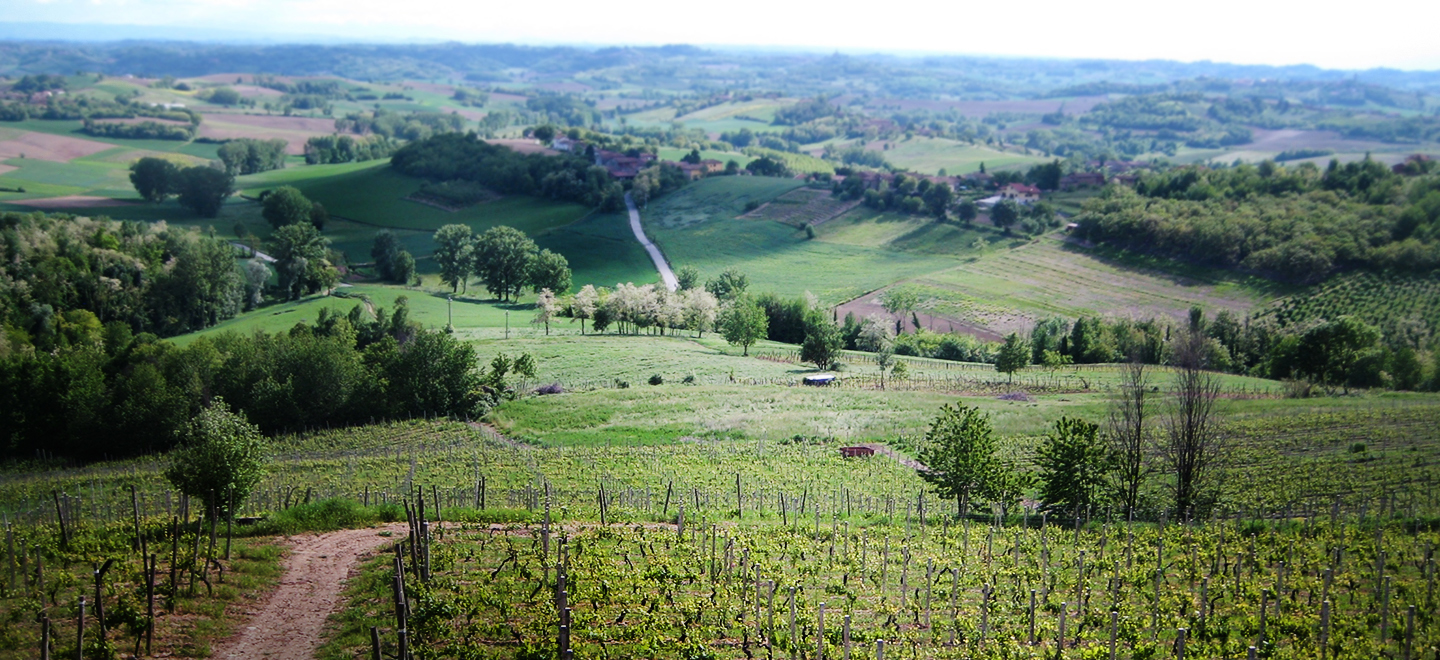 Region:
 -
Description:
Criante is a certified organic polyculture farm in Alcamo, Sicily. This is the western part of the island, in the province of Trapani, the dead-center of the Mediterranean Sea, a bit closer to Tunisia than to mainland Italia.
The Adragna family are the third generation to farm this land, though they have much deeper roots in Alcamo. Davide Adragna and his wife, Irene Figlia, are the face of the estate. 2019 was their first harvest under the moniker Criante, which incorporates all their farming activities.
As I introduce new wineries to Bowler’s portfolio, I’m increasingly searching for coherence, cohesion, and integrity. If something is described as project, it’s important that it’s not simply a commodity—it’s not enough to have a tasty, well-priced wine with a fun label slapped on it. The world has enough wine.
I knew shortly after meeting Davide and Irene that they were the real deal, two people invested in the traditions and future of their homeland, who happen to make wine. They clearly communicate what they’re doing and why, with quiet confidence. Seriousness with a smile. And they’re young. Frankly, they’re adorable!Criante’s operations are divided between 15 hectares of farmland (olives, legumes, eggs, heirloom Sicilian wheat and grains, fruit/vegetables including dry-farmed tomatoes) and 15 hectares of grapevines (Catarratto, Grillo, Nero d’Avola, Perricone). They own Sicilì Bottega Biologica, a small food and wine market in downtown Alcamo, where they sell all the things, including products from other like-minded Sicilian food and wine producers.
Their vineyards are divided between the towns of Alcamo (Contrada Modica—slightly more coastal, more sand in topsoil) and neighboring Calatafimi-Segesta (Contrada Valle—slightly more inland, more clay in topsoil). Though both areas fall within the confines of the Alcamo DOC, they prefer to use IGP Terre Siciliane or DOC Sicilia, as the parameters for Alcamo DOC are geared to fairly conventional wine. The paradox is that, to achieve Alcamo “typicity,” Criante would be forced to fine, filter, or otherwise add various enological products to their wine. They, and other Alcamo producers, have petitioned for more freedom.
West Sicily is a warm, semi-arid zone. It’s subject to the scirocco, an intensely hot wind coming off the Sahara, which can reach hurricane speeds. And yet, native varieties like Catarratto (Sicily’s most-planted grape and Italy’s third-most) have adapted to this climate over millennia, seemingly dealing with climate change better than many famous grapes of Central and North Italy. I’d like to think of Criante as Catarratto “specialists,” as they smartly tame its notorious yields and make three distinct wines from it, from each of the biotypes—Extralucido, Lucido, and Comune. The expressiveness and freshness are remarkable.
A lot is spoken about the “potential” of the deep South of Italy. Criante is part of a growing ferment of young estates inviting you experience that this promise has already been realized.
-Kevin Russell, Bowler Italy Portfolio Manager
To learn more:
@criante_
www.criante.it
@sicilibottegabiologica
www.sicilishop.comImage: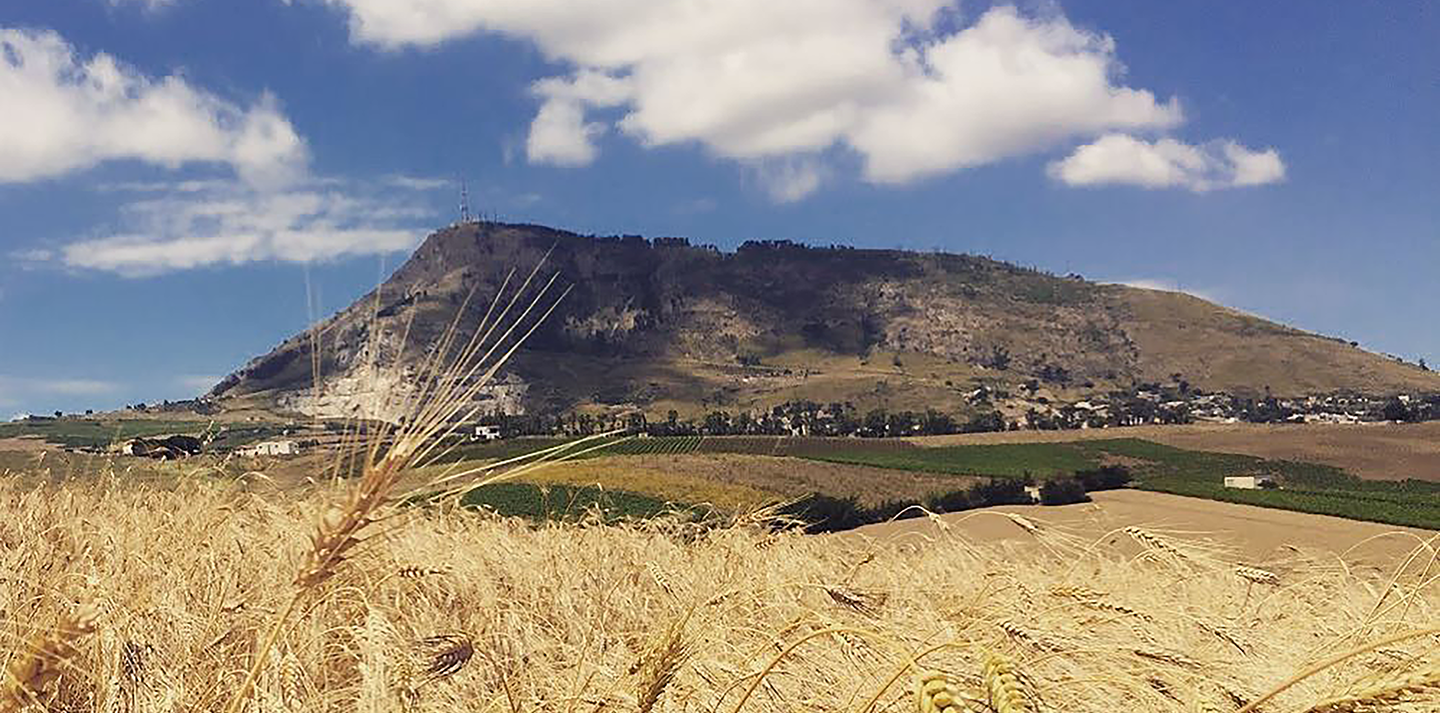 Region:
 -
Description:
Domaine de Cristia was established in 1942, with only two hectares of vines; at that time, all grapes were sold to négociants. When Baptiste Grangeon inherited the vineyards from his father in 1999, he was the first to bottle as Domaine de Cristia. Today, Baptiste manages the winery with his sister, Dominique, and they have gradually added vineyards over the years, to a total of 20 hectares of vines in Châteauneuf-du-Pape. Ninety percent of their holdings are in the lieu-dit Cristia, with the remaining ten percent spread over three different areas. These parcels are comprised of varying soil-types, including sand, clay, limestone, and galets, and benefit from a cool, fresh north-easterly exposition which allows the grapes and wines to develop supple, elegant tannins. Their Syrah and Mourvèdre vines average 55 years old and the oldest Grenache is over 100 years old.
The domaine follows organic agriculture for all work in the vineyards and has been certified from the 2008 vintage. No chemical fertilizers, herbicides or pesticides are used to treat the soils or the vines. Ploughing and weeding are practiced according to the blocks and the yields desired. Vines are treated with copper sulphate and sulphur occasionally blended with a nettle infusion/tea (four to five times a year). Only organic fertilizer (i.e., sheep manure) is used.
The grapes are selected in the vineyard and then destemmed before being put into vats. Three weeks of fermentation and maceration in concrete vats follow, with the use of indigenous yeasts. Temperatures are kept low in order to produce aromatic wines. They do not insist on any massive extraction, but prefer the ‘matière’ to express itself. Due to the work in the vineyards, the grapes possess enough concentration. The pressed juice and free-run juice are blended together according to the vintage. Châteauneuf-du-Pape wines are aged in concrete vats and barrels for a minimum of 18 months, while Côtes-du-Rhône and Vin de Pays are aged only in concrete vats for eight to 12 months. All of their wines are noteworthy for their finesse and elegance.
Image: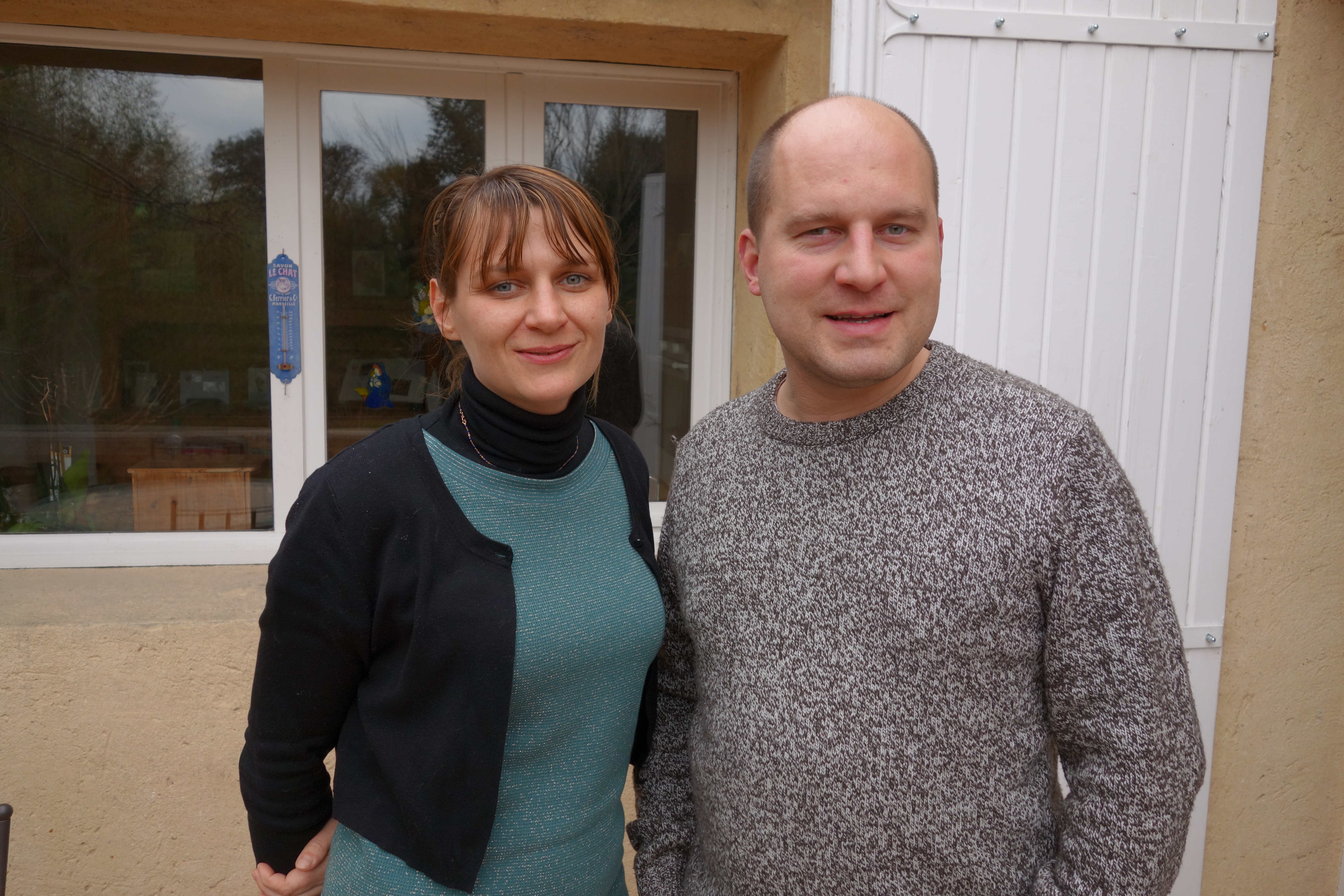 Region:
 -
Description:
Headed into the holidays, we often start to think of richer wines that can stand up to heartier meals and that also will please the palates of many different drinkers at the table. If there is a short list of the perfect wines for these occasions, Croce di Febo is on it.
Croce di Febo is Maurizio Comitini, winemaker at the estate since 1995. Although the area has thousands of years of winemaking history, Comitini is relatively new to the tradition: Maurizio’s mother was a professional dancer and his father was a doctor, so he is a first generation winemaker.
The 4.4 hectares of vines range from 280m-530m in elevation. Western exposure for the most part. The estate has been certified organic since 2018 and is also farmed biodynamically. Harvest takes place from a total of 10 parcels. They don’t stomp the clusters – everything is whole cluster, always. All wines are fermented using indigenous yeasts. Vinification uses multiple vessels, including oak barrels from France, Hungary, and Italy, concrete eggs and tanks. They add a small amount of SO2 after malolactic fermentation but before racking; most of the sulfites drop into the lees and are left behind. Bottling occurs in accordance with the cycles of the moon.
These are precise, balanced, and elegant wines that exude freshness and typicity. It’s been a while since we’ve come across a producer in Montepulciano as exciting as this.
Image: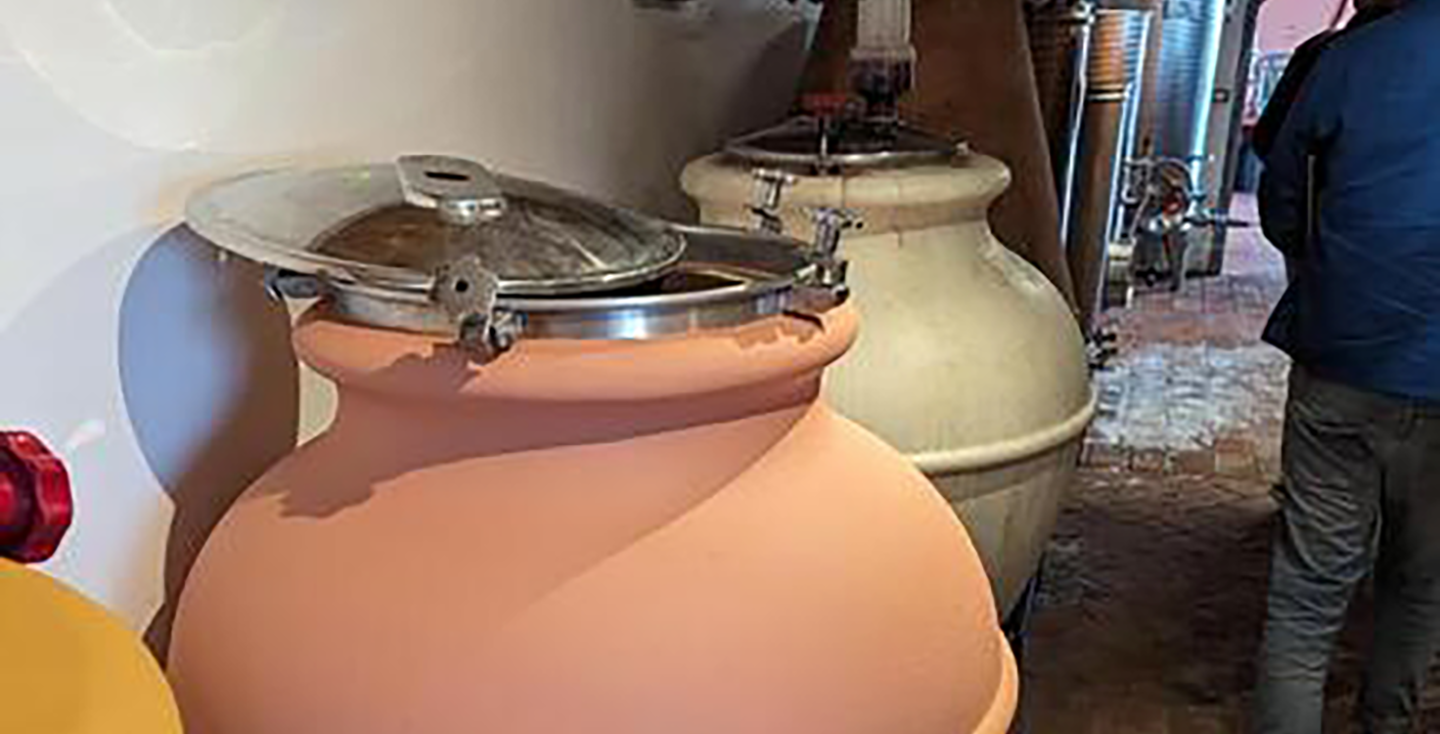 Region:
 -
Description:
Croci is a small estate in the westernmost winegrowing sub-zone of Emilia-Romagna, the Colli Piacentini, just south of the city for which those hills are named (Piacenza) and on the eastern border of the Lombardy region. Massimiliano Croci is the current generation of vignaiolo running what started as his grandfather’s property in 1935. His focus is the traditional wine of the area: white and red sparkling wines re-fermented in the bottle. Currently 8.5 of the total of 16 hectares are planted to vines—Barbera and Croatina for reds, Malvasia, Ortrugo and few others in small amounts for whites. The rest of the acreage support Croci’s dairy cows and the feed grain, hay and pasture for the animals.
In fact, milk was the main production of the farm until 1970. Massimiliano’s father realized that the family couldn’t compete with the industrial-scale dairy operations of the region and dumped dairy in favor of wine exclusively. It was made from estate fruit and was rustic in nature, sales being a mix of bulk—mainly in demi-johns that locals would stop to fill—and bottles in which the wine would naturally finish fermentation and be left as it was. In the 1980’s, very “clean” and clear, industrially grown and made wines became the standard. The Croci family pivoted to Charmat carbonation (tank method) plus heavy filtration in order to keep up with the times and to increase its production.
Massimiliano assumed the management of vine-growing and wine-making in 1999. He observed that the older, more rustic, bottled-fermented wines had held up much better and were much more expressive of the land over time. He quickly punted all things Charmat, stopped filtering and worked hard to bring the estate back around to his grandfather’s 1930’s approach. There are a couple of common shortcuts to making the local sparkling wines today: either to make them sparkle with the Charmat method and then dose them with lees to create a cloudy appearance that suggests country rusticity, or to ferment the wines to dry and add sugar to kick off a quick secondary fermentation (followed by filtration or not). Massimiliano’s “low and slow” approach is rare: the first and completely spontaneous fermentation slows down as winter approaches and eventually stops, picking back up again as spring warms up the partly fermented wines. He starts that process in cement and steel tanks, bottles the wines and allows the fermentation to continue and finish in the bottle slowly over what ends up being about a year but varies certainly. Sulfur usage is scant at most.
The old-fashioned approach in the winery alone distinguishes Croci but would matter much less if it weren’t for Croci’s distinctive terroir and impeccable farming. Their vineyard and winery are in the foothills of the Val Arda, named for a small tributary of the massive Po River. The parcels are mainly steep hillside plots of old vines at 250-300 meters on soils known as terre dei fossili dei piacentini, a loose sand full of fossilized, limestone-rich seashells (dating back about five million years to the land’s time as an ocean floor) combined with red clay. The vines are farmed entirely organically and harvested by hand, worked meticulously to achieve only moderate yields, all of which is atypical of the region. Overall production is modest: Massimiliano drastically cut back production, from 100,000 in his father’s time to 20,000 bottles by 2002. It has levelled out at around 40,000 today. By looking to the past, he has brought Croci firmly and distinctively into the modern era, with a focus on exceptionally high-quality, low-volume, traditional, re-fermented sparkling wines.
Image: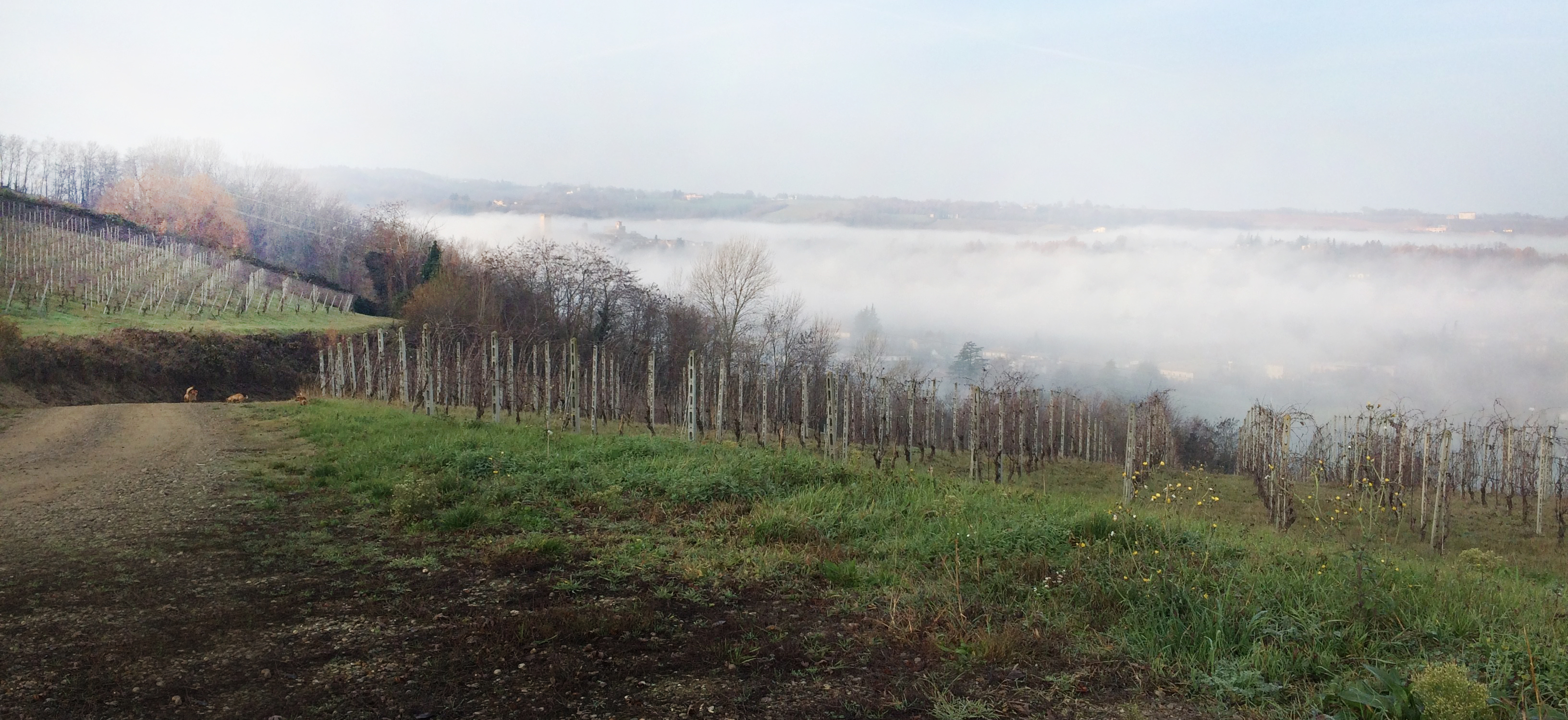 Region:
 -
Description:
For more information on Cyril and Jean-Mi, please visit Selection Massale.
Available in California.
Image: Region:
 -
Description:
For more information on Cyril Zangs, please visit Selection Massale.
Available in California.
Image: Region:
 -
Description:
In 2006 Brianne Day sold everything she owned and began traveling through wine regions all over the world. Over the following eight years she visited around 80 different regions, working at wineries in Burgundy, Argentina, Australia, and New Zealand. During this time, she re-established her home base in Oregon and worked at a number of wineries including The Eyrie Vineyards and Brooks.
From starting her own winery and releasing the first vintage of Day Wines in 2012, Brianne Day continues to produce a wide array of artisanal bottlings made from fruit sourced exclusively from a small group of Oregon growers who utilize Biodynamic, Organic, and/or Sustainable vineyard practices.
Day Wines are crafted with an attention to detail that allows for a minimum level of intervention in the winery - producing exceptional Pinot Noir, Chardonnay, and Syrah, as well as working with under-appreciated varieties such as Malvasia, Tannat, and Aligoté.
Image: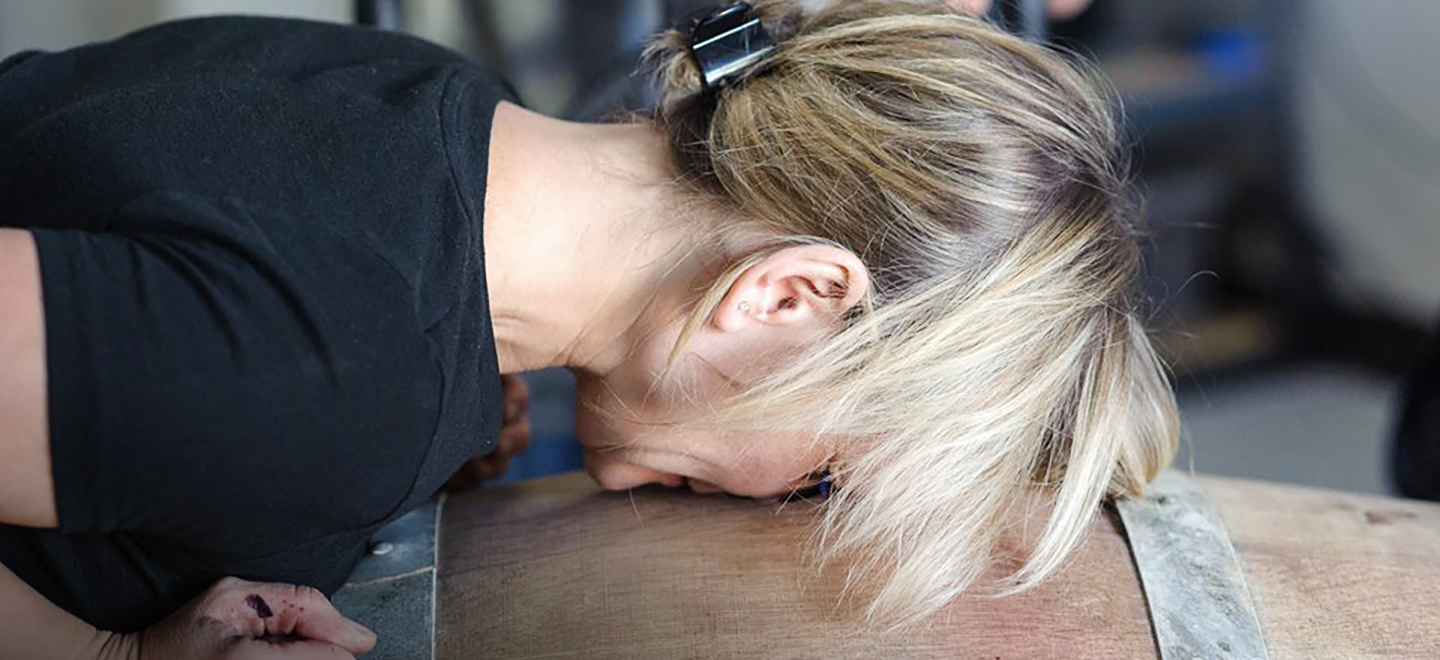 Region: