Producers
-
Description:
Juan Jesus is a proud native of Tenerife and the fourth generation of growers in the island. During the twenty-five years that he’s overseen Bodegas Viñátigo, he has considerably increased its holdings, planting varieties that he and his team recuperated. During these years he has also juggled the classes he teaches as a professor of viticulture and enology at the Ciclo Superior de Vitivinicultura. Juan Jesus and his wife Elena Batista – who has helped along the way, dealing in all aspects of production, from the vineyard to the cellar – have worked closely with Fernando Zamora from the famous Rovira I Virgili Universtiy in Tarragona, to study, catalog, preserve, and vinify imperiled indigenous grape varieties.
Varieties such as Baboso Negro and Vijariego Negro are known to us now by these names mainly because of the work of this duo who identified more than eighty different varieties in the Canary Islands. They recovered those varieties from the island of El Pinar and have since propagated them in Tenerife.
Now however, the new generation slowly started taking over, and his son Jorge Mendez, who studied viticulture in Madrid is in charge of the farming. While the work in the vineyard and winery has always been sustainable, now with Jorge all of Viñátigo’s holdings are farmed organically, and many are being treated biodynamically. Another addition to the team has been Juan Jesus’ daughter, Celia Mendez, who is in charge of marketing and other business aspects such as educational work and sales. The family works collaboratively, constantly exchanging ideas and viewpoints.
The grapes are hand-harvested and fermented using indigenous yeasts. Grapes go through two triages, first in the fields and then again in the winery. Minimal sulfur is used in the winery and no synthetic materials are used in the winemaking.
Image: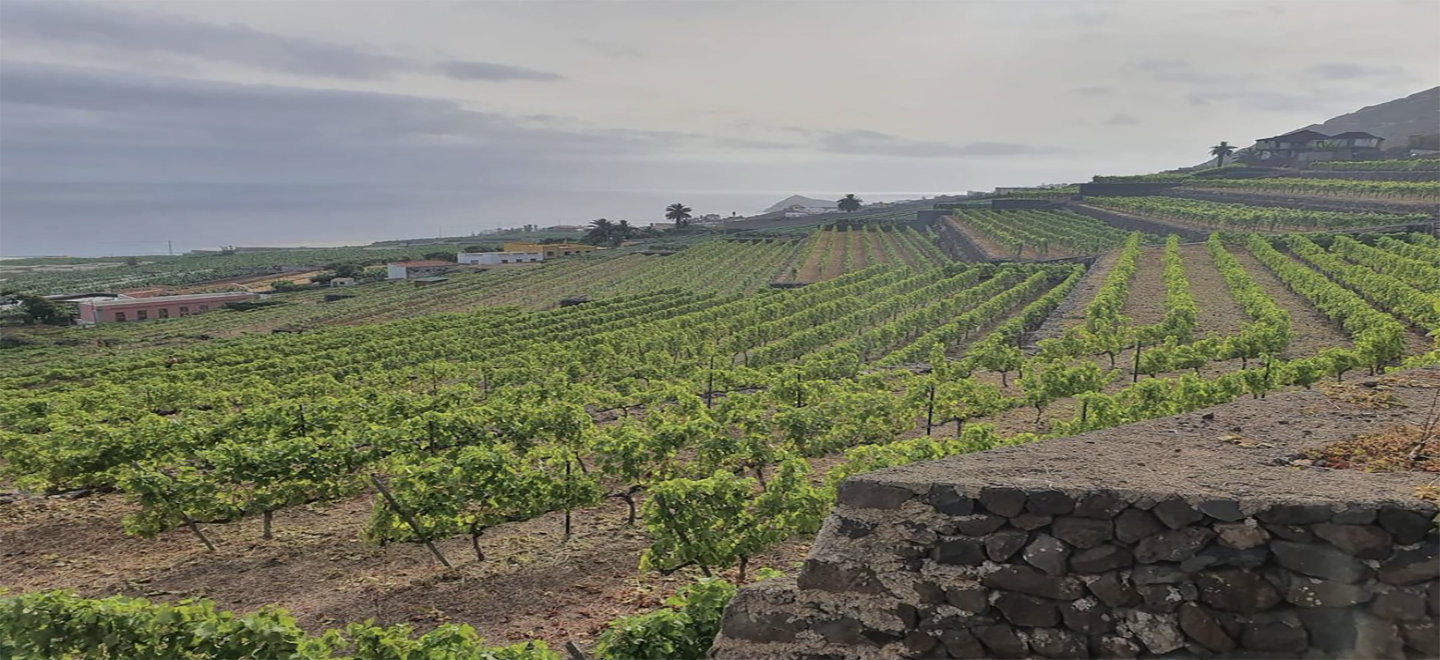 Region:
 -
Description:
Vinca Minor is a Sonoma-based winery founded and run by winemaker Jason Charles. Since its founding over a decade ago, the focus has remained on old-vine, coastal-influenced sites stretching from Sonoma Valley to Mendocino, partnering with a small group of growers, many of whom Charles has worked with since the start.
Jason came to wine through his travels as a photojournalist and a stint in the New York City restaurant industry before relocating to Northern California to pursue it full-time. Prior to launching his own project, he worked in Napa and spent time in Pomerol, gaining experience across all facets of the business, from cellar work and vineyard management to sales, before founding Vinca Minor in 2013.
Today, production remains small, with a focus on the old Carignane field-blend plantings that began the project, Mendocino Coast Chardonnay, and a nod to his winemaking roots in Napa and Bordeaux through Cabernet Sauvignon made in an old-California style. All are produced at modest alcohol levels, aged in neutral vessels, and made with minimal sulfur additions. These are wines with a clear voice, crafted for the table and for time.
Image: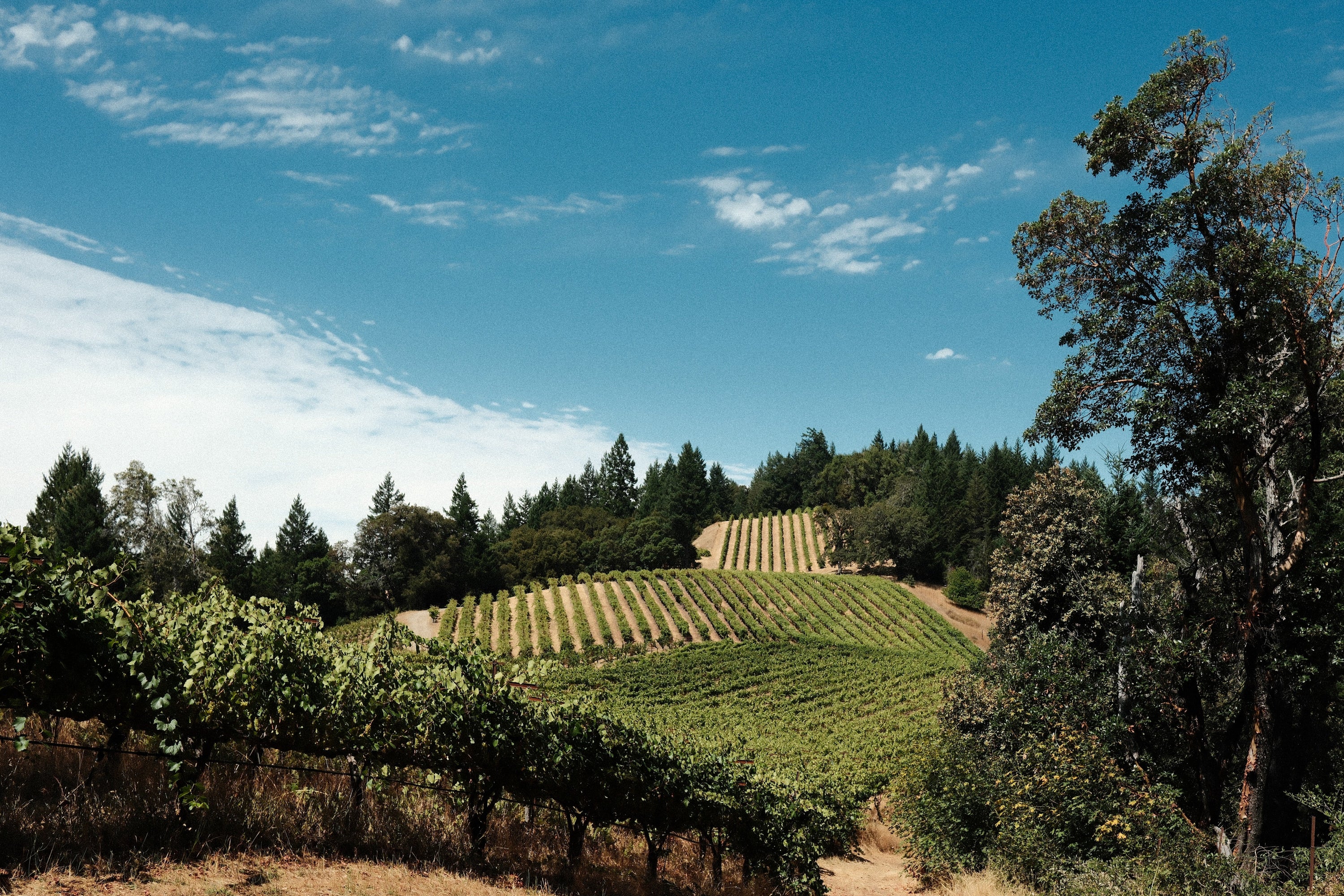 Region:
 -
Description:
At a time in history when great value in wine is more important than ever, these wines are some of the best "hidden gems" of the Bowler portfolio. Vinified exclusively for us by a fantastic family-owned estate in Abruzzo (which must remain nameless here), the Montepulciano and Pinot Grigio under the Politici label are actually small production wines, estate grown, and EU certified Sustainable, Certified Vegan and Certified "low carbon footprint" in Italy. The wines are bottled in liters as a nod to the tradition of casual "country wines" poured in Italy at parties, holidays, and family gatherings. Fruity, lively, and pure, they are wines to celebrate with--even if it's only on a Tuesday night with pepperoni pizza.
Image: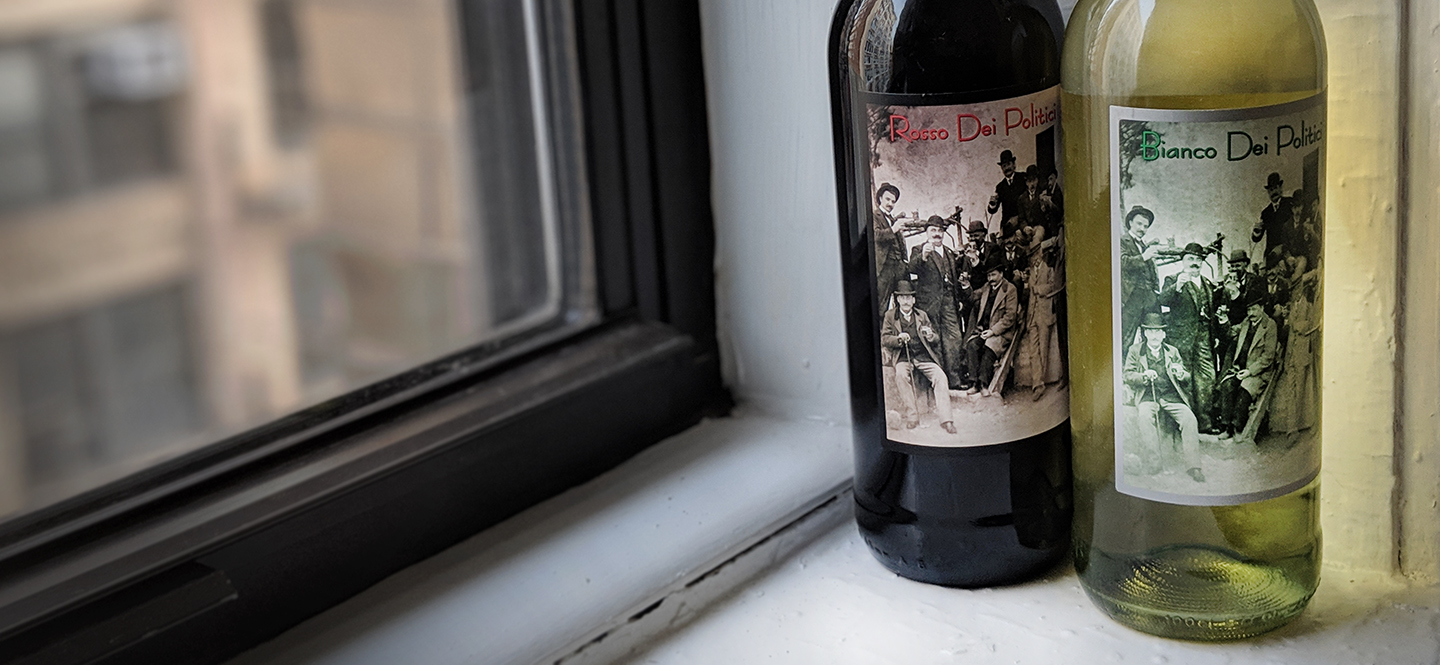
-
Description:
This venerable fifth-generation domaine has holdings in the top vineyards of both Volnay and Pommard. Joseph Voillot's son-in-law, Jean Pierre Charlot, is now the managing director; he worked closely with Joseph from 1980 until Joseph’s retirement in 1995.
For many years, Jean Pierre was a professor at the Lycée Viticole in Beaune, where he taught several of Burgundy’s rising stars. He’s a meticulous man, and what interests him is handling the challenging years when the vineyard work, triage at harvest, and careful cellar practices really pay off. It’s immediately evident when tasting through the domaine’s range that these are true “vins de terroir” (thus the judicious use of new oak), and each wine at every level reflects its origin. Anyone who wants to grasp the essence of Volnay and Pommard needs to look no further than Domaine Joseph Voillot.
Image: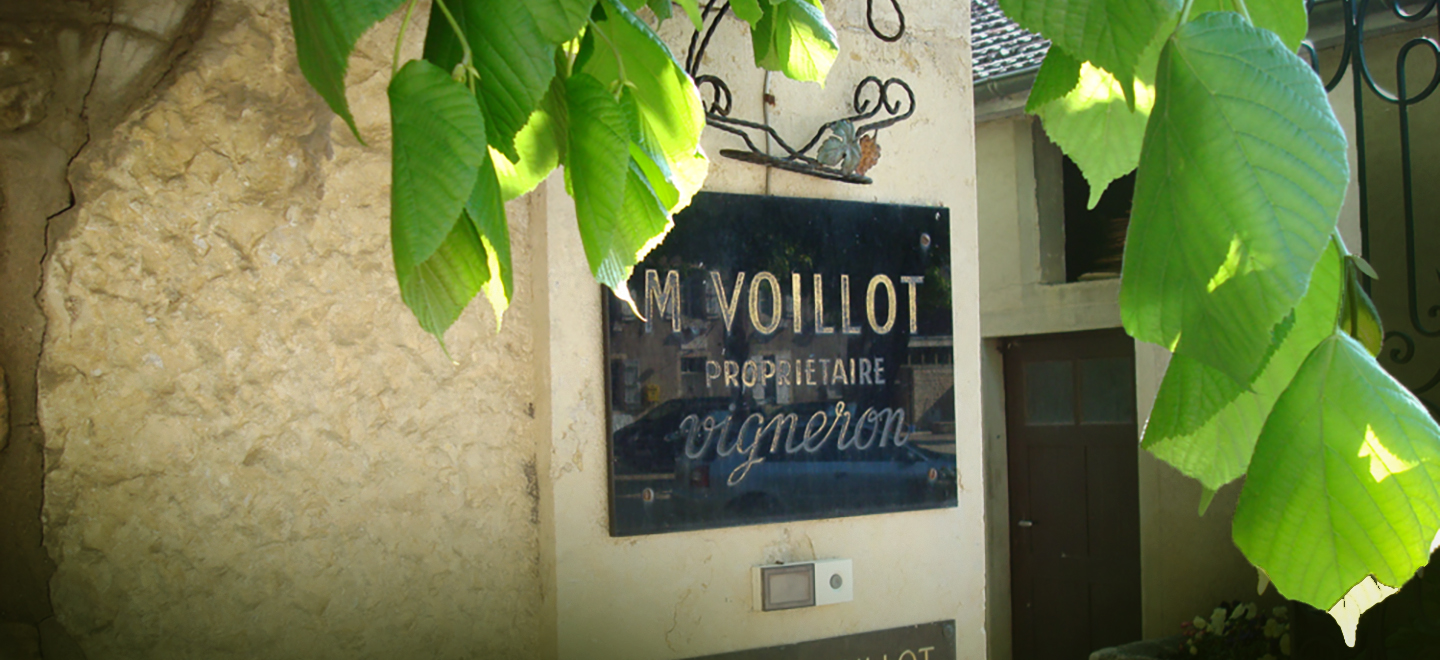 Region:
 -
Description:
Silke Mayr’s family purchased the winery and cellar in Dross in 1898. Dross is in the Kremstal, one of the first places that grapes were cultivated in Austria in the Middle Ages. The family home dates to the 15th century and was once used as a waystation for changing horses so that they had the horsepower to continue the ascent into the Waldwiertal region. The original property had two cellars, a press house, a stable, a ballroom, and two dining rooms. Silke’s father Anton moved the family business away from agriculture and towards viticulture and Silke’s mother ran a very successful inn until her retirement in 2012. Now Silke manages the vineyards and winery.
Vorspannhof-Mayr makes an assortment of single-vineyard wines, mostly Gruner Veltliner and Riesling, but since we sell Weingut Buchegger, the winery from Silke’s late husband Walter Buchegger, we have focused on selling the Gruner Veltliner and Zweigelt in the liter bottle format. The quality is exceptional since half of the fruit for each bottling comes from the Mayr family vineyards and the other half is purchased from neighboring growers in Dross and Krems. It’s rare to have a liter bottle that is sourced entirely from fruit in the Kremstal region!
Image: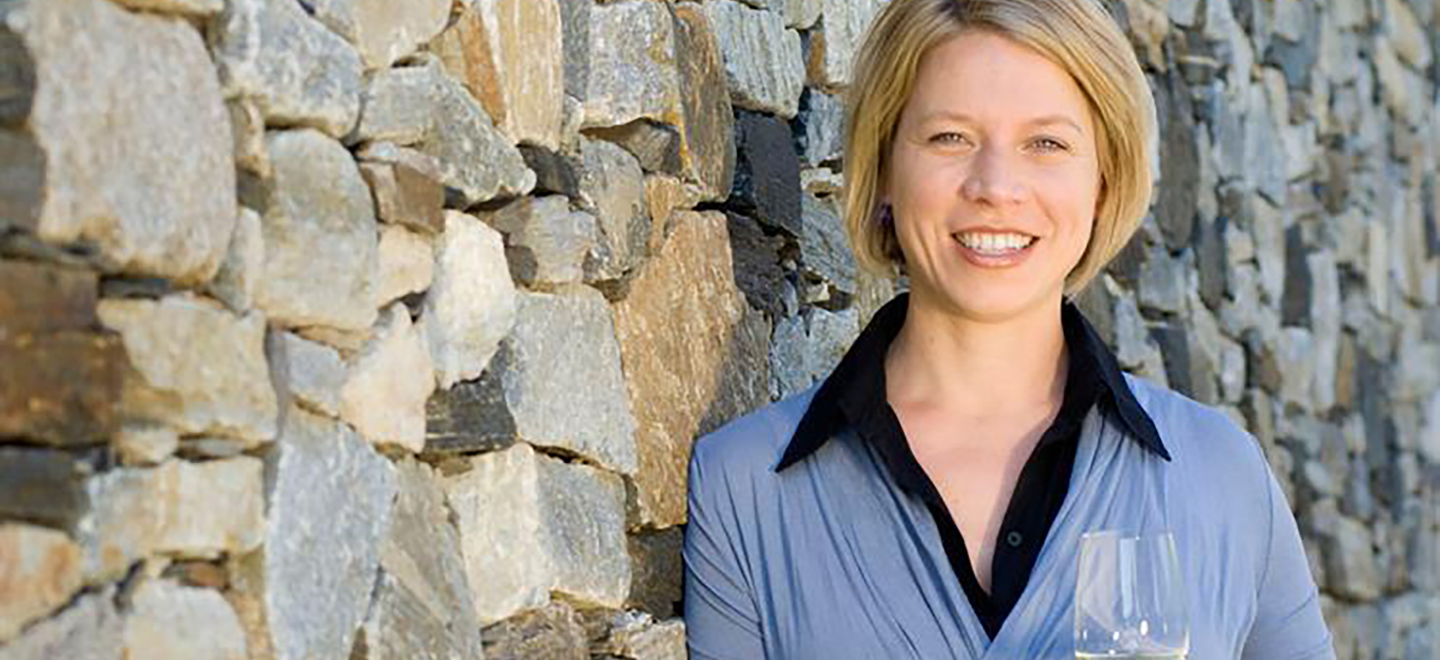 Region:
 -
Description:
Christoph Wachter began working at his family winery in 2008 when he was just twenty years old. He took over full responsibility in 2010, and now farms sixteen hectares of vineyards in Südburgenland, in the towns of Eisenberg and Deutsch Schützen. His credo, “Wine is the most interesting, natural and authentic when you recognize its origin. After that, all of our efforts are aligned - and so our grapes grow as close to nature and with as little outside influence as possible. The character comes entirely from the soils of Deutsch-Schützen and Eisenberg.”
When Wachter started in 2010, he stopped using herbicides and pesticides entirely. Today, he is one of only three producers in Südburgenland who is farming organically and is certified as of the 2018 vintage. In 2012, he studied biodynamic farming for two years and he applies some biodynamic techniques today. He allows the weeds to grow in his vineyards, as they attract beneficial insects and eventually return to the soil as nutrients themselves. Rather than add fertilizer, he leaves the vines to extract what they need from the soil itself, thus instilling the wines with minerality and allowing them to express their unique terroir. Only native yeasts are used in the cellar. Wachter ferments his wines twenty to thirty percent whole-cluster, and ages in large barrels that allow the wines to mature gracefully without obscuring them with oak flavors.
The wines of Eisenberg / Sudburgenland are very unique expressions of Blaufrankisch grown on green schist; most Blaufrankisch comes from the limestone soils of Mittelburgenland. The biggest difference between Burgenland and Südburgenland is the soil and micro-climate. In Südburgenland, the vines grow in primary rock, and the most prized terroir is the green schist of the Eisenberg hill, regarded as one of the finest sites for producing Blaufränkisch in Austria, giving wines of great finesse and focus. The Eisenberg DAC includes wines from the surrounding villages, including Deutsch-Schutzen, where you find iron rich loam and clay on top of the green schist subsoil. Deutsch-Schützen’s soils are dense with a deep layer of loam, resulting in dark and spicy wines with soft tannins. Südburgenland is cooler than Mittelburgenland and there are rolling hillsides, small mountains really, called the pre-Alps, topped with forest; this regulates the temperature, another aspect of the micro-climate of Südburgenland. Harvest here tends to start two weeks after Mittelburgenland. Sudburgenland, with 500 hectares planted is considerably smaller compared to Mittelburgenland with 2,100 hectares.
With the 2017 vintage, Christoph launced an idea that he'd had in mind for a few years. In addition to his single vineyard wines, he now bottles two village level wines, one from Deutsch Schützen and one from Eisenberg. And he makes four single-vineyard wines: Weinberg, Ratschen, Eisenberg Saybritz, and Eisenberg Reihberg. His cuvee Bela-Joska remains the flagship of the winery. It's named after his two grand-fathers and the cuvee was first bottled in 1992. The Wachter-Wiesler wines are some of the most exciting red wines made in Austria today. Wachter-Wiesler wines have silky texture, floral aromatics, great energy, and elegance - truly Blaufränkisch at its finest.
Image: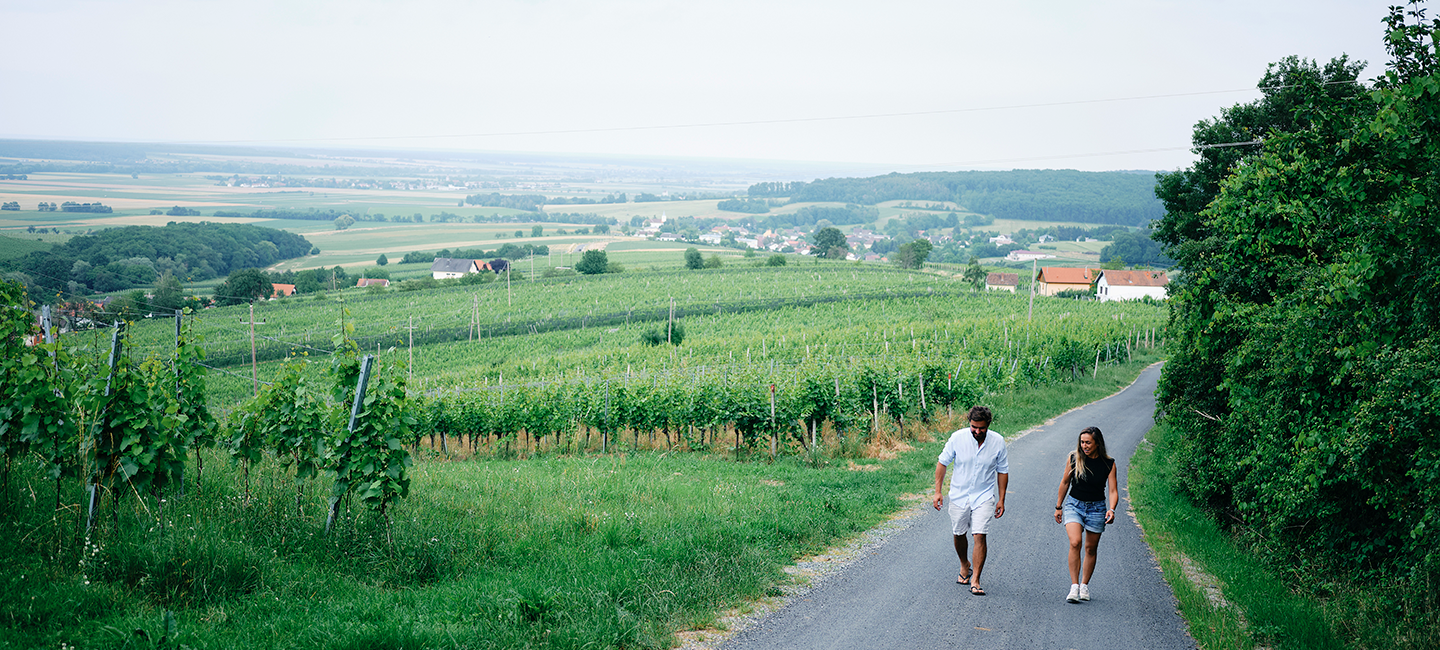 Region:
 -
Description:
The Obermosel is the southernmost part of the Mosel river, south of the Saar near the border of Luxembourg. Just next door is the Sauer Valley, where Michael Fürst operates his small family estate, one of the area's last surviving wineries. The Fürst family has grown grapes and other crops at their estate since the 13th century, and Michael is the third generation to make wine under the family name. From his rolling slopes of limestone, he offers a slew of light-bodied, fun-spirited whites and reds. We are enthralled by his delicious, single vineyard Sauvignon Blanc, a rare sighting in Germany, and a revelation for fans of this grape. But the main focus here is on the historic Elbling grape, a great old Germanic variety once planted more widely than Riesling in Germany. Today its range is limited to the cool, steep banks of the Obermosel, Sauer, and neighboring Luxembourg. There are 12 hectares of Elbling planted at Fürst, 70% of which are old vines, 25% between 10-20 years old, and 5% young. His total Elbling production is under 10,000 cases and the quality is high, vintage after vintage. We are very proud to represent one of the few small family wineries still working with this fascinating grape variety.
Image: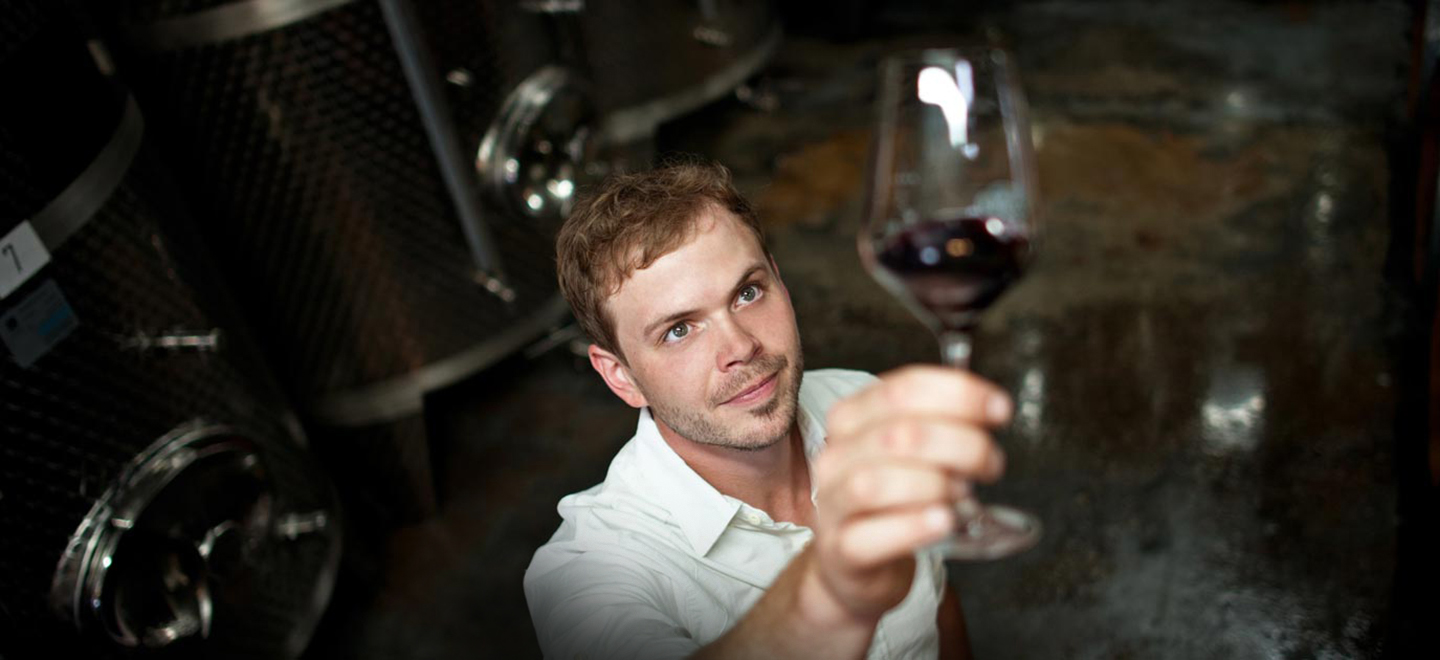 Region:
 -
Description:
The history at White Rock Vineyards extends back to the 1870s, when one Dr. Pettingill established one of the earliest vineyard plantings in Napa Valley. Like many seminal California wineries, it changed ownership several times over the years, endured prohibition, fell out of production, had the vineyards pulled out, and finally ended up used for something else entirely (horse training grounds). Luckily, this was not the end of the White Rock story.
In 1977, over 100 years after its founding, Henri and Claire Vandendriessche purchased the property; they replanted the vineyards soon after and spent nearly a decade selling their fruit to other wineries. In 1986, however, they produced their first vintage and have produced continually since then. In the late 1990s, the second generation took up the reins — their son Michael—who, after studying viticulture in Napa, spent two years in France exploring other passions before returning to White Rock to take over vineyard management. In 1999 he was joined by his brother Christopher, who took over winemaking after working in Bordeaux, Rioja, and Mendoza, and spending two years learning under Napa legend John Kongsgaard as assistant winemaker at Luna.
Situated on the eastern side of the valley at 300 feet elevation, the vines grow in the austere, white volcanic soils that are responsible for their distinctive wines, and are also the winery’s namesake. The 35-acre vineyard has always been farmed naturally, without chemical treatments and using cover crops such as bell beans, rye, and clover to enrich the soils. Today the vines are an average age of 30 years, comprised of 14 acres of Chardonnay on the cooler benchland and 22 acres of terraced Bordeaux varieties on the slopes above.
Winemaking favors minimal new oak and native fermentations. Their goal has, from the start, been to produce the kind balanced, age-worthy wines that Napa Valley was once legendary for, and time has shown that they’ve succeeded; the wines are elegant and classic. They have persisted and thrived independently of the trends that have come and gone over the past three decades; they are the embodiment of a singular place. Such careful stewards as the Vandendriessche family are a rare thing indeed, and we are extremely excited to have White Rock Vineyards in our portfolio.
White Rock Vineyards is a Napa Green Certified Vineyard and Winery.
Image: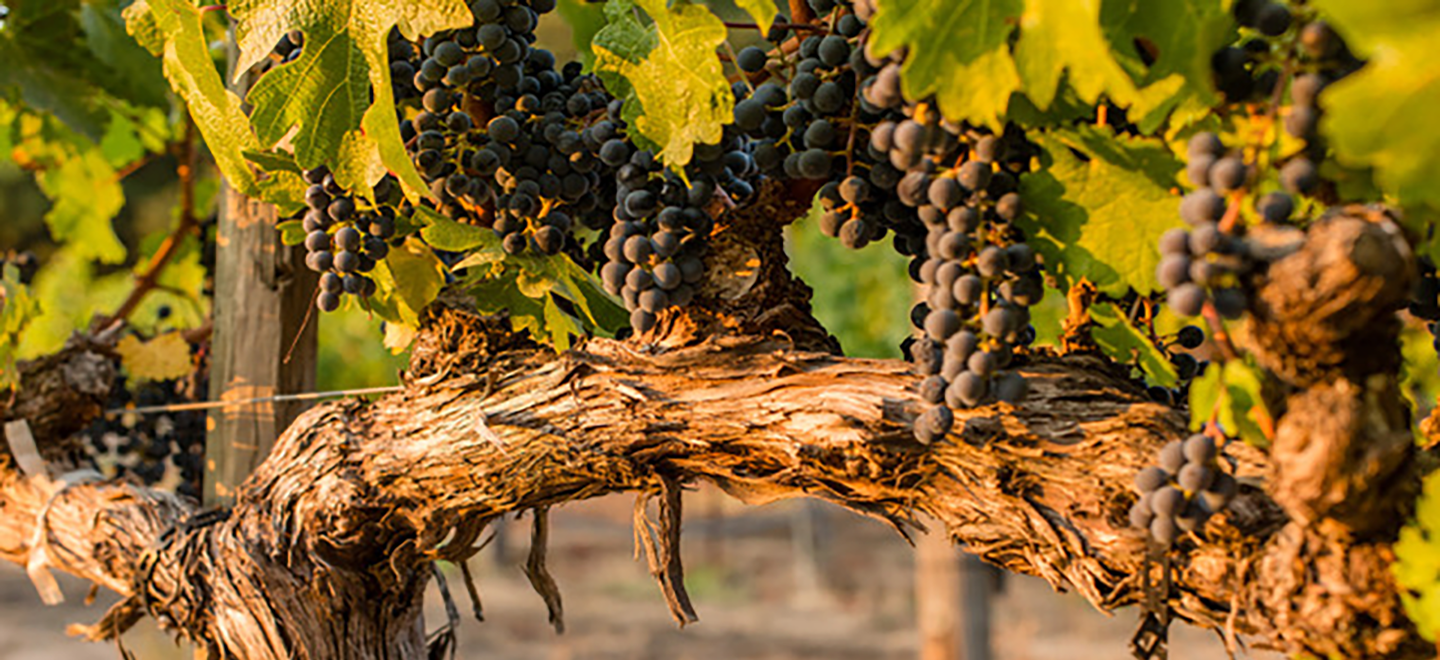 Region:
 -
Description:
Wonderbird Spirits is the result of separate but similar stories that converged around one singular goal: to make a world class gin. After two years of developing the distillery and the product, Wonderbird took flight in the Spring of 2019. North Mississippi's first distillery, Wonderbird Spirits is an eight minute drive south of Oxford on Old Taylor Road. Wonderbird is the brainchild of friends and co-owners Chand Harlow and Rob Forster, who set out to produce a spirit paying homage to the rich agricultural landscape of Mississippi.
Wonderbird gins are fermented using Mississippi Delta rice to make the base spirit. The approach, which borrows from traditional sake making, sets a beautifully clean foundation for layering subtly complex flavors and aromas. The flagship product, #61 gin took home two gold medals at the 2020 San Francisco Spirit awards. These are remarkably elegant grain-to-glass gins, perfect for martinis or sipped neat. We are tremendously excited to introduce them to the Bowler portfolio!
Image: Region:
 -
Description:
Xavier Barbet and his brother Nicolas Barbet, manage this Moulin-a-Vent winery together. The fruit comes from four-hectares spread over several parcels - Champs de Cour, La Roche, le Moulin, le Clos, Perreins and Brouilleres. The grapes are mostly destemmed and fermentation happens in large conical-shaped (tronconique) wooden fermenters and some are placed in cement tronconique tanks. The tronconique shape gives more skin contact for a long and slow extraction. Fermentation lasts seven to ten days and is followed by a maceration totalling four weeks. Next the wines go by gravity into barrels and demi-muids, new to eight years old for aging. Moulin-a-Vent is considered to be the richest Cru in Beaujolais and the longest lived.
Image: Region: