Producers
-
Description:
For more information on Thomas Perseval, please visit Selection Massale.
Available in California.
Image: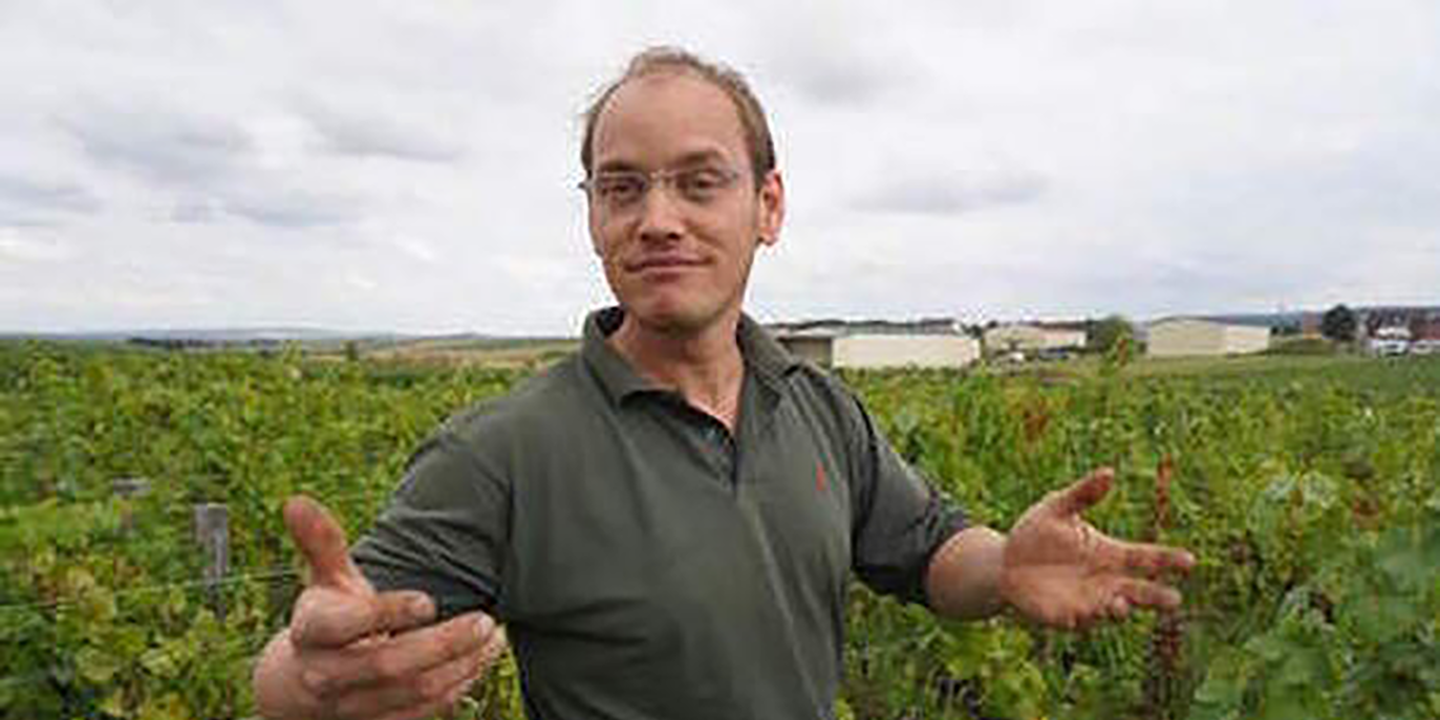 Region:
 -
Description:
Thank you to importer Louis/Dressner for this profile:
(Click here to learn more about Labaille on the Louis/Dressner website)
Years ago, we visited an old vigneron in Chavignol who had made fabulous Sancerre before his retirement, from old-vine vineyards in Monts Damnés (Sancerre's greatest vineyard site), with élèvage in old foudres and unfiltered bottlings. We asked him who continued to work in that style and he said "Cotat, and my friend Claude."
One thing led to another and we were off to meet Claude Thomas, who was busy pruning his vines in the rain. His wife dragged him into his cellar where he stripped off mud-caked boots and served us several vintages. Thomas was then 73, and wished to retire, but he was holding on in the hope that his daughter and son-in-law would take over. This finally happened when Jean-Paul Labaille, his son-in-law, quit his civil servant job and became a full-time vigneron (for the previous ten vintages, he had taken his vacation during the harvest to be the assistant winemaker to Claude Thomas).
Only minimal changes have occurred. The vineyards remain among the best in Chavignol, with a large proportion of old vines. The old barrels are not in use any more, but the vineyard and cellar work still follow the same time-honored techniques. The Monts Damnés plot is too steep a slope to ever consider machine harvesting, which is now the norm in the appellation, and it requires intensive, non-mechanized vineyard work, but this site is worth the trouble: drainage and exposure are excellen,t and ensure the best ripeness for the vintage. Labaille has somewhat tidied up Thomas' facilities, which used to be in sharp contrast to most cellars in the area; instead of a hyper-hygienic room, with wall-to-wall tiled floors and stainless-steel vats, his was a Burgundian type of cellar. Some cuvées still age in large concrete vats, others in stainless steel, and the oak barrels have been re-placed by newer ones, mostly second-hand, 2 to 3 years old, not in order to impart any oaky character to the wine, but to let it breathe and evolve slowly on its lees.The resulting wine is sensational: rich, fat, round, with layered aromas, a subtle nose and a long finish. Not a typical bistro Sancerre, but a graceful wine meant for aging and pleasure.
Image: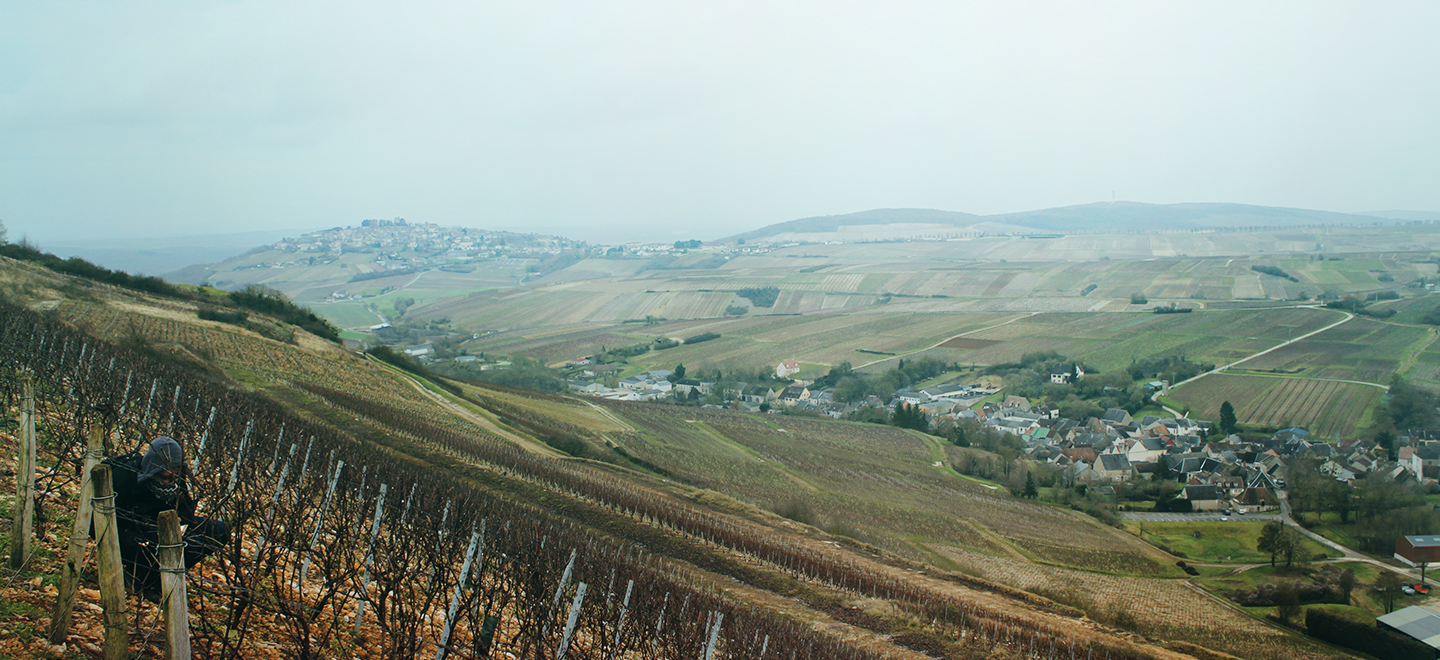 Region:
 -
Description:
Weingut Thörle is a 16th century estate (1517) in the village of Saulheim in the bullseye center of the Rheinhessen. Since 2006 it has been under the ownership of brothers Christoph and Johannes Thörle who manage 19ha in three grand cru vineyards: Saulheimer Hölle, Saulheimer Schlossberg, and Saulheimer Probstey. The soils are a mix of calcareous limestone and clay with loess top soils. They farm organically here, certified as of 2022, growing Riesling, Silvaner, and Spätburgunder (Pinot Noir) with a smattering of French grapes like Chardonnay and Sauvignon Blanc. Vinifications are primarily in small French barrels. Their dry Rieslings are firm and commanding, pure liquid expressions of limestone, ripe-fruited yet precise as needlepoint in their minerality. As far as red wine, this is one of the greatest Pinot Noir estates in Germany. Their grand crus are opulent, terroir-expressive and beautifully balanced. Their village and estate wines are rippling with black fruit and satin-textured in a style unlike other German Pinots we have tasted. They are wines of confidence and ambition.
Image: Region:
 -
Description:
With the wines of the Canary Islands now firmly established in markets across the US, it is always refreshing to see new wineries pop up in the scene. Next to the most recognizable names from the Islands we are slowly seeing a new generation of growers exploring the varied terroirs of the Archipelago.
Loreto Pancorbo and Gabriel Morales from Tierra Fundida (Molten Earth) are such growers. Living and making wine out of their house/winery deep into the country in Tenerife, they started their label in 2017, after years of working in more conventional wineries. The motivation to start their own label and build their winery came naturally. The family lives as sustainably as possible, taking advantage of their large vegetable garden and the animals they raise.
Their wines come from seven different vineyards spread around 7 hectares in the zones of Tacoronte, and Los Realejos (in the Orotava Valley). The 5 hectares in Tacoronte (where the majority of their red varieties come from) have historically been farmed organically but they are quickly introducing biodynamic practices, treating the soils not only with the 500 preparation, but using Maria Thun’s preparation, trying different tea infusions, and plants to enrich the land.
The whites come from two vineyards in Orotava, where temperatures are typically lower during the maturation period. There they are experimenting with different cover crops, feeling the difference between what they planted versus the spontaneous cover crops.
Their tiny production of 10,000 bottles is handled artisanally. There is no machinery in the winery, the racking is done by gravity, and the wines are made from whole clusters, except for one white that is de-stemmed manually. The wines are made in concrete and uncoated clay amphorae (to minimize the reductive quality of so many wines from the area), as well as old wood and even demijohns.
Image: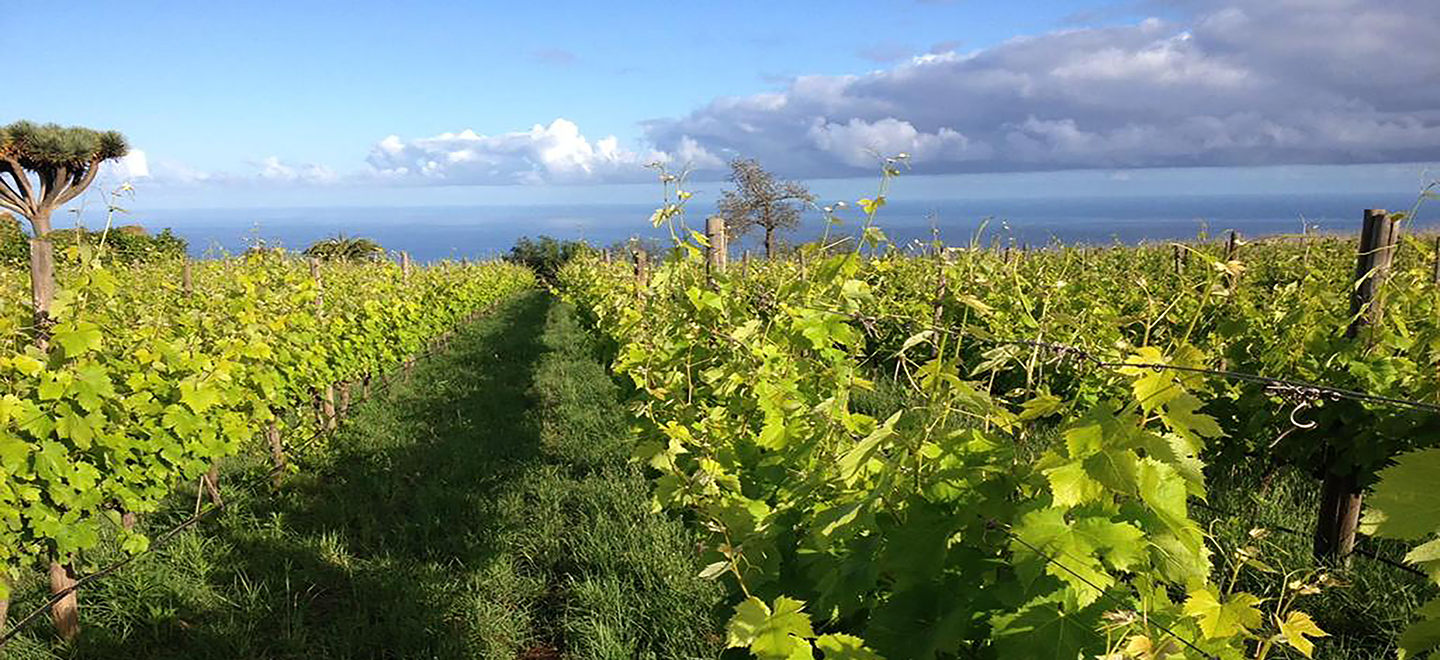 Region:
 -
Description:
I have not been to Siena during the famed il Palio, during which the townspeople dress in the colorful garb and emblems of their respective contrade, culminating in a breakneck horse race around a dangerously small rectangular track set up in Piazza del Campo. But I have been to Siena on other random, non-holiday days, and I can tell you that the Senesi don’t need much of an excuse to dress up and act all medieval. The town itself is beautifully and permanently stuck in another time. There seems to always be a church bell clanging, a wood stove smoldering, and a warm brick-orange light bouncing off stone structures.
This is the lens through which I view Torre alle Tolfe, located just outside of Siena, a mere 3km from the Piazza del Campo. There are documents proving the existence of grapevines here back to at least 1316. It is a place steeped in history but also brimming with current creative energy.
It was first mentioned in the year 785, when Charlemagne sent a French knight named Tolfo dei Gricci to the area with the task of building a lookout tower (the Torre). From Tolfo’s name, the area came to be known as Le Tolfe. The estate became a feudal farming enclave, with sharecropping families living there and working the land well into the 20th century. Though the tower was badly damaged in the wars between Florence and Siena, a replica stands on the site today.
Mario Castelli and his wife Lunella Morfini bought the land in 1953 and began restoring its structures, including Tolfo’s tower. In 1974, they made their first commercial wine sale. Today, it is owned and lovingly operated by their granddaughter, Mania Castelli-Spalding, and her winemaker, Teresa Castellani. The entire 100-hectare property is run as a certified organic farm, with 13ha of vines planted between 1993 and 2014, 15ha of olive trees, and 20ha of fields for mixed grains. The remainder is woods and the nucleus of historic buildings, which includes a B&B with farmhouse apartments. The recent focus has been on increasing the vines' resilience through the microbial health of the soil.At Torre alle Tolfe, the wines are naturally juicy and supple, coming from altitudes of around 320m on young, sandy soils from the Pliocene era, rich in oyster fossils. The terroir is very similar to Castelnuovo Berardenga, the southern part of Chianti Classico, which is about 17km east. The winery cleverly makes the two Chianti Colli Senesi wines from 100% Sangiovese. This leaves the “the blending grapes”—Canaiolo, Ciliegiolo, and Colorino—to be vinified and released on their own, a rare chance to taste them in purezza. All fermentations at the winery are spontaneous in glass-lined cement. Aging also occurs in cement, though occasionally chestnut botti or used French tonneaux make appearances. Each label depicts something from the estate's storied existence.
We are happy to have Torre alle Tolfe in Bowler’s stable (il Palio pun intended)!
Image: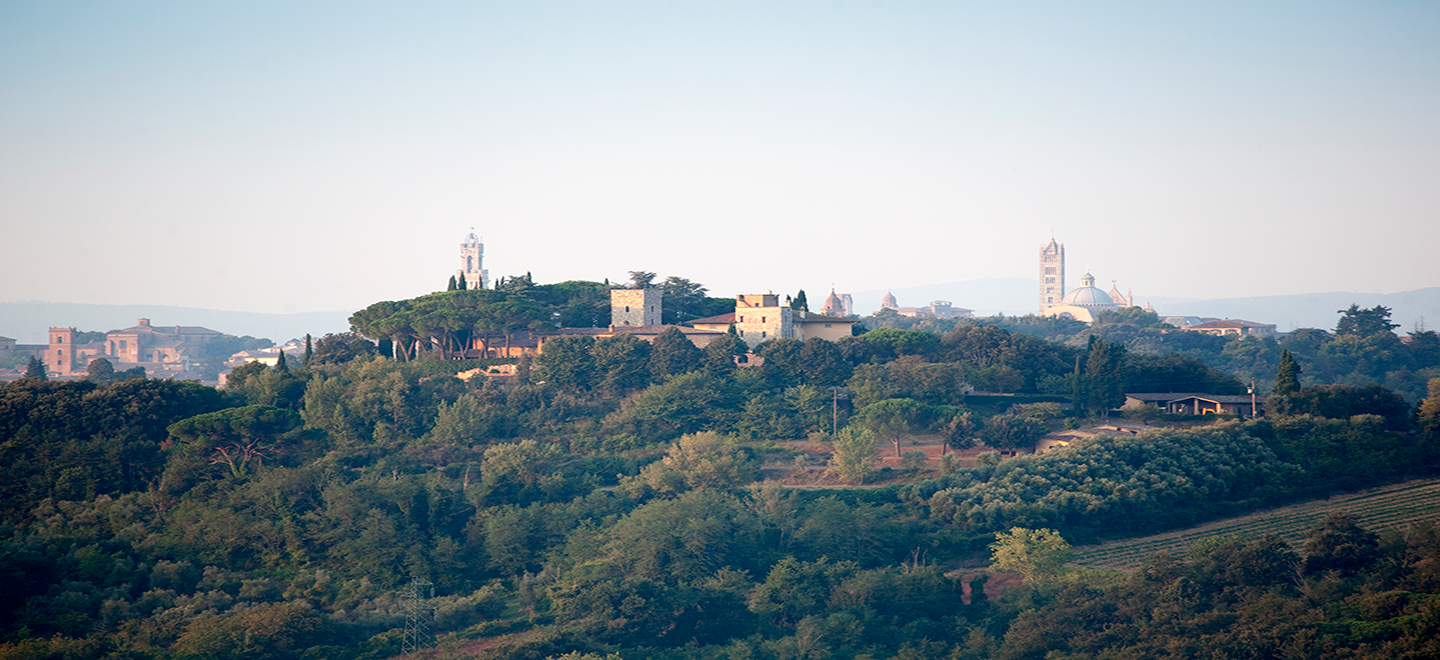 Region:
 -
Description:
The magnificent Bandol appellation borders the Mediterranean Sea and is known for its powerful reds and structured, elegant rosés. Half a mile inland on a hillside near a tiny village called Le Castellet, Domaine de la Tour du Bon is quietly making some of the best wines that the appellation has to offer.
Tour du Bon was owned by the Mauric family previously and it was a polyculture farm with pigs, bees, vines, olives, and figs. 1955 was the first vintage bottled under the Tour du Bon label. It shows the distinctive forest in the center of the vineyard and it inspired today’s label.
Agnès Henry is the current winemaker and owner of Domaine de la Tour du Bon. She was born and raised in Paris. Her parents fell in love with Domaine de la Tour du Bon and bought the estate in 1968. There were some vines planted, but they spent the next two years digging into the rocky earth and planting more vines. In the late 1980’s, her family was considering selling the property and in 1990, Agnes decided that she would move south, into the house that had been her family vacation home her whole life.
The landscape is idyllic; the house and winery are on the top of a hill with a birds-eye view to the Mediterranean Sea, visible in the distance on a clear day. Seventeen hectares surround the winery, of which 12 hectares are planted to vines. There are still patches of untouched pine forest and trees and natural brush surrounding the vines. The terroir here is a clay-limestone mix with a red subsoil. With abundant sunshine and very little rain, this is the hottest area in the appellation.
In her 30 plus years of making wine, Agnes has embraced organic agriculture and she has worked with biodynamic treatments since 2018. Agnes likes the fact that she is secluded on the top of the hill. It allows her to truly be in touch with nature and to shut out the noise of everyday life. In the cellar, she named her foudres after philosophers and writers – Baudelaire, Rimbaud, and others. Her aim is to produce wines that have all of the power of Bandol, but with plenty of finesse, and pure, elegant fruit, built to evolve and age in the bottle. The grapes naturally have power, tannins, and grip, but Agnes believes that by focusing on fruit, the result is a singular expression of Bandol and her unique terroir– wines that are pure and without artifice.
Fermentations take place in open top cement vats and normally last about three weeks; she pumps over occasionally to get oxygen to the yeasts. Following Bandol’s requirements, the reds are aged in wood (a mix of foudres and barrels) for a minimum of eighteen months. The wines are not fined or filtered. Domaine de la Tour du Bon wines are traditional and unmanipulated, offering a pure and unique expression of Bandol.
Visit the site at www.tourdubon.com
Image: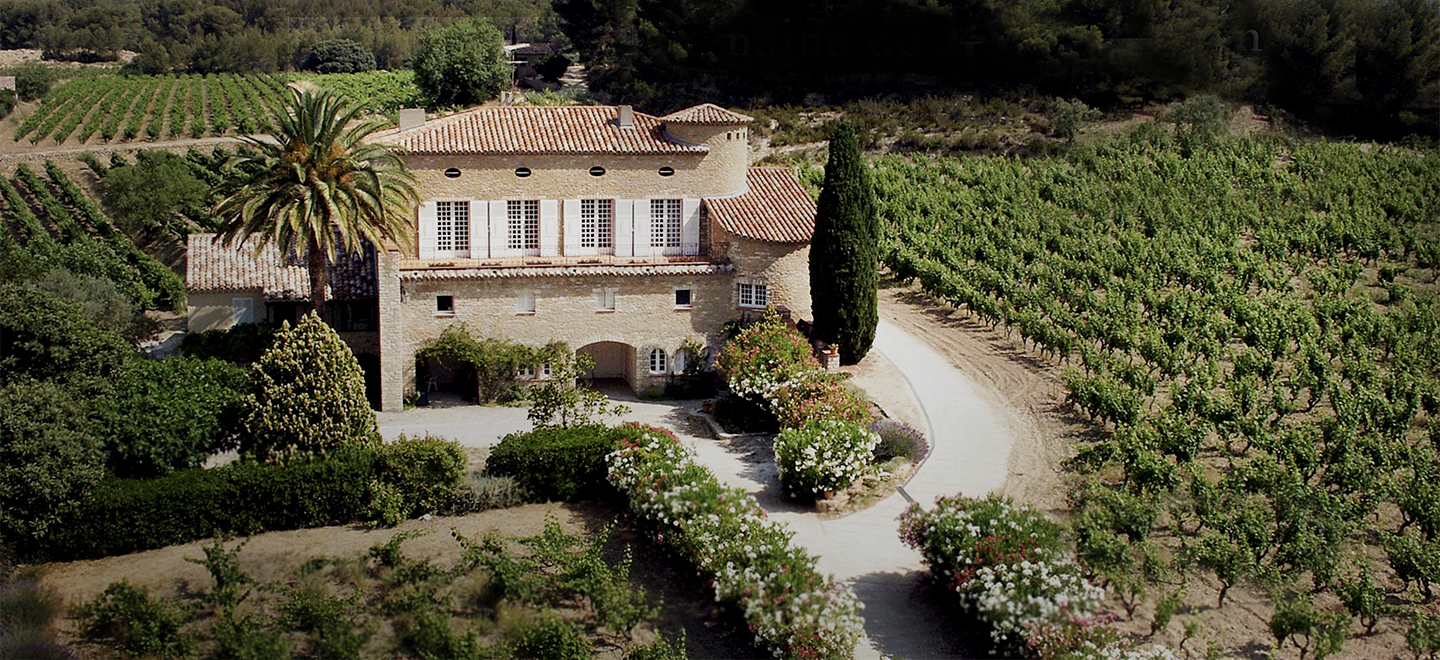 Region:
 -
Description:
It's here! TreCase--Three Houses--comes from the province of Treviso, just east of Conegliano, the heart of the Prosecco DOC zone. The fruit comes from two family-owned wineries we have partnered with for this special project. It took us years and countless blind tastings, but we finally found the everyday Prosecco we have been dreaming of, one that meets Bowler's uncompromising standards of quality, typicity, and enjoyment.
Image: Region:
 -
Description:
Thank you to importer Louis/Dressner for this profile of Clos du Tue-Boeuf:
(Click here for Louis/Dressner's Tue-Boeuf entry on their website)
Since the Middle Ages, there have been records about the lieu-dit “le Tue-Boeuf” and its excellent wines which were enjoyed by the local nobility and the kings of France; the family name Puzelat is mentioned in 15th century documents. History, though, is not the story here. It’s about two brothers, Jean-Marie and Thierry Puzelat, who tend their 10-hectare family estate in Les Montils (part of the Cheverny AOC) and rent four hectares in a village nearby to produce AOC Touraine.
The region, near the hunting grounds of Sologne, has always used a wide variety of grapes. Since the 60’s, the Puzelats' father had been making his own selections of vines to replant, leaving his sons with vines of Sauvignon Blanc, Chenin Blanc, Chardonnay, Pinot Gris (since ripped out), Menu Pineau (or Orbois), Pinot Noir, Gamay, Cabernet Franc and Côt (or Malbec). A visit to their cellar feels like a tour de France of varietals, each wine with its distinct personality, lovely label and wonderful name. Some cuvées are so small that there is never enough to go around.
Jean-Marie was joined on the estate by his younger brother Thierry in the early 90’s and they began converting their vines to organic viticulture. When the Cheverny AOC was created with the 1993 vintage, some varietals became outlawed from the blends, and the brothers started a yearly struggle to get their wines accepted under the new appellation (it bears to mention that they were also in their earliest stages of experimenting with sulfur free winemaking).
While firm believers in the AOC system, this began a trend of the brothers selling some of their wines as declassified Vin de Pays (now Vin de France). For us, it was one of the first examples of customers knowing and trusting the estate's work methods over the appellation itself. And while we cannot claim the Puzelats were the first to do this, it clearly served as a monumental influence in the world of natural wine, setting an example for those having problems or feeling stifled by their appellations' criteria.
Speaking of natural wine, Clos du Tue-Boeuf, along with Marcel Richaud, Dard and Ribo, Yvon Metras and a handful of others were at the heart of the nascent movement in mid-90's Paris. They are undoubtedly the impetus for spreading this philosophy in the Loire, which remains a hotbed of the style to this day. As Hervé Villemade, himself part of the the second wave of natural winemakers in the late 90's, puts it: "What really made me start to believe I could make wines in this style were Thierry Puzelat's. Marcel Lapierre's were the spark, but he lived 450 kilometers away from me and was working with very different terroirs; having a neighbor pull it off right next door was the inspiration and motivation to follow in his footsteps."
Image: Region:
 -
Description:
Thank you to importer Louis/Dressner for this profile. For additional information, go to Turi Marino’s own website here.
Wine has been made in Salvatore Marino’s family for generations; growing up, his grandfather and father produced bulk wine in a large facility within the town of Pachino. Always a bon vivant, Marino’s love for good food begat a passion for seeking delicious bottles from Sicily and beyond. It also made him dream of starting a project of his own. No stranger to viticulture, Salvatore knew he could start farming vines from his wife Stefania’s family. But before branching out on his own, he felt the need to learn how to properly run a cellar.
Marino had learned how to make wine with his father, but found those bulk product riddled with defects, namely brett. For many years, Salvatore cut his teeth working at huge wineries in California, Puglia and Sicily to further his knowledge of
enology.“I never liked the wines I made at those places. But you can can learn so much, so fast in those environments. The large scale gives you perspective.”
With a decade of big winery experience behind him, Salvatore launched his eponymous estate in 2017. Today he works 15 hectares of land divided into five sectors, all close to each other and the town of Pachino. A firm believer in
polyculture, seven of the 15 hectares are planted in vines, with the rest planted in fruit trees, wheat, other cereals, table grapes and much more. Some of the land is from Stefania’s family, some is rented and some Marino has purchased. The soils consist of medium to heavy clay with limestone, planted in bush-trained vines wrapped up on pickets to avoid damage from the region’s constant winds. Salvatore and Stefania do everything themselves, save for some seasonal help around pruning and harvest seasons.Though he still has access to the family winery, Salvatore does not feel comfortable making his wines there because he finds it too big and would rather be closer to the vines. In 2021, he purchased a four hectare property in the countryside where he is in the early stages of building a new winery, including a cellar, stocking room, tasting room and guest rooms. The cantina is surrounded by limestone rich coteaux: Salvatore has planted grafts of Nero d’Avola and Pignatello and plans to plant Grecanico in the near future.
Three wines are currently produced. The bianco is 100% Catarratto, and comes from a 0.5 hectare vineyard planted by Salvatore in 2016 along with a 10 year old parcel of rented vines. It macerates five days before fermenting in stainless steel, then ages in concrete tanks before bottling. Catarratto is actually a bit of a rarity in Pachino, as Grillo has gained traction throughout Sicily; most of Marino’s contemporaries are exclusively replanting Marsala’s native white grape. In fact, only four producers currently cultivate Catarratto and Salvatore is the only one focusing on new plantations.
“I like Grillo, but I do not feel it is optimal for the terroirs of Pachino. My grandfather told me when I was young that Catarratto was the white grape for this area. I always remembered that.”
The rosato is 100% Syrah and a direct press, fermented and aged in stainless steel.
Finally, the rosso is 95% Nero d’Avola, 5% Pignatello. It macerates only six days, ferments in stainless steel then ages in concrete. Salvatore’s ultimate goal with this wine is to be versatile with a meal (we can confirm it’s very good with fish) but also something you’d want to keep drinking after you’re done eating or even on its own.
Image: Region:
 -
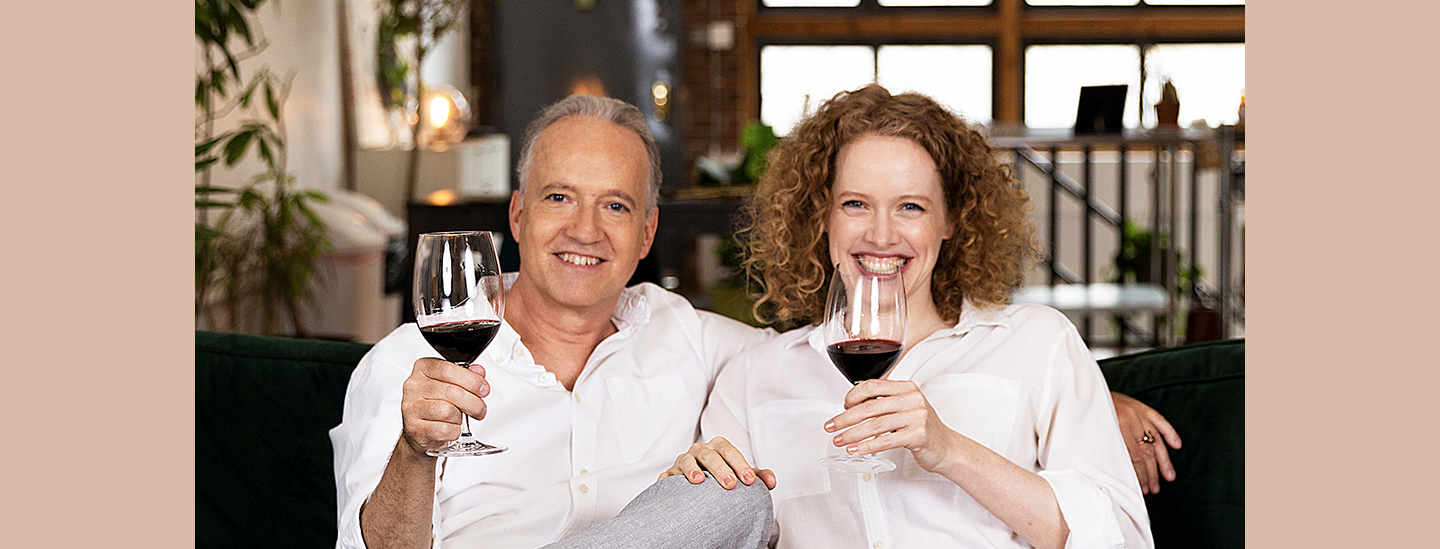
Description:Two Notes is a new partnership between New York Sommelier/singer Kristen Lee Sergeant and Grammy award-winning saxophonist Ted Nash. The duo met while working as musicians but soon found they shared an interest in the world of wine. They set out to create their own wine project and soon found what they were looking for in Santa Barbara, in the charmingly named Happy Canyon AVA.Warmer than other areas in Santa Barbara, Happy Canyon is known for producing Rhône and Bordeaux varietals rather than Pinot Noir, as in the neighboring territories. It is here they teamed up with an up and coming winemaker (who can’t be named, due to obligations to another winery) to produce Two Notes.The result is a balanced, food-friendly wine, fermented with native yeasts and aged in used French oak. Unobscured by new oak or excessive manipulation, this wine is a restrained and elegant expression of California Cabernet Sauvignon.Image:
 Region: