Producers
-
Description:
Thank you to Jules Dressner of importer Louis/Dressner for this producer profile:
Arthur Peltier and Achille Ravineau launched their eponymous estate in 2023. Though this is likely your first time hearing their names, Arthur and Achille are longtime familiar faces to us. Both local to the area, the two began working at Clos du Tue-Bœuf and Hervé Villemade in their late teens circa the early 2010s, continuing full-time at Hervé's until they branched out independently. Since tasting their earliest efforts—a few 2023 cuvées sourced exclusively from local organic fruit— through the 2025 vintage, we are excited to start sharing their wines with you stateside.
Peltier and Ravineau's time at Villemade has undeniably shaped their philosophy in the vines and in the cellar. And it goes without saying that they are working the same appellations and grapes and terroirs. To us that isn't a bad thing: as you may be aware we work with seven producers from this general area and this is our FOURTH Cheverny producer (may we remind you that this is a tiny appellation of 532 hectares?). We love the region, we love the people and we love the wines. But we also love individuals bringing their own touches—their own "patte"—to what's in the bottle.
The clincher, though, was learning that the duo's recent and largest land acquisition was a plot directly above l'Herbe Rouge in Valaire. Valaire, a tiny hamlet with a population of 85 people and, bizarrely enough, a famous Buddhist Zen temple, is dear to our hearts for a couple of reasons. The first is L'Herbe Rouge, a restaurant that for years was owned and helmed by Thierry Puzelat's wife, Cécille. Here, we used to host our legendary "Valaire Tastings," a pre-2020, two-day event where our vignerons spent the entire day and night with USA customers. Those who attended over the years still reminisce and lament the end of this 14-year era, including us. The second reason is that the roughly four hectares above L'Herbe Rouge used to be farmed by the late, great Olivier Lemasson. Olivier was a true friend whom we miss dearly, and the idea of these vines being in capable young hands pulled at our sentimental heartstrings.
Learning from their mentors, Peltier and Ravineau felt from the beginning that due to the frost-prone nature of their terroirs, négociant work would have to play a part in their business model. While a forced necesitty, this is also giving them an opportunity to learn, experiment and age their estate wines in the project's infancy to find typicity and identity in a string of complicated, wildly different first vintages. To launch the estate we are bringing in four cuvées, all from négociant fruit harvested and vinified by Arthur and Achille: "Balle dans Le Pied " Blanc and Rouge are the estate's entry-level white and red, bottled as Vin de France. Two Cheverny wines -a white called "Les Marnière" and a red called "Les Patureaux" -are parcel-specific selections picked in full from Domaine de Veilloux, a larger historic producer in the appellation.
Image: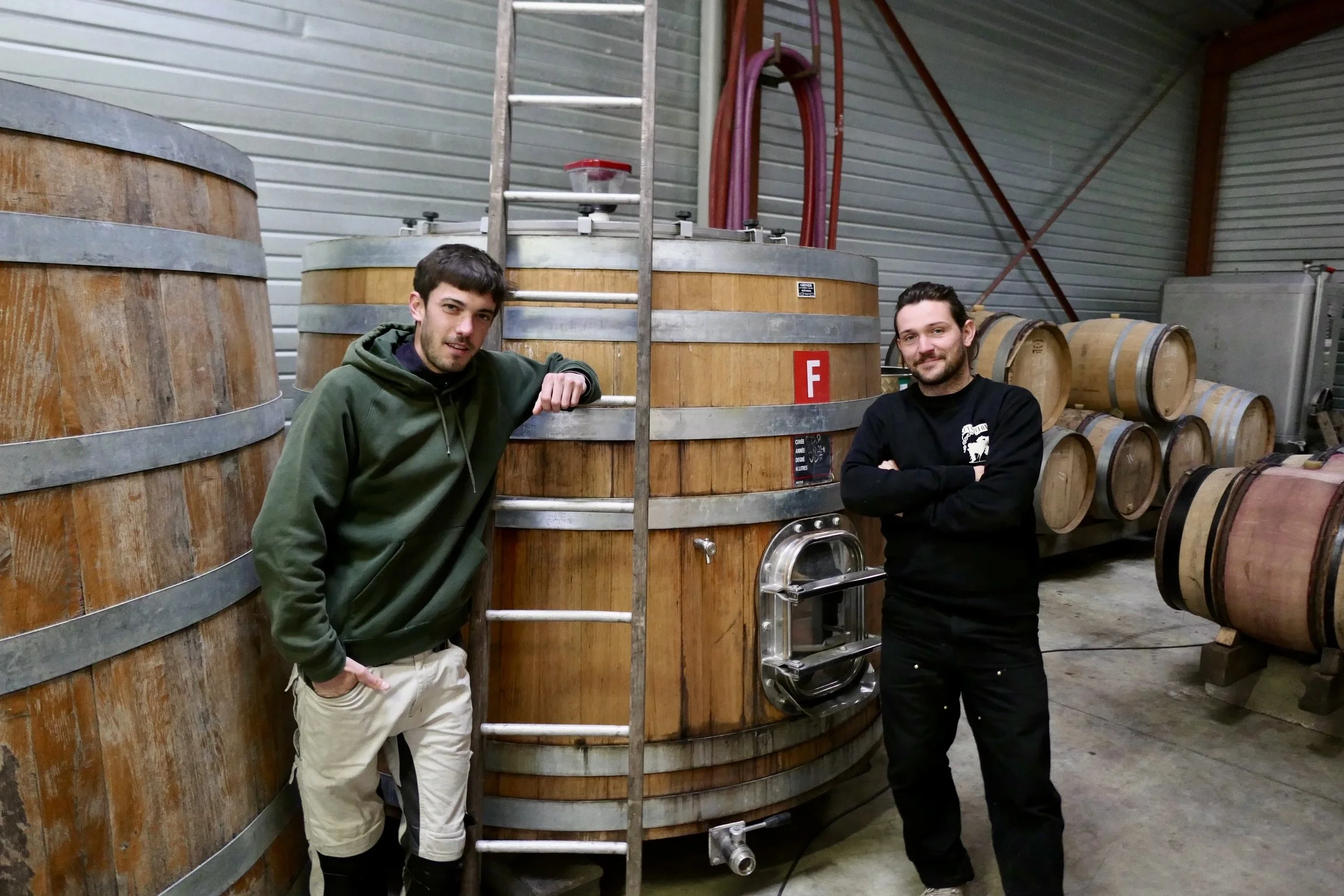 Region:
 -
Description:
Pence Vineyards & Winery is part of a 220-acre working ranch located in Sta. Rita Hills (a sub-AVA of Santa Barbara) owned by Blair Pence. Blair, a Burgundy lover, began planting the vineyard in 2004, and after researching the various soils on his property divided it into 20 different blocks.
The vineyard is located on the eastern edge of Sta. Rita Hills, near the coast and at a relatively higher elevation (450 feet). Cool ocean air is constantly flowing though the site keeping it at a lower temperature than the surrounding areas.
The soils in the lowlands of Sta. Rita Hills are known for being marine sedimentary and sandy, but due to the elevation, Pence has clay and limestone which, combined with the coolness of the site, makes it a suitable location for cooler climate grapes like Pinot Noir, Chardonnay, Gamay and even Syrah. The vines are farmed 100% organically and there are olive and almond trees planted around the property.
Respected vintner Sashi Moorman makes the wines and they reflect his penchant for producing elegant and balanced wines. Restrained but never austere these wines showcase his exemplary handling of Burgundian grapes to express the singular terroirs of California.
In addition to their estate and single vineyard bottlings, Pence Ranch produces an appellation 'Crate' series of Pinot Noir and Chardonnay, offering great value and quality.
Image: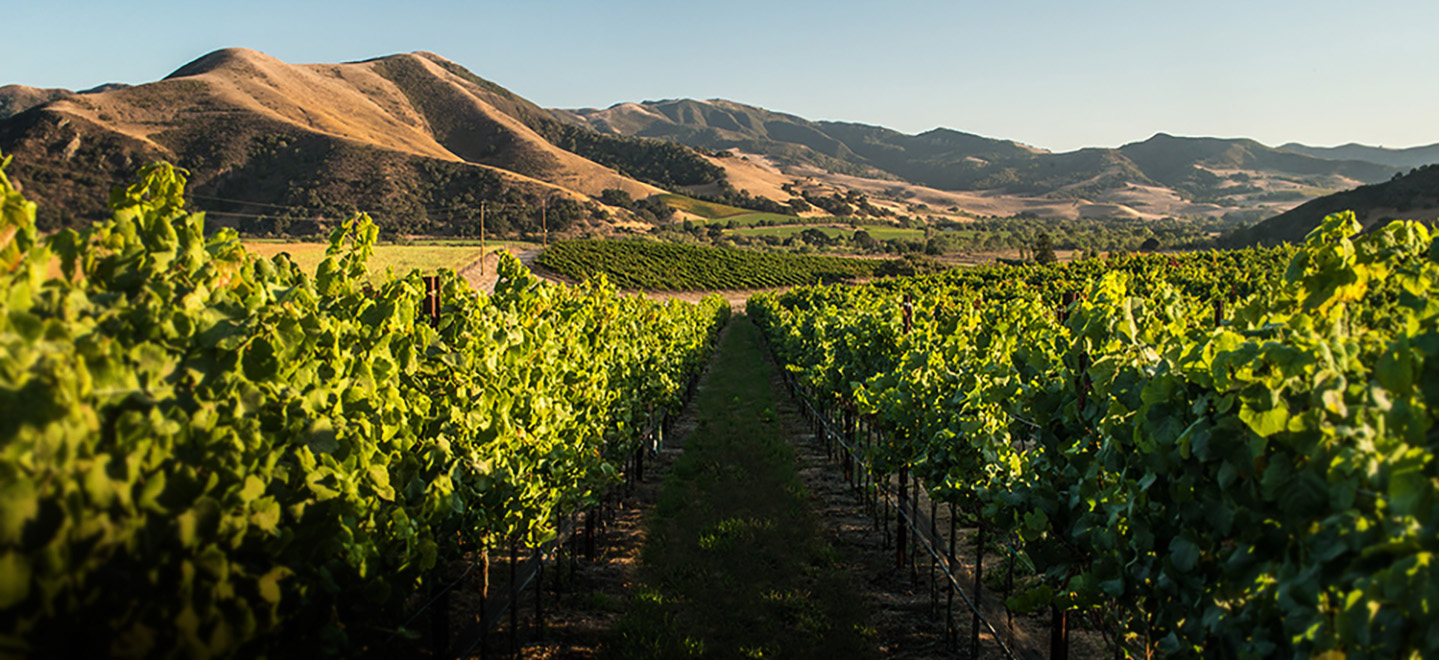 Region:
 -
Description:
Penny is a new collaboration between David Bowler Wines and the incredibly talented distillers at Union Grove Distillery. They are a "Farm Licensed" and family owned distillery, producing every bottle by hand. Built for consumers that prioritize value, Penny vodka and gin are built on a base distillate made from 100% Non-GMO corn, and pure mountain water. Clean, reliable, and easy to work with. The vodka delivers a crisp, neutral profile ideal for any highball or martini. While the gin offers a balanced, classic botanical structure that fits seamlessly into any classic cocktail. Designed to hit the sweet spot between quality and price. Penny is an unpretentious, dependable pour that performs night after night.
Image: Region:
 -
Description:
Thank you to importer Louis/Dressner and Jules Dressner for this profile of Pépière:
(Click here for Louis/Dressner's Pépière notes and photos from visits and interviews)
It feels strange re-writing profiles like Pépière’s. Almost like erasing the past, a past I was only tangentially part of! Joe and Denyse first visited Marc Ollivier in 1989. They likely began selling his 1988 in NYC shortly thereafter. Kevin McKenna, an equal partner at LDM since 1995, was their first customer for it when he was the buyer at Astor! It was our first Loire wine! I was three years old!
But the Pépière profile really needed an overhaul, so here we go. For starters, 2019 was Marc's last vintage. He's officially retired. And while his house is just minutes from the cellar, he and Geneviève plan to spend the majority or their time in Brittany enjoying the finer things in life (namely seafood). It's hard not to imagine Marc, who is REMARKABLY photogenic, as the face of the estate anymore. He is so engrained in our history, a true peer and friend; erasing his name and face from Pépière will be impossible for many of us. At the end of the day, Pépière is his creation and his presence will always be felt. And if you need your Marc fix, you can always read his interview from 2012.
Today the estate is in very capable hands with residing proprietors Rémi Branger and Gwénaëlle Croix. Rémi is a local that Marc has known since he was a kid. When his father retired in 2005, Marc purchased his land and Rémi started as an employee in 2006. Having long realized his daughters were not interested in inheriting the estate, Marc had him come on board as a partner in 2011. Gwen, on the other hand, joined in a less straightforward fashion.
After a decade working in the industrial sector, she moved to China with her family for her husband’s work. Gwen discovered wine there and it quickly became a fascination. Upon returning to France, she decided to switch careers and studied viticulture and oenology at Montreuil Bellay. Her first visit to Pépière was a pruning formation in early 2011. She instantly hit it off with Marc and Rémi (which to be fair is quite easy) and after finishing school, worked at the estate a year before becoming a partner in 2014.
Marc will be the first to admit that adding new people and perspectives helped push Pépière forward. He largely credits Rémi as the impetus of finally converting to organic viticulture, Gwen for biodynamics. Things in the cellar have evolved as well, with more judicious applications of S02 and a fearlessness to push sur-lies élevages to new heights of three, four and even five years. Rémi and Gwen's enthusiasm and ambition have also expanded on Marc's legacy of single vineyard cuvées with their expansion of the cru bottlings for Clisson, Château-Thebaud, Monnières-Saint-Fiacre and Gorges. But let’s rewind a bit.
When Marc started Pépière with seven hectares, the terroir was unified and it made sense to produce only one wine. But as the estate grew and the terroirs diversified, he began doing "what has always been done in the rest of France": he was already vinifying each parcel separately, so it was intuitive to start bottling single vineyard cuvées: Clos des Briords in 1988, Cormermais in 1992... While this may seem totally normal to the average French oenophile, the Muscadet works a bit differently.
Despite having some of the most varied terroirs and micro-climates in all of France, it remains a region of scale and bulk dominated by large négociant operations. One could optimistically opine that Muscadet's strength lies in blending all of its terroir into a more complex whole, but the blunt and far less charming truth is that most vignerons get paid (poorly) for grapes by the kilo irrespective of where they are grown because négociants don't care. Even for independent estates, it is quite common to only produce a single cuvée despite the obvious variations of soil and micro-climates within their plots.
Because the appellation is vast, grows only one grape and produces largely for immediate consumption, prices remain artificially low and do not encourage risk taking or breaking the mold. Despite being some of the cheapest viticultural land in all of France and home to living legends like Jo Landron, Michel Brégeon, Guy Bossard, Marc Pesnot, Luneau-Papin and of course Pépière itself, the environment remains poorly suited for small, ambitious vignerons. A young kid could easily, for example, start a four hectare estate in Anjou and find an immediate audience. In the Muscadet they'd need at least double the surface, would still have to charge much more than the average local bottle and would find themselves fighting an uphill battle in a reticent, price driven market. It's a shame and also why you don't see a tremendous amount of new talent emerging like in other cheap areas such the aforementioned Anjou, Touraine, Roussillon, Mâconnais or the Beaujolais.
So what does all this have to do with Pépière? Well, for the few estates who have dedicated themselves to show the true potentials of Muscadet's terroirs (essentially the names mentioned in the above paragraph along with a few others), it's been a boon of opportunity. Over the last decade, there has been a push by the appellation to create cru designations in hopes of bolstering Muscadet's reputation. Pépière was way ahead of the curve here, with half of the estate's 42 hectares falling within the crus of Clisson, Monnières-Saint Fiacre, Château-Thébaud and Gorges. At the time this was simply Marc, Rémi and Gwen picking the most interesting vineyards. And to give perspective, the average independent Muscadet estate only has holdings of 15 to 20% within the crus.
While 50% of the estate’s vineyards fall within the cru limits, cru wines only represent an average of 15% of Pépière's annual production. In some vintages they will produce less or no cru wines at all if the quality is not there. Aging on the lees are always longer than the mandated 17 months, lasting a minimum of two years. But Marc, Rémi and Gwen have not been afraid to push it to 36 or even 48 months in some cases. All grapes within the crus not deemed up to snuff (again, around 85%) go into the the entry level La Pépie cuvée.
What follows is a break down of all the cuvées and their respective terroirs:
The La Pépie cuvée is a blend of estate fruit from all of Pépière's terroirs, 50% of which fall within the Muscadet Sèvre & Maine appellation and 50% within the crus. Since 2016, the cuvée is is supplemented with purchased fruit from neighboring parcels with similar characteristics. This decision was not made lightly and results from a series of unsustainably low crops.
Clos des Briords is located on the hillsides of the river Maine, a tributary of the Loire. The site totals 4.40 hectares and the vines were planted between 1950 and 1989, with the vast majority of the vines between 50 and 70 years old. The soils are "granite de Thebaud" but do not fall within the Château-Thebaud cru designation (more on that terroir later). Only a small part of the oldest vines produce the Clos des Briords bottling.
Gras Moutons is a lieu-dit made up of two parcels totaling 1.8 hectares in the cru of Monnières-Saint Fiacre. The soils consist of sand, limestone and gneiss. The constant winds in the area make for grapes that have to be harvested later than the rest. While released young, this wine always benefits from a few years in bottle.
Clisson was originally called "Granite de Clisson" after the unique bedrock in the vineyard. Marc changed the name to Clisson to agree with the INAO cru communal classification. Pépière owns 5.5 hectares within the cru but only a part makes it to the actual Clisson bottling (the rest goes into La Pépie). It's a patchwork of vines of various ages planted on a unique mix of gravel, clay and sand on a subsoil of granite. The oldest vines were planted in 1929 and on average the vines are 60 years old.
The estate rents vines in the Gorges cru that used to belong to regarded grower Michel Brégeon. The plot is 1.67 hectares and was planted in the late 1960/early 1970's. Because it is so far from the estate, their colleague Fred Laillé works the vines organically, Pépière works his Clisson vines and they exchange hand-harvested fruit. Gorges is the only area in the Muscadet featuring basalt soils. The wines have a unique structure compared to the others of the region.
Monnieres-St-Fiacre, planted in sandy limestone on gneiss, is the first officially designated cru in Muscadet. Prior to this being a cru, Pépière would occasionally produce this wine as Cuvée Eden and/or it would go into Gras Moutons. Pépière owns 3.35 hectares within the cru. The vines were planted in 1948, 1984 and 1991.
For Château-Thebaud, Pépière owns 14 hectares within the cru but only the best grapes go into the Château-Thebaud bottling, with the vast majority goes towards the production of La Pépie. They work a plethora of plots of all ages and sizes, many as small as 20 ares. The vines were planted between 1952 and 1997 with most vines planted between the late 1960's and early 1980’s. The “granite de Château-Thebaud" here is fissured and permeable by the vine roots which have access to water during dry spells and absorb micro-nutrients along the way. Thébaud always needs longer aging on the lees than any of the other cru wines, for example 42 months in 2012.
In addition, a little over three hectares of Carbernet Franc, Côt and Merlot are cultivated, planted by Marc so he could have some to red to drink. As there is no red wine in the Muscadet appellation, these are classified as Vin de Pays.
Wow, the recap is done! Because I didn't feel like deleting it, here is Joe's original profile from who knows how long ago:
When Marc Ollivier is on, these are the top wines of the AOC - wines that are not only delicious young, but that can also age 10, 20 or 30 years.
Ollivier’s Muscadet-sur-Lie is the authentic item — it has lees contact until the time of bottling, generally in late May. This extended contact gives it the crispness that makes Muscadet so refreshing, and the classic wine match for seafood. It is the traditional way to make Muscadet, but has become the exception as growers and shippers rush to bottle “technically correct” wines by early January.
In this rush to bottle, Muscadet producers use special “starter” yeasts (which often also add flavors and aromas) to accelerate fermentation and enzymes or other techniques to finish the wine early. Sterile filtration is in rampant use.
Ollivier takes his time. He hand harvests (also a rarity in the region), uses natural yeasts, waits for the wine to finish and bottles with a very light filtration. The vineyards are in old vines (40 years and older) with a particularly good exposition on a plateau overlooking the river Sèvre. All the vineyards are from original stock: Ollivier is the only grower in the Muscadet who does not have a single clonal selection in his vineyards.
Ollivier also produces a very-old-vine cuvée of Muscadet from a single-plot vineyard in schist, the Clos des Briords. These are among the oldest vines in his estate (they were planted in 1930) and they enjoy a particularly good exposition. Also, when most of his estate’s vines are planted on poor, shallow soil with hard granite very close to the surface, the Clos des Briords has a much deeper top soil of clay and silica over a brittle granite subsoil: this ensures excellent drainage in wet years, and better moisture retention in dry summers. Ripening is slower, and the longer hang-time before harvest allows for optimal maturity to be reached.
The vinification techniques are traditional for the area: no skin maceration but direct pressing within 2 hours of picking, racking of the must after 12 hours to remove the solid matter, and controlled temperatures, not to exceed 71.6 degrees F, for the fermentation. The aging of the wine, on its lees in stainless steel vats, lasts until bottling, about eight months later.
Because of the soil and greater concentration achieved with old vines, the Clos des Briords is a more powerful wine that most Muscadets. It is very mineral and quite austere in its youth, rather than fruity and light. Over a few months, or even years, if one can wait for it, it develops much complexity in aromatics and structure.
His latest cuvée, called Eden, comes from a vineyard he acquired from his neighbor. The soil is gneiss. The wine is lively with lovely floral notes.
Image: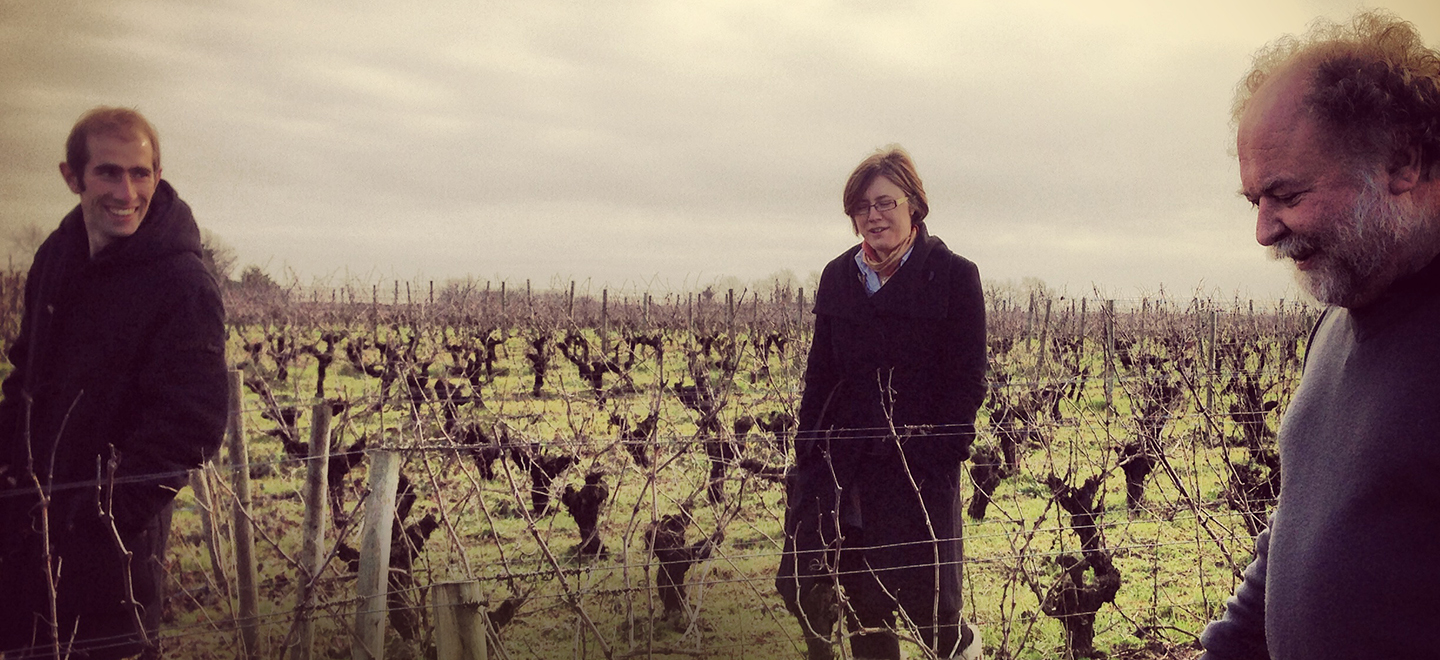 Region:
 -
Description:
Jean Perrier et Fils is a family estate passed from father to son for seven generations since 1853. Gilles Perrier has worked alongside his father for many years and his son recently joined the winery. The domaine has slowly expanded over the generations and today they own sixty-two hectares focusing mainly on varieties indigenous tothe Savoie, Jacquere, Altesse, and Mondeuse. The grapes of the Savoie are largely unknown outside the region and many of them cannot be found anywhere else. The altitude creates stunningly fresh and idiosyncratic wines.
Maintaining quality has always been the priority for the Perrier family and vineyard work is sustainable, certified by HVE. Grapes are hand-harvested and gently vinified in stainless steel tanks. The Perrier wines are appreciated for their complexity and freshness, dry but fruity with a lot of minerality - a pure expression of Savoie.
Image: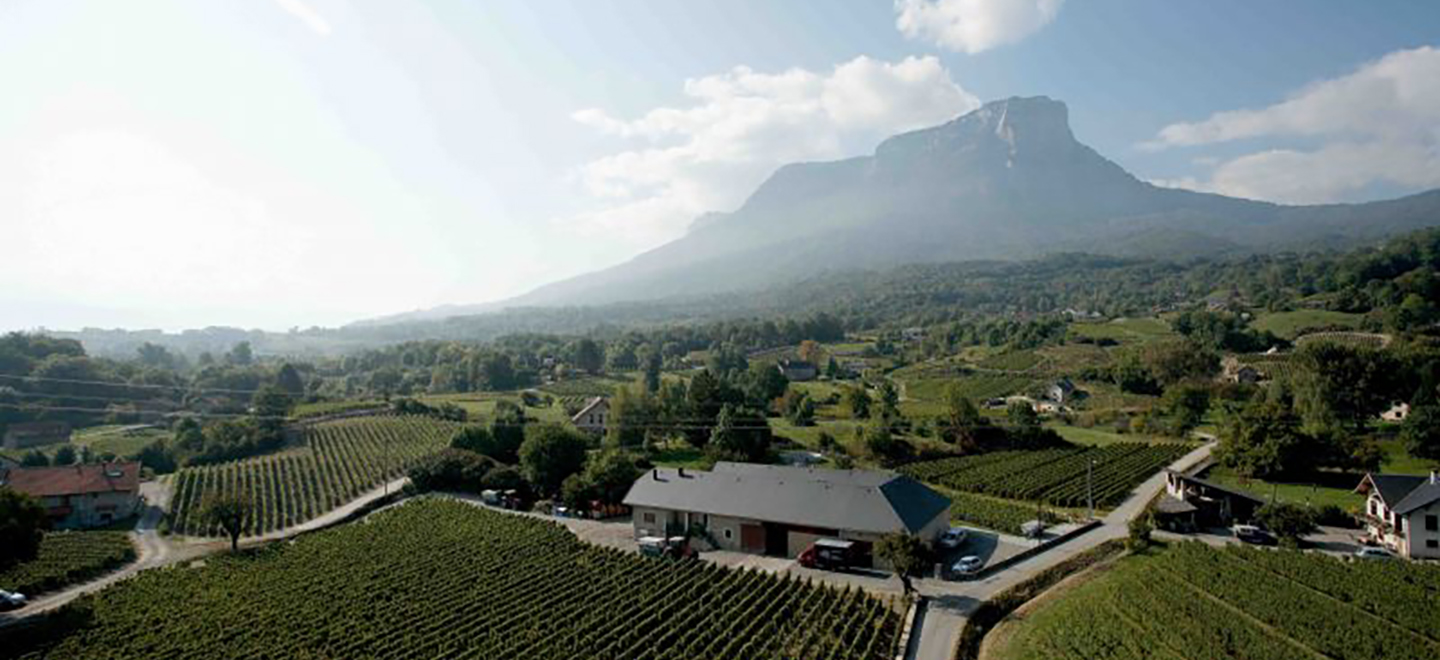 Region:
 -
Description:
Thank you to importer Louis/Dressner for this estate profile:
(Click here for on Louis/Dressner's website and here for Perrini's website)
In the southernmost part of the heel of the "Italian boot", otherwise known as the Salento Peninsula of the Puglia region, the Perrini family has been growing grapes and making wine for generations. For many years, most of their fruit was sold off to négociants, as the means and finances to estate-bottle were prohibitive. Current generation Vito and his sister Mila Perrini set about changing that in the 1990's, building an underground cellar and converting their fifty hectares to certified-organic viticulture--neither of these steps being the norm for a bulk-production-oriented region accustomed to heavy-handed, high-alcohol red wines. Their vines average 30-35 years of age at this point, spread amongst several zones in the hills around Castellaneta near Taranto on a mix of sand, limestone and clay soils. The vineyards are plowed in the spring, and yields are kept to around 55hl/ha, modest for the region and the warm, easy-ripening climate. Most unusual for Puglia are an underground cellar; manual harvest; and natural yeast fermentation. Perrini wines are remarkably balanced, light-handed and savory compared to the usual Puglian fare, especially at their very modest price level.
Image: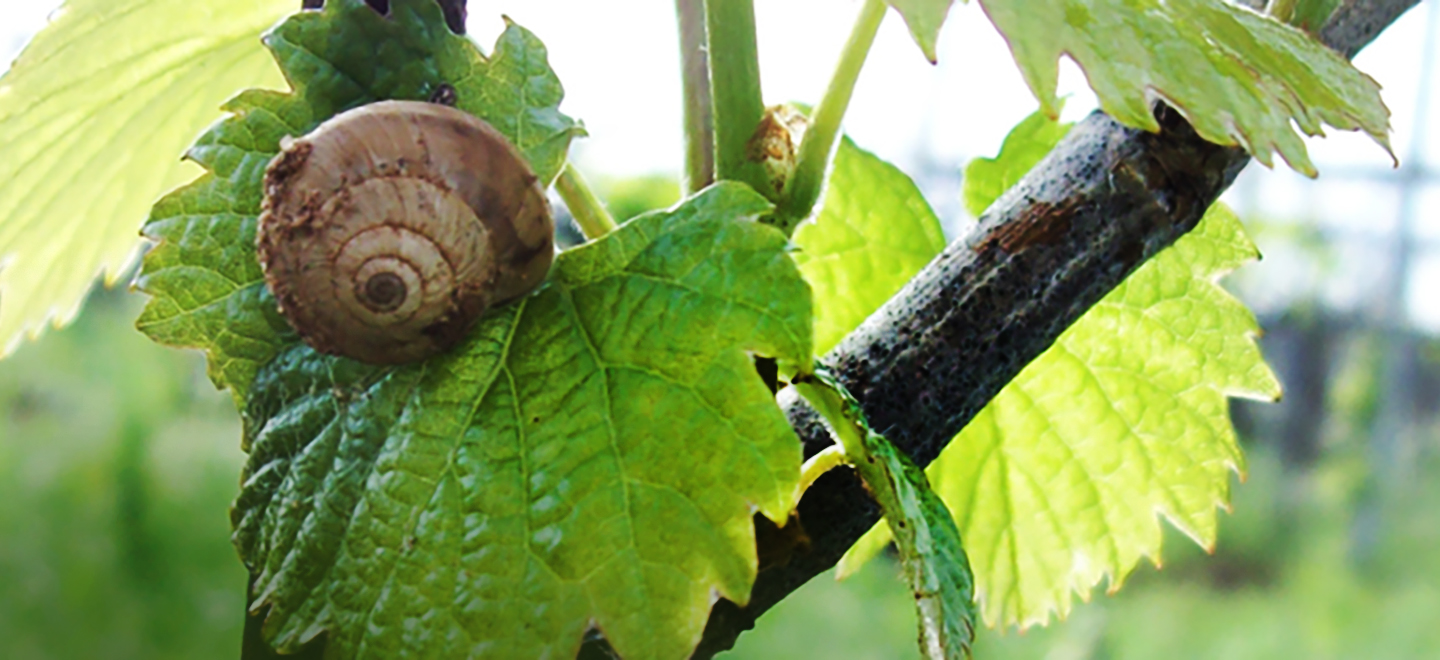 Region:
 -
Description:
Seiichi Saito is the man behind this exciting, new micro-négoce, a Japanese expat with Chinese origins who studied at the wine school in Beaune in 2006, and then moved to Burgundy in 2008 to dig deeper. Before starting Petit-Roy in 2017, Seiichi spent time working with a few brilliant domaines such as Bize (where he worked with Patrick and the team for a couple of years), Mugnier, Rousseau and Leflaive. In 2014, he co-launched one of the most successful (and probably tiniest) restaurants in Beaune, La Lune, known for their cuisine of precision, elegance and pure umami indulgence.
Acquiring vineyards in Burgundy is a difficult task, but Seiichi managed to buy two hectares of regional appellations which he works biodynamically. He complements the range with purchased grapes from friends in "modest" appellations. In terms of vinification, he is fond of whole cluster for reds, prefers to limit extraction with pump-overs and a few, gentle punch-downs towards the end of alcoholic fermentation, uses minimal SO2 during or post élevage, or prior to bottling. He very rarely adds SO2 at vinification, and prefers to bottle without fining or filtration.
The wines reflect Seiichi’s unique journey in wine and gastronomy. They provide immediate enjoyment, combining bright fruit and pure, salivating energy that lingers on the palate. - www.beckywasserman.com
Image: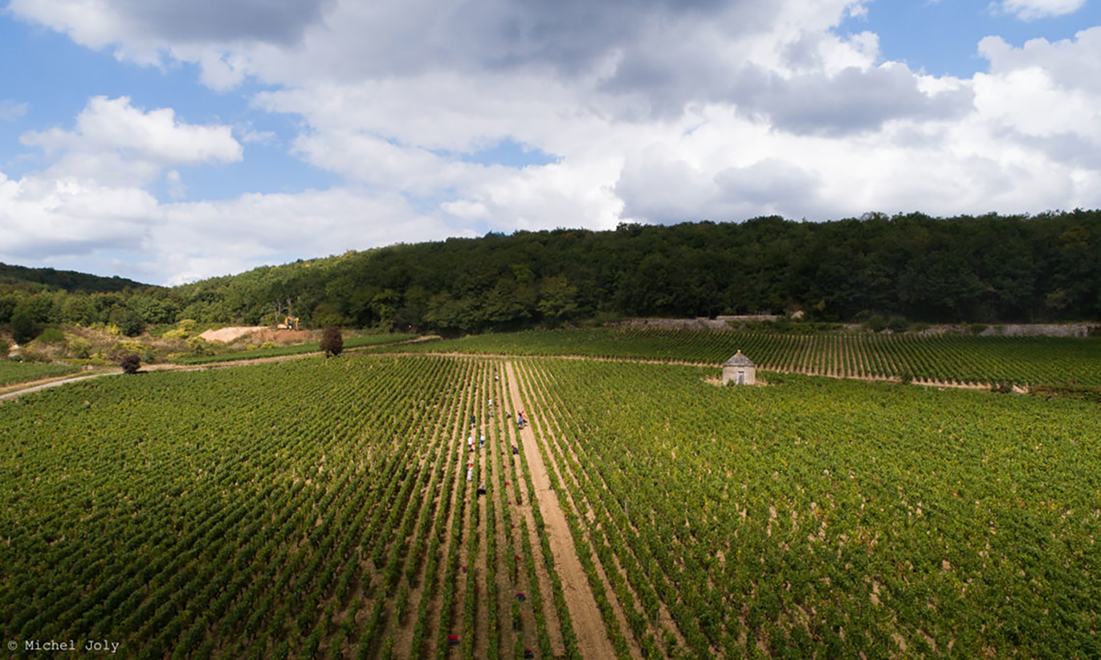 Region:
 -
Description:
Although Catherine de Loze did not intend to take over the family winery, when her father passed away, she needed to make a decision: continue as a lawyer or take over the winery. For her, it was not possible to sell land that had been in her family for 400 years. Château Peybrun, the oldest family-owned winery in Cadillac, has been in the family for such a long time that the plots are named after ancestors. All 15 hectares surround the house and winery in a single block on rolling hillsides with mostly southern exposure. Farming is sustainable, no herbicides or pesticides are used in the vineyards.
Traditionally, Cadillac was best-known for sweet wine. It’s located across the Garonne River from Sauternes and the grapes are commonly affected by botrytis; the main difference is that Sauternes is a rather flat area and Cadillac has chalky, clay slopes. De Loze’s father was the first to plant red grapes on their land— a third of their vines are red— but two-thirds of the vineyards are still planted to white grapes. However, the overall production of white is lower than red because of low yields for the sweet wines.
De Loze never had any formal training and the first year, she was calling a winemaker friend daily for help to make the first vintage in 1985. The winery has remained unchanged since De Loze took over; the fermentation and aging for the Cadillac-Côtes de Bordeaux happens in old, unlined concrete tanks. These wines are beautiful examples of a traditional, old-style of Bordeaux.
De Loze is proud to be one of the first women to make wine in Bordeaux and the leopard symbol on the label—the symbol for Eleanor of Aquitaine—refers to a group of women winemakers who fraternized in the eighties.
Image: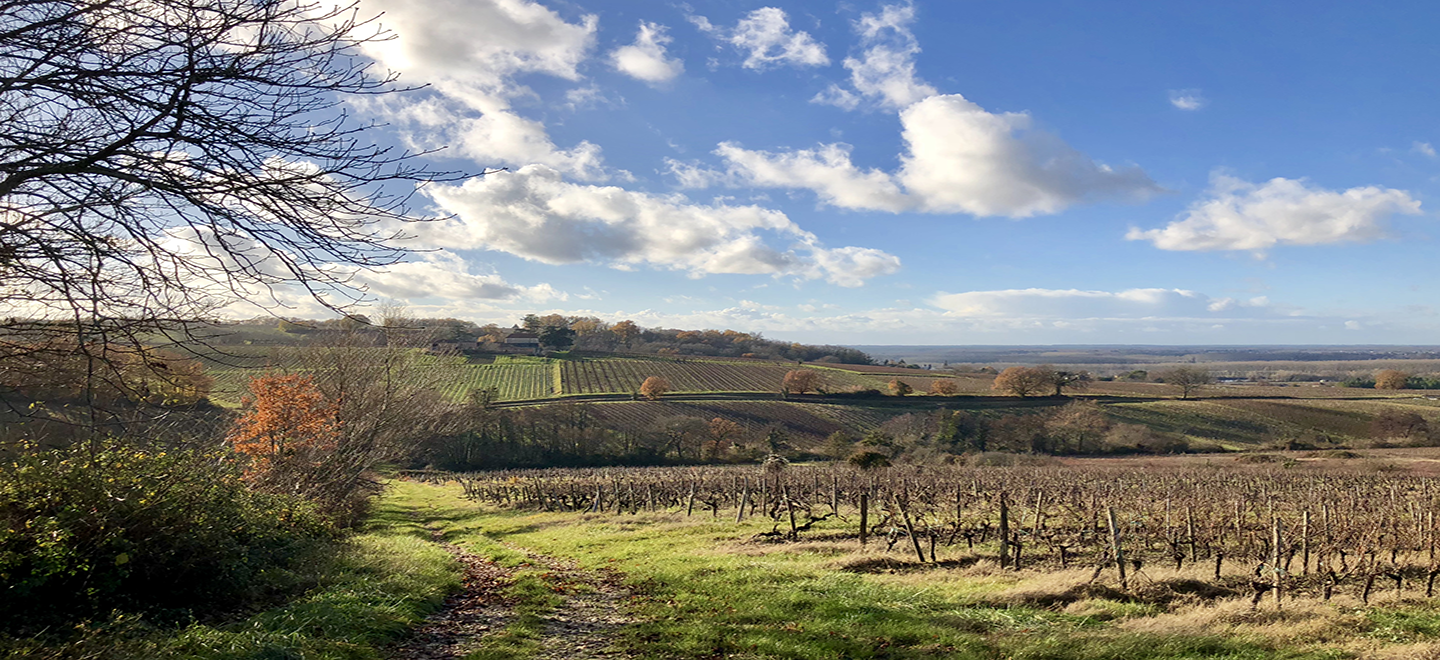 Region:
 -
Description:
Domaine Pfister dates back to 1780, which is already a long history. But in Dahlenheim, the village Pfister calls home, wine goes back even further. The village was mentioned for its wine as early as 884, when records show it was supplying wine to the Abbey of Saint Michel de Honan.
Dahlenheim is west of Strasbourg, in the northern part of the Bas-Rhin. In this part of Alsace, the Vosges Mountains don’t reach the same heights as they do farther south, so they offer less protection from cold weather. Dahlenheim sits on the side of the Engelberg hill, with its vineyards planted on the slopes rather than out on the Rhine plain. The cooler climate, hillside sites, limestone, and less sandy soils result in a style that is elegant, mineral, and very precise. Mélanie and her father, André, work 43 parcels, totaling about 25 acres. Roughly a quarter of the vines are Riesling.
André Pfister started at the domaine in 1966, when he was just 15, and in 2026 he celebrated 60 years there. Mélanie officially took over with the 2006 vintage, but André remains active in the vineyards. Before taking over, Mélanie set out to train at other estates and learn as much as she could. The roaster was impressive: Zind-Humbrecht in Alsace, Méo-Camuzet in Burgundy, Château Cheval Blanc in Saint-Émilion, Château d’Yquem in Sauternes, and Craggy Range in New Zealand. In 2005, she made the first Cuvée 8, now called Mel. It was a blend she had wanted to make for a long time, and the name honored her place as the eighth generation of Pfisters to make wine at the domaine (and the first woman!). The next major step came after the 2010 harvest, when Mélanie began building a new cellar.
At the start of 2018, Mélanie and her father decided to move fully to organic farming, and they received certification in 2021. In 2019, they also began using biodynamic preparations in the vineyards. For them, this was not a dramatic change of direction so much as the next logical step. Mélanie’s father had already stopped using herbicides in the early 1980s and had moved to a no-till approach. At first, he treated the parcels more or less the same way. Over time, and especially with Mélanie’s input, the work became more site-specific. Today, each parcel helps determine what gets planted between the rows, be it grasses, legumes, or grains. Some parcels are mowed and mulched, while others are planted with cover crops that can be rolled down and left flat between the rows with a machine called a rolofaca.
Most of Mélanie’s wines are fermented and aged in stainless steel. The main exceptions are her top Pinot Noirs and the Pinot Gris Silb, which spend time in oak. More recently, she has also started working with 700-liter sandstone amphorae, especially for the orange wines. The wines spend a long time on their lees: the base range usually ages for close to a year before bottling, while the upper range often stays in cellar for 18 to 24 months. The wines are generally fermented dry and bottled with only a small addition of sulfur. In a typical year, the domaine makes about 15 wines, with total production around 5,000 cases.Image: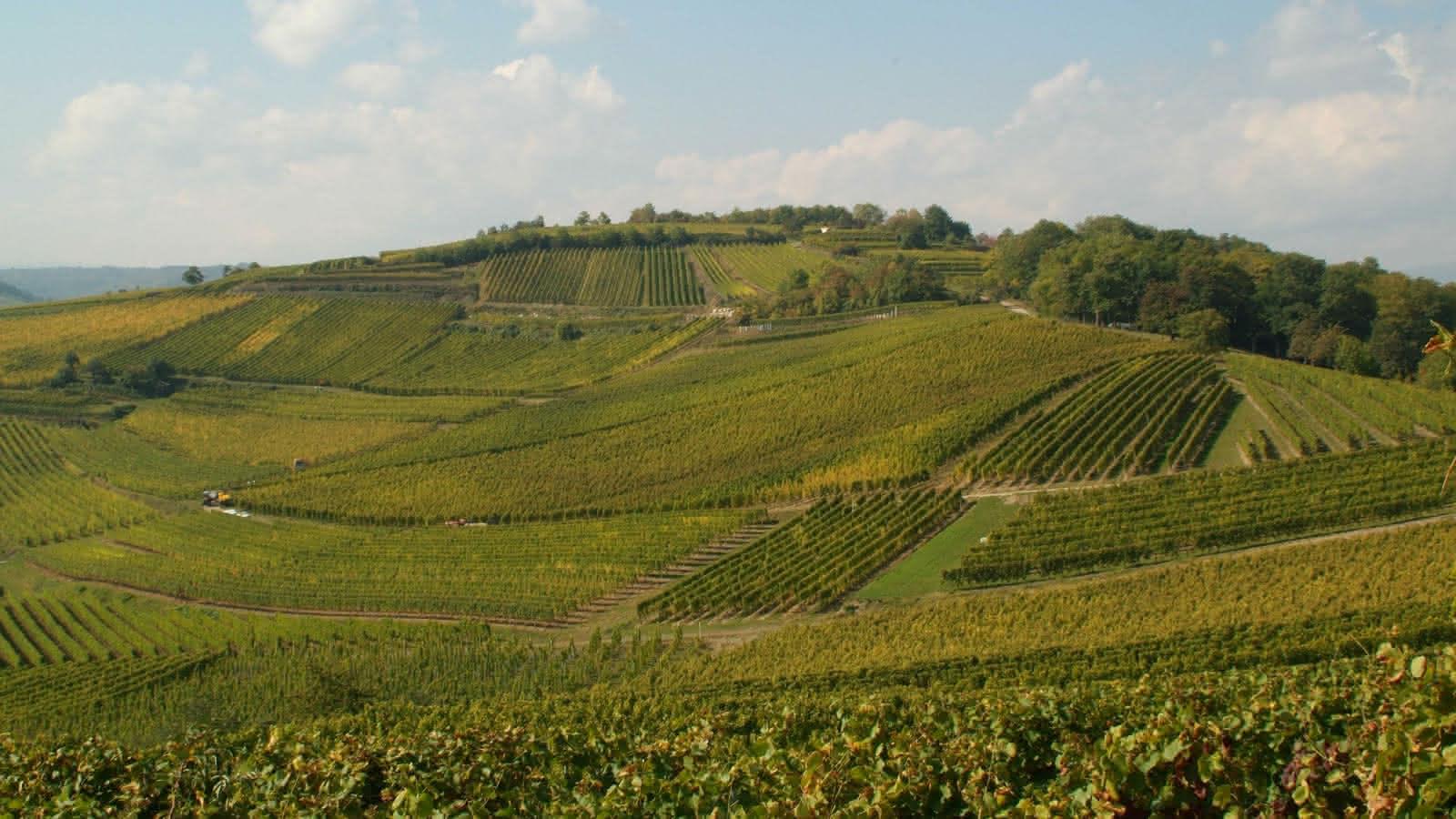 Region:
 -
Description:
Few winemakers alive today carry the kind of history that Philip Togni does. Long before founding his namesake winery, he was already crafting some of the most iconic wines in California. After a year at Mayacamas in 1959, he became the founding winemaker at Chalone, spent time at Inglenook, and then helped launch Chappellet—producing the acclaimed 1969 Cabernet Sauvignon, still considered one of the greatest ever made in California—before finishing out the 1970s at Cuvaison.
In 1981, while still at Cuvaison, Philip began planting his own vineyard on Spring Mountain. It’s here that he firmly established his legacy. Since the inaugural 1983 vintage, he has produced an unbroken string of world-class wines. Though Philip remains closely involved, his daughter Lisa has led the winemaking since 2007, sharing her father’s gift and guiding the future of this venerable estate.
The Togni vineyard spans 10.5 acres divided into 20 blocks, planted to 82% Cabernet Sauvignon, 15% Merlot, 2% Cabernet Franc, and 1% Petit Verdot. The vines are planted above the fog line at roughly 2,000 feet in shallow, rocky volcanic soils.
From this single site, Philip and Lisa produce two wines: the flagship Philip Togni Vineyard Cabernet Sauvignon and the second-label Cabernet Sauvignon, Tanbark Hill. Both are made identically in the cellar from 100% destemmed fruit, fermented in stainless steel, and aged for 20 months in 40% new French oak. The flagship is a barrel selection from across the vineyard, while Tanbark Hill comes primarily from a 3-acre block planted on richer soils, along with barrels not selected for the top wine. A true estate, the wines are made, bottled, and stored just steps from the vineyard.
While trends have come and gone over the decades, Philip and Lisa have remained steadfast in the style that made the Togni name legendary, producing age-worthy, mountain-grown Cabernets of unmistakable character.
Image: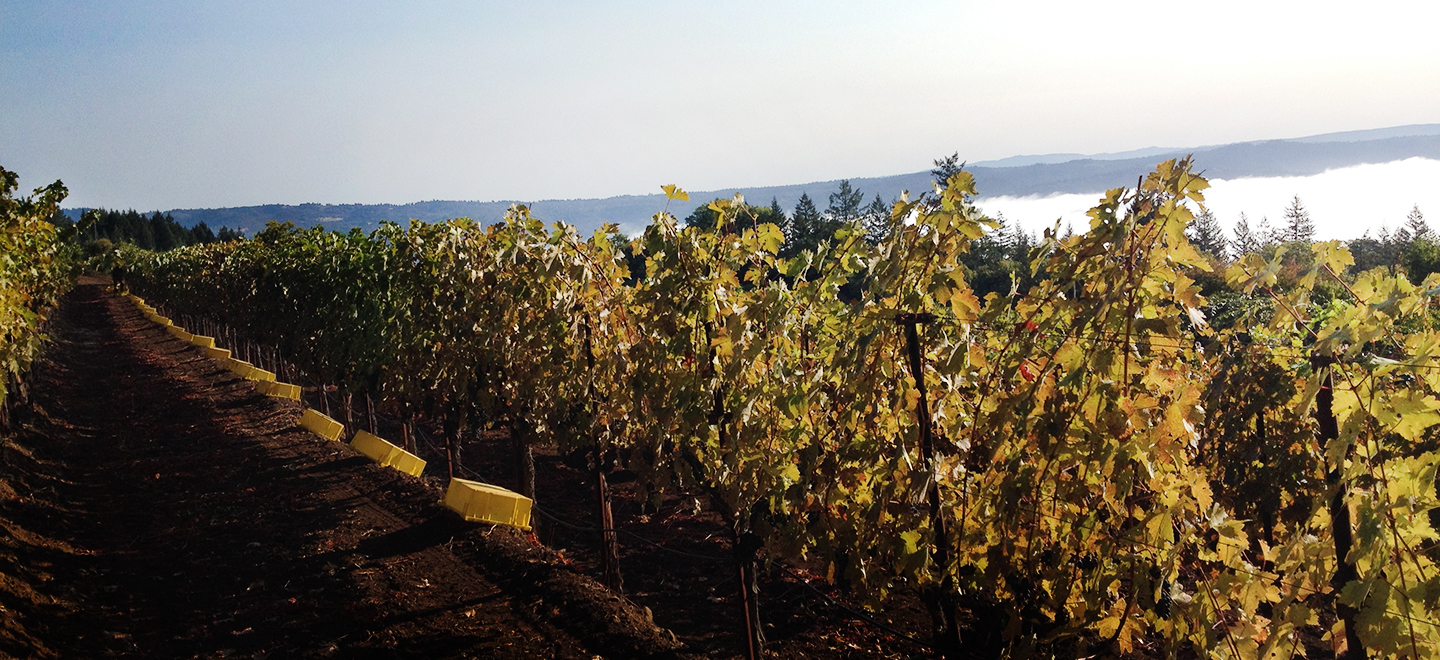 Region: