Producers
-
Description:
Señor Don Primitivo Quiles is one of the great figures of Spanish wine. His bodega in Monovar, established in 1780, is the oldest in Alicante, if not in all the comunidad Valenciana. They have been a family-owned winery for over 100 years and maintain of the oldest soleras on the market, dating back to 1892. Their wines are highly valued treasures in wine cellars all over Europe and a source of pride for the winemaking industry in Alicante.
The Fondillon is 100% Monastrell harvested in late October or November then placed in a solera system that began in 1948. The Cono 4 is a joven style made in large cono foudres, and represents a great expression of the warm Alicante climate yet also very earthy and complex: it's also one of the best deals in our book!
Image: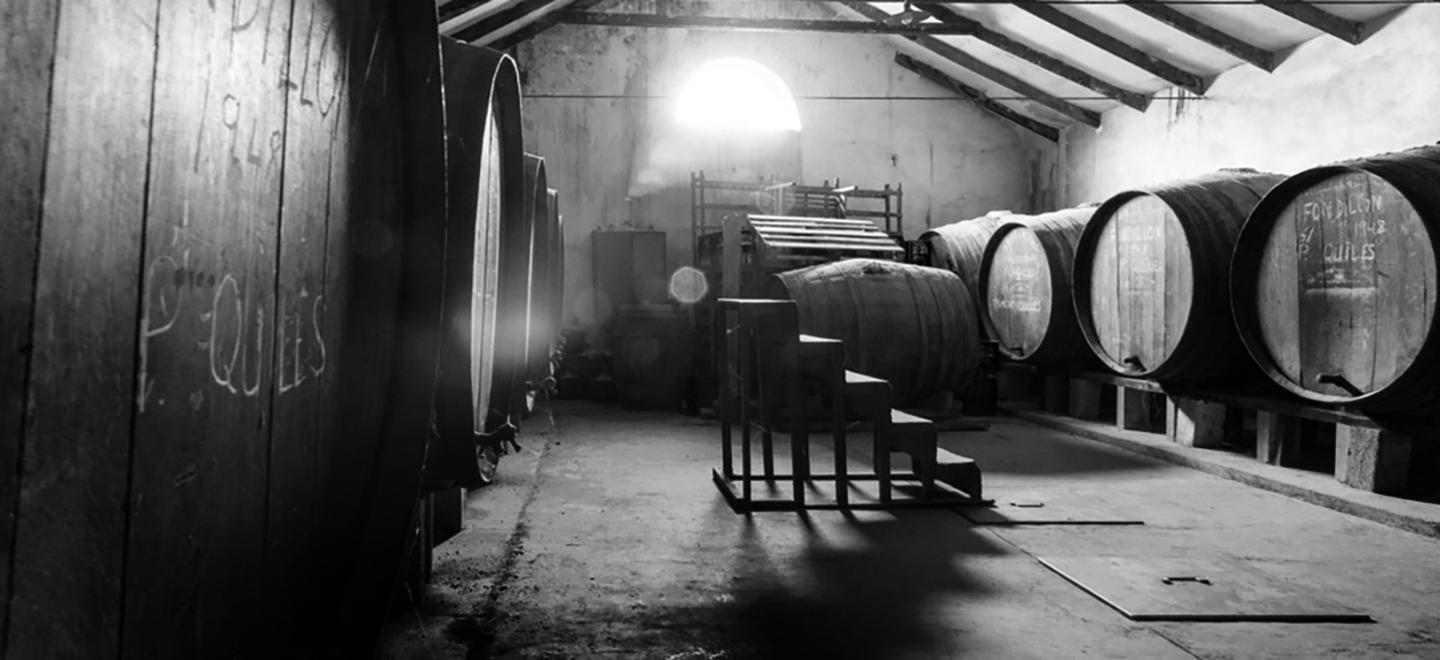 Region:
 -
Description:
Produttori del Gavi’s origins trace back to 1951 when 83 families banded together to combine their strengths into a cooperative. The group is essentially made up of these same growers to this day, with just twelve more being admitted to the group since inception. The vineyards of member/growers are spread all over the Gavi DOC territory in 11 municipalities covering 200 hectares of land from Tassarolo to Bosio; such coverage allows the production of various “Cru” bottlings.
The soil through this zone is heterogeneous and varied and in this way the Cortese grape expresses many different characteristics. Visit Produttori’s growers and you’ll see plenty diversity, from stark white soils made of tuff and limestone due to the marine origins of the area, to tomato colored soils made of clay and rich in minerals due to the alluvial origins of some areas, especially around San Cristoforo.
Image: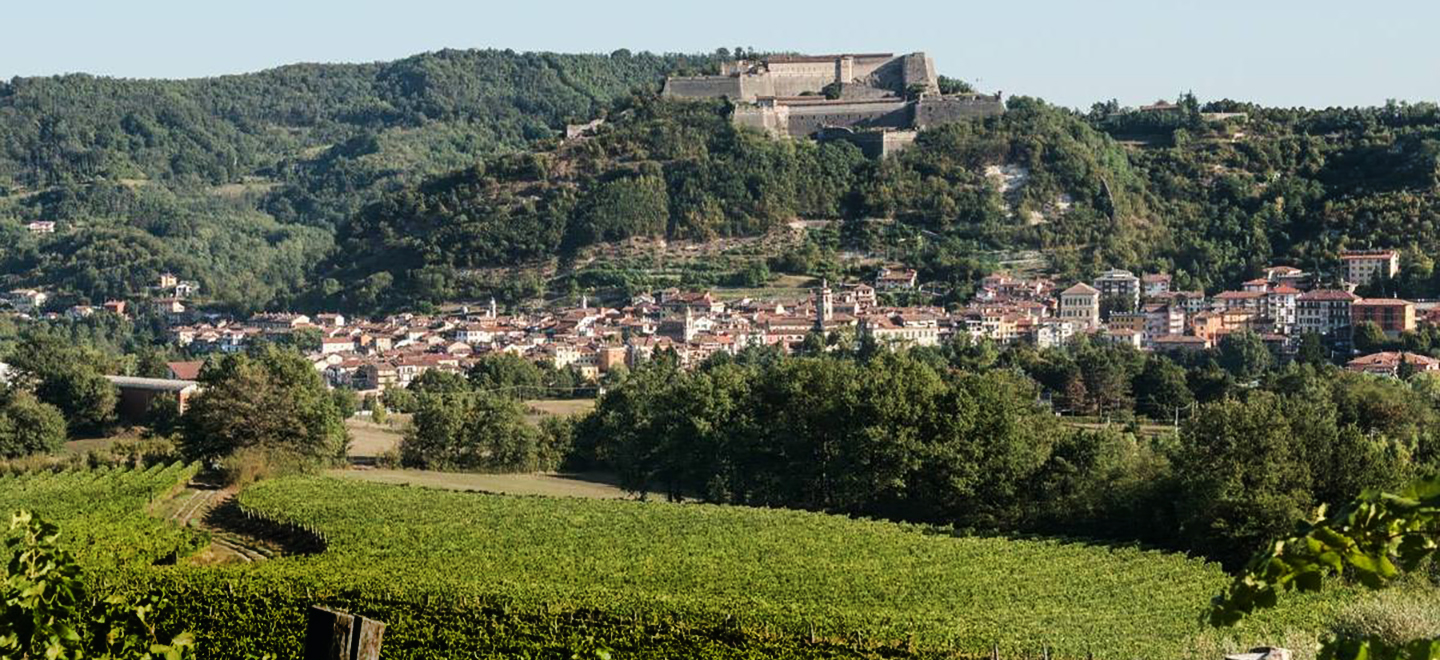 Region:
 -
Description:
Proof and Wood's mission is to source, age, and bottle the finest whiskies and spirits. The brand was founded in 2015 by industry legend Dave Schmier, commonly known as one of the premier merchant whiskey bottlers in the United States. The name comes from the two components Dave and his team control. The proof its bottled at, and the wood that it is aged in.
"We do things that are pretty resource-intensive and we wanted to have a counterpoint to the, "You're just sourcing" mentality. Sourcing takes on a lot of forms. We're in this for the long haul, and I don't like being lumped in with people who started a whiskey brand because it's a hot thing and they heard they can make a lot of money doing it".
The diverse lineup features spirits that are perfect value items for any cocktail pour, with more premium items and specialty bottlings that consistenly deliver the highest quality.
Image: Region:
 -
Description:
In 1974, while working as an engineer at Scott Paper, Alex Golitzin began making wine as a hobby. Under the guidance of his uncle, the legendary André Tchelistscheff of Beaulieu Vineyard, he produced a single barrel of Cabernet Sauvignon. He continued producing a barrel each year until Tchelistscheff encouraged him to take it further. Golitzin listened, and in 1979 he bonded his winery under the name Quilceda Creek.
For the first decade, Alex needed to keep his day job while producing the wines in a shed using mostly scavenged equipment. Thanks to strong support from Robert Parker, though, their reputation for producing superlative wines began to grow and soon he was able to focus on the winery full-time. His son Paul joined the team in the late 1980’s and took over as head winemaker in 1993. Paul has not only continued his father’s work, but propelled the winery to even greater heights, including several 100-point scores from Parker and claiming the number two spot in the Wine Spectator Top 100 twice within ten years.
Things show no sign of slowing down and now nearly every critic recognizes Quilceda Creek’s place in the top echelon of American wine. Renowned for their concentration, complexity, age-ability, and balance, these wines share qualities with the greatest Cabernets of California, yet they possess a distinctive character that could only be from Washington. Quilceda Creek is a seminal, iconic winery, and though they have come far from their humble beginnings, the goal remains the same: produce the best wine possible, and then do it even better next year.
"The pace-setter for more than three decades has been Quilceda Creek.” – Harvey Steinman, Wine Spectator Top 100 2015 (Quilceda produced the #2 wine)
“…without a doubt, this awesome estate... is producing some of the top Cabernet Sauvignon blends in the state, and I would venture, the world. While all of the wines are incredibly age-worthy, the tannins are so well managed and the textures so polished, they dish out immense pleasure even in their youth.” – Jeb Dunnuck, The Wine Advocate
“My hope for the future is that many others will emulate this impeccably run winery, which is turning out compelling wines of irrefutable richness and complexity… Of all the producers profiled in this book, Quilceda Creek may be the only one that still remains below the radar of even the most knowledgeable wine enthusiasts. These are prodigious, world-class wines.” – Robert Parker, The World’s Greatest Wine Estates
Image: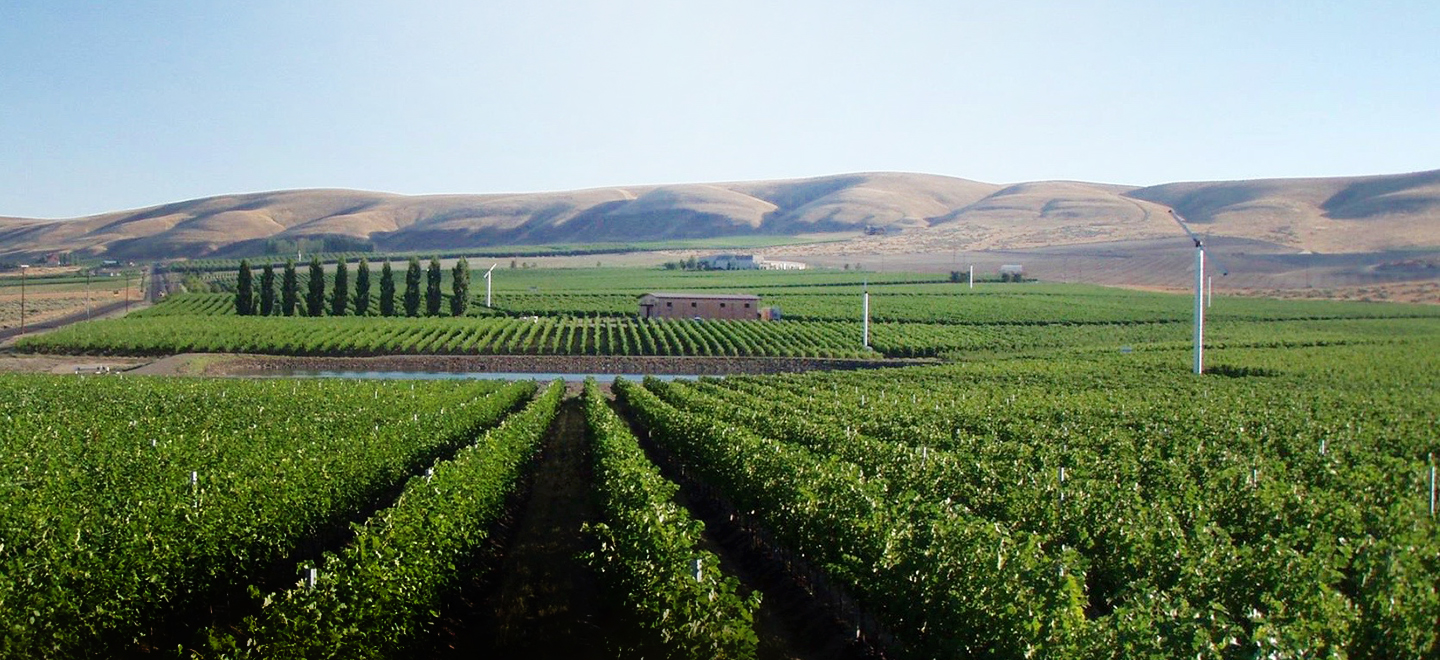 Region:
 -
Description:
Quinta do Infantado was founded in 1816 in the Cima Corgo sub-region of the Douro--considered its finest zone for both Port and dry wines--by the Portuguese crown heir D. Pedro IV, hence the name of the estate: “Infante” is Portuguese for "prince". The Roseira family has owned it since the end of the nineteenth century. Today, Infantado is run by third generation João Roseira (winemaker and vineyard manager) and other family members, who oversee family holdings of about forty-six hectares of vines. Quite interestingly, Infantado evolved over the last fifty years into the best kind of outlier and innovator in a wine region ruled for centuries by large-scale production and full-blown commerce.
Up until the 1970’s, like most small growers, Infantado sold their wines off to large shippers; they then made the radical decision to go it alone, becoming the first estate to not sell or buy fruit or wine and to exclusively bottle estate-grown wines. At that time, their wines could not even be sold outside of Portugal: the law allowed only shippers with a commercial cellar in the town of Vila Nova di Gaia on the Douro near the coast to export. Given its location and small size well upriver, Infantado did not have and never intended to have such—only when the law changed in 1986 (when Portugal joined the EU) were they able to sell beyond their home country.
Behind the bold decision to go independent was the inherent quality of Infantado’s vineyards. Port is highly regulated and those regulations are built around an A-to-F vineyard classification scale. Infantado owns exclusively A-grade sites, which is the Douro equivalent of having nothing but grand cru vineyards. Theirs are mainly the classic steep, schistous, terraced, old-vine parcels of the traditional mixed plantings of local varieties (featuring around fifteen out of the possible seventy or so grapes). Typically in the Douro, A-level vines go only into vintage Port and B-level into aged tawnies and LBV’s; the C-F classes are used for basic rubies and tawnies and get a higher fortification as well. Infantado by necessity uses only A-level vineyards for every level of wine.
The excellence of their material dictated not only their decision to go rogue and bottle estate wines but also determined their choice of a rare house style: that of medium-dry or meio-seco rather than fully sweet Port. Most Port comes from at best average fruit of only modest ripeness that is quickly fermented and left with a lot of sugar and just modest alcohol, never mind complexity, and thus a need for a large dose of brandy for fortification. Infantado harvests well-ripened, more complexly flavored fruit which is fermented further, to a point of less sugar and more alcohol and a reduced need for fortification—thus their wines contain around thirty percent less brandy than a standard Port.
Beyond the quality of the fruit, the particulars of Infantado’s harvest and cellar practices have a vital impact on the nature of the wines. Most Port grapes end up being trucked in bulk under a hot sun that causes fermentation to start and compromises the freshness of the fruit before it even gets to the winery; then that fruit goes into huge steel tanks, cultured yeasts are added and fermentation flies to completion in twenty-four hours. Taking a more artisanal approach, Infantado harvests into small boxes so that the fruit lands quickly at their nearby winery. The fruit goes into a modern steel version of the traditional stone lagar—a long open tank where they do a combination of some traditional foot-treading and an updated, more consistent mechanical version of it—with only its natural yeasts for a much slower three-to-four-day fermentation. This approach results in more moderate extraction and ultimately greater balance in the final blends. Aging takes place in a combination of very old, traditional wooden casks in a range of sizes and shapes, from the classic 550-liter horizontal pipas up to the tall, 3,000-to-60,000-liter wood tanks called toneis or balseiros.
Infantado has successfully distinguished their Port wines with some atypical choices in the last fifty years. The wines reflect the terroir and the tradition of the region in myriad ways through a modern, more vinous lens. João is continuing the exploration of terroir with some organic viticulture in a couple of parcels--from which they bottle a dry red wine from the traditional varieties—as well as single-variety vineyard plantings for Port production alongside the old mixed-grape plots. He takes nothing for granted and is emphatic about the importance of hands-and-eyes-on observation and engagement in the vines and in the cellar. Nothing is done by rote at Infantado, and the results of this thoughtful approach are evident in the bottle.
Image: Region:
 -
Description:
Thank you to importer Louis/Dressner for this Radikon profile:
(Click here for Louis/Dressner's website entry on Radikon and here for Radikon's own website)
Stanko Radikon was a maverick in a land of mavericks. The town of Oslavia, on a relatively tiny stretch of hills north of the border town of Gorizia in the Isonzo zone of Friuli, is home to a number of talented and individualistic wine makers. From Radikon’s home, you can carry a plate of freshly cooked polenta to Edi Kante and Jasko Gravner, two other world-renowned winemakers, and still eat it piping hot.
Joe Dressner and I showed up on a bright, chilly morning in April at 7AM. It was hard to recognize Stanko in his vignaiolo duds. We had recently seen him wearing a natty suit and white button-down shirt at a counter-Vinitaly winetasting a few days before. Stanko was standing on the road watching for us because the sign for the winery had been removed years ago. Anonymity was the only way to get some work done and avoid waves of wine tourists.
Joe and I had an 11 AM flight from the nearby Trieste airport and it had been a long week, so we were hurried and tired, but excited to be at the winery. We had had a few memorable encounters with Radikon’s wines stateside. They were interesting, complex examples of what had come to be known, in reference to the ancestral origins of the winemaker’s working in this style and their geographic proximity to the neighboring country, as the “Slovenian” style of Friuli wines – namely hand-harvesting, extended skin maceration, large, older barrel fermentations without temperature control, no added yeasts or enzymes, and little or no use of sulfur.
The steep rolling hills surrounding the Radikon’s home/winery are testament to Fruili’s viticultural legacy. It was a particularly beautiful day to see the contiguous near 11 hectares of Radikon’s narrowly planted vines, still without foliage, laid out on the steep slope of marbled limestone clay in front of the terrace between his home and winery.
The vineyards were originally planted by Stanko’s grandfather Franz Mikulus with the local favorite, the Ribolla Gialla grape. In 1948, Stanko’s parents, who had inherited the property from his mother’s father, planted Merlot, (Tocai) Friulano and Pinot Grigio. Today his wife Suzana and their children Saša and Ivana maintain their family’s land.
We asked Stanko how he came to make the wines we had tasted earlier that week.-- these golden wines, rich with complex fruit aromas, notable for their length in palate and ability to age. Stanko simply said, “It’s how my grandfather made wine in the 30’s”, and shrugged.
That made sense to us. Radikon explains on their website:
“The winery’s philosophy is to always make a natural, organic wine with the least human intervention possible and with the maximum respect for the soils and nature.
In the vineyard, the vines are planted extremely tight (between 6. 500 to 10,000 plants per hectare). We do not use any chemicals or synthetics and the treatments using absolutely innocuous, non-harmful products are minimized. Through careful pruning and selection at the time of harvest, the hand harvested yields are kept well below 2.25 tons per acre.
In the cellar, the grapes are de-stemmed and then macerated on the skins for 30 days more, with experimentation of 6/7 months for the whites, and 35 days for the reds. The pressing is done softly using a pneumatic press. All phases of the vinifications are in Slavonian oak barrels, first in wood vats and then in large barrels in which the wines are aged for about three years before bottling. The vinifications are done using only the natural yeasts present on the grapes. There is no sulfur added at vinification or bottling.”
Radikon, while extreme, has never thought much of the use of anfora, or buried terra cotta jars, for vinification. His idea of wine is an ideal taste of recent memory, not a renaissance of ancient winemaking arts. But not one to avoid controversy, Radikon, along with Kante, have initiated a new discourse on the ideal vessel for wine with the 2002 vintage releases.
First, Stanko believes that the 750 ml size does not really provide the right amount of wine for two people to share at dinner – an argument not easily rebutted. Therefore, he wanted to bottle all of his wines in liters and half-liters so that two people could then have a half liter of white and a half liter of red.
Following from this, in studies that he and Kante conducted with a cork manufacturer, they have devised what they think is the proper size of cork for these two bottle measures that gives the optimal surface-to-air permeability ratio for aging their wines. It is a narrower, smaller cork than the classic model. In deference to this cork, Stanko himself created a prototype bottle from silicon for the new liters and half-liters, and then had them manufactured at a local bottle factory. They are graceful, elegantly-necked bottles that were designed to fit in to most spaces where a 750ml bottle would.
It took us another year and some debate to convince Stanko that he should appoint us his new importer for the United States, but we are very happy to include these very interesting and distinctive wines in our portfolio.
2020 update from Louis/Dressner:
Rather than completely rewrite Kevin's lovely text above, we decided to leave it up and update you to the numerous evolutions that have occured at Radikon over the years.
The most important is of course Stanko passing away in 2016. He was a force of nature, an influence a friend to countless people in our world. His legacy continues with the work of his family in the vines and an annual celebration of his life (now set to happen every other year) called Zivijo that occurs each December. Kevin has made of point of going each year.
Absolutely nothing has changed in the winery's philosophy, but this comes at no surprise since Saša has been helping out since he was a kid (he fondly remembers driving a tractor without a drivers license through the Slovenian border and being terribly nervous) and a partner since 2006. Suzana is of course still integral to the entire operation, and her daughter Ivana joined the family business in 2017. Saša's wife Luisa is also part of the team along with three full time employees.
Recently the family was able to acquire more land and now works 17 hectares of vines. This will principally see an increase in the S line (more on those later) and the breakdown of land is the following:
- Pinot Grigio: 3 hectares of 30 years old vines*
- Chardonnay: 2.5 hectares of 30 years old vines.*
- Sauvignon: 2 hectares of 30 years old vines.*
- Ribolla Gialla: 2 hectares of 30 years old vines.*
- Tocai Friulano: 1.5 hectares of 30 years old vines.*
- Merlot: 1.5 hectares of 25 year old vines*
- Pignolo: about half an hectare of 25 year old vines.*
*The vine ages are an average, with many much older.
Another major development at the estate was the launch of the "S" or "Saša" wines. Launched in the early 2010's, the idea was for Saša to branch out a bit on his own but have also served as entry level wines to the Radikon world. The wines see a noticeably shorter amount of maceration, 8 to 14 days versus three months. They ferment and age in smaller vessels and age only 18 months before bottling. Furthermore, they are bottled in traditional 750ml bottles and see a small addition of sulfur at bottling.
Saša has also decided to omit the Pinot Grigio from the Oslavje blend, which in now 50/50 Sauvignon and Chardonnay. The Pinot Grigio now exclusively produces Sivi. This cuvée started as of the 2016 vintage; it means "grey" in Slovenian, in reference to the grayish-pink color of the grape's skin. A red "S" wine called RS has also joined the lineup and is a blend of Merlot and Pignolo.
Image: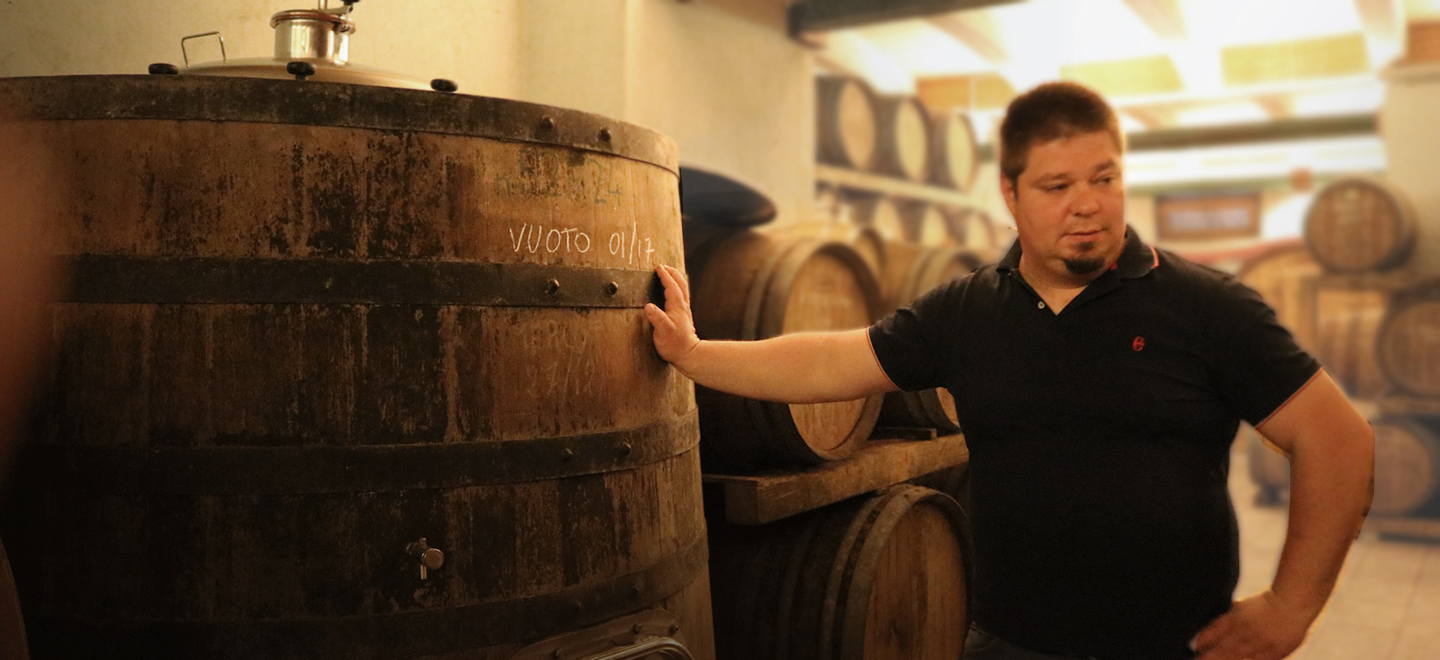 Region:
 -
Description:
Thank you to importer Louis/Dressner for this estate profile:
(Click here for more on Raffault on LDM's website or here for the winery's website)
Since Olga's death, Domaine Olga Raffault is currently run by her granddaughter Sylvie and her husband Eric de la Vigerie.
The estate has terrific plots of land in the Savigny-en-Véron district, right by the Vienne riverbanks. The "Les Picasses" vineyard stands out from the rest: old vines of 50-ish years on a fairly steep slope from the riverbank that is alluvial clay with a chalk limestone base. The fruit is particularly expressive of cassis and dark cherries with a terrific mineral content and good acidity for structure.
The winemaking is most traditional. The grapes are, of course, handpicked and fermented in stainless-steel. The wines are then aged in larger, neutral oak and sometimes chestnut - a traditional wood barrel in the region. The "Picasses" spends two to three years in oak, to reduce the wine and soften the tannins, and is usually released about four years after the vintage. It often has a light garnet color belying the depth of fruit flavor and complexity. Its style is rustic, quite earthy, with hints of orange zest and deep, dark cherry flavor. The tannins are soft, but present, and the mineral complexity in the finish is superb. Over the years, it has gained cult status as one of the benchmark expressions of Chinon's terroir.
The estate makes two more cuvées of red, "Les Barnabés" and "Les Peuilles", as well as limited Chinon Blanc called "Champ-Chenin".
Image: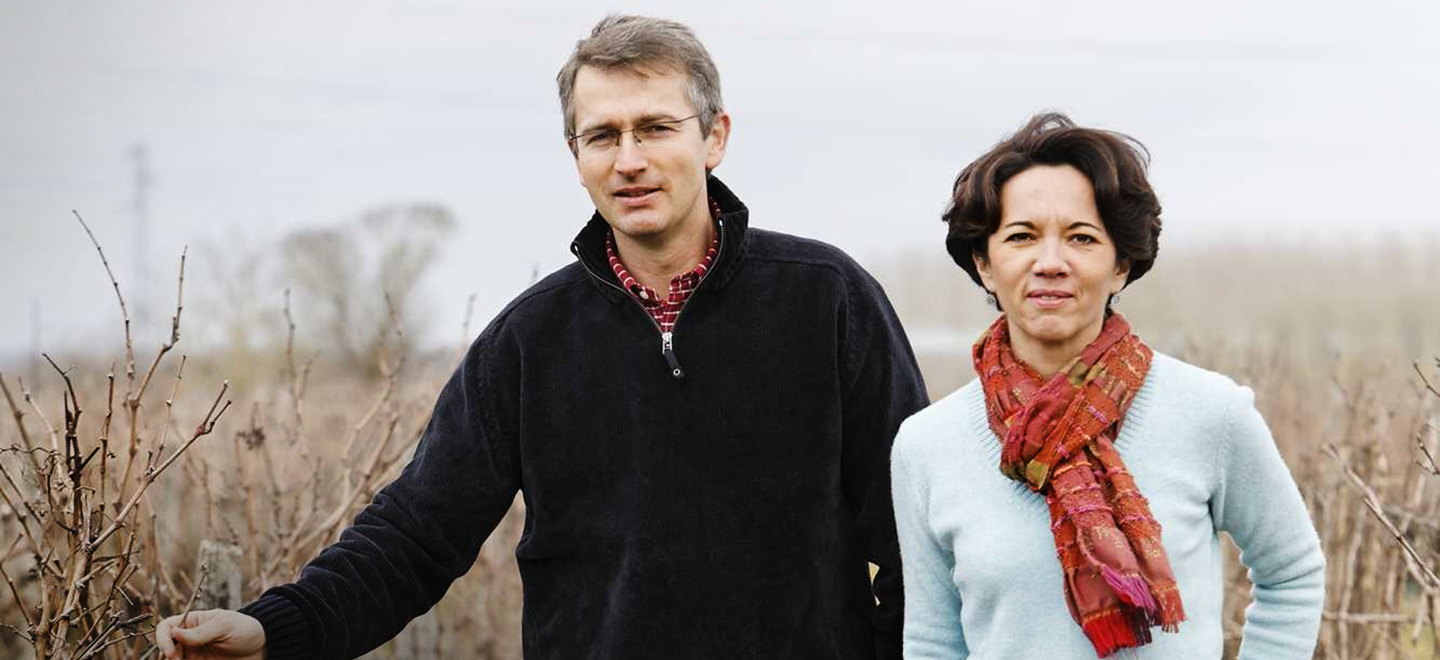 Region:
 -
Description:
Meet Ramona, created by renowned New York sommelier Jordan Salcito (of Momofuku and Eleven Madison Park fame). The sophistication of an Italian spritz meets high quality, organically farmed grapes and organic citrus fruit. Ramona is the first-of-its-generation, low-alcohol, easy-drinking, go-anywhere spritz. Ramona is Certified Sustainable ethically, economically, and environmentally -- but mostly it's just delicious!
RAMONA is ideal for all accounts with outdoor dining, beach and golf clubs, Italian-focused cuisine and/or pizzerias, an easy cocktail at the bar (ask us for cocktail ideas!), and for all accounts emphasizing new experiences this summer. Saluti from Ramona!
Image: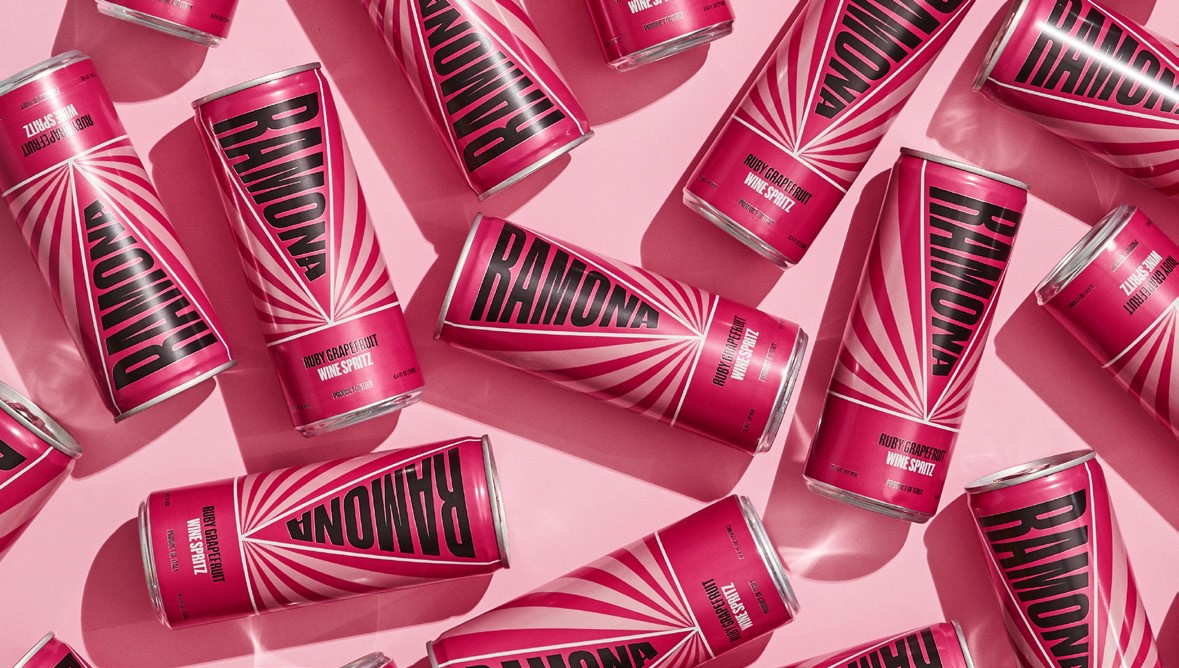
-
Description:
For more information on Ratapoil, please visit Selection Massale.
Available in California.
Image: Region:
 -
Description:
This comes to us from the man behind the Oro de Lidia lineup, Juan Rejon. As a drummer, he has been able to tour extensively in Mexico; when the tours are over, he takes a backpack and “loses himself in the mountains.” This adventurous way of life has led to some trouble— he’s been kidnapped twice, and has escaped twice— but along the way he has also discovered some incredible artisanal tequilas in the heart of Jalisco, which led him to start his own import-export business.
DESTILERÍA RIVESCA, S.A. DE C.V.
Rivesca SA de CV is four generations of agave farmers. The Rivera family is known for their expertise of the process of cultivating and harvesting the finest agaves Tequilana Weber Azul plants of the region. In 2006, the family expanded their skills to distilling and their own brands were created. Rivesca SA de CV is located in the heart of the finest Mexican tequila region of Amatitan, Jalisco. This land has the peculiarity of being irrigated with water from the natural springs of the Tequila Volcano, with characteristics that add to the fine taste of Tequilas distilled from the agave in the region.
Image: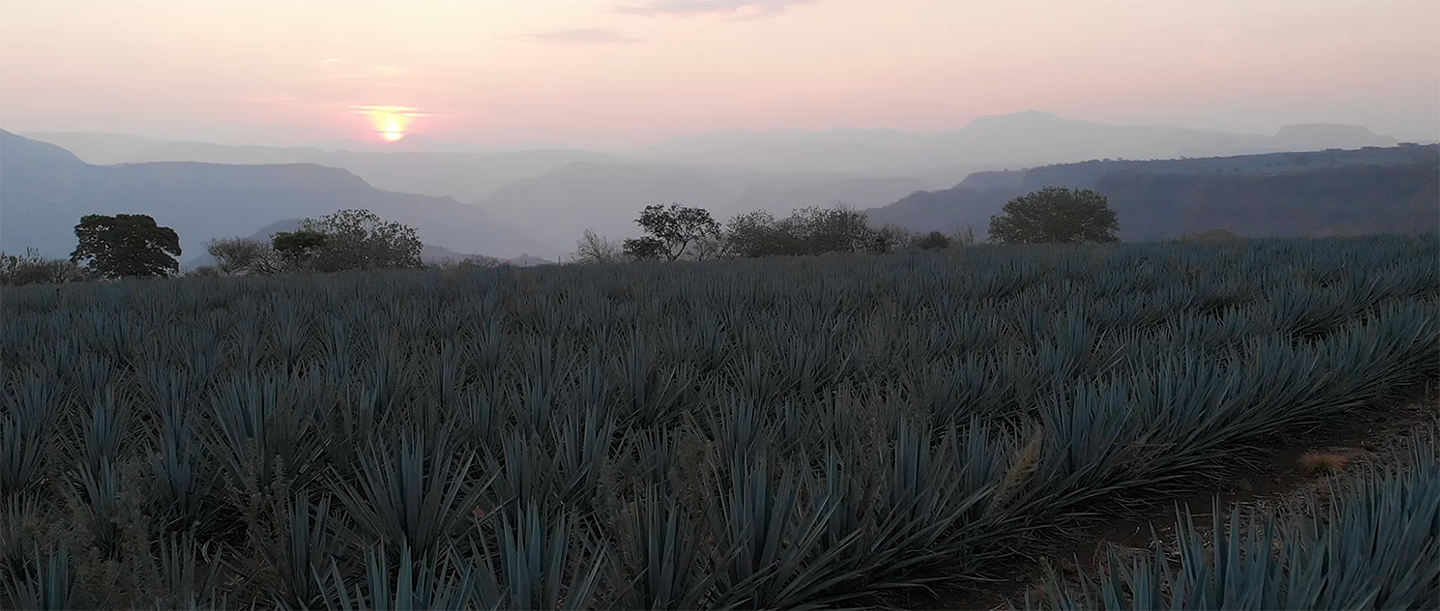 Region: