Producers
-
Description:
Casa Aurora is German Blanco's homage to his great-grandmother, one of the first female miners in Spain, who raised him in Albares de la Ribera, a small village in Leon.
Here, in a tiny hamlet just outside the Bierzo DO, German makes pure wines from micro-vineyards that dot the landscape, and are usually planted with very old vines of a variety of different grapes: Palomino, Mencia, Tintorera, Merenzao, Godello, Garnacha... The high-altitude and the iron-rich clay soils of the area gives these mountain wines a great balance between a soft mouthfeel and firm tannins. There is also a fair amount of granitic rocks in the terroir, and these are probably responsible for the floral, distinctive aromas of the wines.
His line-up consists of a few single-vineyard labeled wines, as well as regional ones, and the production - under 10.000 bottles - comes from a mix of purchased fruit as well as from owned vineyards. He farms organically and the wines, made in a tiny cellar as charming as his labels, are made from spontaneous fermentations in a variety of vessels, including amphorae, old foudres, and tanks.
For more about this talented winemaker, visit the Quinta Milú and La Bicicleta Voldadora pages.
BOWLER E-Zine Issue 1 | Q4 2020: Germán Blanco (Milú, Bicicleta) on his Bierzo Winery, Casa Aurora
Image: Region:
 -
Description:
La Bicicleta Voladora is German Blanco's (Casa Aurora and Quinta Milu) project in Rioja Oriental, from grapes grown in Navarra. He rents the vineyard and makes the wines at the winery from a longtime friend and vigneron from the area. The grapes are organically certified, and the wines are uncomplicated, made to be drunk young.
Please visit our Quinta Milú page for more wine by Germàn. He also produces wines from high-altitude vines in Bierzo; for more information, visit our Casa Aurora page.
BOWLER E-Zine Issue 1 | Q4 2020: Germán Blanco (Milú, Bicicleta) on his Bierzo Winery, Casa Aurora
Image: Region:
 -
Description:
Quinta Milu is Germán R. Blanco's operation in the small town of La Aguilera is a "micro winery". He eschews modern winemaking techniques and international varieties working with old Tempranillo vines. He makes "vinos de pueblo", blended wines from different vineyards from villages in the area, as well as vinos de parcela, sourced from single-vineyards, and parcel-specific. There is no new oak in the winery, Germán uses concrete, amphorae, and old barrels. Quinta Milú is named for Germán's son Lucas whom they lovingly refer to as "Mi Lu" or Milú.
Please visit our La Bicicleta Voldadora page for more wine by Germàn. Germán also produces a very small amount of wines from high-altitude vines in Bierzo; visit our Casa Aurora page.
BOWLER E-Zine Issue 1 | Q4 2020: Germán Blanco (Milú, Bicicleta) on his Bierzo Winery, Casa Aurora
Image: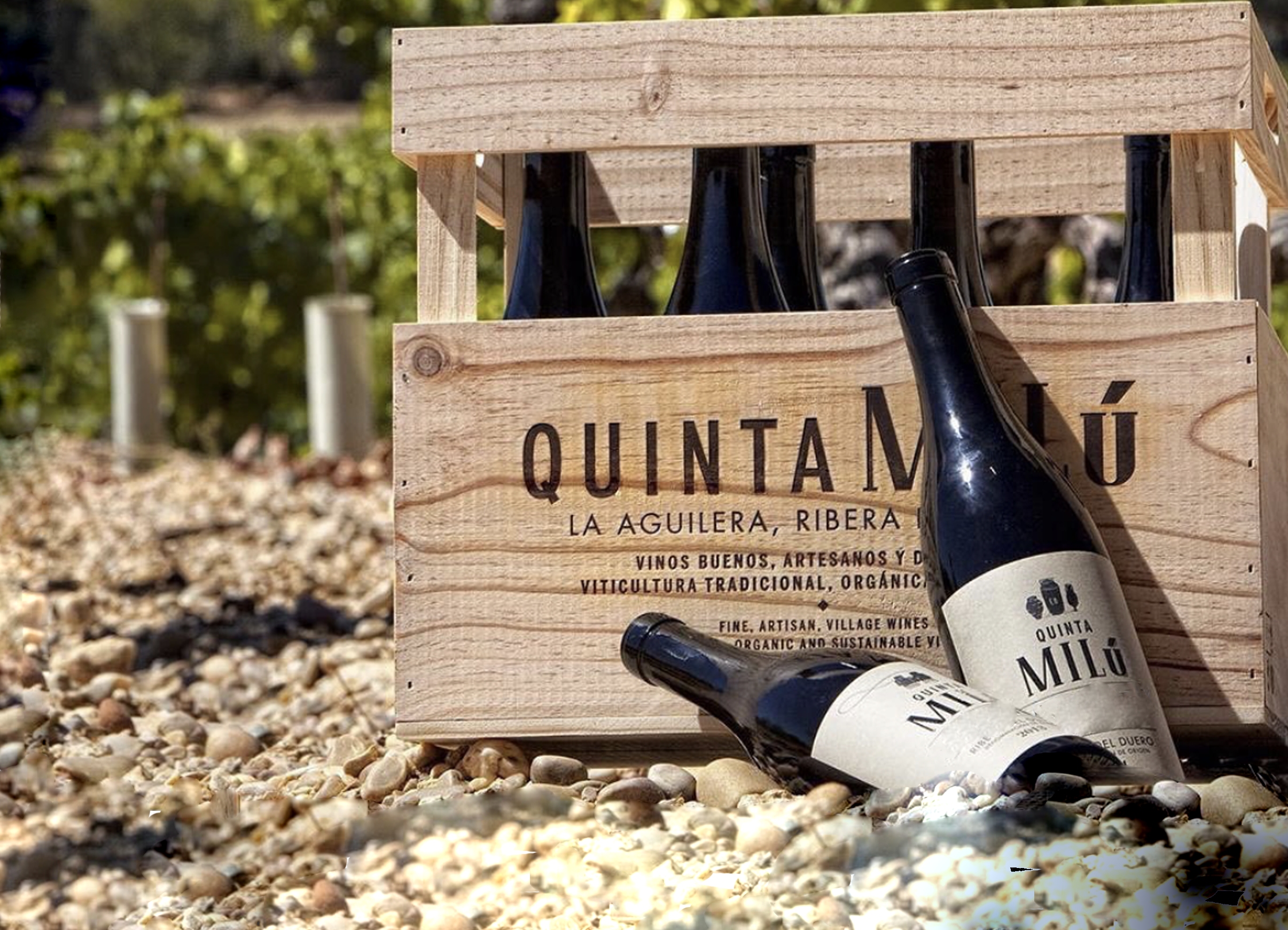 Region:
 -
Description:Image:
 Region:
 -
Description:
The Gilles Brisson estate has been family owned and run for 4 generations. Located in Châteaubernard, the cradle of the Grande Champagne appellation, 2 miles away from the city of Cognac, the estate owns 65 hectares in total, 25 of which are planted to Ugni-Blanc for Cognac production; this is quite a lot for an independently run Grande Champagne estate. Cyril Brisson has run the estate since 1989, having learned the arts of distillation and aging under the attentive eye of his father. In turn, Cyril’s young son Alexis is already learning from his father to keep and follow the family tradition. Little has changed in how the cognacs here are made over the last century. The estate uses only their own fruit. Grapes are harvested in mid-October, and are vinified before undergoing a careful distillation from Oct. 15th to Jan. 15th. Only the coeur de chauffe- the finest cut of the newly distilled spirit- is put into cask, where it ages in the estate’s cellar far longer than legislation requires. This additional aging time is a must for these cognacs: the refined and precise aromatic expression (floral, dry vine shoots, lime tree, etc.,) develops intense aromas, and more fruitiness, with a longer time in barrel. Gilles Brisson labels their cognac under the prestigious and rare Grande Champagne Appellation, “1er Cru de Cognac”.
Image: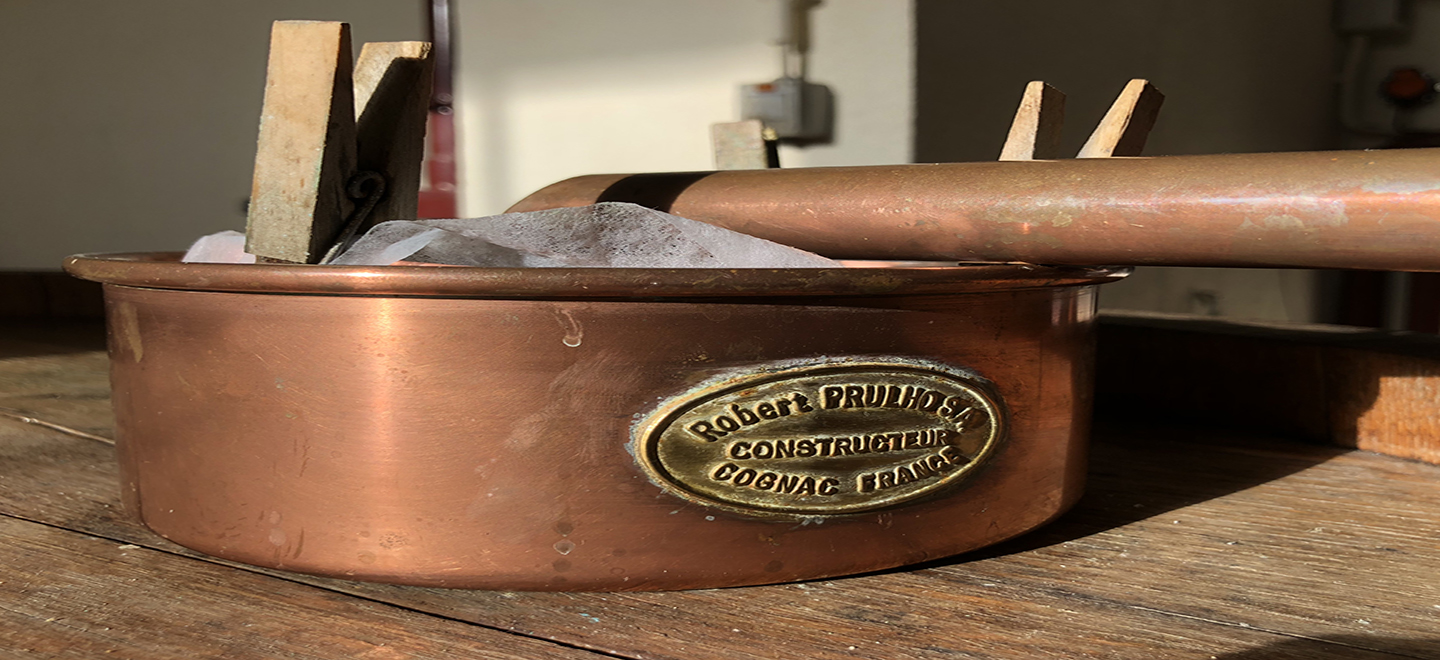 Region:
 -
Description:
For more information on Gilvesy, please visit Selection Massale.
Available in California.
Image: Region:
 -
Description:
Coto de Gomariz is named after the village where the winery and most of its vineyards are situated, within a hilly area of Ribeiro, in Galicia. This part of region has always been known as the Golden Mile of Ribeiro, for the exceptional quality of its vineyards, and the word 'Gomariz' means 'branches of vines'. The estate has existed for centuries, and today is owned by the Carreiro family, that has been in Gomariz for generations. Operations and winemaking are led by Inma Pazos, an incredibly dynamic and energetic woman who has worked with the terroir in the region for decades.
At first Gomariz only grew grapes and sold them in bulk, but in the 80’s the family started to bottle wines under their own label, and today Gomariz is one of the most significative wineries in the area. The agriculture used in their 32 hectares is organic, with many plots worked biodynamically. Inma tells us that the “soils of Gomariz and the Valley of the River Avia tell the story of the Geology of Galicia, since we have three of its main soils: the granitic sandy plots are a result of the erosion of millions of years of the granitic bowls. The wines they produce are light, fresh and extraordinarily aromatic; the schist plots come from metamorphic from the Paleozoic period. They are a hard soil, and the plants generally produce less here, and the wines have a more mineral aspect; and finally, the clay parts, from where we get wines with more mouthfeel and structure.”They work with the traditional varieties from the region, Treixadura, Albarino and Godello for whites, and Souzon and Brancellao for the reds.. The winery produces around 10,000 cases from nine wines with 'The Flower and the Bee' making up the bulk of their production. They are unoaked, fermented naturally and bottled without filtration. We love them for their fresh, fruity and mineral profiles.
Image: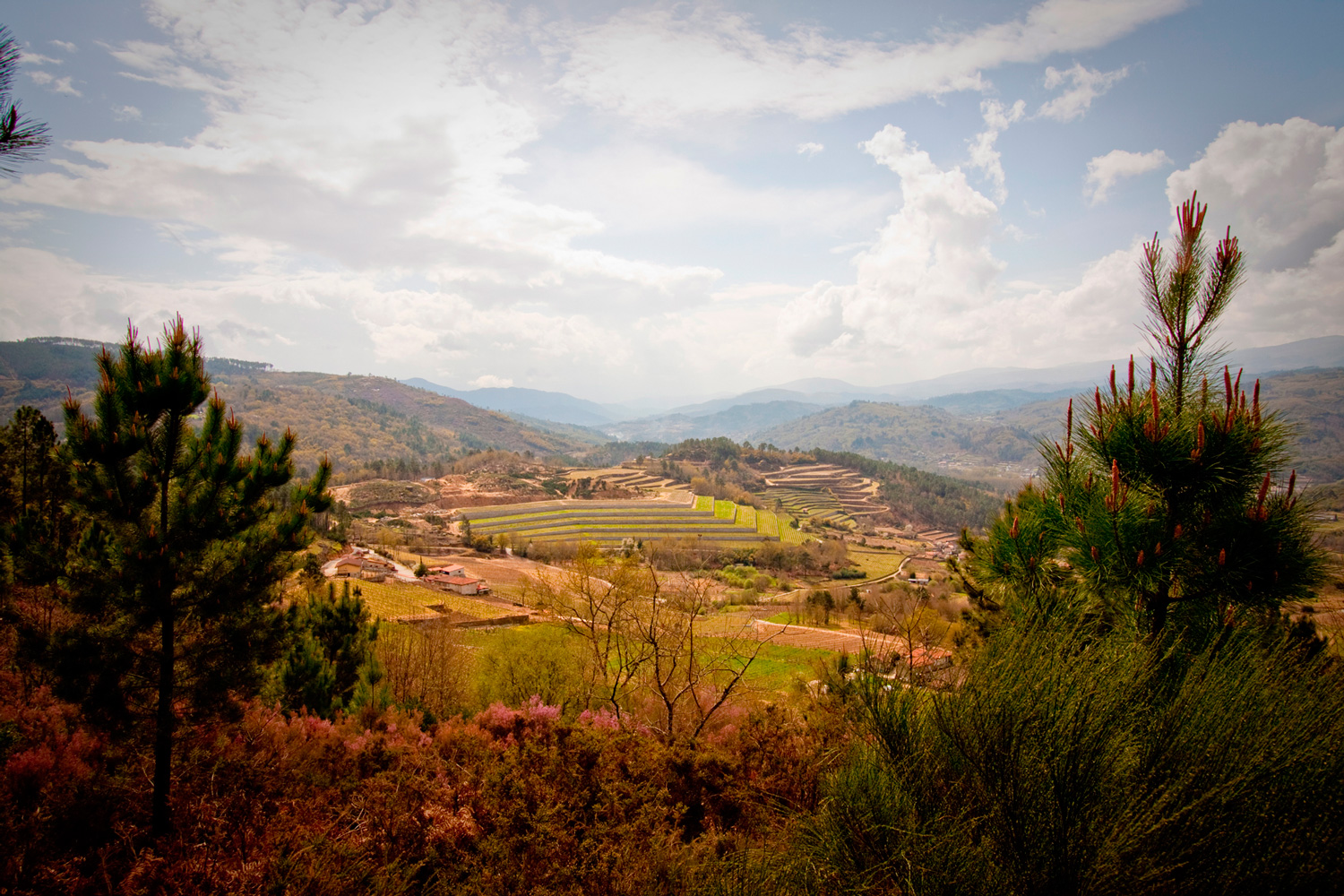 Region:
 -
Description:
González Bastías is a town, and a small, family owned winery in western Maule owned and operated by Jose Luís Bastías and Daniela Lorenzo.
Jose’s family planted their 4 hectare vineyard in the early 1800’s and they have been cultivating it ever since. Visiting this vineyard is like travelling back in time: to reach it, you must cross the Maule River by canoe from the local train station between Talca and Constitucion. Jose farms and vinifies biodynamically and without the use of machines; the soil is a mixture of sand and gravel. All the fruit is pressed by hand over bamboo zarandas into open top cement vats; the wines are then aged in either barrels or amphora. All made without manipulation and without the addition of sulfur.
The wines from this unique property are some of the most unique expressions in Chile and are remnants of Chilean ancestry, which is in danger of extinction.
This profile and tasting notes were edited from the Brazos Wine website, along with the pictures used. For more information please visit: Brazos
Image: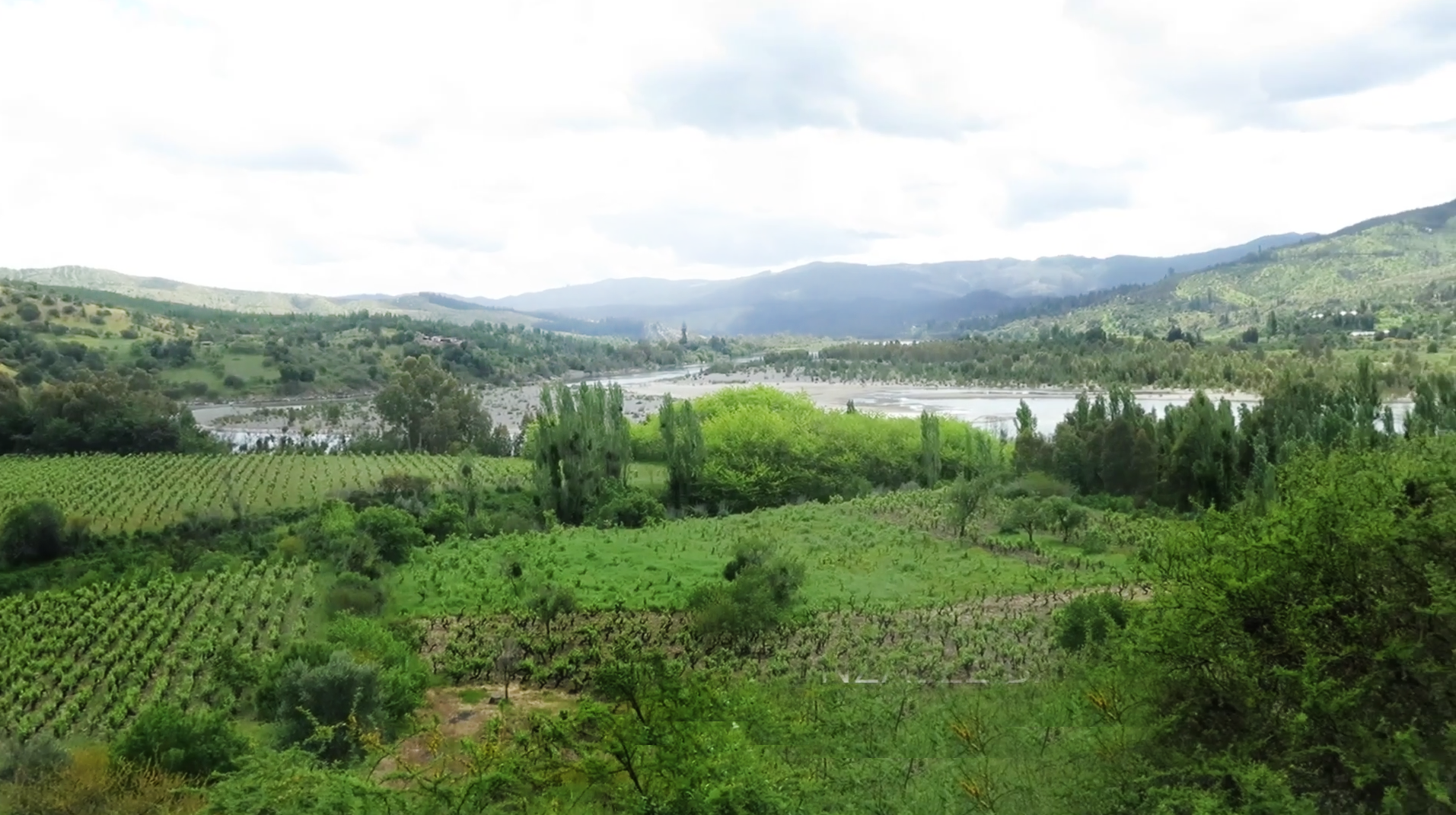 Region:
 -
Description:
Greg Harrington spent his career overseeing some of the most prestigious wine programs in the country. After passing the MS exam at 26 years old (the youngest person ever at the time) he started to feel that his future in wine was the production side. In 2004, Greg attended an event featuring the wines of Walla Walla and was blown away by the potential of the area. In the fall of 2005, he and his wife Pam launched Gramercy Cellars.
In 2008, Brandon Moss joined the Gramercy Cellars team and is now a partner and co-winemaker running the day to day operations at the winery.
Gramercy Cellars now makes around 8000 cases/year and works almost exclusively with Rhone and Bordeaux varieties which Greg finds to be most suitable for the terroirs of Walla Walla as well as the greater Columbia Valley Appellation.
The wine-making philosophy is simple: work with top vineyard sites, harvest the fruit when it’s in balance and not overripe, intervene minimally, and use as little new oak as possible.
The resulting wines are restrained, balanced, and complex. They age well but also possess enough fruit to be rewarding when young. Gramercy Cellars was founded in the hope of capturing what first caught Greg’s attention: the distinctive voice of Washington wines, and with each vintage he further proves that it has been a success.
Image: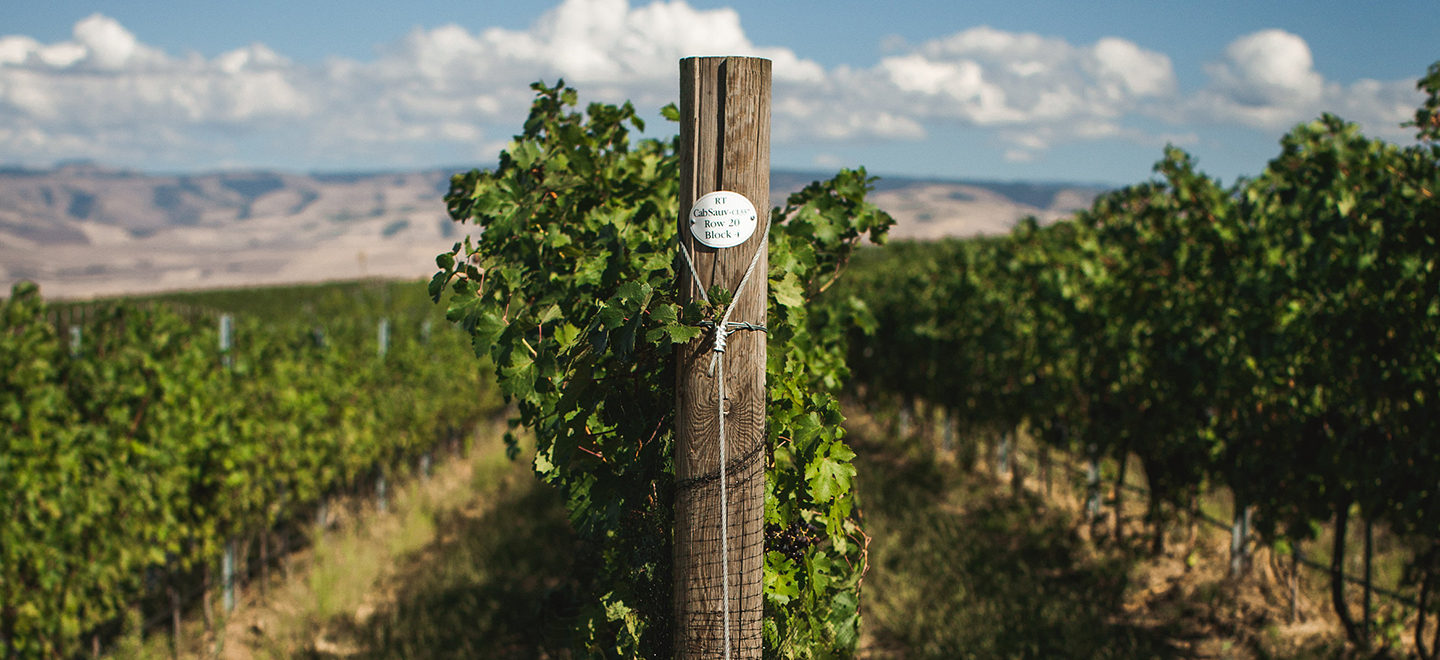 Region:
 -
Description:
The Gramona family traces their history as grape growers and winemakers back to 1850 when Josep Batlle managed the vineyard of La Plana for a local family. His son Pau, who was active in the wine cork trade was uniquely positioned to begin selling the wines made from La Plana to sparkling wine producers in France who were at the time suffering from the ravages of phylloxera. By 1881 Pau was in the position to purchase the vineyard of La Plana and to establish Celler Batlle. It was at this time that Pau realized that Xarel.lo, the indigenous grape to this part of Catalunya, was instrumental in his success selling wines to France due to its ability to make well-aged sparkling wines. Pau’s daughter Pilar married Bartolomé Gramona and together they continued to expand their vineyards and sparkling wine business and in 1921 “Gramona Cava Champagne ‘’ first began to appear on their bottles of sparkling wine. By 1945, Pilar and Bartolomé’s sons, Bartomeu & Josep Lluis took over the management of Gramona and began to elaborate the cuvées that the estate is known for.
Today the sons of Bartomeu & Josep Lluis, Xavier & Jaume Gramona manage the operations at Gramona. Each generation has brought something new to the estate with Xavier expanding the scientific understanding of lees aging and the inherent properties of Xarel.lo while Jaume has pursued the conversion of all their vineyards – owned and leased – to organic farming as well as converting the family’s vineyards to biodynamic farming as well.
The wines made at Gramona are sourced from up to 303 hectares of vineyards (35-75) year old vienes) that are farmed at least organically as well as the family’s 72 hectares of vines that are farmed biodynamically. The soils in the Alt Penedès, where Gramona is situated, are primarily clay limestone. Close to the Anoia river they become more alluvial and near the looming Montserrat mountain there are areas of slate. Their top sites: La Plana, Font Jui, Mas Escorpí, and La Solana, are all located close to Celler Batlle where the wines are made and aged. These sites are also distinguished by calcite formations known as têtes de poupées which slowly breakdown in the soils releasing minerals. Whether it is these unique soils, their location and a gentle rise between the Anoia to the north and several natural springs to the south, or the diversity of the massale selections of Xarel.lo and Macabeu found in these sites that makes Gramona’s best sparkling wines so unique could be debated. Combined with the generations of labor and talent the Gramona family has devoted to these vineyards is the bedrock on which their reputation has been established.
At Gramona time is never an issue. The wines receive perhaps the longest average aging than any other sparkling wines in Spain and are never released until they are perfectly mature. Eighty-six percent of the sparkling wines produced in Spain are released after only 9 months while at Gramona theirs are aged a minimum of 30 months, some even 15-17 years.
Long considered a pioneer for their work in the cellar and releasing sparkling wines only after extended aging, Gramona now farms their estate organically and biodynamically with certifications from the Consell Català de la Producció Agraria y Ecològica and DEMETER. They are also taking steps to promote sustainability in their production by reducing their carbon footprint – using geothermic energy and recycling all the water used at the estate.
This profile and tasting notes were edited from the European Cellars website, along with the pictures used. For more information please visit: European Cellars.
Image: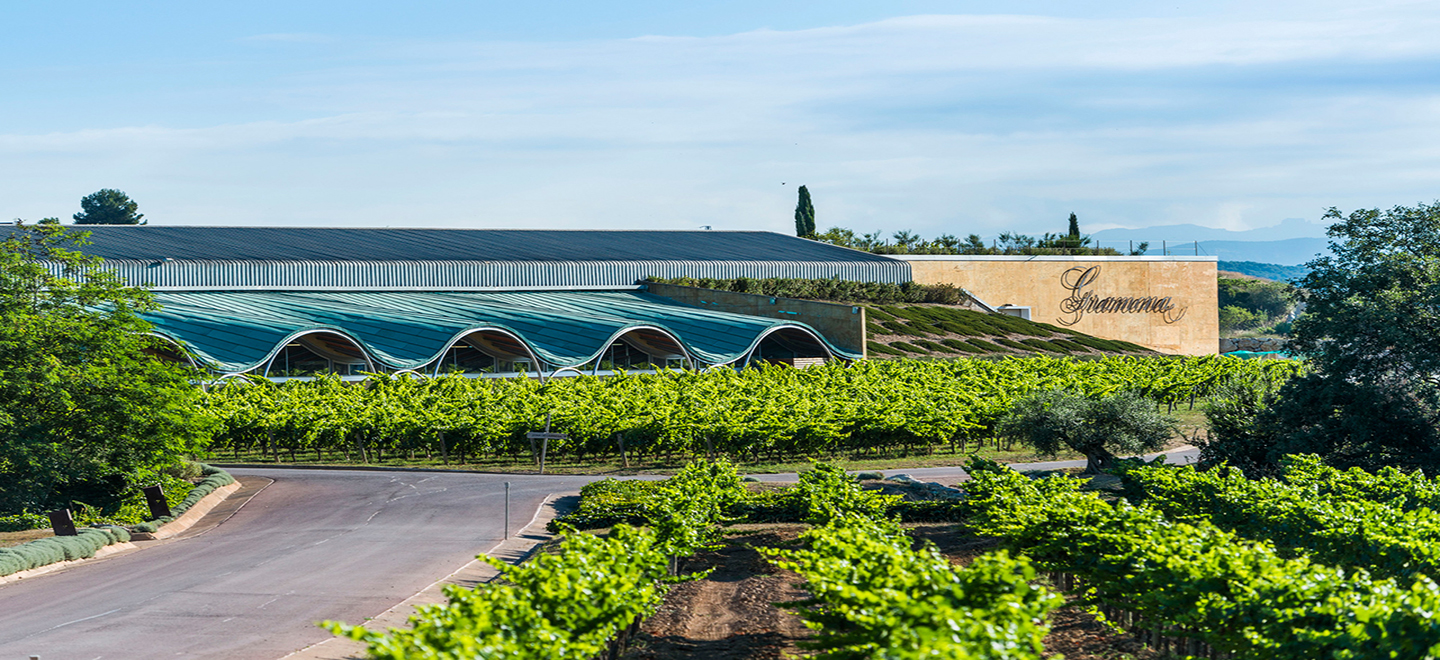 Region: