Producers
-
Description:
Johnson Family is our value-driven private label produced for us from selected vineyard sites in California.
The current Cabernet Sauvignon is from certified sustainable vineyards in Alexander Valley, an area in Sonoma known for producing great Cabernet. In the past, we have produced Chardonnay and Pinot Noir under the Johnson label, but we only make wine when we are able to get high quality fruit at an affordable price. For now, only the Cabernet checks those boxes. These wines are made utilizing only the most exacting standards; low yields, minimal handling, sustainable farming, french oak aging and minimal fining and filtration. The proof is in the bottle as you will see when you taste the wine.
Image: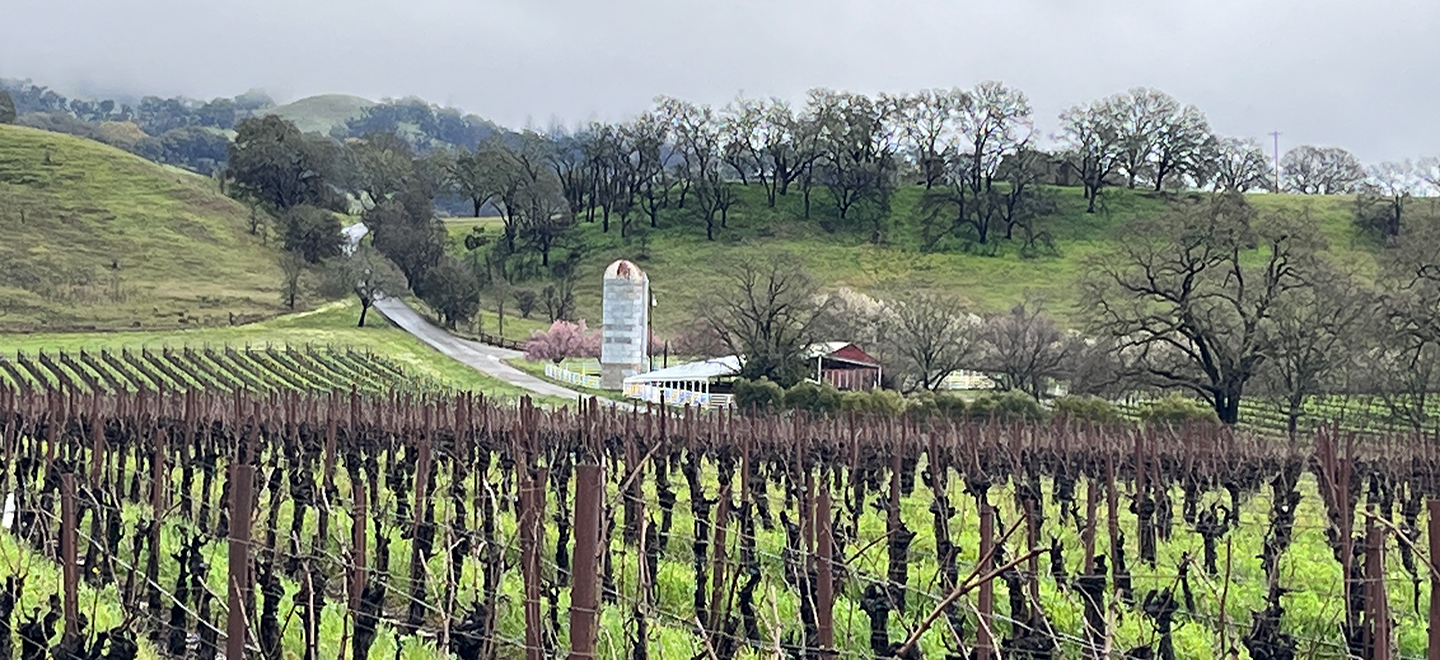 Region:
 -
Description:
The name Jolie-Laide translates loosely to “Pretty-Ugly,” a French term of endearment used to describe something unconventionally beautiful. Based in Sonoma County, California, Scott and Jenny Schultz work with a small group of growers to source fruit from exceptional vineyard sites — stretching from San Benito and Monterey Counties in the Central Coast AVA, up through Sonoma, and further north into Mendocino County.
The quality of the fruit allows for a restrained approach in the winery, resulting in wines that are expressive, site-specific, and pure in profile. In the cellar, grapes are often fermented whole-cluster and foot-crushed, fermentations are carried out with ambient yeasts, and aging occurs in neutral oak or concrete vessels.
Scott began his transition into winemaking after moving from Chicago to manage the beverage program at Thomas Keller’s Bouchon in Napa Valley. As he recalls, “Everyone I met was a winemaker, so on my days off I followed people around to see what they were doing.” Before long, he secured the role of cellar master at Realm Winery, followed by time with Arnot-Roberts and then Pax Mahle, contributing to both the Pax and Wind Gap labels. His passion for the craft ultimately led him to launch his own project, Jolie-Laide, in 2010.
A distinctive feature of Jolie-Laide is its ever-changing label art — each vintage showcases a different artist or art collective. “Our wines are a celebration of the year and seasons in which they are made — always unique and different; no two bottlings are ever the same.”
Image: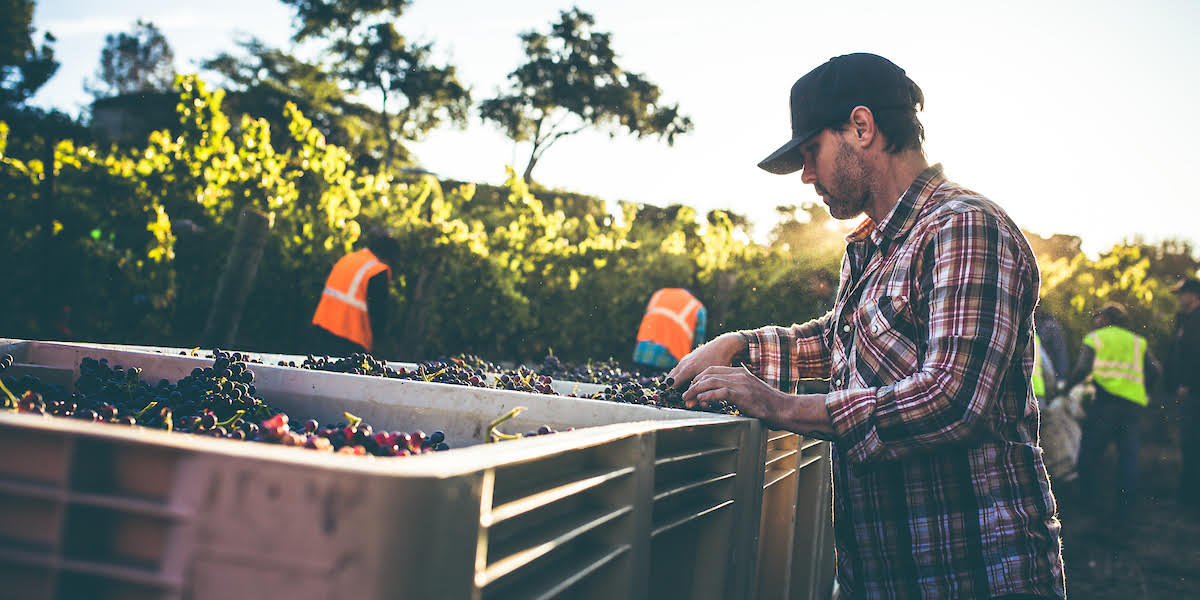 Region:
 -
Description:
José Luis Ripa Sáenz de Navarrete has seen the ins and outs of Rioja and knows its wine making history like no one else, having worked for many years with some of the most reputable houses in the region (full disclosure, he is married to Maria Jose Lopez de Heredia).
After seeing the many facets of the business he decided to create a label and make his own wine, a classic Spanish Aged Rosado from vineyards grown on one hectare in the Najerilla Valley, in Rioja Alta, which gets released with a little bit of bottle age.Image: Region:
 -
Description:
Alwin and Stef Jurtschitsch took over the family winery in 2006 and immediately got to work, converting all of the vineyards to organic viticulture, replanting more densely, using whey to treat mildew instead of using copper sulphate, and working with new pruning methods. All the vineyards are certified organic and protecting biodiversity has always been a priority. Jurtschitsch explains that, “The more life you have in the vineyard, the more stable the entire system is.” Wildlife is abundant in the Jurtschitsch vineyards, with many fruit trees, grass, garlic, wildflowers and butterflies fluttering among the vines.
Jurtschitsch aims for a classic style of Kamptal wines, but more like an old-style of classic, that was made by their grandparents. This means, emphasizing the cool climate of Austria and making wines with finesse that strike a balance of ripe fruit and fresh acidity. Stefanie Jurtschitsch manages the winemaking and she is making wines which let the vineyards and soils speak for themselves. They only use spontaneous fermentations and work without any additions, aside from minimal sulfur. The entry-level wines are made in stainless steel, but all the single vineyard Erste Lagen wines are aged in large oak foudres.
As of 2016, they have started a second line of wines called, ‘Discoveries of Langenlois’ which are bottled under “Alwin und Stefanie Jurtschitsch”. These wines push boundaries and allow them to play outside of the classic style, opting for skin contact, and low to no sulfur. Although the two lines show different expressions, the wines are coming from the same vineyards, farming is the same, and both are low intervention in the cellar; they are two sides to the same coin. The wines shine in multi-faceted elegance, offering drinking pleasure at highest level without being baroque and heavy.
Image: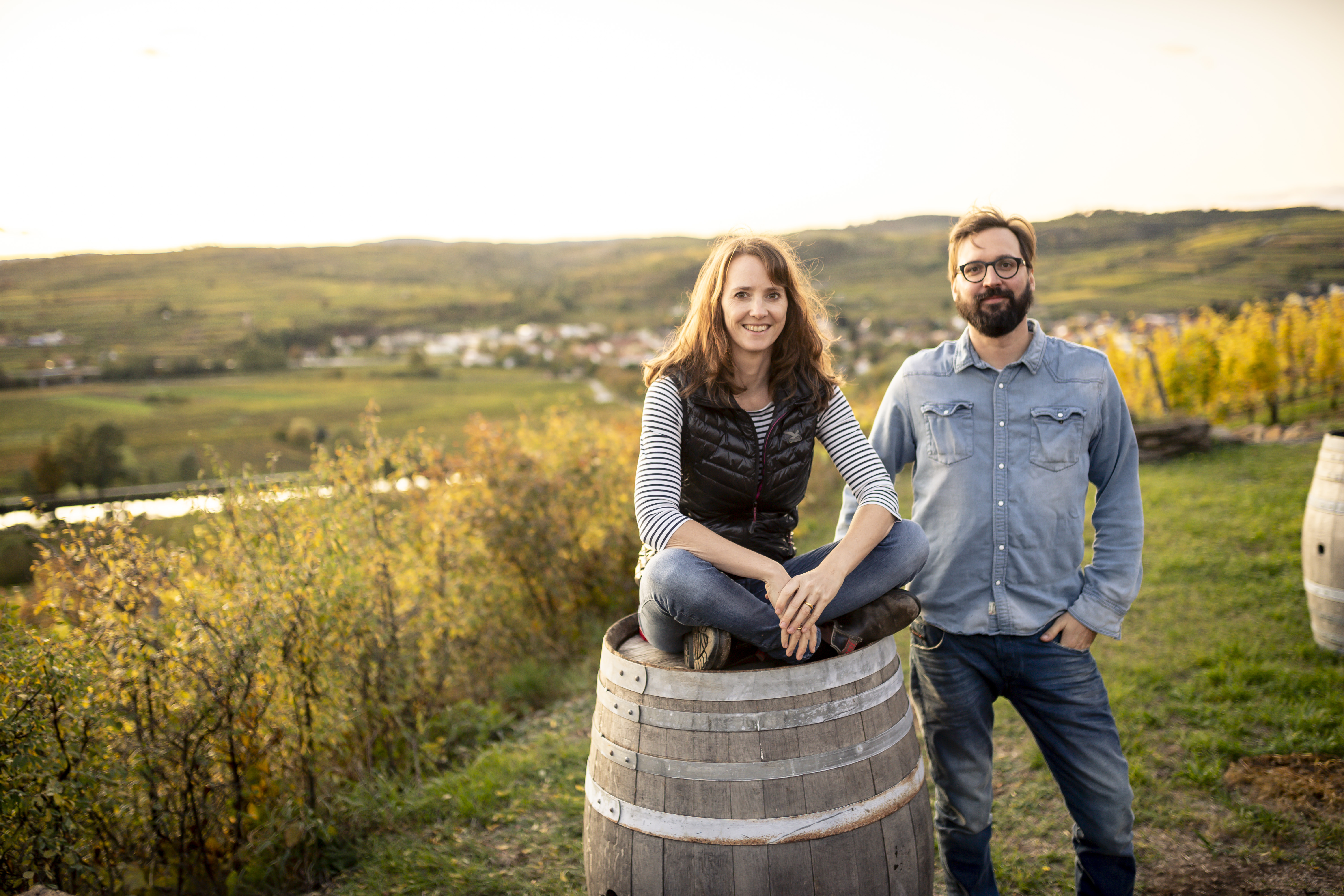 Region:
 -
Description:
In 1866, J.W. Kelly founded Deep Spring Distillery in Chattanooga, TN with the goal of creating the finest whiskey. Through his distillery and other ventures, Kelly eventually helped to revive the city after it's near decimation during the civil war. Kelly’s use of old-world pot distillation and custom mixture of corn, malted rye, and barley helped create a unique blend. His brand set the standard of excellence and was very prosperous not just throughout the South, but also the world. Now, more than 100 years later, his dream lives on as a world-class spirit with Chattanooga soul. Each bottling under the JWK banner gets it's name and style from his original releases, introduced to the world during the 19th century. The bourbons are still 100% pot distilled, before aging in char #3 American White Oak barrels and always bottled at a minimum of 94 proof. The rye whiskies deliver a punchy balance of fruit, spice and herbaceousness. Overall, the lineup offers an incredibly rich, and notably distinct drinking experience.
Image: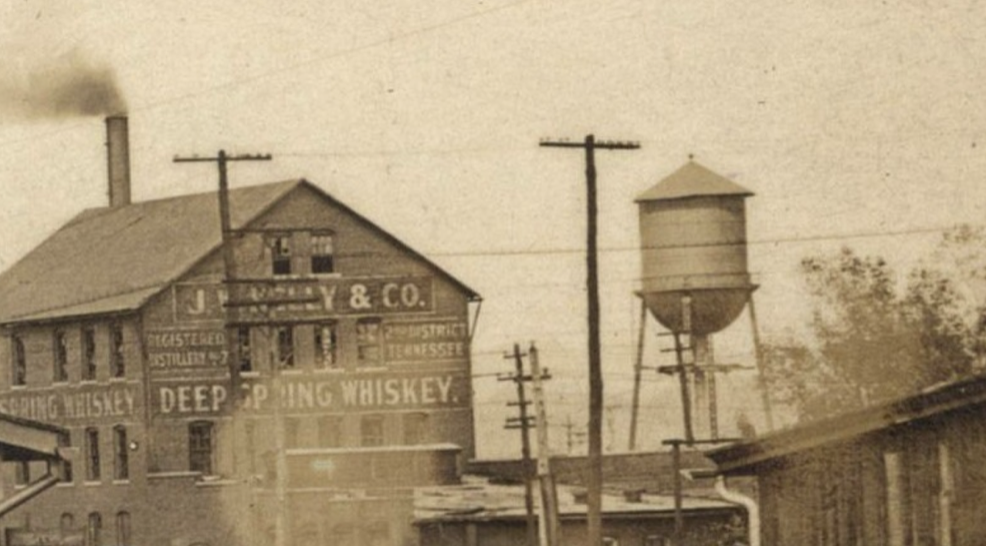 Region:
 -
Description:
Union Grove Distillery is a “Farm Licensed” craft distillery located in Arkville, New York in the beautiful Catskill Mountains; the distillery opened on February 10, 2016. The name comes from the lost town of Union Grove which once stood about 10 miles south of the distillery location and now lies beneath the cold waters of the Pepacton Reservoir. Union Grove Distillery is fortunate to have at its disposal this same pristine water for their production. The distillery specializes in small-batch spirits made primarily from New York–sourced ingredients. Their award-winning spirits are best enjoyed alongside stunning mountain views, handcrafted cocktails, and the warm, welcoming atmosphere that makes every visit feel special.
For more on Union Grove Distillery, click here.
Image: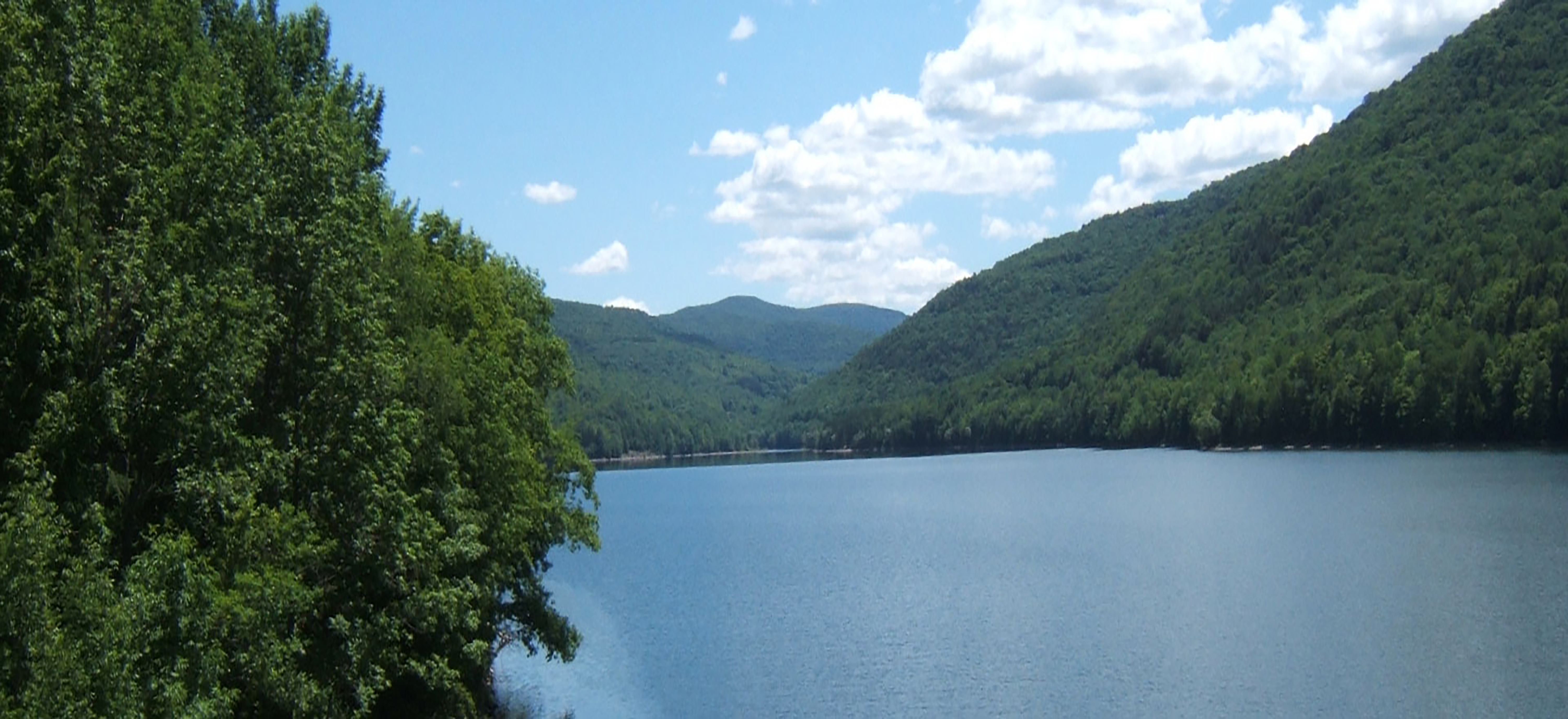 Region:
 -
Description:
This wonderfully traditional winery was established in 1758; Franz and his son Matthias represent the seventh and eighth generation here. The estate/s holdings currently consist of 26 hectares of vineyards in Deidesheim, Forst and Ruppertsberg, picturesque villages which lie in the shadow of the Mittelhaardt mountain range, and constitute the great winemaking heart of the Pfalz. Soils are a fantastic mix of geologies, primarily sandstone (bundsandstein) but also basalt boulders, lime and layers of loess and clay, contributing to the complexity and variety of the wines made here. The 200-year-old cellar includes large old barrels as well as modern stainless tanks used for the younger, fresher cuvées. Kimich produces about 100,000+ bottles of wine a year, 97% white wines composed of dry (80%), semi-dry (15%) and sweet (5%).
Matthias refers to his vineyards as "environmentally farmed to preserve the ecological balance of the Palatinate countryside." Here's what that means:
Transitioning ORGANIC since 2019, will be certified in 2022.
No herbicides, no fertilizers, no pesticides.
The winery operates with a negative carbon footprint.
Only sprays: Sulfur, copper, baking soda.
Not vegan; the wines are fined with isinglass.
Temperature controlled fermentations in stainless steel. Most bottlings are vinified with cultured yeasts, but spontan on the higher end cuvees.Image: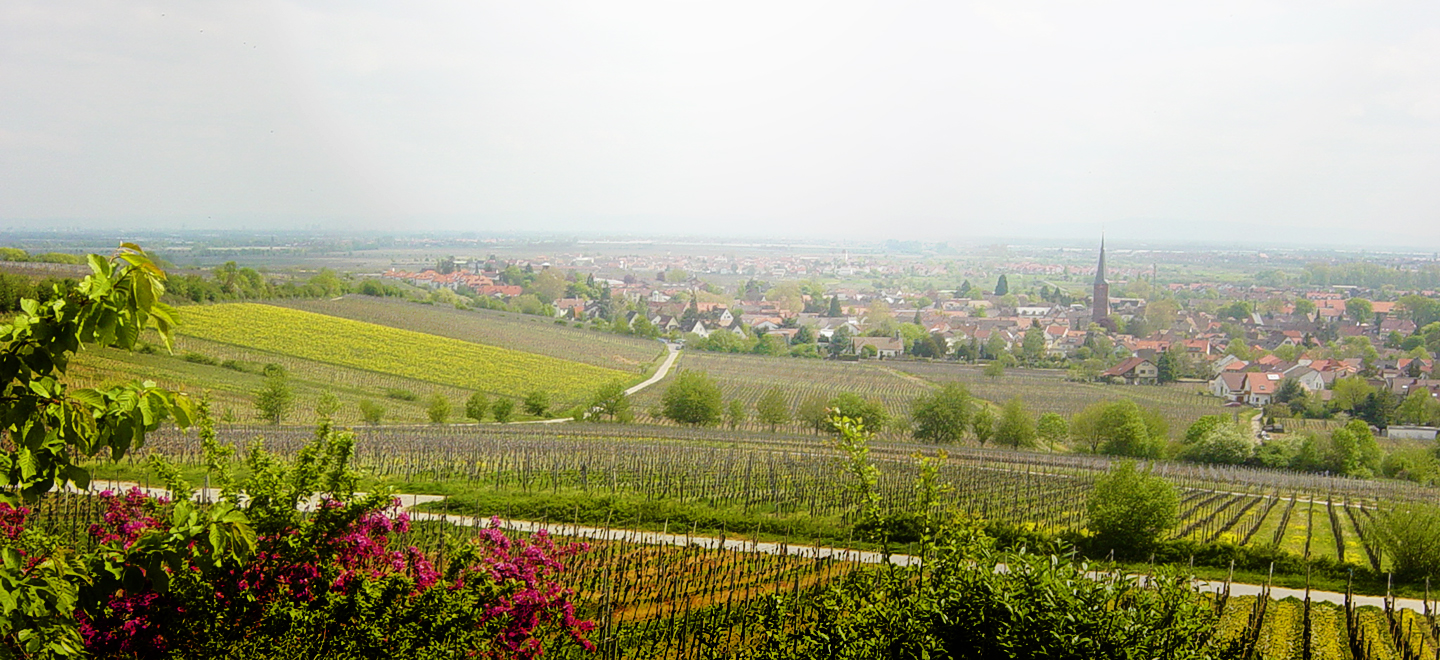 Region:
 -
Description:
"KIN was founded by Bernard Lax after years of him and his best friend sourcing moonshine from Georgia and eventually making their own in a small, makeshift distillery in Venice Beach. After perfecting the recipe they loved, they decided it was time to share it with California by contract-distilling the formula they had been using for years. Later, Bernard brought on his son, Taylor, and his nephew, Eric, to help carry on his passion and introduce KIN to bars, restaurants, and liquor stores throughout the state.
During the pandemic, Bernard’s son Taylor was managing a bar program when his top-selling banana cocktail hit a major roadblock — imported banana liqueurs became difficult to get. With ownership pushing for a solution and nothing on the market tasting like *real* banana, he decided to make his own. Remembering how people always said his family’s white whiskey had a natural plantain note, he realized it would be the perfect base for a homemade banana liqueur — and the first version of KIN A-Peel was born.
The original recipe began humbly in a simple sous-vide bag, using overripe banana peels and fruit infused directly into their white whiskey. Scaling that small-batch idea into a commercial product became a much bigger journey, taking nearly four years to perfect. During that time, Bernard unexpectedly passed away. It was an incredibly difficult moment for the family, especially since he had always been a huge fan of the homemade banana liqueur Taylor created using the whiskey he loved. His passing made the project even more personal. Rather than slowing down, it strengthened Taylor’s commitment to honoring his dad’s work and carrying Bernard’s legacy forward through the spirit they created together."
Image: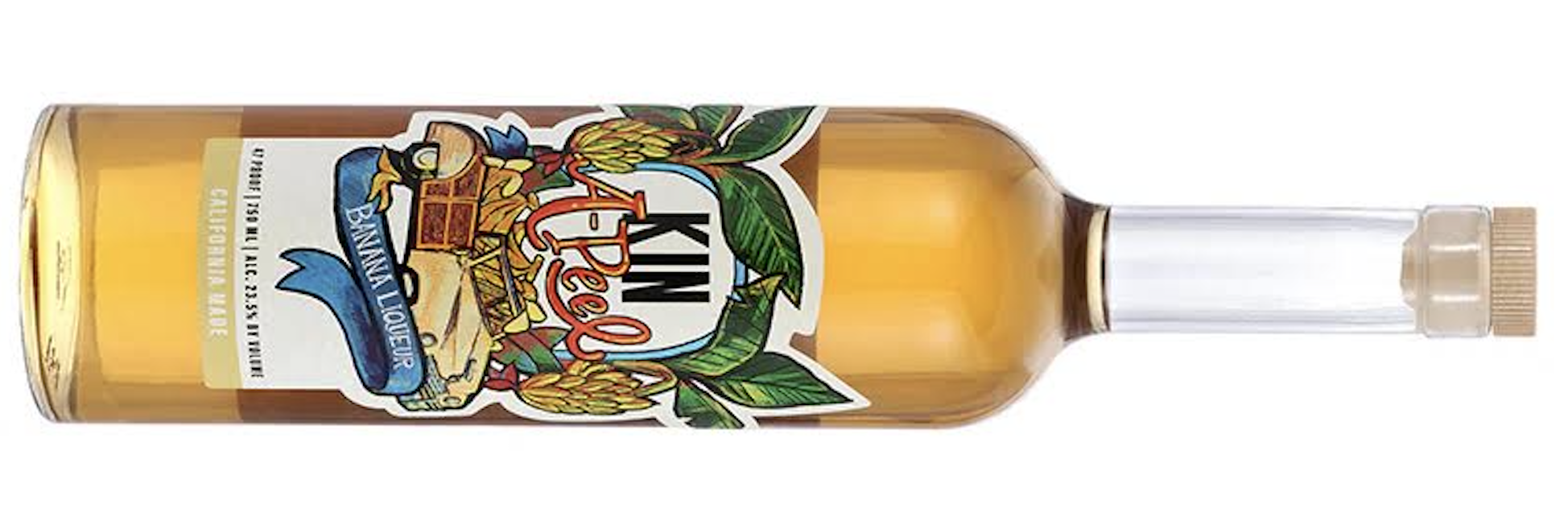 Region:
 -
Description:
Kobayashi Winery was founded in 2014 by Travis Allen and Mario Kobayashi and has since become one of the most exciting and distinctive new projects to emerge from Washington State. Their path into the wine industry was anything but conventional, as neither had a formal winemaking background. In 2007, Travis and Mario moved their family to the Pacific Northwest after Travis accepted a position as a nurse anesthetist at Seattle Children’s Hospital, a role he continues to hold part time.
A longtime and serious student of wine, Travis eventually decided to try his hand at production, beginning with a single barrel of Cabernet Franc at an urban winery in Seattle. From that modest 25-case debut in 2014, Kobayashi Winery has grown to produce fewer than 1,000 cases annually. They intentionally remain small, with no plans to expand.
Today, production takes place at Force Majeure Winery in Milton-Freewater, just south of Walla Walla. Kobayashi focuses on Northern Rhône varieties and Cabernet Franc sourced from premier Columbia Valley vineyards, including WeatherEye and Red Willow. Travis and Mario’s meticulous attention to detail and willingness to experiment set their work apart. The resulting wines are singular, rooted in Washington terroir yet driven by an innovative and boundary-pushing spirit.
Image: Region:
 -
Description:
This historic estate, long managed by the legendary and larger-than-life Bernd Philippi, was purchased in 2009 and since 2011 has been in the dedicated hands of Dominik Sona. He and his cellar master Franziska Schmitt are intensely hard-working and strictly honor the arch-traditional style of this beautiful, centuries-old cellar.
Koehler-Ruprecht is known for long-lived, rich and minerally Rieslings, Pinots and Chardonnays. Their holdings include 12ha, mainly from three prime locations in Kallstadt:
- The 750-yr-old Steinacker or "stony acre" which practically surrounds the village is a very rugged, gravelly sandstone and lœss mix on top of a limestone floor, home to Pinot varieties and the estate's fruity Kabinett Riesling.
- The 120-year-old Annaberg is a chalk and sandstone site where the estate's remarkable Chardonnay grows on the limestone portion and their legendary Scheurebe is derived from the first commercial plantings of that grape in Germany, planted circa 1960!
- The crown jewel of the estate is the 200+year-old Saumagen (lœss, marl, and limestone), a 40ha grand cru of which Koehler owns a prime parcel of 4ha on the original South-East facing slope. Some of the greatest, most long-lived dry Rieslings in Germany are born here.
All wines are spontaneously fermented on their own yeasts and aged entirely in large, neutral stück (1200L oval casks) and halbstück (600L). No chaptalization, no enzymes, and no manipulations of any kind are practiced here.
These are extremely old-school wines from an estate making trocken (dry) wines before it was trendy. In fact, the estate cleaves to the old labeling practice of putting both the pradikät and the trocken designation on each wine (e.g., Auslese Trocken), which the VDP no longer allows; it was one reason they left the consortium after 80 years of membership! Koehler-Ruprecht’s wines are released conspicuously late and are best enjoyed with bottle age, particularly the “R” reserve wines. It is safe to say there are no other wines like these made in Germany—or anywhere.
For more information, click here.
I'll Drink to That! Wine Talk Episode 487: Dominik Sona and a Conception of Kabinett
Image: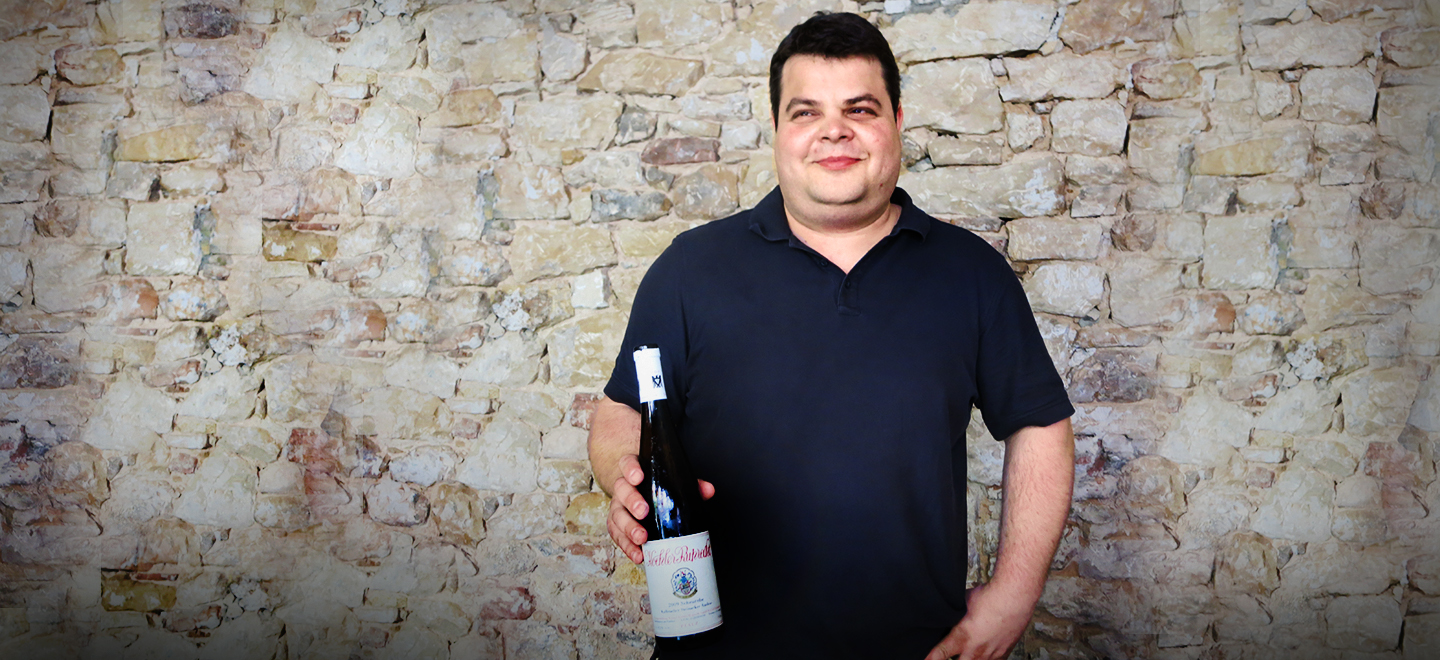 Region: