Producers
-
Description:
For more information on Martin Texier, please visit Selection Massale.
Available in California.
Image: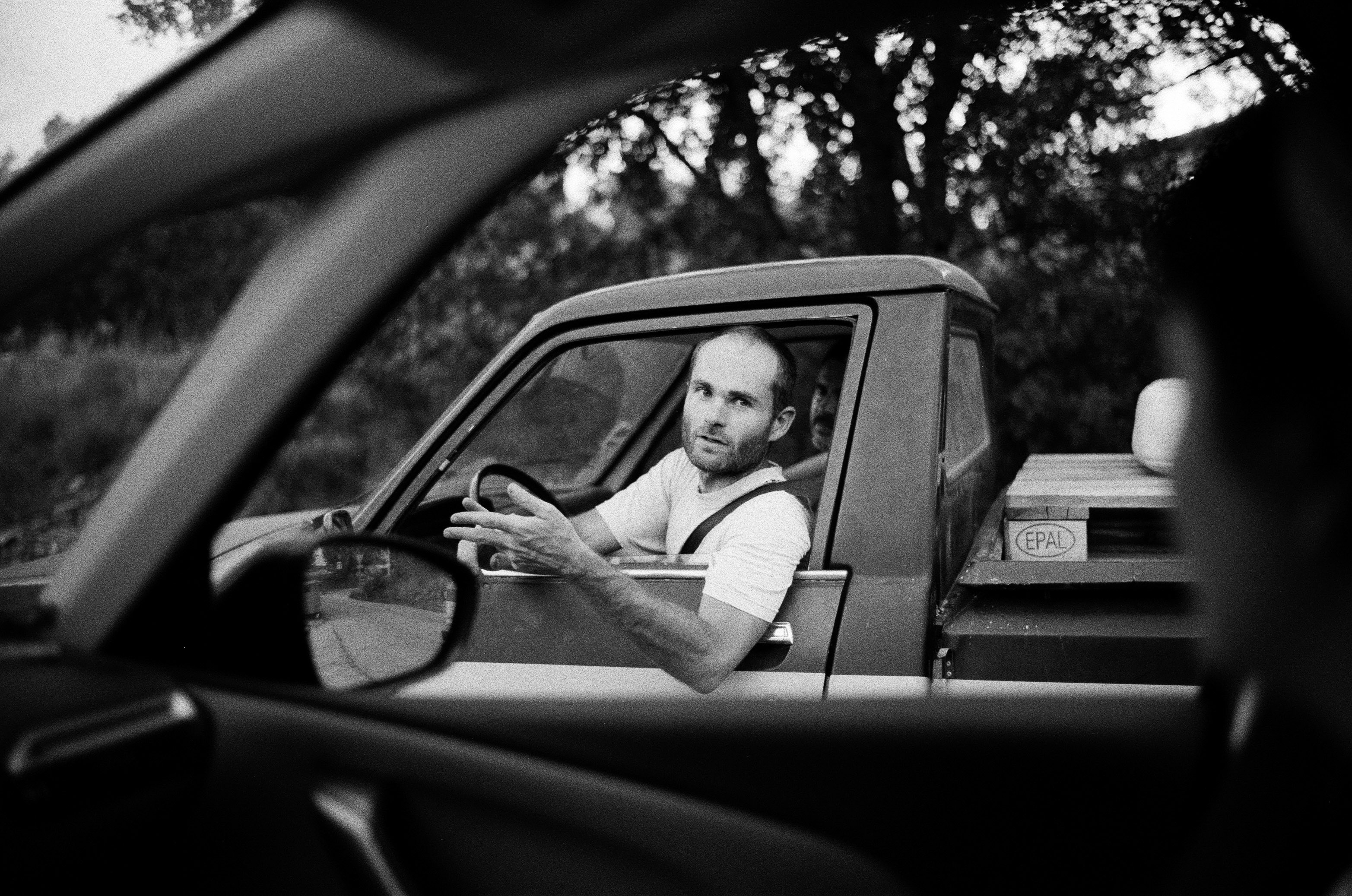 Region:
 -
Description:
Domaine Yves Martin is a small, family-run estate with nineteen hectares of vines in the famed town of Chavignol. The winemaker, Pierre Martin, took over from his father Yves in 2005.
The domaine is in conversion to organic viticulture; they never use herbicides or pesticides. The subsoil here is Kimmeridgian marl and the top soil is very stoney. They grow vines in each of the two famous terroirs of Chavignol: “caillottés,” which is stony and chalky; and “terres blanches,” which is composed of clay and limestone.
The winery is located in the center of Chavignol and is gravity fed. All fermentation happens spontaneously in thermo-regulated tanks. Most of the wines are aged in stainless steel (although a couple of the cuvées are aged partially in barrels) and all are aged on the fine lees, lending a nice richness to the wines. The result is mineral-laden, refreshing Sancerre with citrusy lime notes and a lingering finish.
Image: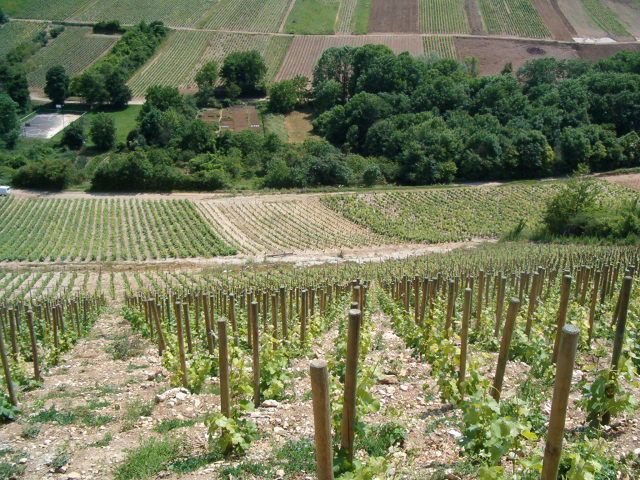 Region:
 -
Description:
When founding partner Mary Taylor first fell in love with wine in the early 1990’s, it was the European classics that truly spoke to her and stole her heart. As a young professional selling French and Italian wine, first in the New York wine auctions and then as a merchant, she quickly learned to appreciate wine in the “Old World” way— not as a luxury good reserved for special occasions, but a living agricultural product that belongs to everyday life.
Today, Mary Taylor Wine’s mission is to unlock the world of European “appellation” wines by working with individual growers in multiple villages— from Bordeaux to Nîmes to Valençay— who produce exceptional, regionally-distinctive wines at extremely accessible prices. Farming is inextricably linked to making distinctive wines and all of the growers that Mary Taylor works with farm responsibly; most are certified sustainable by HVE and others are certified organic and practicing biodynamic.
Each Mary Taylor wine is a faithful ambassador of its geographical origin, true to local traditions, and the vision of the individual farmer who bottled it, whose name is listed on the front of every bottle. Mary Taylor Wine offers affordable wines of genuine quality and integrity (no shortcuts) that will bring the magic of their “terroirs” to life wherever you choose to enjoy them: at a dinner party, next to the grill, or even just on a quiet night at home.
Image:
-
Description:
The Mas de Cadenet estate is located at the base of the Sainte Victoire mountain (the mountain that Cézanne made famous through his paintings), in the heart of Provence. A family estate, it has been owned and run by the Negrel family for seven generations.
Sainte-Victoire is a sub-appellation of the Côtes de Provence which was granted its own AOC status in 2005; twenty-two winemakers (including Mas de Cadenet) fought for their AOC status for 15 years, and rosé from this region is widely understood to be the best of those produced in Provence. Mas de Cadenet's 45 hectares of vineyards are situated 250 meters above sea level, with a southern exposure: 40 hectares are located in AOC Sainte-Victoire and 5 hectares in AOC Côtes de Provence. Rosé is their primary focus, and at 60% of their total production, making an exceptional rosé is clearly a priority; they also produce vin rouge (30% of their production) and vin blanc (the remaining 10%).
Sainte-Victoire is also noteworthy for a "gentleman's agreement" in effect here: the vignerons of Saint-Victoire have all elected to practice organic viticulture. As with all of their neighbors, striking a balance with nature is central to the Negrel family's philosophy, and their vineyards have been certifed organic since 2013. The average age of their vines is 35 years old, with the oldest vines now over 70 years old. The age of the vines is a key factor for the wines consistency and quality; the yield of the wines is naturally kept low to ensure high quality of the wines (45 hl/ha in average). www.masdecadenet.fr Image: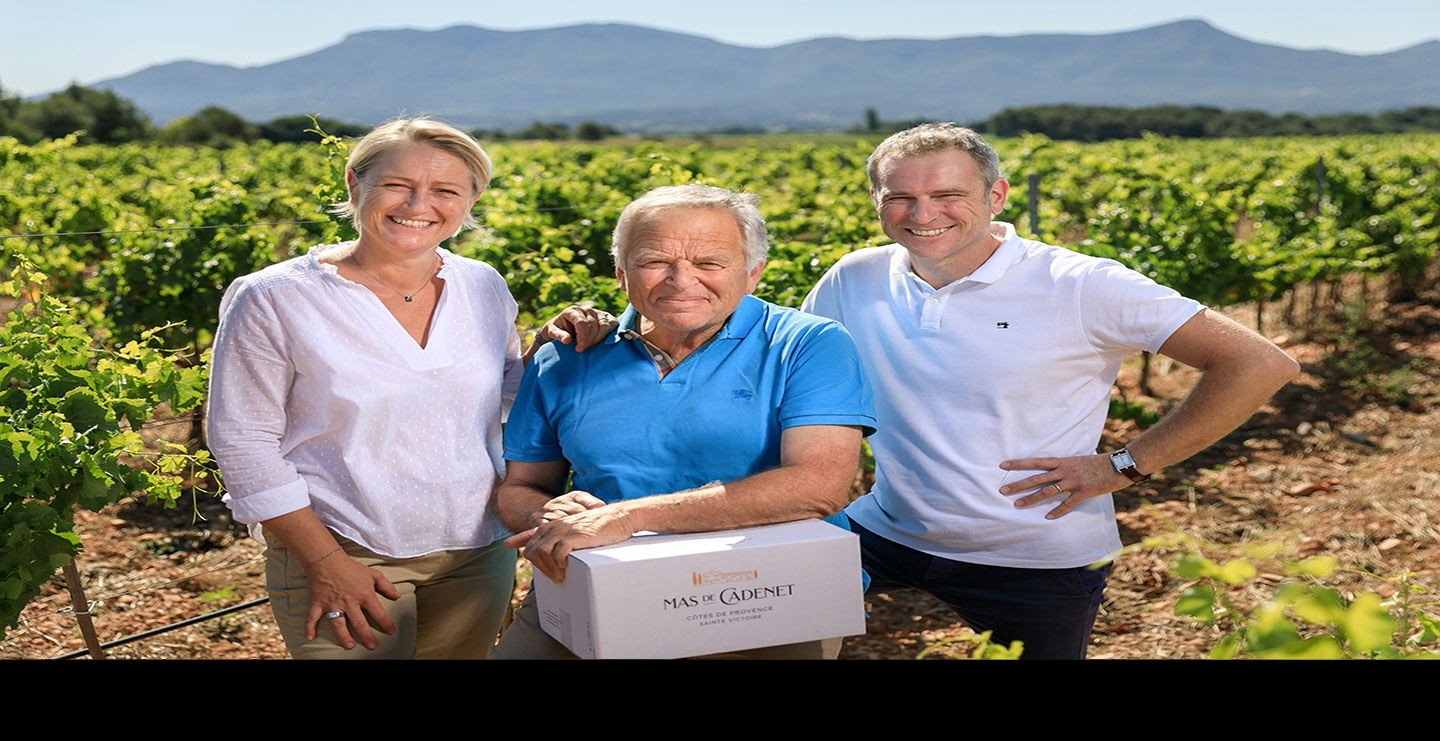 Region:
 -
Description:
Nothing encapsulates the next generation of Penedes - quite literally in this case - as the work of father and son team Joan and Joan Vendrell at Mas Goma.
The estate is located in Les Cabanyes, in the heart of the Penedès, a historic and traditional area of the viticulture. The property has been owned by the Vendrell family since 1918 and has been growing grapes and producing wine on and off since then. The new era started in 2009 when Joan Vendrell (the son), who handles the business side of things, and Joan Manel Vendrell (the father), who has 30 years of winemaking experience took control.
Only the oldest vines are used to make wine on the estate, and they currently sell grapes from younger vines to other producers in the area. In the cellar everything is fermented with native yeasts, little to no sulfur is added depending on the cuvée, and everything is unfined and unfiltered.
These wines are laser-focused and run a range of different styles, from long-aged cavas to seriously refreshing still wines in liter bottles. Some wines have just arrived, and we are thrilled to share them with you.
Image: Region:
 -
Description:
Matchbook Distilling Co. is known for its experimental, ingredient-driven approach to spirits production. Matchbook is the brainchild of distiller Leslie Merinoff-Kwasnieski. She and her team produce an immensely diverse set of spirits built around the abundant produce of their local farmers. Founded with a focus on culinary technique and transparency in sourcing, Matchbook works directly with farmers, foragers, and producers to build spirits from raw agricultural ingredients. Located on the North Fork of Long Island, Matchbook operates as both a distillery and research-driven beverage lab, producing a diverse portfolio that includes gin, amaro, aperitifs, and specialty botanical spirits. “We think healthy, live soil produces the healthiest ingredients - and the healthiest ingredients produce the best flavor. We find endless inspiration in the history of how people have regarded spices, herbs, fruits, minerals - at once medicine, nourishment, perfume and flavor.”
Image: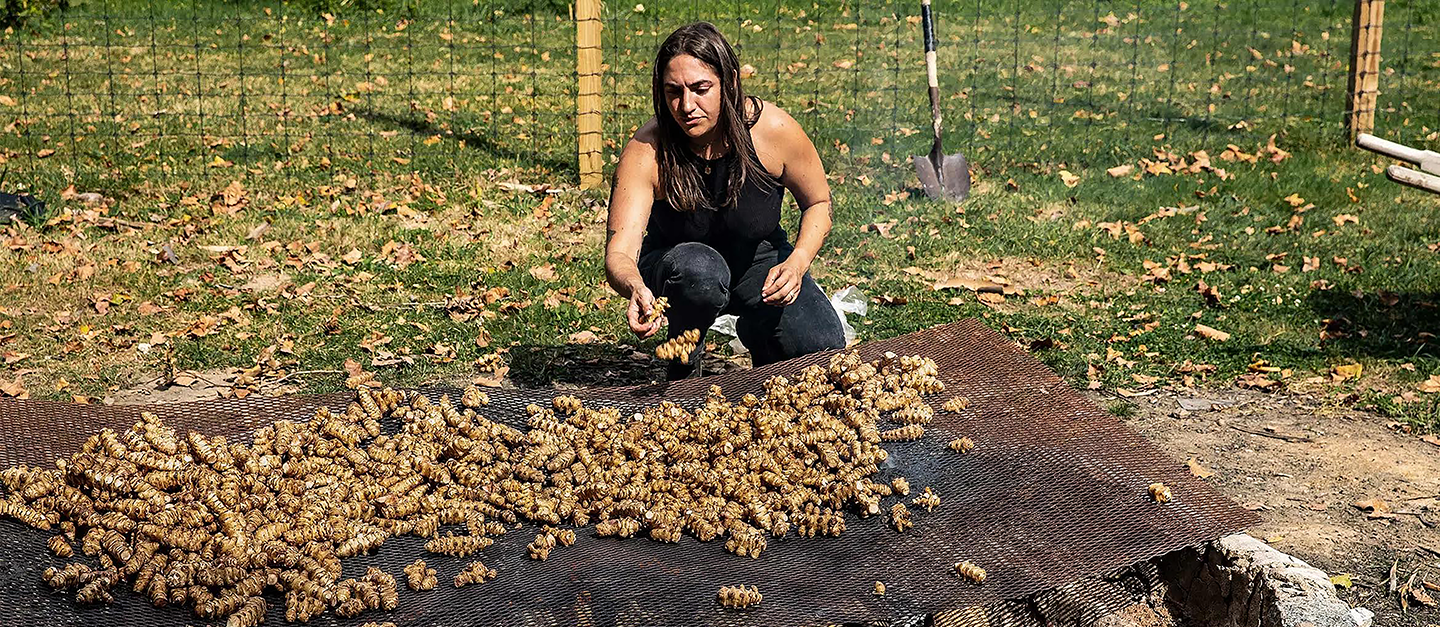 Region:
 -
Description:
For more information on Mateus Nicolau de Almeida, please visit Selection Massale.
Available in California.
Image: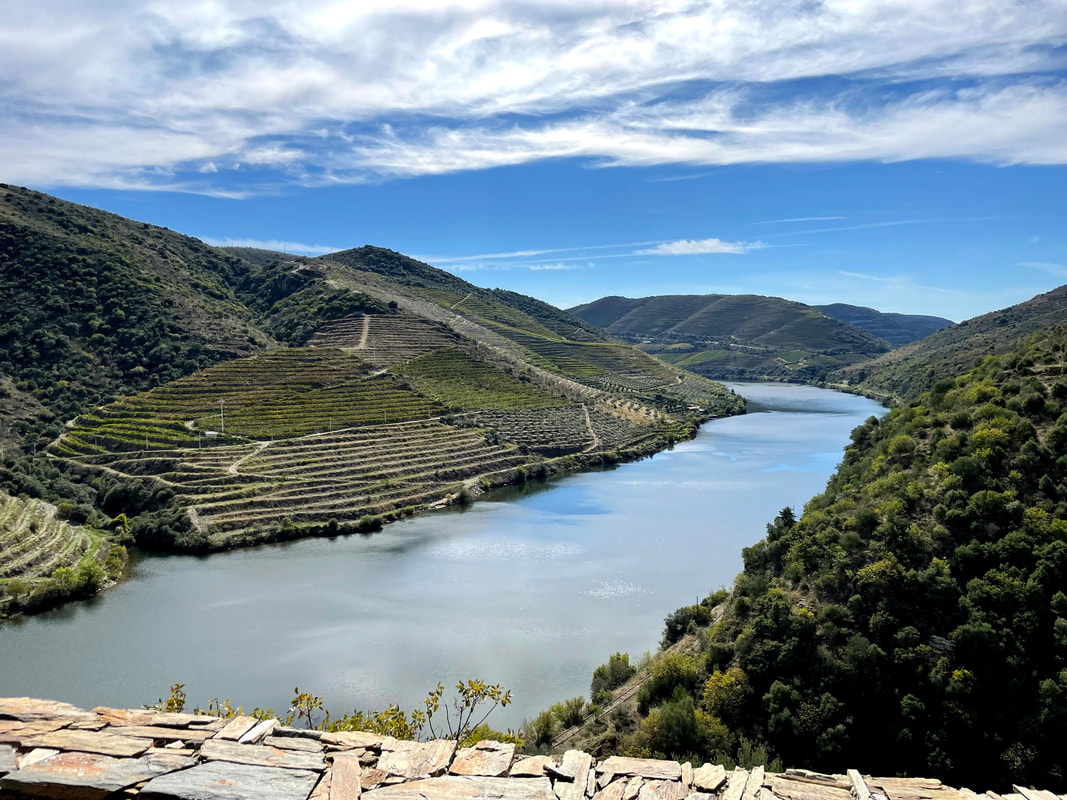 Region:
 -
Description:
For more information on Meles Augustín Normil, please visit Selection Massale.
Available in California.
Image: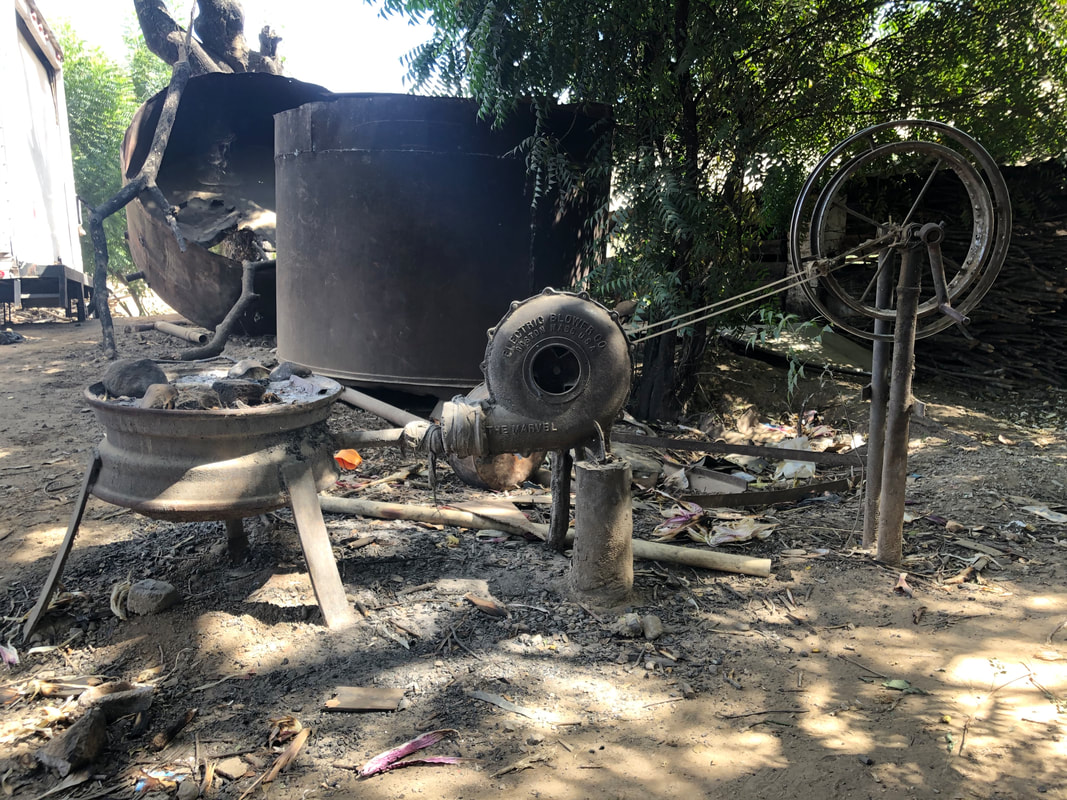 Region:
 -
Description:
The name "Menaud" is an homage to a book titled “Menaud, maître-draveur” (Menaud, log driver), written by Félix-Antoine Savard and published in 1937. Savard lived in Clermont, the same town in which Menaud Distillerie is based in Charlevoix, Canada. A nature-lover and staunch advocate for conservation, Savard serves as an appropriate inspiration for the ambitious project that is Menaud. The distillery was founded by four friends: Grégoire Bluteau, Charles Boissonneau, Enrico Bouchard, Martin Brisson, and Gilles Brouard. It is a collaboration with the farmers of Charlevoix, and all ingredients are locally-sourced (except for the juniper which comes from England). The botanicals, which include honeysuckle, glasswort, and haskap berries, are all researched in depth before being incorporated.
This is due in part to the special microclimate of the region, a combination of the humidity of the river, the salty air, and the late arrival of the seasons. Much of the work is in maintaining a conversation with the terroir. As Charles Boissoneau puts it: “We explore the flavors, sometimes for months, researching different things in an effort to preserve the essence of the ingredients. To honor the tradition of the place and yet shake things up, one must understand the ecosystem-- the manner by which everything lives and interacts together. The choice of each ingredient is the fruit of a great deal of labor and research regarding the land and many tastings of ingredients along the way."
Image: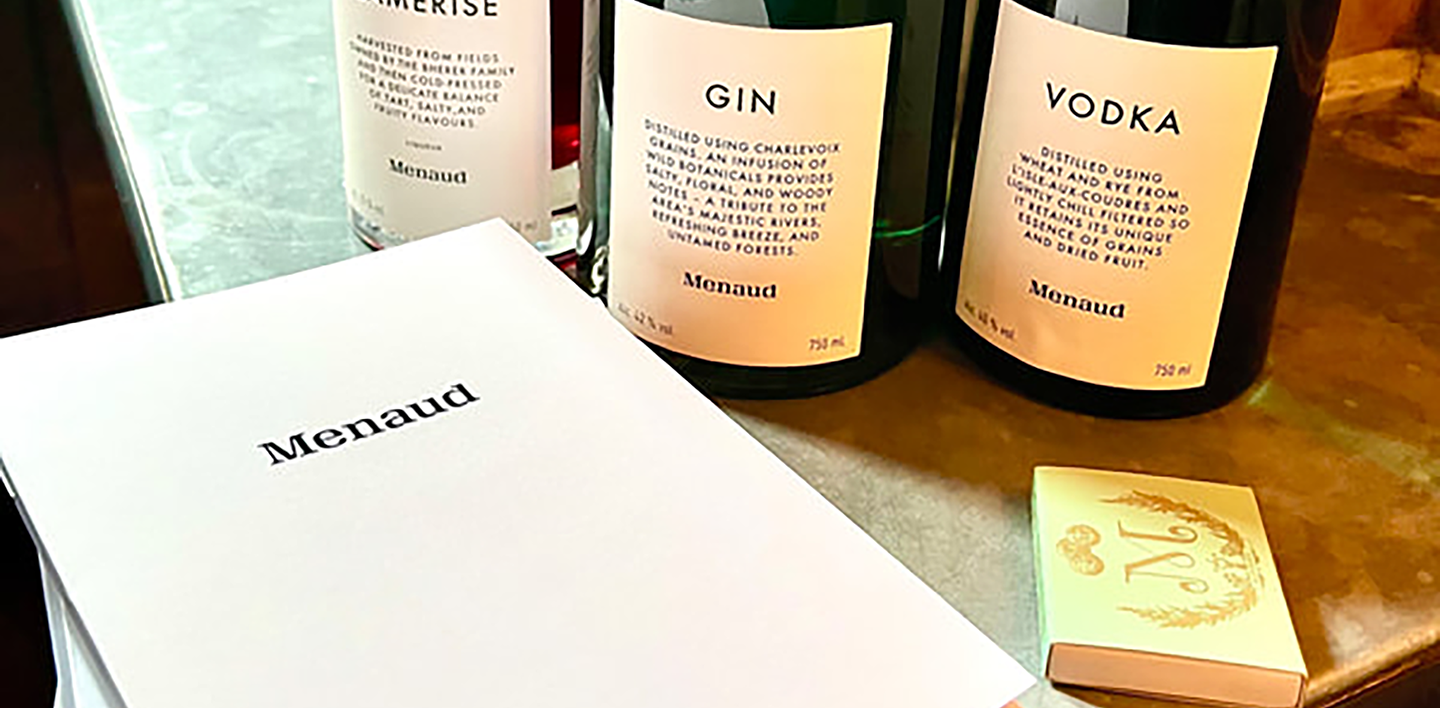 Region:
 -
Description:
In 2010, after having dedicated the previous 20 years to the recovery and maintenance of his vineyards—not to mention a lifetime to winemaking—Pedro Merayo established Bodegas y Viñedos Merayos. The Merayo family has always been strongly linked to the world of wine and they have owned one of the most important wineries (Bodegas Merayo, closed c. 1989) in the region for decades. However, in the late 1980′s, Pedro Merayo decided to take time off from winemaking to concentrate his efforts on the care and maintenance of the family vineyards. After the great changes of the late 1990′s, including the creation of new wineries and the modernization of existing ones in the context of an international market, the family decided to return to its roots.
Image: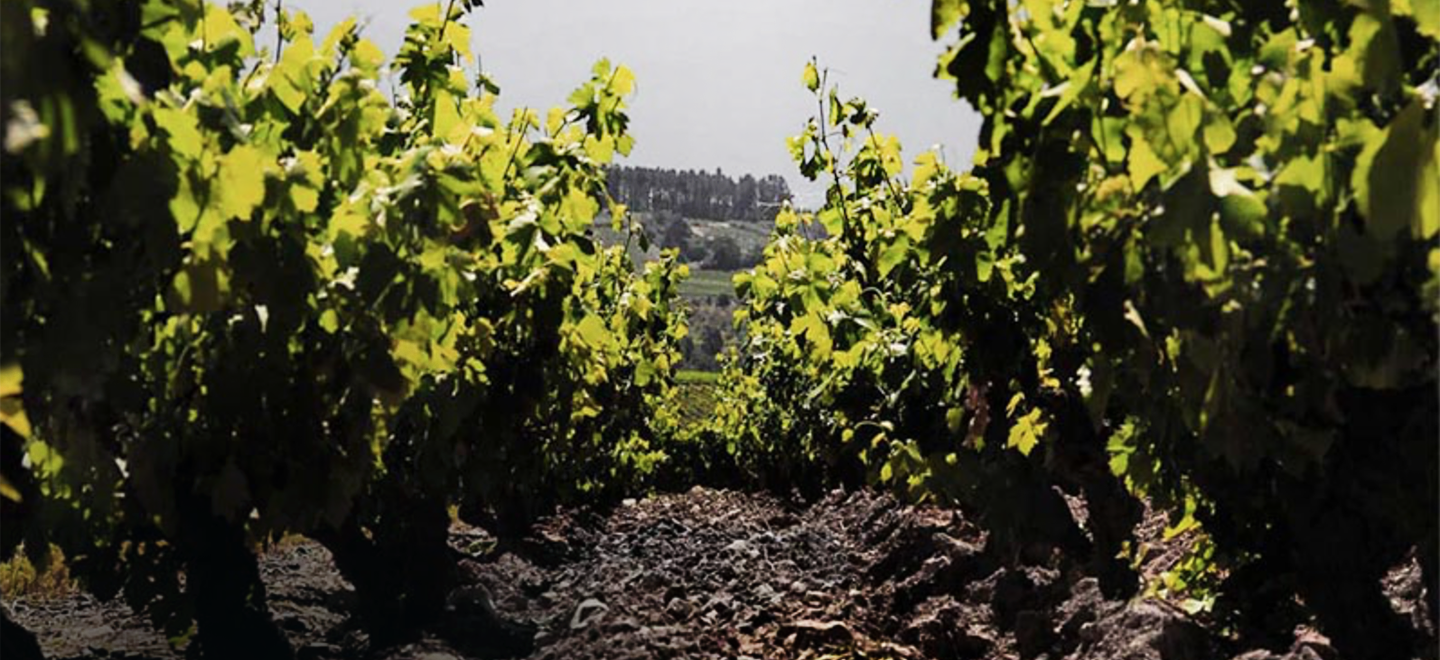 Region: