Producers
-
Description:
Following a successful career as a sommelier and restaurant owner in New York City, Patrick Cappiello set his sights on the West Coast, launching Monte Rio Cellars and Skull Wine Co. The pull towards winemaking happened organically, having spent years learning from various winemakers, among them his close friend, Pax Mahle.
As a restaurant buyer and young consumer, Patrick felt there was a lack of affordable, honest wines from California. Monte Rio Cellars is his answer to that, producing a wide range of balanced, and food-friendly wines for people to enjoy.
Working with family owned, organically farmed vineyards and simple winemaking, Patrick is achieving his goal of making delicious, hand-crafted wines in the spirit of old California.
Current releases from Skull Wine Co. are also available!
Image: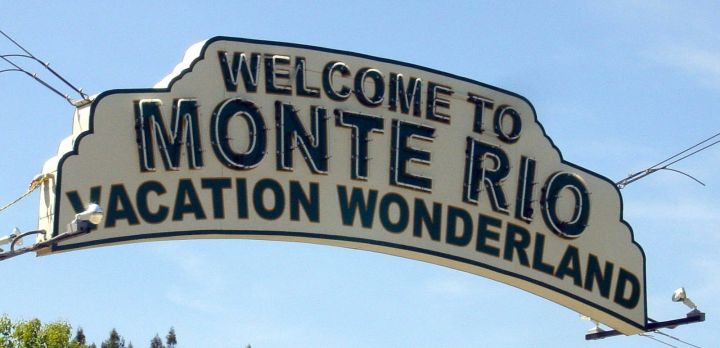 Region:
 -
Description:
Thank you to importer Louis/Dressner for this producer profile:
(Click here for more on Montesecondo on the Louis/Dressner website)
In a previous life, Silvio Messana was a New Yorker. There had always been this beautiful farm in Tuscany outside of Florence where Silvio’s mother lived. They visited yearly. His father had planted vineyards there in the early 1970’s. Since his death, his mother looked after them and sold the grapes to a local négociant. In the mid 1990’s, Silvio’s mother was ill and his family decided to move back to be near her. By this time, Silvio had already developed a passion for wine in the United States. With the certain impossibility of finding an affordable rent in New York with three growing sons, Silvio and his wife Catalina decided to stay on after his mother’s death, turning the Chianti Classico farm into their home with a portion of the farm converted as a half-year bed-and-breakfast. Silvio immediately began working on the vineyards himself.
The first vintage that Silvio estate bottled was 2000. There was a lot to learn and unlearn. He made friendships with only a few of the suspicious neighboring Tuscan vignaioli, but Paolo di Marchi of Isole e Olena (himself a foreigner from Piemonte) and his former agronomist Paolo Masi were encouraging and helpful with practical matters.
Catalina was against using any chemicals on the farm, insisting there must be a better way. Gradually through introductions to winemakers outside of the region who were using biodynamic practices (among them Nicolas Joly, Stefano Bellotti of Cascina degli Ulivi and, inidrectly, Sandro Sangiorgio, the director of the wine magazine Porthos), Silvio began to lose his fears and have faith that it was possible. Their advice led the Messanas to take the leap into natural farming and seeking a way to make the wine without the use of added yeasts or other enhancers. In the meantime, piece by piece, Silvio built a winemaking facility with his own hands (there was a small winemaking “garage” on the estate before) and things fell into place.
In the vineyards, Silvio has old and younger vines of Sangiovese and Canaiolo with plantings of Colorino and Cabernet Sauvignon. The vineyard is a contiguous 11.5 hectares surrounding the farm and is on the south bank of a ravine, or borro, where there is sunlight on the vines all day long. 2003 was the first vintage fully vinified using only the grapes' own yeasts. After the 2002 harvest which had frost in the spring and hail in the summer, the heat of 2003 was almost pleasant (it’s always hot here in summer), and the harvest was pretty normal, with good, healthy fruit.
In the spring of 2004 while visiting Montesecondo, we tasted a vat of 2003 Sangiovese and Canaiolo that was still in tank (no wood). It was juicy, bright and delicious and, in every respect, it showed itself as Chianti. I mentioned that it would be delicious bottled like this; Silvio agreed, but shook his head. It would be complicated. Then a little later at lunch, I popped a Ruché from our producer in Colli Astigiani that was bottled briefly following a time in large, very neutral barrels (basically a tank wine). It was charming and incredibly drinkable, not simple, but not overly complex. Silvio was inspired by its unpretentiousness. I left their house that day, and Silvio was deeply considering the idea of doing a tank bottling of Chianti.
In the fall, Silvio told me that it was bottled. He also said it did not pass for DOCG status first for too much color and on the second submission for lack of color. Paolo di Marchi at Isole e Olena had submitted his Chianti Classico bottling twice and had been denied the DOCG for the same reason. Paolo de Marchi submitted a third time and his wine passed; Silvio decided to forgo the third attempt and bottle the wine as IGT (it's allowed to declassify Chianti Classico to Chianti, but this decision must be made by the end of November following the harvest. Past this deadline Chianti Classico can only be declassified to IGT Rosso). On a more consistent note, his submitted bottles for Chianti Classico, with samples from oak barrels, have never had any problem receiving the DOCG.
The curious thing here is that now all sorts of nontraditional grapes – including Merlot, and other non-indigenous types – and barrique treatments are allowed for DOCG Chianti Classico. At the same time a wine made just using Sangiovese and Canaiolo grapes grown in Chianti Classico soils and vinified in the method of older chianti traditions (tank or large Slavonian oak barrels) are deemed "atypical" and are being denied the right to use the Chianti or Chianti Classico name. This is the state of the bureaucracy’s influence on the denominazioni of Italy (it's an even bigger problem in some appellations of France) and how the idea of the DOCG's identity, its "typicity", is being reshaped to a new market-based ideal that has no bearing on the traditions of the region.
To watch a winery and winemaker grow and find their path, the way that Montesecondo and Silvio (with Catalina) have done so well, in a world that holds many differing views of what wine should be and how it should taste, has been one of the great pleasures of our career as importers.
2019 Update:
As with most endeavors, things have evolved for Silvio over the years. Inspired by Elisabetta Foradori, in 2009 a Sangiovese fermented and aged in anfora was released under the name "Tïn" (the name means clay in Arabic). A few vintages later, "Tïn Bianco" was produced from his tiny amount of Trebbiano.In 2013, Silvio started renting an additonal six hectares of Sangiovese. A 30 minute drive from Montesecondo, the vines here are between 20 and 35 years old, growing at 450m elevation, which is very high for this part of Tuscany. They have been converted to biodynamics and currently go into the IGT Rosso, adding even more brightness and complexity to the wine. Silvio is open to making new cuvée with these terroirs once he has familiarized himself with them more.
Silvio Messana Négociant Project:
With the 2019 vintage, Silvio launched a négociant project under his own name."The project was born out of curiosity for working with the same or similar grapes (for example Trebbiano and Vernaccia) but from different terroirs. I felt it would be a learning experience but also for the purpose of establishing long term relationships with growers that would be influenced and eventually benefit (some already are) from my approach to farming and winemaking."
Silvio is currently purchasing fruit from four growers, all of whom are working organically. The focus will be less on terroir (though it will obviously show) and more on highlighting each vintage: sourcing, vinifications and blends will be chosen instinctively each year in accordance with what nature provides. The wines will all be released as Vino di Tavola and not feature their vintage on the label, though it can easily be identified in the lot number.
Channeling the imagery and Arabic names already used for some of the of the Montesecondo wines, each label features a camel (a variation on Montesecondo's iconic crowned toad but also a nod to Silvio's childhood in Tunisia) as well as the word SARF, which translates to "exchange" in Arabic. There is also a slogan written in Italian: "visione scambio contezza":
"Visione = Vision (my vision), Scambio = Exchange (grapes, knowledge, farming methods, winemaking) Contezza = means being aware, informed of."
Having tasted and discussed the wines at length with Silvio, it's evident he is taking the project very seriously as a way to expand both his creativity and the community around him. These are not an afterthought; the 2019's are vivacious, precise and delicious. We're excited for what comes next.
Image: Region:
 -
Description:
Montsecano is a collaboration of Julio Donoso and André Ostertag of Alsace. This biodynamic winery consists of two hillside, granitic, small vineyards in the Casablanca Valley. A minimal approach is used in the horse-plowed vineyard and winery. The wines are made exclusively in stainless steel micro tanks or concrete egg fermenters. No oak is used. The small production winery is quickly being recognized as one of the best in South America.
This profile and tasting notes were edited from the Brazos Wine website, along with the pictures used. For more information please visit: Brazos
Image: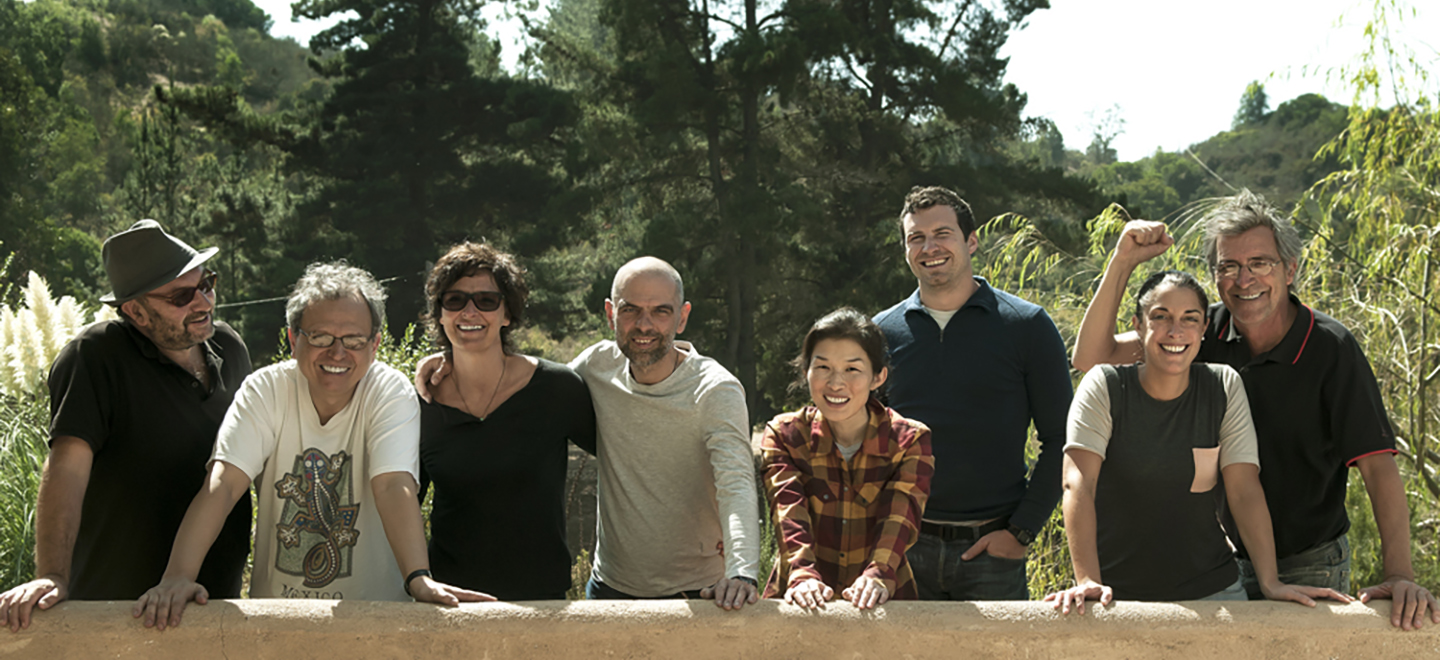 Region:
 -
Description:
Manoir de la Bellonnière is located in Cravant-les-Côteaux, the main village of the Chinon appellation. Patrice Moreau joined his great uncle in 1976 in their polyculture farm that had some vines. He was passionate about the vine growing side of the farm and in 1992 purchased ten hectares, which marks the official beginning of the Manoir de la Bellonnière. In 2008, his son Alexandre joined him at the winery and today they farm 30 hectares of vines mainly planted with Cabernet Franc and a small plot of Chenin. The vineyards have always been farmed in a conscientious manner, never treated with herbicides, and any treatments are chosen judiciously in response to climatic conditions. In 2022, they began the process for organic certification. In the cellar, Moreau states, "grapes naturally possess everything needed to make wine." There are no additions nor adjustments made to the wines, just sulfur is used at bottling. They make five wines total, a Chinon Blanc, a Chinon Rosé, and three red Chinon. We are very excited to introduce these wines to the US!
Image: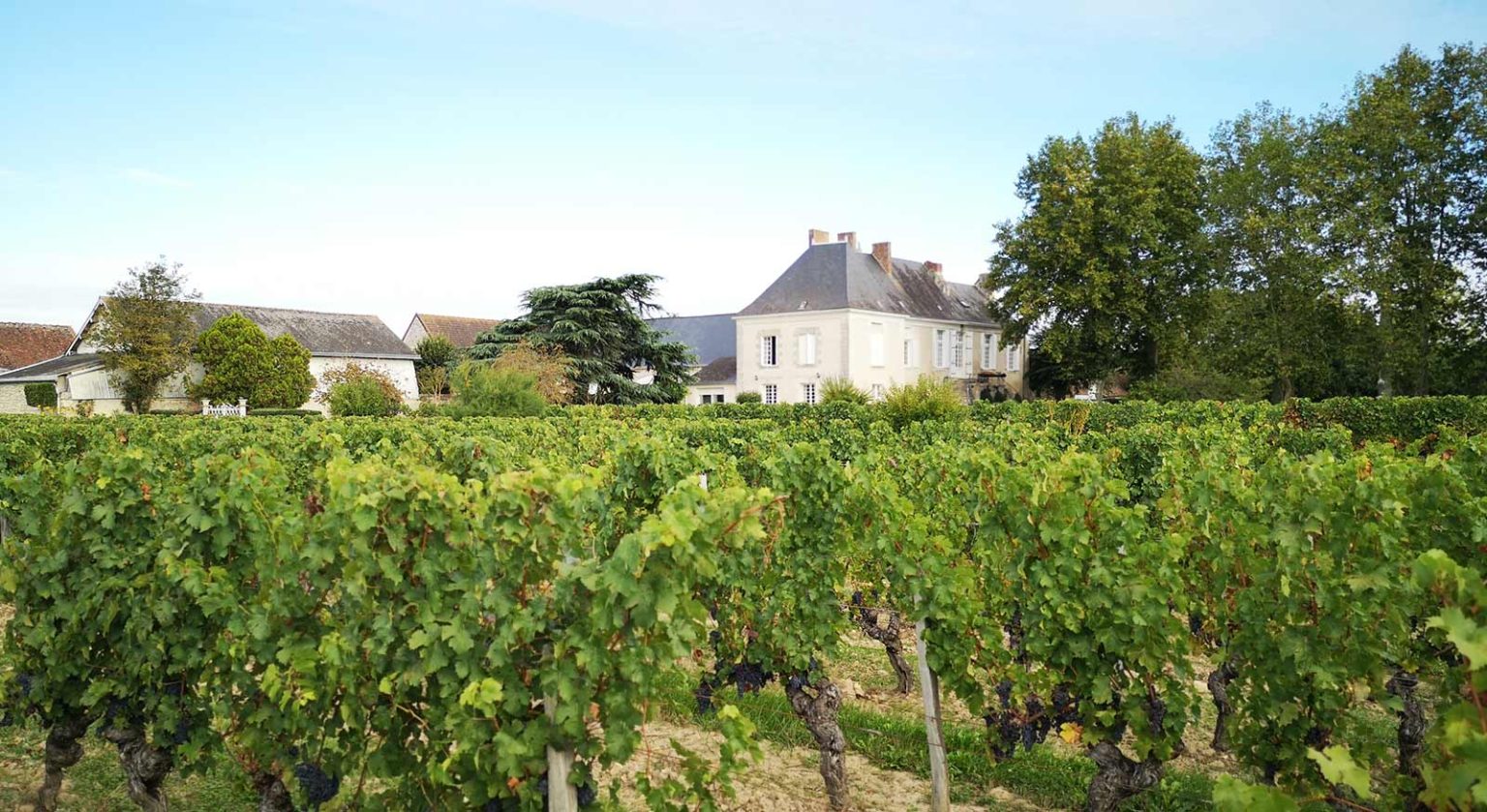 Region:
 -
Description:
Mount Eden Vineyards is a small, historic wine estate located on a 2000 foot peak in the Santa Cruz Mountain Appellation, about 15 miles from the Pacific Ocean. Founded by Martin Ray in 1945, it is recognized as one of the original boutique California Winery properties, focusing on small lots of Pinot Noir, Chardonnay, and Cabernet Sauvignon. The Mount Eden Vineyard has been continuously producing estate bottled Pinot Noir and Chardonnay longer than anyone else in California.
Planted in austere, infertile Franciscan shale on a cool, exposed mountaintop, the 40 acre vineyard is farmed sustainably without any irrigation. It is comprised of 7 acres of Pinot Noir, 20 acres of Chardonnay and 13 acres of Bordeaux varieties: Cabernet Sauvignon, Merlot, and Cabernet Franc. In 2007 they purchased the former Cinnabar vineyard on a neighboring mountain top. Planted in 1983, this mature vineyard brought another 12 acres of Chardonnay and Pinot Noir, as well as a little Cabernet Sauvignon. They renamed the property Domaine Eden and it has become the primary source for their Domaine Eden wines.
Winemaker and Proprietor Jeffrey Patterson has been making wine at Mount Eden since 1981. With three decades under his belt, he continues with the same goal as when he started: to express this singular vineyard. Fermentation is done with native yeasts, oak influence is kept minimal, and fining and filtering are minimal when used at all.
Few wineries in California have the sort of history that is found at Mount Eden and few wineries in the world can match the level of quality being produced here. This is a unique terroir being overseen by conscientious stewards and these are wines that could not possibly have come from anywhere else in the world. It’s as pointless to compare these wines to Burgundy and Bordeaux as it is to compare them to the rest of California; these wines are Mount Eden, pure and simple.
See also: Domaine Eden
Image: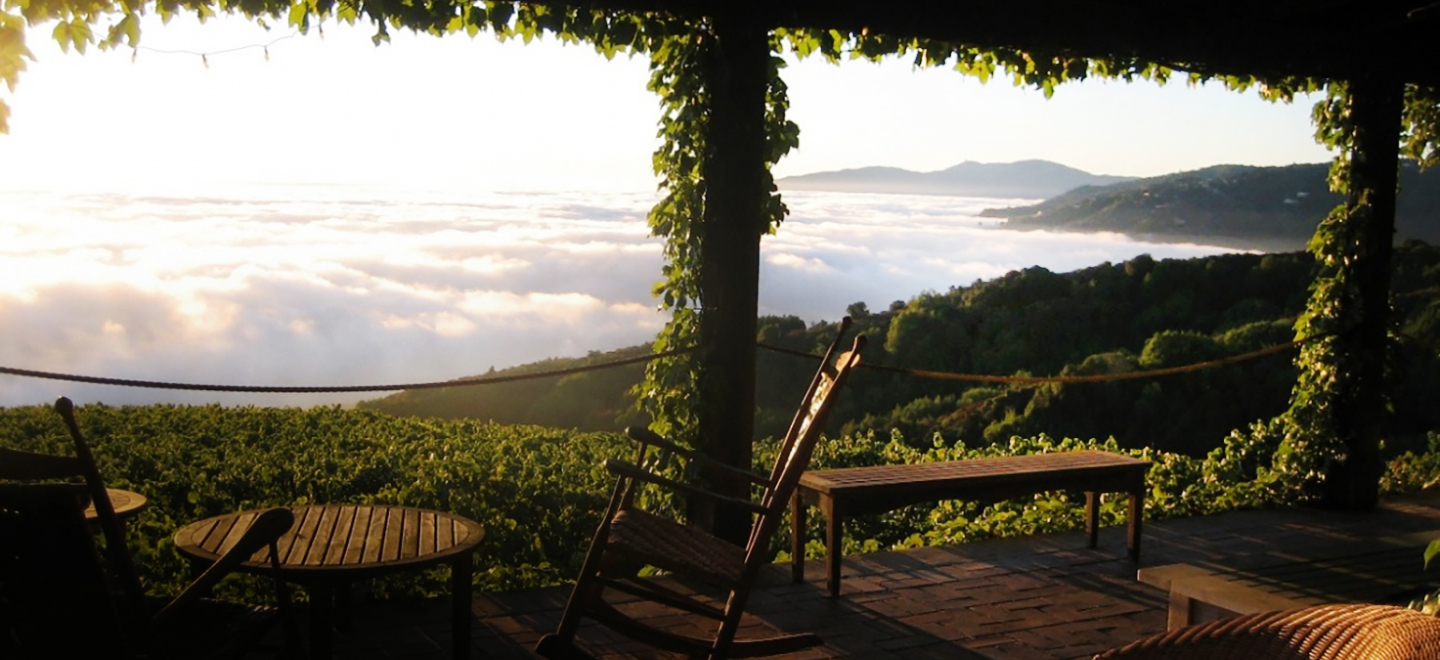 Region:
 -
Description:
Château Mourgues du Grès is one of the pioneers of the Costières de Nîmes and is recognized as one of the very best estates in the region in the Wine Advocate and in the French magazines Revue de Vin de France, Guide Hachette, and Gilbert et Gaillard. Mourgues du Grès is run by Anne and François Collard. François’s father was the first owner and he made wine, but mostly sold grapes in bulk. François started his career in Bordeaux, working in the cellar at Château Lafite-Rothschild. In 1990, soon after the Costières de Nîmes received appellation status, François was inspired by the potential to make great wines from this little known appellation and he moved back to run the family winery. The first vintage bottled under the Château Mourgues du Grès name was in 1993.
The Costières de Nîmes is the southernmost region of the Rhône Valley. The terroir is influenced by the Rhône and the Mediterranean Sea. Like most of the southern Rhône, there is abundant sunshine, the weather is hot and mostly dry, and the Mistral wind helps to keep the vines healthy. The vineyards are covered with galets, the same round, flat stones that are famous in Châteauneuf-du-Pape. The Costières de Nîmes is unique within the Rhône region because of the influence of the Mediterranean. The sea cools the nighttime temperature, giving the wines a lot of freshness.
François and Anne are both very passionate about nature. They have practiced organic agriculture since 2004 (certified in 2011); meticulous care and attention are paid to the work in the vineyards. François and Anne Collard never rush to make changes, but at the same time, are constantly searching for the best way to manage their vineyards to get a very pure expression of the Costières de Nîmes. In 2018, they began the process for biodynamic certification and from the 2020 vintage, the wines are certified.
Like the work in the vineyards, in the cellar, all decisions are carefully taken with the aim of getting the best expression. For the Collards, this means making wines in a natural way while maintaining a classic style. Whites and rosés are fermented and aged in stainless steel tanks; the reds are fermented in cement so that there is an oxygen exchange, and then are aged in cement or barrels depending on the cuvée. Since 2015, no sulfur is used during vinification or aging on any of the wines, only a small amount at bottling. Total sulfur used is approximately 50mg/L on the whites and rosés and 40mg/L on the reds. Making wine without sulfur has its challenges, but it is worth the risk for all that is gained in greater fruit purity.
Image: Region:
 -
Description:
The Müller estate consists of 10 hectares, mostly Riesling (90% of their holdings) and a little Pinot, both Noir and Blanc. Everything is hand-harvested on rolling hillsides teeming with life and vegetation. The vines see no herbicides and no pesticides—only some fungicide when needed.
The labels depict topographical maps of each vineyard. The most well-known site they have is Krettnacher Altenberg—mainly blue slate and the local green slate known as Diabas (cf. Zilliken’s vineyards). Their largest holding is the Euchariusberg (pronounced oy-sharius-berg) where they have 5 hectares of vines planted in 1944 and 1964. This is a rambling, diverse terroir from which Stefan derives emphatically delicious Rieslings, especially in sweet prädikats. The parcels in Niedermennig are red slate and contain many old, ungrafted vines. Though less well known than the others, the Niedermenniger sites are hidden gems of extraordinary quality and history which deserve a brighter spotlight shone on them. At Bowler we focus on these sites with great excitement.
In the cellar, Müller also follows a surprisingly ad hoc usage of barrels and tanks, with no strict design for which wines go in what vessel; however, once a wine starts fermentation in one tank or barrel, it ages in that same vessel until completion. There is no chaptalization, and all wines ferment with wild yeast; sulfur is only added at bottling. In other words, Stefan skews organic at his small estate, but does not adhere strictly to the regimen that word implies: he is, in a word, pragmatic. The wines at Müller are exquisitely balanced, succulent, wildly aromatic, unapologetically ripe, and true to the Saar.
Image: Region:
 -
Description:
Murray McDavid was established by London wine merchants Mark Reynier, Simon Coughlin and Springbank Distillery’s Gordon Wright. They quickly gained a reputation for maturing whisky in interesting casks, especially in fine wine casks.
In 2000, the Murray McDavid team set about reopening the closed Bruichladdich Distillery on Islay, engaging the services of Jim McEwan, Islay’s most celebrated Master Distiller.
In 2012, spirits giant Remy Cointreau purchased Bruichladdich Distillery and Murray McDavid. Later, Murray McDavid was sold to its current owners, leading Scotch whisky broker, Aceo Ltd.
Today, the home of Murray McDavid is Coleburn Distillery in Speyside, where they continue the tradition of bottling artfully-matured Scotch whisky.
They buy spirit at many different ages, some not yet old enough to be called a Scotch whisky whilst a small amount has already been maturing for thirty years. Their Whisky Creations Team assess not only the quality of new spirit coming into their warehouses but also the structure of the spirit with one question in mind… what would elevate the character of the whisky?
Whether it’s a hearty peated malt from Islay or a soft sweet malt from Speyside, the interaction between the spirit and oak is equally as critical but they need to be treated differently. A light style of spirit, distilled using tall copper stills, will require a gentler style of maturation – just a few months in a 1st fill bourbon barrel or a refill Sherry hogshead. A thick, oily style of malt will be able to stand-up to a heavier style of maturation, multiple years in a 1st fill red wine barrique or a Pedro Ximinez Sherry cask.
CASK CRAFT Series
The ‘Cask Craft’ is a range of single malts from across Scotland, artfully matured in a variety of wood types, displaying fine balance of oak and spirit.
BENCHMARK Series
The heart of our range offering outstanding, mature single malts, showcasing the art of maturation. Single Casks individually numbered.Image: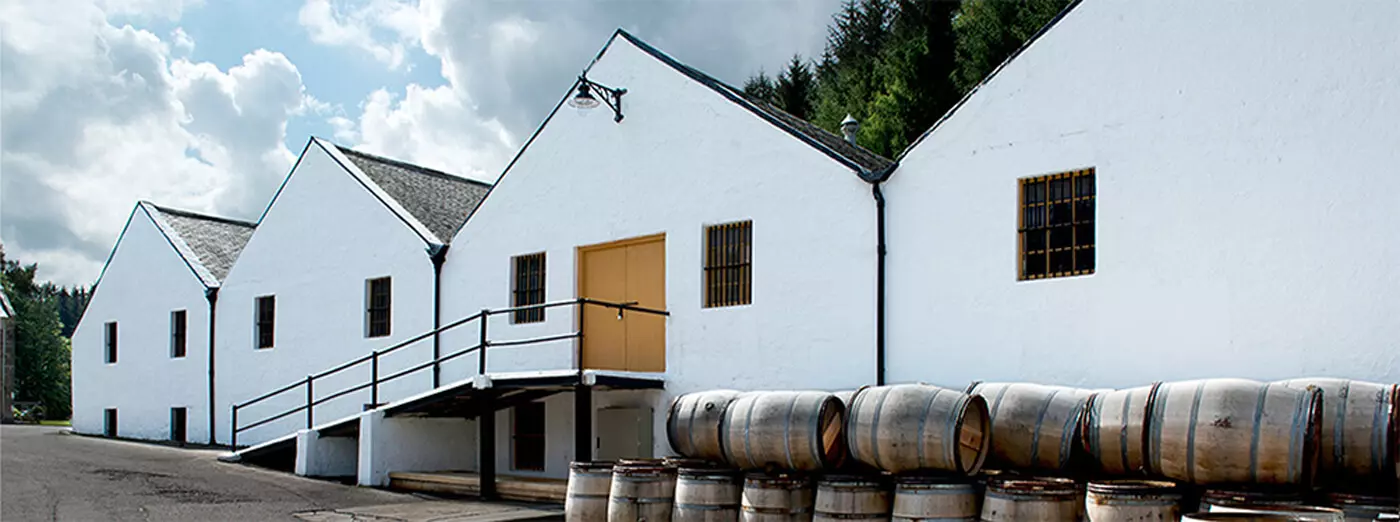 Region:
 -
Description:
When our friends at Vintage ’59 Imports told us they were “dipping their toes” into Italy, we were intrigued, considering the strength of their toes elsewhere. They brought us the wines of Giuseppe Nada, a small family-run estate in the village of Treiso in Barbaresco. We tasted and, luckily, there was not much to think about: there was a “there there” that was undeniable, a transparent nonchalance in the glass with nothing overwrought.
From Roy Cloud of Vintage ’59:
“On March 27, 1900, a forefather of Giuseppe Nada sealed a deal on a vineyard, orchard, and a small house on a steep hillside in the commune of Treiso. The vineyard was in the cru of Casot, and that forefather bought the parcel from a fellow by the name of Gaja....
...The Nada holdings in the two constitute six hectares (almost 15 acres), which is the totality of vines owned by this industrious family. These days, Giuseppe and Nella stay fit maintaining the vineyards where they do practically all of the work, while their daughter Barbara manages the office and their enologist son Enrico oversees the wine production down in the cellar....Once Enrico came on board, his keen intelligence and passionate direction allowed the family to go organic in the vineyards in 2014. They received initial certification in 2017, while the white vineyards will be certified in 2018 and 2019. In the cellar, Enrico now lets all of the red wines ferment spontaneously....
...The three towns of what is now a DOCG are Treiso, Neive, and Barbaresco. They form a triangle: Barbaresco in the west, Neive in the east, and Treiso—the smallest in acreage and highest in elevation—in the south. Innately, Barbaresco and Treiso lean toward elegance while Neive can pack more power and structure, but the differences can be readily rendered mute by the hand of man. It is worth noting, however, that if it snows, it snows first in Treiso, and Treiso’s altitudes give it the widest diurnal swings.”Image: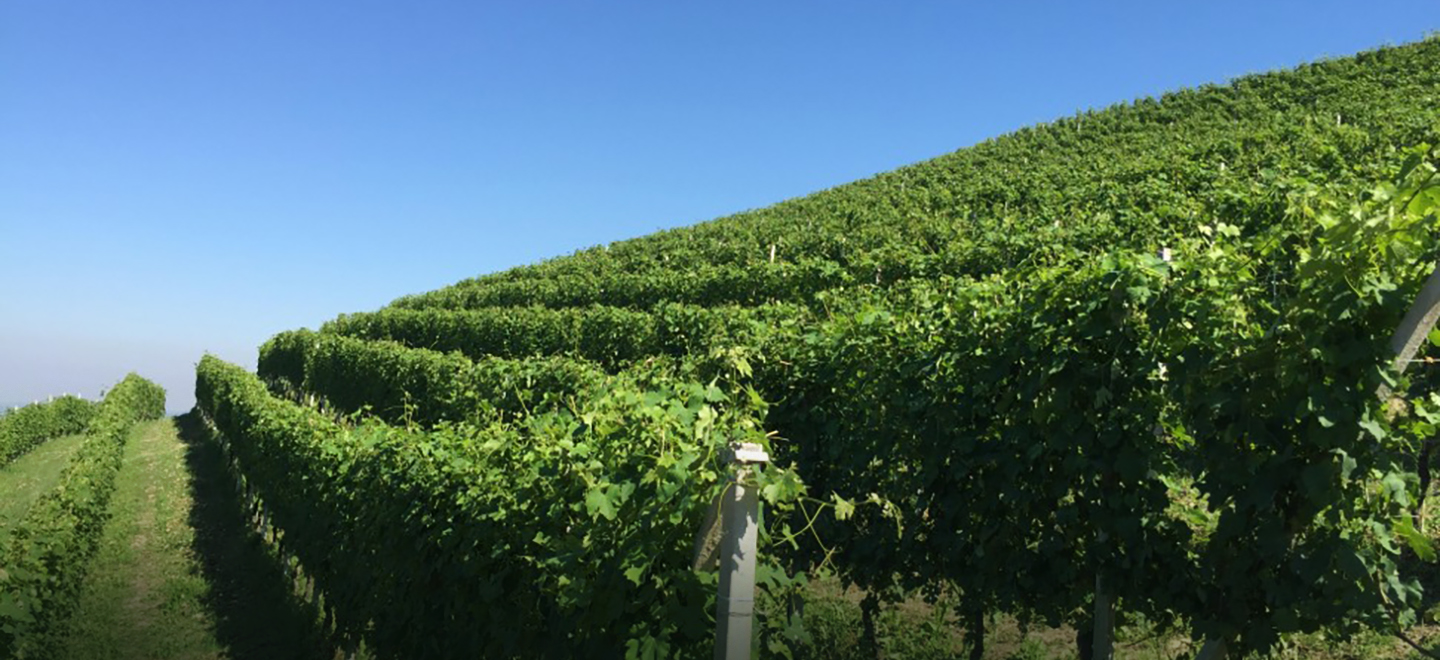 Region:
 -
Description:
Nalle is a small family run winery with father, mother and son all having important roles in daily operations. Doug Nalle received a masters degree in enology at U.C. Davis in 1979 and since the first vintage in 1984 Doug (now alongside his son Andrew) has refused to give in to the fashion for high alcohol, jammy zins. As a result, they remain off the radar of the mainstream wine critics and that's OK with them.
Although they also make tiny amounts of Chardonnay & Pinot Noir from Russian River, Nalle is best known for their Dry Creek Zinfandel, a classic field blend made in a traditional style. With modest alcohol levels, tasteful oak treatment, and incredible age-ability, this estate remains one of the benchmark Dry Creek Zins being made today.
The grapes come from two vineyards in the Dry Creek Valley. Their main source, just steps from the winery, is their family vineyard, Henderlong Ranch, which was planted in 1927 by Fred and Ruby Henderlong, the great grandparents of Andrew Nalle. The other, Sibary Vineyard, was planted more recently in 1999.
The winemaking for the Zinfandel is aimed towards making expressive wines rather than blockbusters. Nalle is always one of the first wineries to begin the harvest each fall and they still check every bunch by hand on a sorting table, a practice considered too time consuming for most California wineries. After sorting they undergo a three day cold soak followed by 7-14 days of fermentation on the skins, punched down 2-3 times per day. Finally the wine is aged for 11 months in 25% new French oak before bottling.
Image: Region: