Producers
-
Description:
High up in the foothills of the Sierra de Toloño, in Rioja Alavesa, Sandra Bravo works in some of the oldest, and highest altitude vineyards in Rioja, growing Garnacha, Tempranillo, Viura and some Graciano. In her small winery in Villabuena de Álava, where she works with steel, anforas, and old wood, this young winemaker translates the mountainous landscape into pure and expressive wines. She harvests multiple varieties from micro-terroirs over many small plots that together form a fresh, beautiful image of the area. In her own words: “I was studying Engineering and Enology in Rioja and then I was working in wineries of Bordeaux, Tuscany, New Zealand and California. When I came back to Spain, I spent 7 years in Priorat. All that experience gave me an open point of view to make different wines here in Rioja (where I come from). I have to say Priorat really influenced me to make artisanal wines, and to understand that the most important is the vineyard, the vineyard with soul.
When I came back to Rioja in 2012, I decided to make wines respecting what the vineyard give and always looking for freshness. I was in love with this area in Rioja Alavesa, calcareous soil, small plots, Mediterranean herbs and always North wind with high altitude (right in the mountain that gives my name’s project: Sierra de Toloño)... it was perfect! Because all of this my wines are really mineral.
The wines are fresh and not too oaky, I try to do minimal intervention in the cellar, then I can keep wines alive in bottle. In Rivas de Tereso (650m altitude) I have the vineyards of Sierra de Toloño (Red and White) and two more serious wines made with Tempranillo and Garnacha.
BOWLER E-Zine Issue 2 | Q1 2021: Regenerative Farming: Scratching at the Surface
Image: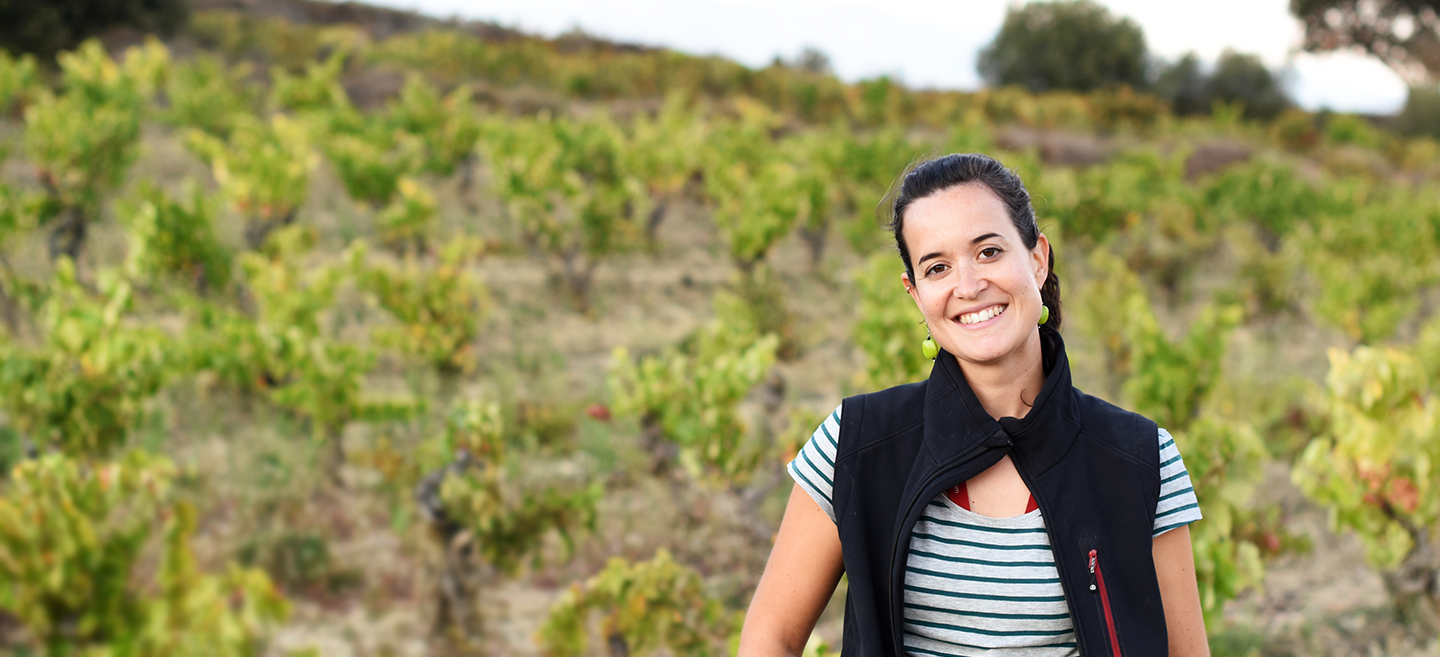 Region:
 -
Description:
Silver Springs Sweet Rye hails from Kentucky and Tennessee.
History:
Silver Springs Rye Whiskey was produced in Chattanooga by one of the post-Civil War distilleries. Production ran from about 1906 until 1919. Keeper Quest is excited to bring it back!
Silver Springs Sweet Rye Whiskey has corn in the mash bill for added sweetness. Silver Springs was distilled in Kentucky. The rye is housed in charred #3 oak barrels for a minimum of four years. It is finished and bottled in Chattanooga, Tennessee.
This Cask strength Rye’s mash bill is 65% Rye 15% Corn and 20% Malted Barley coming to you at 113pf.Tasting Notes:
The nose is molasses, burnt sugar, and toffee. The palette is caramel, nougat and hot cinnamon candy.
The finish is spicy rye with a long dry finish.Image: Region:
 -
Description:
Skull Wine Company is a collaboration between longtime friends Patrick Cappiello and Pax Mahle.
The philosophy at Skull Wines is to make hand-crafted wines in the spirit of old California - working with family owned, organically farmed vineyards and simple winemaking. Spontaneous fermentations take place with whole cluster grapes in stainless steel and concrete, and aging takes place in neutral oak barrels. The goal is to make moderate alcohol, higher acid, fresh wines, naturally.
Image: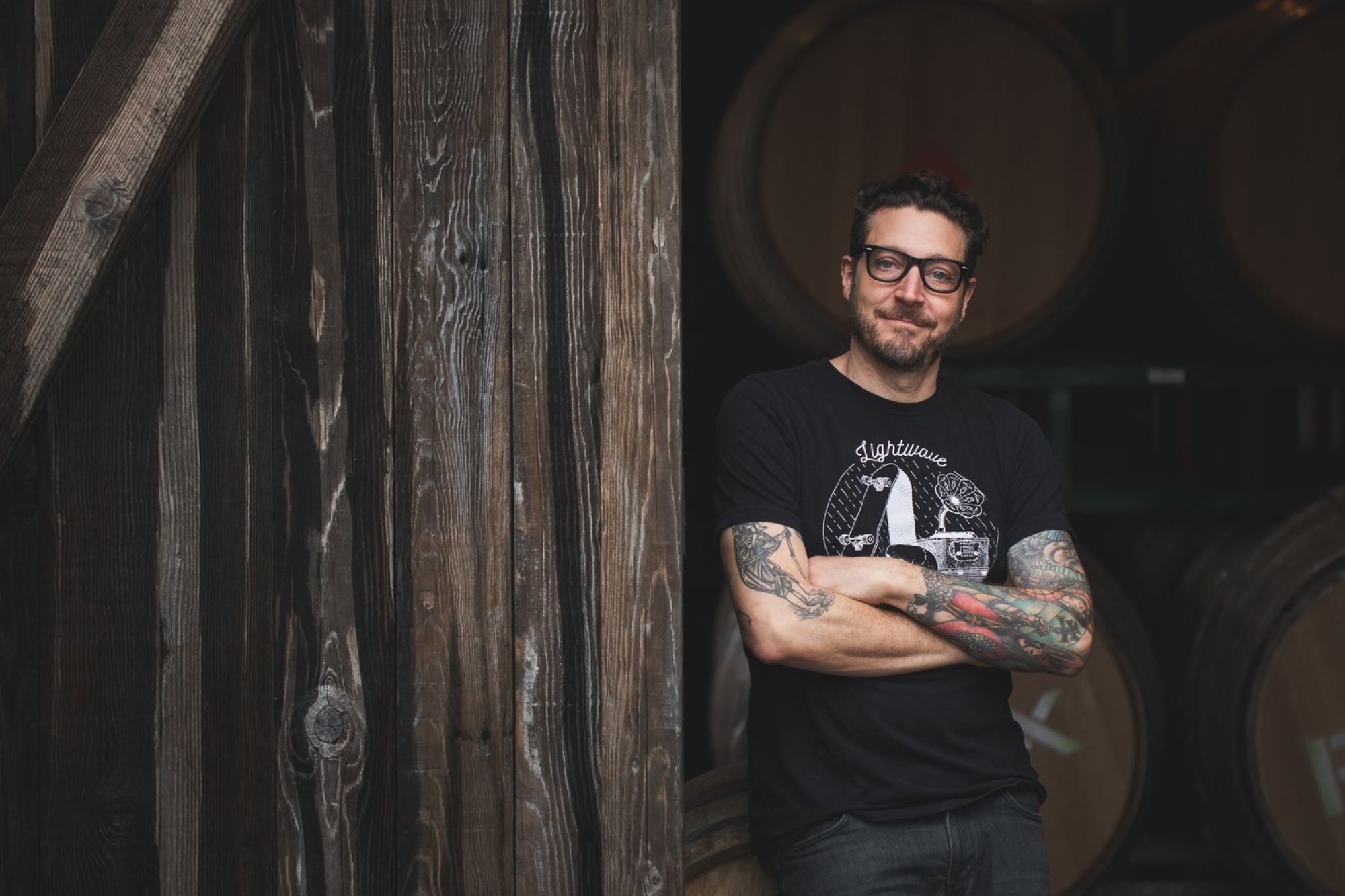 Region:
 -
Description:
Since its first commercial release in 1981, Sky Vineyards has produced some of the most distinctive mountain-grown Zinfandels and Syrahs in Napa Valley. Founder Lore Olds began his career in the early 1970s at estates such as Beaulieu and Mayacamas Vineyards before purchasing his own land atop Mount Veeder in 1973. Planted in red volcanic soils at 2,100 feet on an east-facing slope, Sky is the highest vineyard on the mountain, yielding wines of unmistakable character.
The vineyard’s 14 acres are planted primarily to Zinfandel, with a 2.5-acre parcel of Syrah added in 2000. The vines are dry-farmed and organically tended with cover crops, birds, and beneficial insects, while the winery itself operates with a minimal carbon footprint—off the power grid and powered primarily by solar energy. In the cellar, the fruit ferments naturally in open-top bins, is pressed in a traditional basket press, and aged for 12 months in neutral French oak before being bottled by hand. Each release features original artwork by Lore Olds, with a new piece created for every wine and vintage.
After decades on Mount Veeder, Sky Vineyards remains true to its original vision. Lore, together with his daughters Mayacamas and Skyla, continues to craft soulful wines that capture both vintage and terroir with remarkable aging potential. These wines could come from nowhere else and can only be described as Sky.
Image: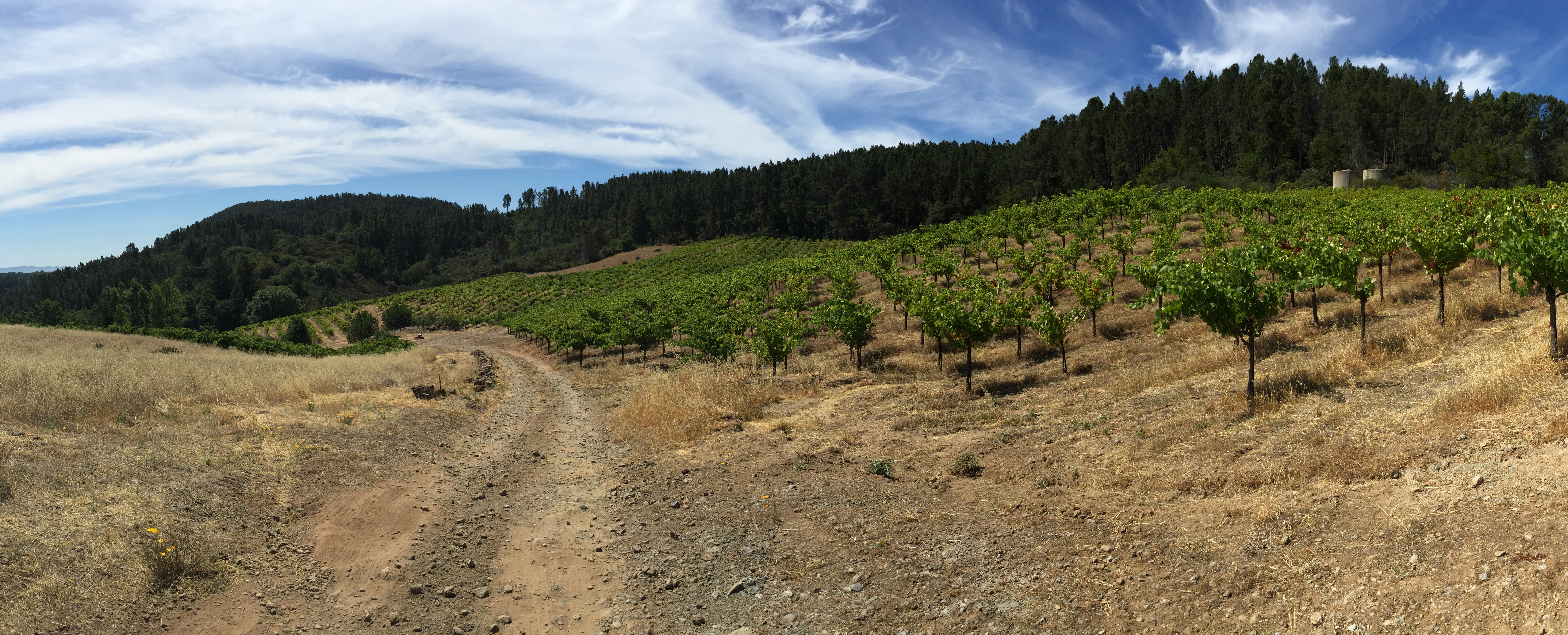 Region:
 -
Description:
In 2020, Alwin and Stef Jurtschitsch teamed up with three other certified organic growers in the Kamptal, Susi Hahn, Michael Gerbing, and Thomas Janka to make the first vintage of Sonnhof Social Club. Today, fruit comes from more growers beyond the original three, but the spirit is always the same, high quality, organic, Kamtal fruit. The Jurtschitsch family had a long tradition of bottling liter and doppler (two liter) bottles and with the new partnership, the tradition is being revived. The growers are bonded together by their dedication to organic farming in the Kamptal. All of the grapes are harvested by hand and come from the certified organic vineyards. The wine is made at the Jurtschitsch winery in stainless steel tanks with spontaneous fermentations.
The Sonnhof Social Club label is based off of an old traditional loop-style label of the Jurtschitsch family winery that used to be on the doppler bottles. Sonnhof is the old name of the domaine and is still found on the walls of the Jurtschitsch winery.
The one liter bottle is very strongly linked to Austrian wine culture. Sharing a liter bottle was a special time to bring friends and family together. According to Jurtschitsch, when “you put a liter bottle on the table, you had to finish it before it became warm. When wine became more prestigious and chichi it was not cool any more to serve this size of a bottle. But I like this tradition as it reflects the old school honest “grower wines”. Many of the grape growers who do not sell wine anymore still produce at least some small barrels for themselves and their families and friends and still bottle them in one liter. It is a wine made for drinking with family and friends.”
Image: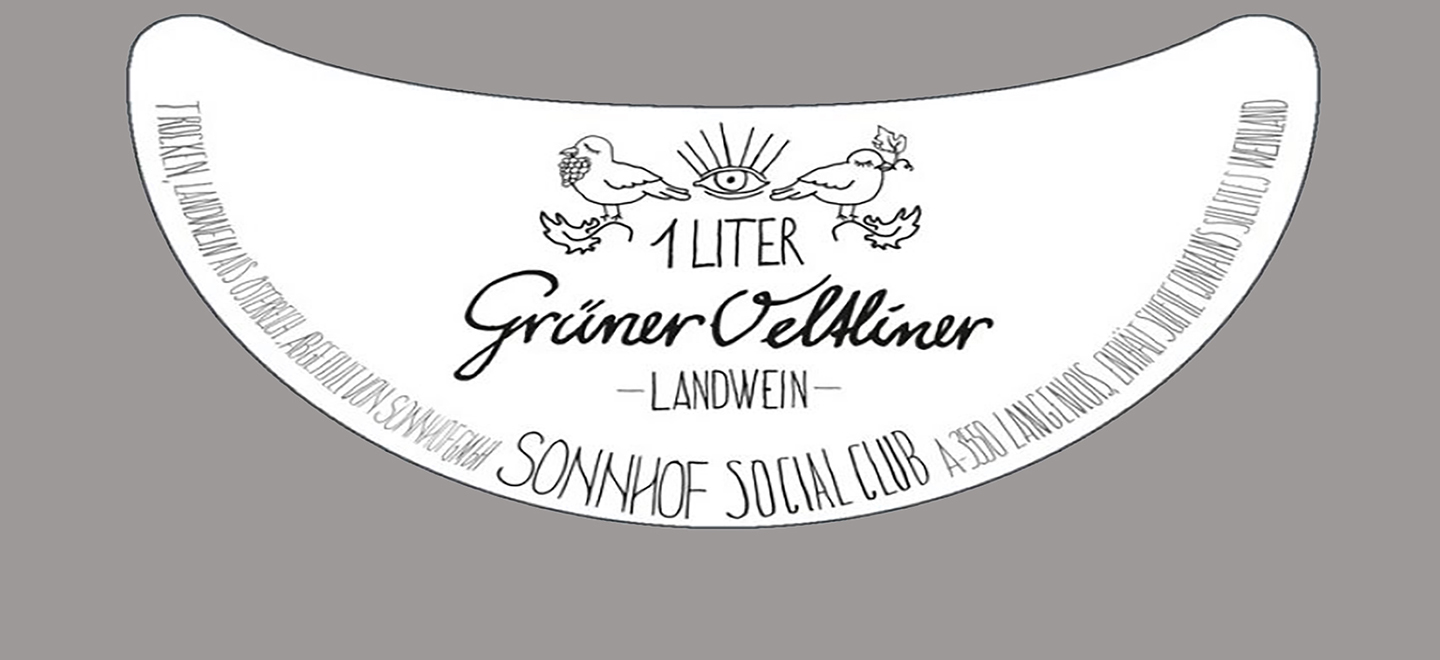 Region:
 -
Description:
Southold's history is a Homeric tale. In 2012, Carey and Regan Meador purchased two properties on the North Fork of Long Island. Their goal was to make wines that reflect where they come from, without being limited by the expectations of the region. The tool: planting grapes that clearly express terroir, whether they be traditional or unusual (think Lagrein or Teroldego). The energetic, vivid wines quickly found their fans, but the New York zoning board had other plans and, in 2017, the Meadors picked up and journeyed to Texas Hill Country. While the terrain and the grapes changed (this time Picpoul Blanc and Mourvèdre), the approach remained consistent and the resulting wines captured the spirit of Texas just as their previous iteration had in Long Island. After six years in Texas, the Meadors set down permanent roots in Francs, Bordeaux in 2023.
In Francs, the site is once again different but the methodology is unchanged. The conditions (limestone soil, late ripening) provide the tension Regan loves to play with: nervy but not sharp, fruity but not heavy, elegant but never pretentious. A stone barn has been converted into a cellar and, while kind neighbors helped out during a tricky first vintage, Regan continues to do all the cellar work himself. Single parcels, small fermentations, and individual personality guide the winemaking process. Farming is organic, all grapes are hand-harvested, and fermentations are carried out with native yeasts. The property had only Merlot and a half-hectare of Chardonnay when they arrived, but Cabernet Franc and Chenin Blanc have since been planted, with a few other surprises to come. Southold Bordeaux builds on a centuries-old foundation, while carving a path all its own.
Image: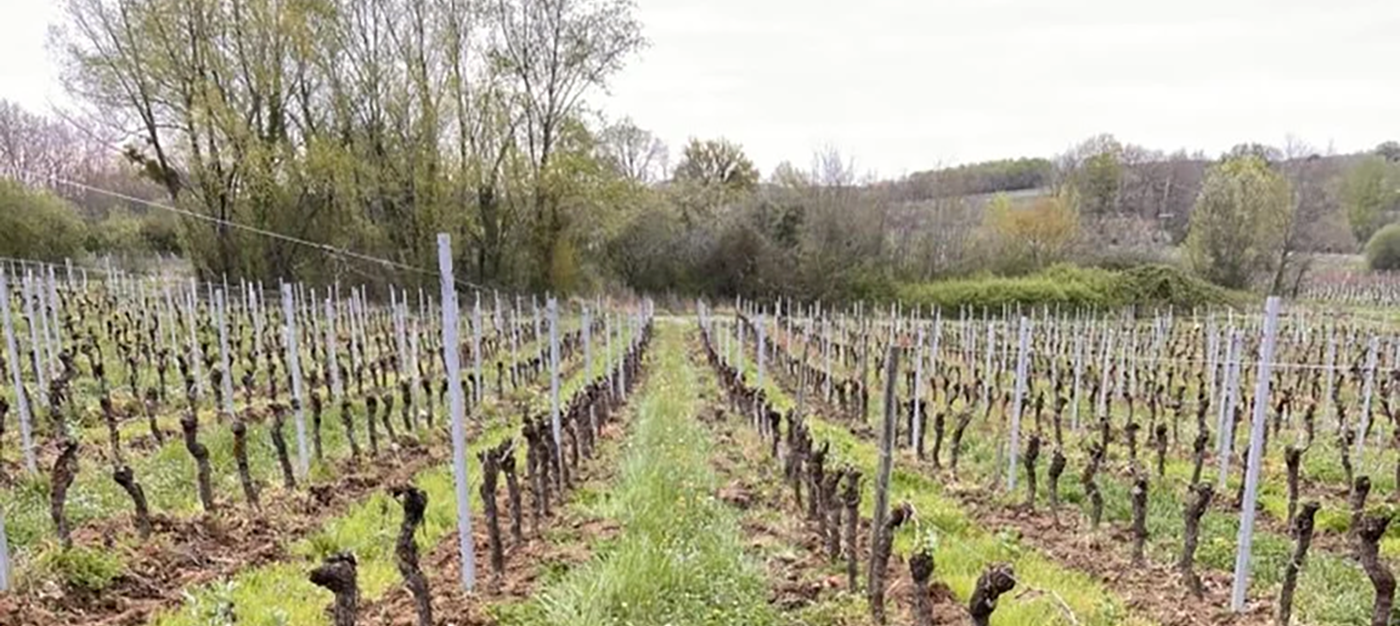 Region:
 -
Description:
Amélie and Charles Sparr are Alsatian through and through; both come from winegrowing families. The Sparr family has been in the region since 1634, making Charles the 12th generation. Pierre Sparr, a famous and respected negociant, was Charles's great grandfather. The company was sold in 2007 to a local co-op and the vineyards the family owned were split up among the cousins and Charles's uncle. Charles always knew that he wanted to be a winemaker and when he was 16 years-old, he saved up his money and bought his first vineyard. In 2010, Charles bought more vineyards from his family. Immediately, he converted everything to organic agriculture and in 2013, Charles, with his wife Amélie, launched their eponymous winery. They sold to négociants for a few years and started to bottle under the Domaine Amélie and Charles Sparr in the 2017 vintage. Amélie's family owns Vignobles des Deux Lunes, which has been organic since 1997 and biodynamic since 2003. Amélie and Charles’ winery is in Wettolsheim, just south of Colmar. They now own eighteen hectares coming from both sides of the family, in the heart of southern Alsace where the best vineyards are located. They are lucky to own eight hectares of Grand Cru, including Mambourg, which has been the Sparr family’s most prized vineyard for generations.
Amélie and Charles have imagined and created a new vision for what Alsatian wine can be. They experiment, dream, and push boundaries and in the process they are redefining what we can expect from Alsace. All of their farming is biodynamic, certified by Demeter as of the 2019 vintage. Most of their wines are classic in style, but they play around too. They have planted some Syrah in Mambourg, which will disqualify that parcel from being declared as grand cru in the future! They also make an orange wine called “Liberté” which comes from grand cru vineyards, the name is self explanatory.
The heart and soul of their work takes place in the vineyards. They work with a high canopy, allowing for more photosynthesis, and thereby more energy can be transmitted to the fruit. This is a theory that I first heard espoused by Charles Lachaux in Burgundy, who is a good friend of theirs. Sometimes they do not hedge the vines at all, in order to not cut off the energy of the plant. They work with a lot of plants for treatments as well: nettle, chamomile, dandelion, and horsetail. If a treatment for mildew is needed, then they work with copper and sulfur. Different infusions help with different maladies. Harvest is done entirely by hand in small bins so that the grapes don’t get crushed before they get to the winery.
In the cellar, they work with whole clusters and use a slow and gentle press, which lasts about twelve hours. They leave the juice to settle for two days before racking. Fermentations happen spontaneously and normally last for three weeks, although it varies year to year and from one variety to the next. The wines stay on the fine lees for eight to ten months. No sulfur is used until bottling and so all wines go through malolactic fermentation. Their Rieslings are made in stainless steel and everything else is fermented and aged in oak barrels (225L and 600L). All of the barrels are made by Stockinger in Austria, which the couple prefers because they find that the impact is not too oaky.
They mainly grow Riesling, Pinot Gris, and Gewürztraminer, about 20% of each, followed by 15% Pinot Noir and 15% Pinot Blanc. The remaining 10% is a mix of Muscat and Pinot Auxerrois. 2017 was the first vintage bottled as Charles and Amélie Sparr. Charles and Amélie studied in Burgundy and I have to say, their Pinot Noir, “Jardin d’Eden” is one of the best I’ve ever had from Alsace. It comes from an exceptional limestone plot in Sigolsheim. It’s made with whole clusters and is aged for twelve months in oak. They make a Muscat from Grand Cru Brand and they work with a carbonic maceration. The “Cerisier en Fleur” is a multi-vintage blend of Riesling, Muscat, and Pinot Blanc from 2018, 2019, and 2020. It’s a touch floral, but very dry with only 2g/L residual sugar. The Riesling gives a great acidity. It’s made in stainless steel, so very fresh, and the final alcohol is 12.5%.
We had a chance to discuss the impressions of the first few vintages that Sparr has made. Charles said the 2017 was very challenging with low yields, only 30hl/ha because of spring frost, followed by hail later in the year, and then the summer was very dry. Despite the challenges, Charles is happy with the quality of the wines. 2018 was quite warm with 60hl/ha yields; lower acidity than 2017 but nice structure and balance. 2019, also a warm year but with even more structure and power because the maturity was higher. 2020 is similar in style to 2017, something fresher with more acidity. For warm vintages, they are not hedging to keep shadows and they are not cutting the grass to keep humidity in the soil, in an effort to keep freshness. In 2020, they started harvest on August 20th.
There is plenty to discover here in both the classic and ‘new’ style. It’s great to see the young generation bring a creative energy to Alsace, revitalizing interest in this often overlooked region.
-Michele Peters
BOWLER E-Zine Issue 3 | July 2021: Amélie and Charles Sparr: Looking Forward in Alsace
Image: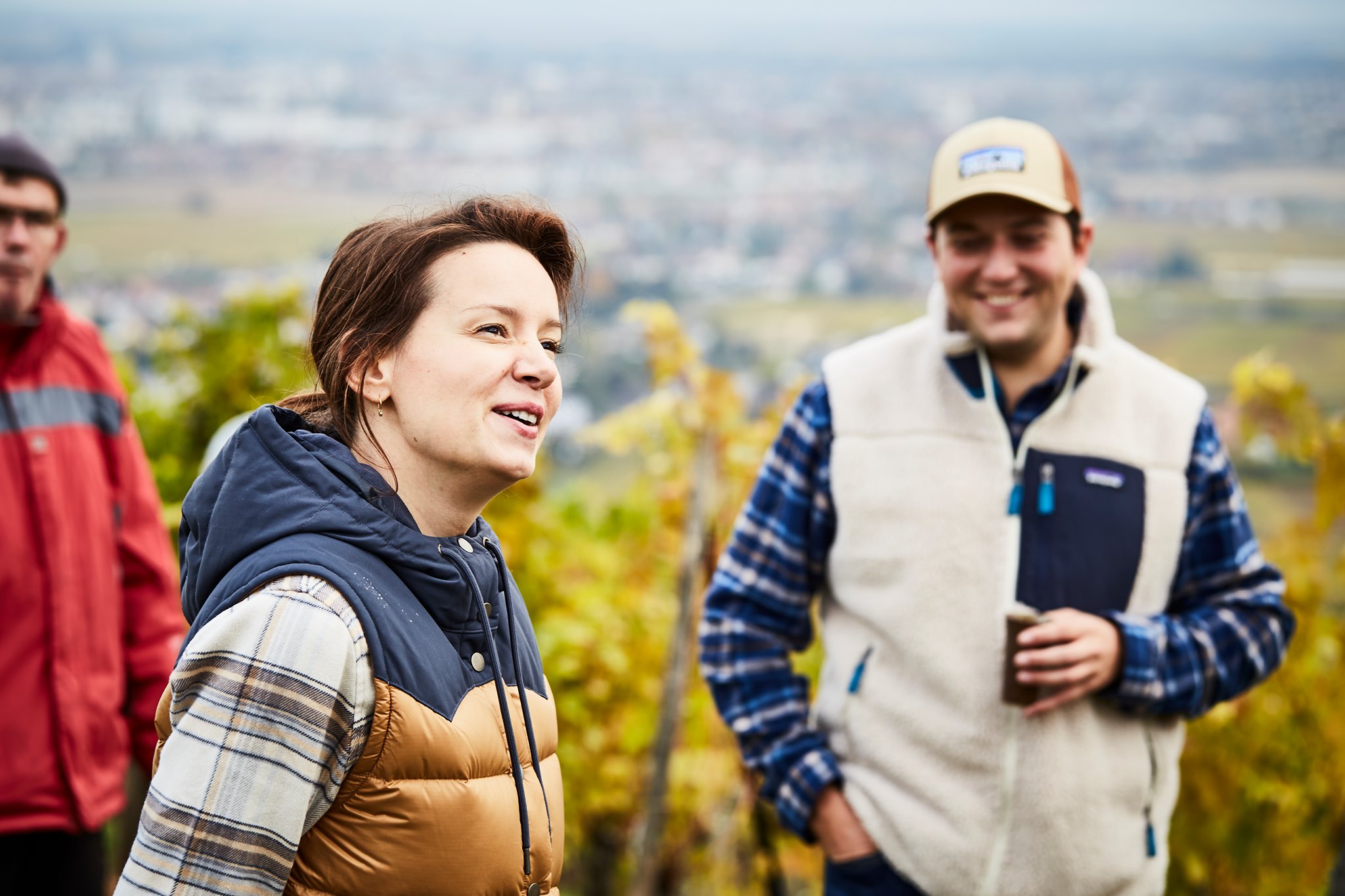 Region:
 -
Description:
Staffelter Hof first appears in texts from in 862 AD. At almost 1,200 years old, it is one of the oldest companies of any kind in the world. The vineyard holdings span 11.5ha (10.2ha planted) of diverse vineyards such as Paradies, Kirchlay, Letterlay, Steffensberg, and as far south as the Dhroner Hofberg. The winery itself is located in Kröv, a village in the heart of the middle Mosel on a sweeping 180⁰ curve of the river between the old, quiet winemaking villages of Wolf and Kinheim. This is not a hotbed of avant-garde creativity. Yet Jan Matthias Klein, a 7th generation winemaker at this estate, is doing something extraordinary here, crafting naturweine the likes of which have rarely been seen in the history of the Mosel.
Jan is a vital member of the Klitzekleine Ring, a group of about a dozen winemakers around Traben-Trarbach dedicated to saving steep slope Mosel vineyards that would otherwise be abandoned. In that sense, he is a conservationist. However, he is also a powerful innovator. After stages in France, New Zealand, and Australia, Jan came home and steered his family’s winery into quixotic efforts of viticulture being explored by the younger generation in the Mosel. His experimentations with non-German grape varieties (piwis, e.g.), alternative energy and water management at the winery, and other groundbreaking techniques to combat the inevitability of climate change, mark him as a visionary leader in the progressive German wine movement.
Jan’s farming on the steep slate hills of the area is strictly organic—practicing since 2011 and certified since 2014—which is a very hard and expensive commitment to make. It is far easier to spray pesticides from a helicopter, for instance, than to scramble up and down 60-70⁰ gradient slopes placing natural insect repellants on each and every vine. The hard work is an intrinsic part of the winery’s founding legend, however. Centuries ago, a donkey was originally the laborer of the steep slopes in Kröv until a wolf killed it. Legend has it that the monks caught the wolf and made it do the vineyard work after it killed the donkey. Wolf “Magnus” is still the mascot of the winery today (hence the labels and names).
It cannot be emphasized enough: these are not normal Mosel wines. They would be exceptional in ANY of the world’s winemaking regions, actually. Klein makes classic Rieslings under the Staffelter Hof label, but works with ZERO SULPHUR on this line of wines. They are unfined, unfiltered, hand-bottled, and contain varying levels of palate-tingling residual CO2. The variety of grapes is kaleidoscopic, featuring cuvees from Frühburgunder, Germany’s ruddy, blue/black-skinned “early Burgundy,” a.k.a. Pinot Noir Précoce, Sauvignon Blanc, Müller-Thurgau, Muscat, and a bewildering assortment of Portuguese grapes.
So… the wines are “out there.” But are they good?
Yes, they are rivetingly good; fresh in character, light on their feet (under 11%), joyful to drink if you don’t want to ponder too much about them and fascinating if you do. For those who think the pleasures of “glou-glou” and farm-to-bottle wines do not exist in Germany, these wines are a wake-up call and invitation.
BOWLER E-Zine Issue 1 | Q4 2020: Learning and Relearning German Wine
BOWLER E-Zine Issue 2 | Q1 2021: Conversation with Cellar Master, Yamile Abad - Weingut Staffelter Hof - Mosel, Germany
Image: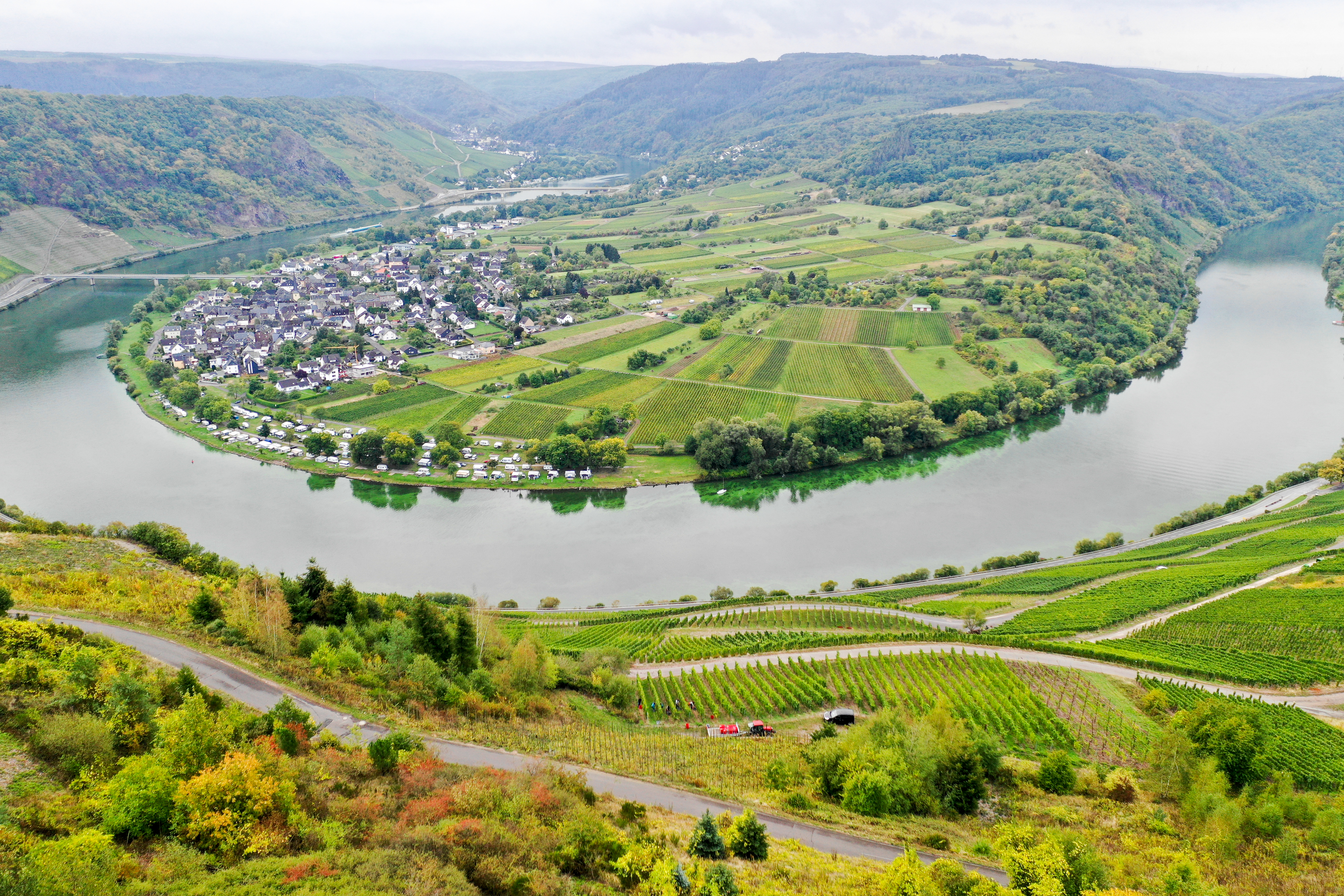 Region:
 -
Description:
Named for the beautiful flower that grows on Tenerife (which is also depicted on the labels), Tajinaste is run by the indefatigable Agustín García Farrais. He works alongside his parents, Cecila (“Chilla”) and Agustín Snr., who are both sevety years old going on thirty. The bodega was started by Agustín’s grandfather. They own three hectares in the Valle de la Orotava, and their oldest vines were planted in 1914. Many are trained on the very traditional method of ‘cordon trenzado’, or “braided cordon”, a method of training vines where their branches intertwine with each other creating a sprawling plant that grows on the ground. Historically vines were trained like that so that they could easily be moved and rearranged in order to allow other crops to be planted in the same plot.
Having trained in Bordeaux, Agustín is a precise winemaker. He vinifies each parcel separately, which has allowed him to get to know the character of each vineyard so well that he can masterfully blend extremely consistent and beguiling wines year after year.
Image: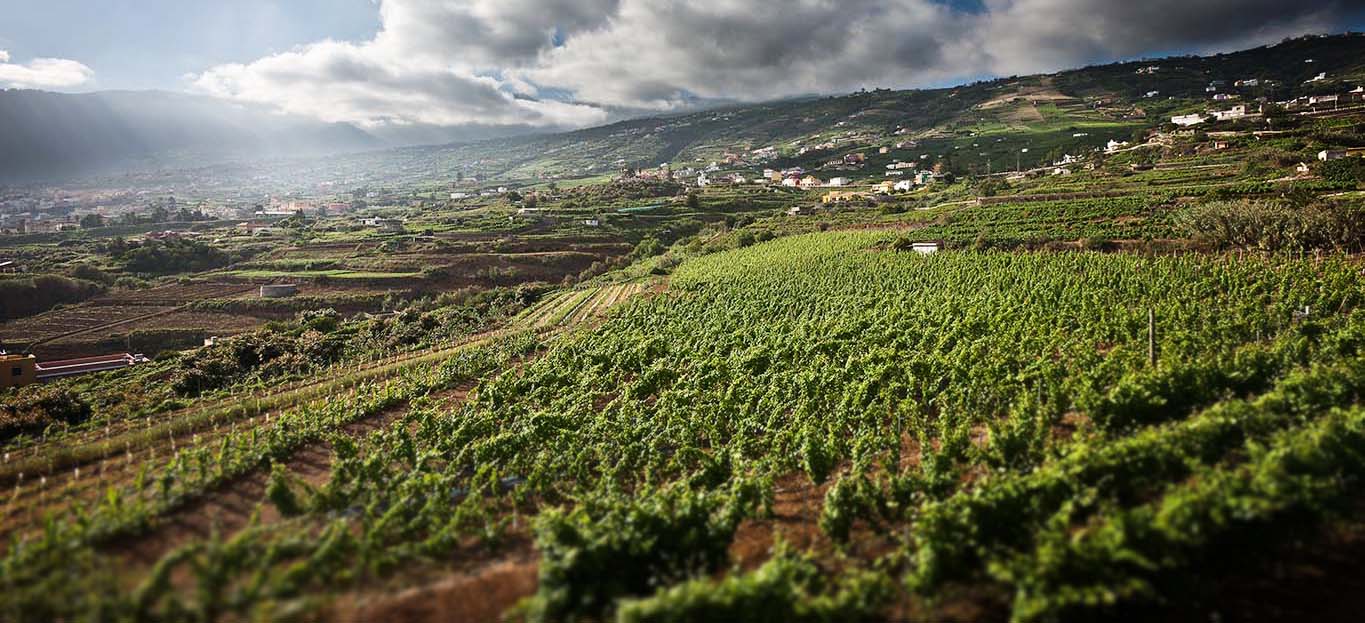 Region:
 -
Description:
Gideon Beinstock has become known for his amazing Clos Saron wines, but the history goes back much further than that. A long and winding road from growing up in Israel, an artist’s life of painting in Paris, helping to plant the Renaissance Vineyards in the 1970’s, international wine sales, and finally finding his way into winemaking at the very same vineyards he had planted almost two decades earlier. It was there at Renaissance that he began learning his craft and made the first of his incredible wines.
Gideon left Renaissance in the late 1990’s to found Clos Saron, just a few miles down the road, but has always felt a connection to Renaissance, both as a piece of his history, and also as a totally unique and special terroir.
Which brings us to the present: Gideon was given the opportunity to reclaim some of the greatest wines he made during his time at Renaissance! These wines have never left the winery and have been aging perfectly, undisturbed for the past two decades.
The cuvees that were hand-picked by Gideon are showing outstandingly right now, and should continue to age gracefully for years to come.
Notes from Gideon:
Pre-1995, like all self-respecting Cali wineries, Renaissance was producing an ‘Estate’ and a ‘Reserve’ Cabernet.
In 1995, I broke the Reserve down into three cuvées, with more specific expressions:
1. “Première Cuvée”, a varietal Cabernet Sauvignon (min. 75%), was meant to continue in the tradition of the older Reserve tradition of long lasting, powerful, blockbuster wines.
2. “Claret Prestige”, a non-varietal wine, was meant to be the most elegant, aromatically complex, harmonious wine we could achieve every vintage by the blending of (mainly) Bordeaux varieties.
3. “Vin de Terroir”, 100% varietal Cabernet Sauvignon, selected every vintage from (either the same or any) specific micro-site in the vineyard for its clearly distinctive expression of terroir.
The names we chose for the Taken From Granite wines are related to the original stylistic goal of each cuvée:
-“Village” is the ‘Estate’ made from all the various slopes combined.
-“Soleil" is the “Première Cuvée”
-“Élegance" is the “Claret Prestige”.
About 400 cases of each was produced every vintage between 1995 and 2002 (with a few exceptions). All the grapes for these wines came from a few vineyard sites (we referred to them as ‘slopes’), which were determined as the best we had (our “Reserve Slopes” - mainly Slope 1, 16, and 21).
***The “Vin de Terroir” may or may not appear under the TFG label, as of now it is unreleased and TBD***
Image: Region: