Producers
-
Description:
Iuli is located in the far north of the Monferrato, in the town of Montaldo di Cerrina. Once a vibrant little town of 450+ souls, today there are only 92. It is set among the last band of dramatic hills and valleys before descending into the rich flatlands of the Po river valley, with the Alps as a backdrop on a clear day. If you're headed to Montaldo, chances are it is to see Fabrizio Iuli. His family figures prominently and colorfully in the town's history. In the 1920s, his grandfather, Gioacchino Natale Iuli, like many young men from the countryside, was courted by a factory job in Lombardia. In a twist of fate, Gioacchino heard that a burgeoning marching band had been formed in Montaldo, so he packed his bags and headed back to become its clarinetist and to start a family. The first vines were planted around 1930. Fabrizio's grandmother, Ernestina, established a little osteria in their living room, a place with warm food and warm hospitality that became a gathering point for the village. There was much conviviality and Iuli Barbera flowing. Though no longer an official restaurant, the feeling continues to this day with Fabrizio and his wife, Summer Wolff, cooking up a storm and popping bottles, their young boys staying up later than most American kids their age, taking it all in. It is a place that sucks you in, where time seems to stand still, if only temporarily.
Today, Fabrizio is the only winegrower in the town. His first commerical vintage was 1998, with his Barbera called Rossore. The grapes found in his vineyards are Baratuciat (a nearly-extinct white variety from the Val di Susa), Slarina (a red Monferrato variety also almost lost), Grignolino, Nebbiolo, Pinot Nero, and, of course, Barbera. There are 35 contiguous hectares of land in one valley, with 16 hectares planted to vine. Certified organic, the land has never seen any chemicals. Despite being ridiculed by neighbors, Fabrizio's grandfather and father never succumbed to pressure to buy products they felt were meant to fix something that wasn't broken. The isolation of the place suits Fabrizio's desire to instigate and protect biodiversity. The thick surrounding woods keep the prospect of a monoculture at bay. They contain many white truffles in the season; they also house many wild boar, who can and do devour a crop of grapes. Some end up at Cascina Iuli in the form of 'Barbera Pig' stew.
The wines are Piedmontese to the core, ultra-reflective of the poor, but limestone-rich soils and northernly climate with cool nights. Each wine has a reason for being; each wine has extreme drinkability without losing seriousness or intrigue. They are concentrated in their fruit, but also have a lightness and florality that feel very "Iuli." In the cellar, Iuli's trajectory over the years has become increasingly non-interventionist. Fermentations are carried out spontaneously, with a little so2 added after malolactic fermentations. The tradition in the area is to use concrete tank and large oak cask. Fabrizio wouldn't dream of deviating from that lineage. He adores, collects, and restores small concrete vessels. There's a room in the cellar in which they're lined up like little misfit robots waiting to be deployed. The wines are aged slowly and statically, bottled unfined and unfiltered, when taste and an auspicious moon deem they're ready.
Image: Region:
 -
Description:
Izarra means “star” in Basque, and is a brand of liqueur that was created in 1906 in Hendaye, in the Basque Country, by the botanist and pharmacist Joseph Grattau. This recreation of Izarra by the Verdrenne family using the original recipe is a liqueur made from a distillate of plants, spices and 2 macerations, prunes and walnut husks.After distillation in a copper still, Armagnac is added to the distillate. Izarra the historic herbal liqueur from the Basque Country of France and Spain is an herbal spirit much like what the monks made with Chartreus.
Image: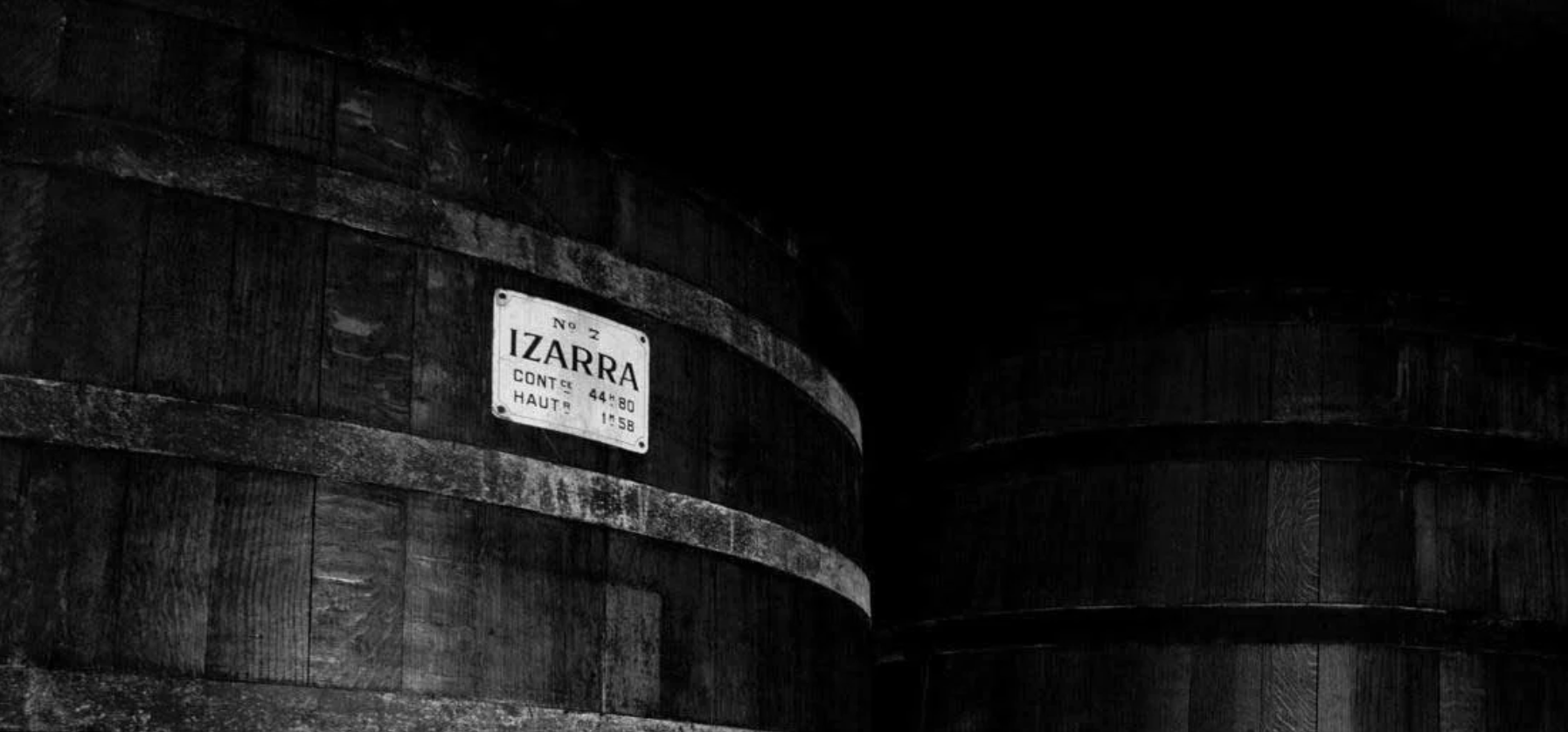 Region:
 -
Description:
Jabali de Oaxaca is an artisanal mezcal inspired by the strength and untamed spirit of the wild boar. Known locally as the Jabalí, the boar holds unique significance in Mexican culture not only as a part of the regional wildlife but a symbol in folk tradition, and a distinct ingredient in local cuisine. Many mezcal drinkers will be familiar with the wild agave species Jabali, which gets its name from the animal.
Jabali de Oaxaca is made by 3rd generation mezcalero Abel Lopez along with his son Cuauhtemoc, and grandson Alejandro in the town of Tallixtac de Cabrera, Oaxaca. Their estate grown espadin plants are harvested fully mature at around 7 years old, then roasted in a conical oven for 6-7 days. The piñas are then milled using a stone tahona, and the resulting liquid is left to ferment in pine wood for a period of 1 week. The mosto is then distilled twice using copper pot stills, reduced slightly using deep well water, and bottled at a robust 48% abv.
The Lopez’ mezcal represents five generations of technique and knowledge that bring each bottle to life. Jabali de Oaxaca is more than a mezcal, it is a legacy, an identity and a source of pride that transcends generations.
Image: Region:
 -
Description:
Jon Langley and Lucky Preksto, longtime New York City bartenders, met in 2009 and have been collaborators ever since. In 2020 they began developing spirits recipes in Jon’s kitchen. Ever optimistic, they formed January Spirits that same year. In 2022, they scaled up these recipes and teamed with Matchbook Distilling, located in the North Fork of Long Island, to bring their vision to life.
Joining forces with Lucky’s wife, Diana Lang, on branding, and Jon’s partner, Amanda Eli, on operations, they came to market in New York in the spring of 2023. They decided to launch with three products. Amaro and genepy, legendary digestifs; two sides of a coin, one bitter, rooty, the other herbal, ineffable. The five-flower gin, particular to January Spirits, accents the earthy quality of flowers. It’s not an obvious gin, only delicious.
Taken on their own, these styles are aromatic and nuanced; in cocktails, near indefinable.
"We make botanical spirits. We’re drawn to the traditional French and Italian styles of drinks that haven’t until recently had a bright light shone upon them. We love them on their own, they stand up. They’re also often the secret ingredient that make a cocktail sing. Versatile spirits. Serious spirits, often pondered over, savored, and deeply regarded. We take them seriously. But we feel drinking also, at its heart, ought to be fun. It makes you feel good, after all–and here’s to feeling good all the time."
Bowler is proud to welcome January Spirits to the portfolio!
Image: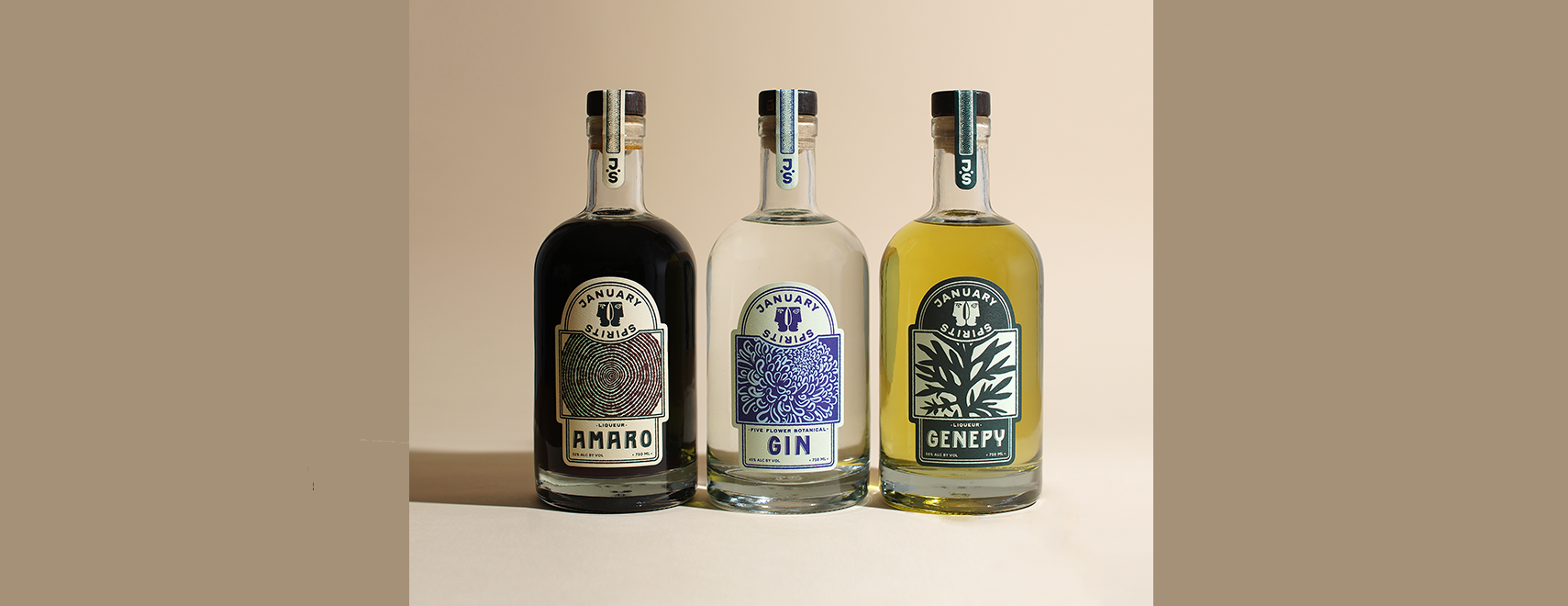 Region:
 -
Description:
Shortly after settling in Lannepax in the heart of Armagnac country with his wife and two sons in 1883, Jean Cavé opened the doors of his small distillery. A grape-grower already, Cavé began a generations-long quest to perfect their growing, distilling, and aging methods over more than a century.
The team at Jean Cavé are still guided by Henry Cavé, the fourth generation of the family. With Henry at the helm, the distillery benefits from generations of knowledge, as well as a shared sense of tradition and purpose. This has allowed them to retain continuity and an enduring sense of place. Today, with more than one hundred thirty vintages of their Armagnac produced, they have built up a stock of old bottles that few other houses can match and can offer a wide range of bottlings that will delight newcomers to this spirit, as well as delight serious collectors and aficionados. We are pleased to welcome Jean Cavé to our portfolio.
BOWLER E-Zine Issue 4 | January 2022: The Tradition of Jean Cavé Armagnac
Image: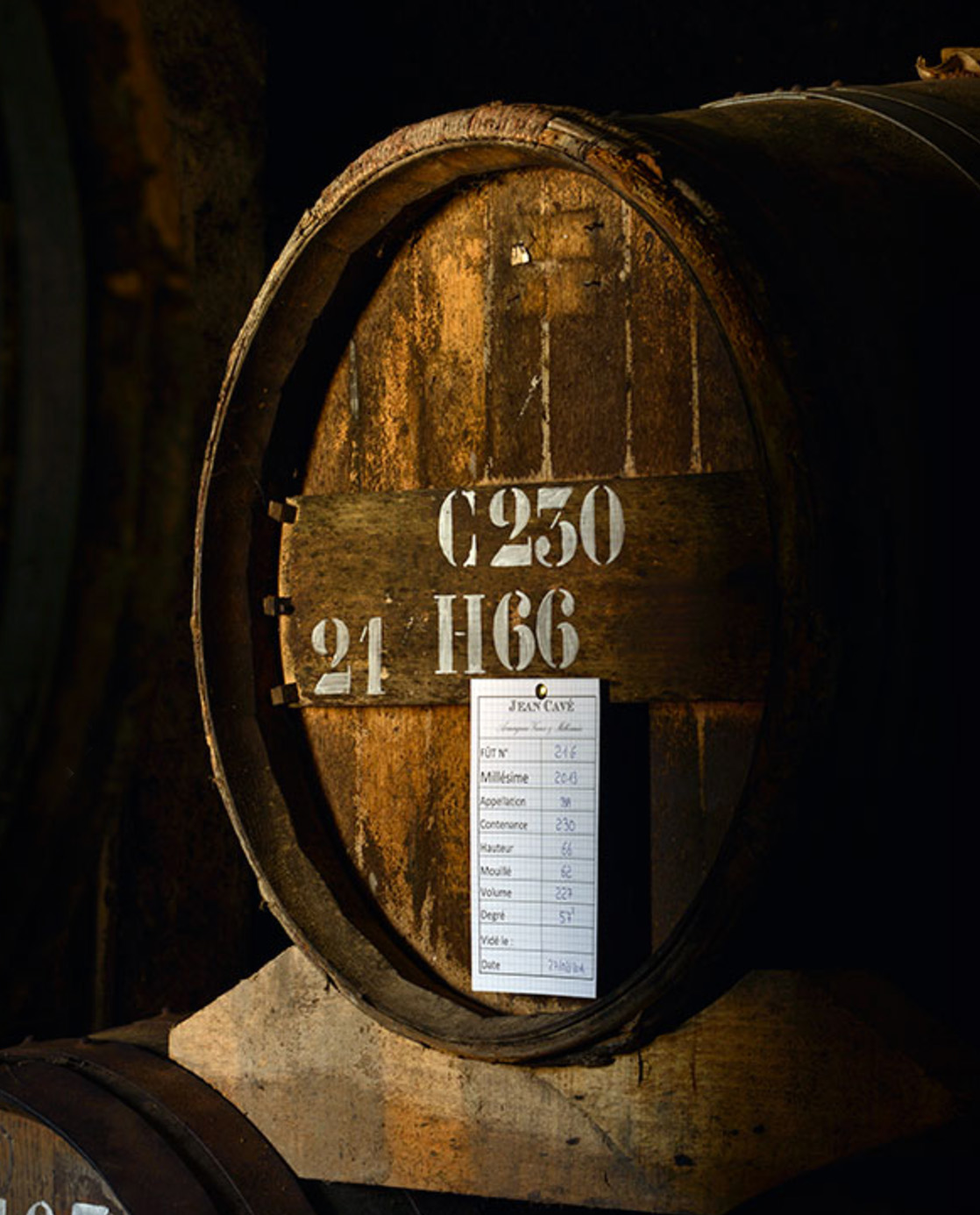 Region:
 -
Description:
Jean Marshall’s father, Tim, an Englishman, was one of the first foreigners to fall in love with Burgundy to the point of settling in and setting out to build a small domaine in the 1960’s. Over time, he planted and purchased small parcels over a couple of decades acquiring two hectares. His last vintage was 2003 and after that he rented out his vines to Meo Camuzet. Sadly, he fell ill in the later years of his life and passed away in 2015. At the time, Jean had no interest in taking back the vines, knowing that his father's passing was largely caused by exposure to chemicals that Tim had used in his vineyards.
Jean pursued scientific studies and a career as a psychiatric nurse for ten years, until 2019, when he realized that in fact, the vines of his childhood were where his heart was. Jean did a viticulture, winemaking and vineyard management program in Beaune, then worked at Domaine Arnoux-Lachaux for a couple of years in preparation to take back and begin working the family's two hectares of vines.
From the beginning Jean has farmed all of his parcels organically and entirely by hand without tractors. He practices no-till, believing in the benefits and complexity of nurturing the soil’s natural ecosystem. With a regenerative farming perspective, he's planted fruit trees in the vineyards to enrich biodiversity and increase soil health and believes in the symbiosis of root systems and mycorrhizae networks between the trees and vine plants, essential to the plants' autonomy. He works with natural cover crops benefiting carbon capture, increased organic matter, and soil structure. He does not hedge the vines and carries out high trellising to preserve the plant's energy and maintain a natural balance while creating shade for fruit. The long-term benefits of these methods are numerous, particularly in face of climate change. To him they are natural and logical, based on observation and sensitivity to the vegetal world.
In the cellar, Jean works with ceramic vessels, believing that oak blocks the expression of the wines. The wines are harvested in the morning and then sorted meticulously after lunch. Jean said that they even sort by smell. Fermentation takes place with whole clusters in ceramic and they are aged for nearly two years before bottling. 2023 marks Jean’s first vintage and it was bottled in July 2025. William Kelley of the Wine Advocate had this to say after tasting with Marshall: “…what stands out for me, after two visits to Marshall's cellars, is the purity and precision of his work. His methods may or may not evolve over the years to come, but I'm sure he will never lose the evident meticulousness he's brought to his first vintage. Deep, dense and still primary, it will be fascinating to revisit these wines in bottle. For now, what's clear is that this is very much an address to watch.”
Image: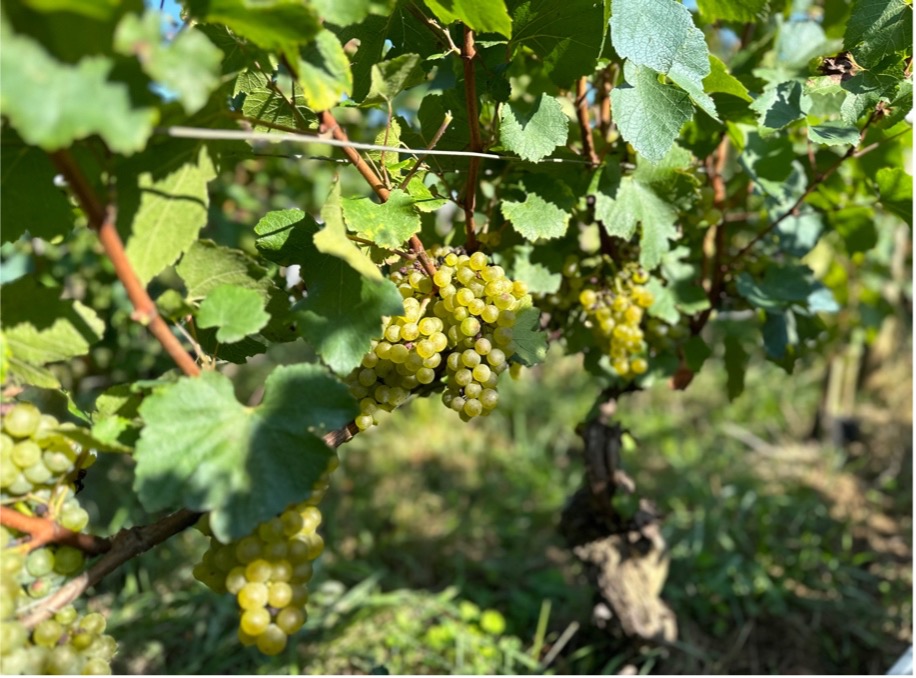 Region:
 -
Description:
For more information on Jean-Christophe Jezequel, please visit Selection Massale.
Available in California.
Image: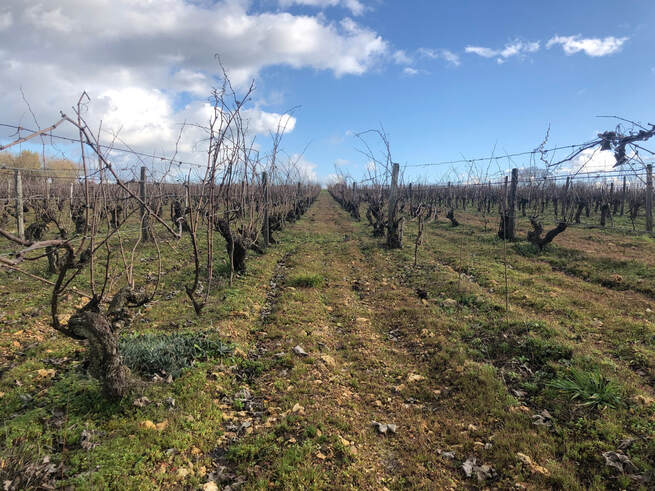 Region:
 -
Description:
The Jeanne Marie label was created by David Gordon, one of New York’s first recognized sommeliers, and the person responsible for the Wine Spectator Grand Award-winning wine list at Manhattan’s famed Tribeca Grill restaurant. The restaurant opened in 1990 by restaurateur Drew Nieporent and actor Robert DeNiro. Gordon, who is self-taught, began learning about wine in the 1980s just as Kevin Zraly was beginning to educate America on the world of wine. At the time, there were very few non-French somms working in the city and the British-born Court of Master Sommeliers was in its infancy.
“You had to pick up a book or magazine to learn about wine,” says Gordon. There were no YouTubes or Google or extensive training programs. The list now boasts over 1800 selections including verticals of some of the most sought-after producers.
While he tasted and learned about the best wines on the planet, which included expensive Burgundies and Rhône wines, Gordon always kept the consumer top of mind. “House” Cab and Chard were big sellers at the restaurant, so he set out to meet that demand with a genuine product that would deliver consistent quality.
“I started the Jeanne Marie line as a fun, cool thing to do,” says Gordon. “There really weren't any wines associated with sommeliers at the time. Now there are many, but these were definitely among the first. I named the wine after the person I worship, my wife of 30+ years- Jeanne Marie."
In the beginning, Gordon sourced the wines from his friends in Napa and Sonoma. Producers such as Caymus, Lewis Cellars, and Miner Family provided grapes and helped with the winemaking for the early cuvées. Gordon has kept to his original promise that wines with the Jeanne Marie label will always be affordable and delicious. “People want ripe fruit and a clean taste that’s not too oaky or tannic,” he says. The wines are refreshing, they can be drunk as an aperitif before dinner or with a meal."
Wines bearing the Jeanne Marie label, much like David Gordon himself, are welcoming and unpretentious.
Image: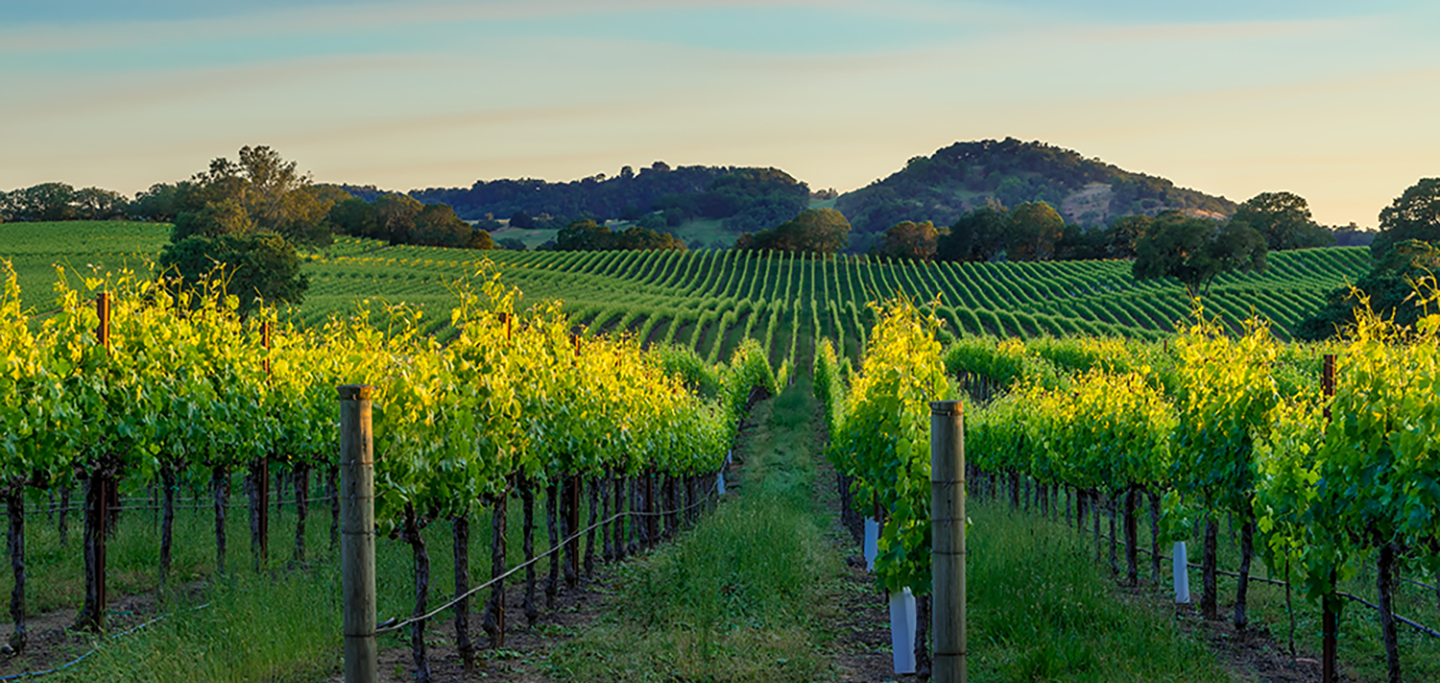 Region:
 -
Description:
Jeremy Quastana has been a cornerstone in the Selection Massale Loire portfolio since his earliest vintages starting in 2012. He worked with the late Olivier Lemasson for a few years and managed to grab a couple hectares of land not far from Olivier's main plot in the Loir et Cher, not far from Cheverny. Before that, Jeremy learned the trade at Marcel Lapierre's winery and did a six-month internship at Clos Ouvert in Chile. He has shown that he can make clean, highly drinkable wines with very little sulphur dioxide time and time again. Jeremy is still a young vigneron and, in our opinion, he gets better every year.
All of these wines drink just like you’d want them to: fresh, vivid, and reminiscent of the best that Loire Valley natural wine can offer.
Image: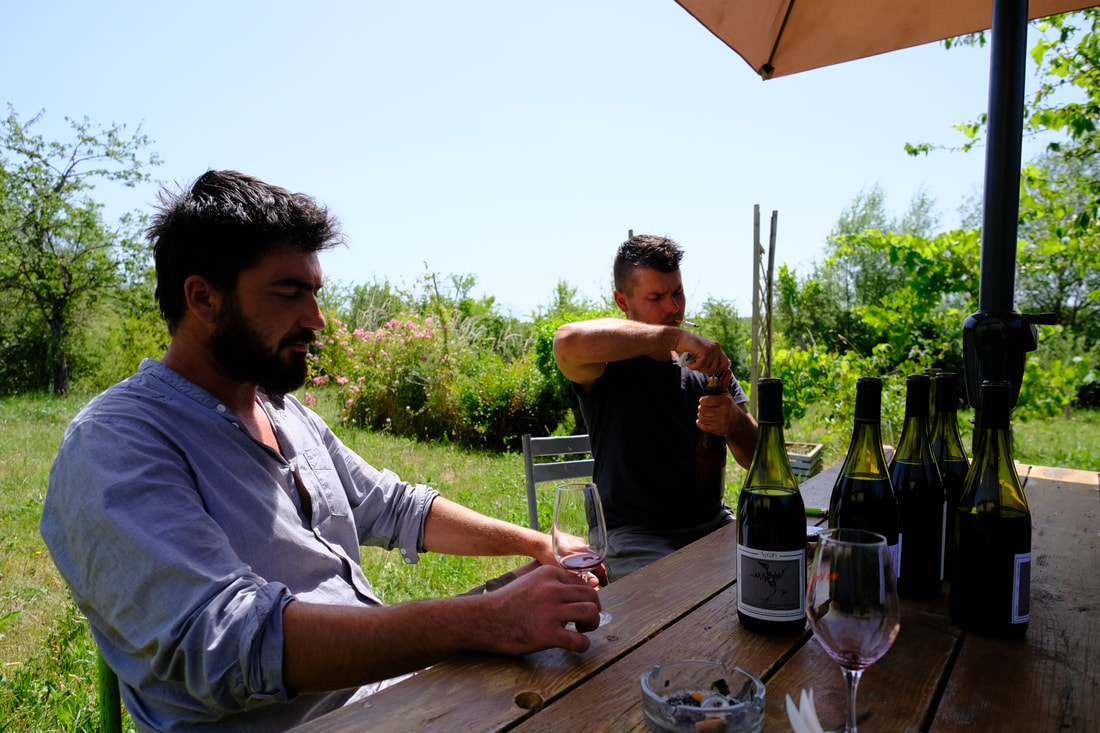 Region:
 -
Description:
Maria Pato is the granddaughter of João Pato, after whom the winery is named, and part of a family deeply rooted in the history of Bairrada. She created the “Duckman” project (pato meaning duck in Portuguese) as a playful, rebellious nod to tradition with a new and experimental spirit.
Like her father, Luís Pato, Maria is dedicated to pushing boundaries in Bairrada—working with indigenous grape varieties, exploring alternative farming methods, and utilizing natural, hands-off winemaking. Duckman is as much about honoring her family’s legacy as it is about reshaping it, turning Bairrada into a place of creativity, and expression.
This profile and tasting notes were edited from the GK Selections website, along with the pictures used. For more information please visit GK Selections
Image: Region: