Producers
-
Description:
Bodegas Viñas de Oro is located 133 miles south of Lima, Peru in the traditional district of El Carmen, Chincha in Ica. A father and son duo, Mr. Pedro and Mario Brescia have a background in agricultural engineering and a heart for adventure. The winery opened their doors in 1983 as part of the “Breca” Agricola unit, a Peruvian business by the Brescia Cafferata family which has been in business for over 100 years. The extensive property covers 800 hectares, 80 of which are dedicated to growing six types of Pisco grapes. Viñas de Oro values social and environmental responsibility in farming and production methods. Traditional distillation combined with modern production techniques ensures an exquisite Pisco collection of the highest quality.
VINIFICATION
Grape Harvest - Grapes Ripen February through April
Maceration - 12 Hours; This step only occurs for Italia and Torontel Grapes Stainless Steel Tanks
Wine Pressing - Utilize Italian Grape Press Concentrated Juice with No Hint of Astringency Discard Grape Skin and Seeds
DISTILLATION
Fermentation - Natural Yeast from the Grape 7 to 15 Days in Steel Tanks
Distillation - Alembic Still
Resting - 12 Months
Image: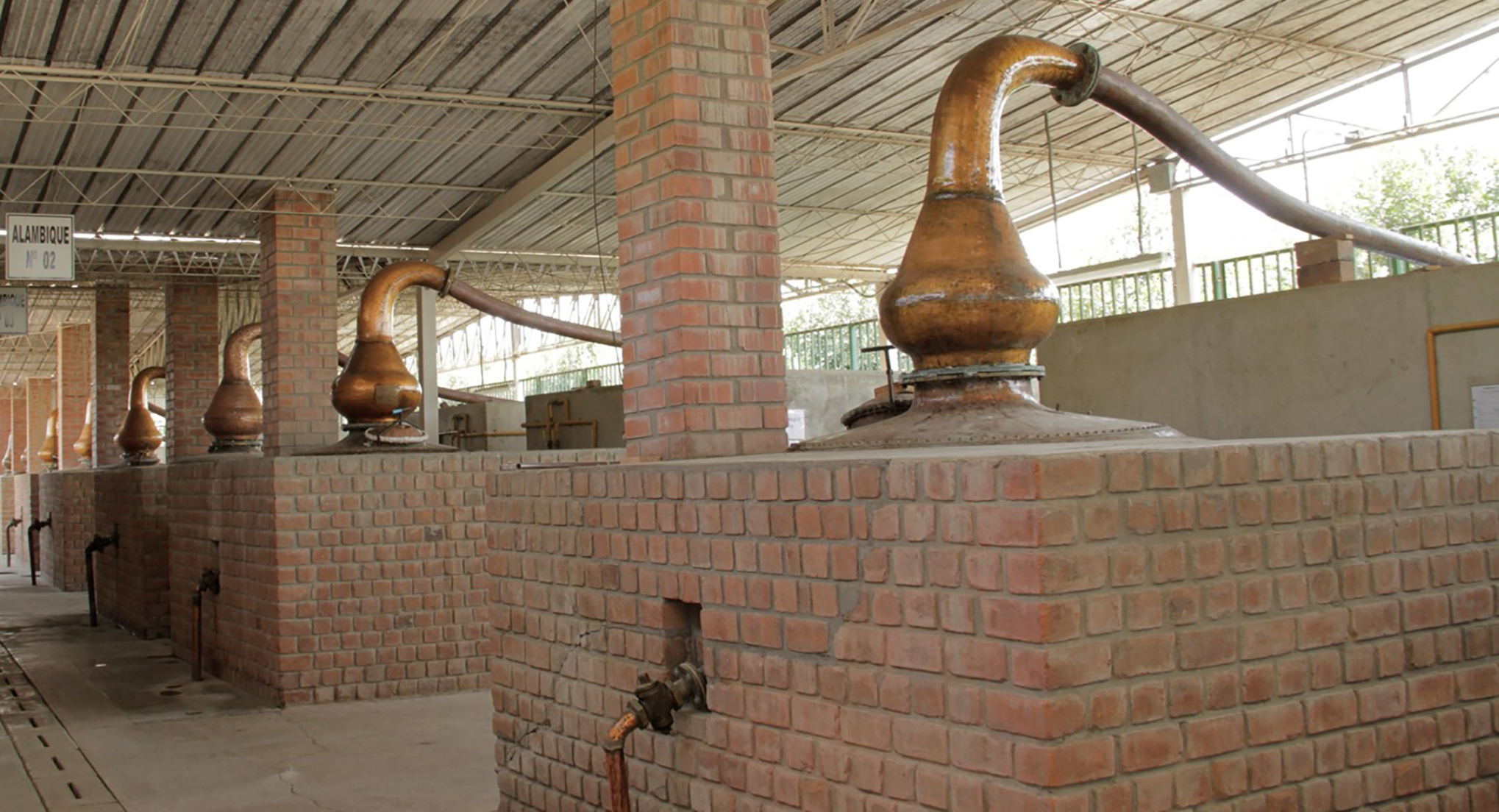 Region:
 -
Description:
Bas Armagnac is a hilly and humid region located in the west in the Landes and in the Gers around Eauze. It is characterized by poor and acidic sandy-silty soils. To the west of the Gers and on part of the Landes, the sea left a Miocene formation called "sables fauves" and made up of fine quartz sands, colored by ferruginous elements. The Atlantic influence is predominant there.
Its eaux-de-vie are famous, especially to the west of the appellation in the Grand Bas Armagnac where the sables fauves outcrop: fruity, delicate, round, they are highly sought after by Armagnac lovers.
La Béroje, whose name means "the Pretty" in Gascon.
This very old agricultural estate was acquired by the Count of Rémond in the first half of the 19th century: crossed by the Ludon stream (current border between Gers and Landes) this vast property included meadows for livestock, beautiful forests and varied lands suitable for viticulture and cereals.
La Béroje is located in the heart of the black Armagnac: this old name evoked the vast oak forests, the sunken paths, the dense coppices and the dovecotes covered with ferns lurking at the edge of the woods. In 1854, it became Bas-Armagnac. The shady areas that still surround the vines promote greater acidity in the wine and a lower sugar content, which are precisely what makes it ideal for producing the best eaux-de-vie.
On the estate, complete control of the production cycle continues to be ensured: harvests, vinification, distillation, aging, bottling, marketing.
Armagnacs of Béroje are made from three white grape varieties : the oldest contain Folle Blanche, the "refinement grape variety", and it is the ancient Piquepoult that gives the eaux-de-vie a remarkable finesse characterized by floral scents and quince notes. This rather fragile grape variety must be replanted soon on well-ventilated land on the estate.
Baco and Ugni Blanc dominate: acidic and low-alcohol wines, they lend themselves wonderfully well to distillation; their blend is very interesting: Baco with its full and rich aromas gives a lot of roundness to the spirits, Ugni Blanc, more "neutral", allows the aromas from the wood to flourish.
The harvest takes place quite early , as soon as the grapes reach maturity (mid-September, early October): the wine thus has a low alcohol content which allows a better concentration of aromatic substances and a high acidity, essential for the natural conservation of the wine.
The pressing is done on site; in the cellar vats, the must produces a white wine of 8 to 10° which receives no treatment or addition:
This entirely natural process leads them to distill early a wine that is just settled but rich in light lees and perfectly healthy: distillation always takes place at La Béroje during the All Saints' Day period.
Distillation is carried out using a very old process, known since the Middle Ages in the Kingdom of France, and which has continued to be refined. It was in the middle of the 19th century that the Armagnac still was developed in its current form, a single-heat, continuous still made of pure copper: The fresh wine passes into the still where it is heated in a boiler over an open fire; the alcohol vapors, loaded with aromas, circulate in a refrigerated coil and condense, delivering perfectly transparent eau de vie.
As in the past, at Béroje, the spirits are distilled on site according to this Armagnac tradition which allows the finesse of the perfumes to be preserved, primary aromas from the vine and the terroir.
The arrival of the still and its lighting are an event that does not escape the neighbors: they come, at nightfall, to taste the new Armagnac coming out of the still.
This method of distillation, called simple or continuous, is one of the foundations of the specificity of Armagnac, distinguishing it from all other spirits such as Cognac.The spirit will gain in softness and mellowness after a long aging time but the great complexity of the aromas is preserved and will express itself over the years.
When they come out of the still, the spirits are 53° to 55°, they fill new or recent barrels
The choice of barrels plays a major role as does the cooper: Mr. Bartholomo, provides them with barrels from the South-West for each new distillation. The choice of wood, the open-air drying of the staves (at least 3 years), the making of the staves and the burning of the interior walls of the barrel play a role in the coloring and aromatic complexity of the spirit
After 1 to 2 years, and the visual and olfactory appreciation of the cellar master, the Armagnac is transferred to older barrels to continue their slow maturation. The topping up of the "pieces", the blending on the same vintage, the regular oxygenation allows the eaux-de-vie to express all their personality.
At La Béroje, Armagnacs are given time to mature: it is after more than 20 years of aging that vintage Armagnacs are offered for sale.
Image: Region:
 -
Description:
Located in the southwest of France, the wines from Cahors have been famous in Europe since the Roman Empire: legend has it that at that time, they put the wines being produced in Italy to shame, and so in 92 A.D., Emperor Domitien ordered that the vines in Cahors be pulled up in order to eliminate competition for Roman vineyards!
The Château Haute-Théron was built after the French Revolution in 1789, in the hills overlooking the Lot Valley. The seventy-four acres of vineyards, planted entirely to Malbec (Cot), have a southern exposure with limestone soils; some of the vines here are over thirty-five years old.
This wine is produced under the Sustainable Agriculture Policy.
Image: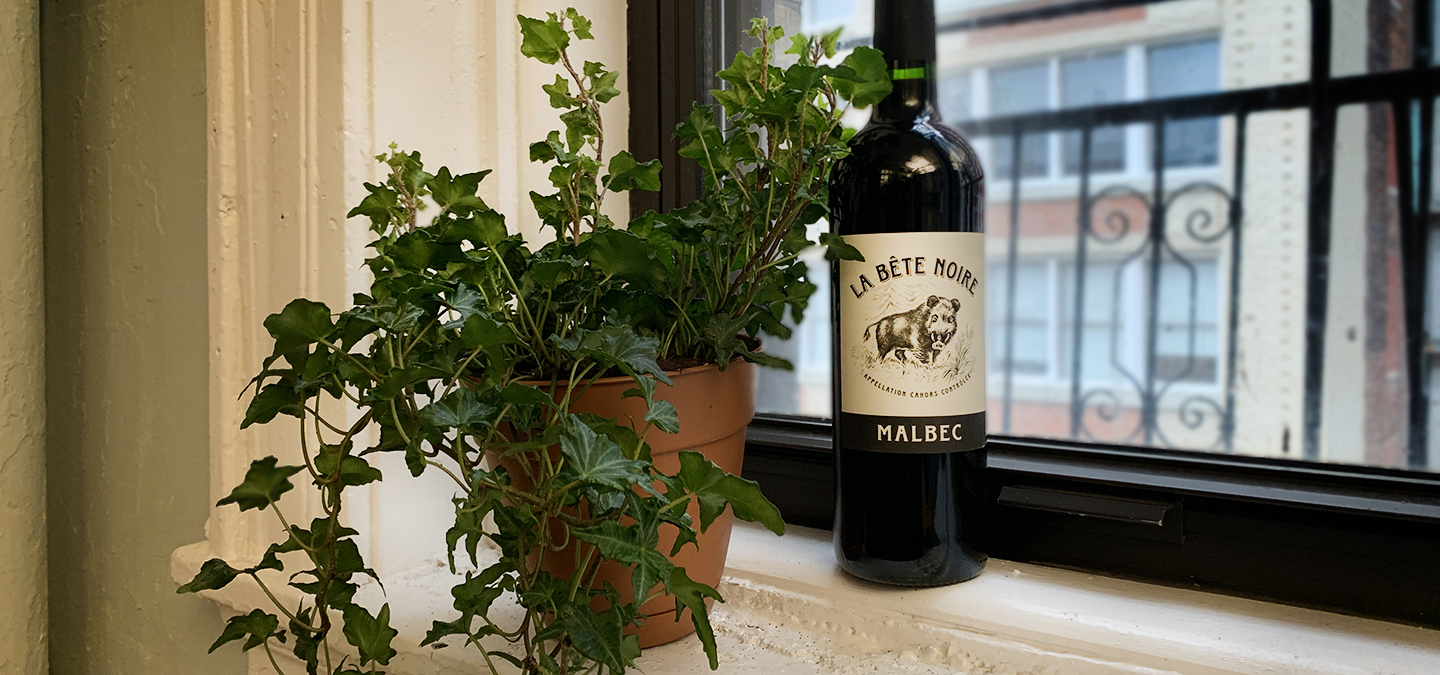 Region:
 -
Description:
If there is one category in 2025 that feels ubiquitous, it’s natural wine in a 1L bottle. They’re everywhere - and for good reason! But for those of us that have been in the wine world long enough, we know that was not always the case. Now there’s an argument to be made that there’s no such thing as a first in anything, but at the very least Selection Massale was at the forefront of the genre, and were pioneers in working with some of the best producers in the world to kick off the many iterations of these wines we know and love today.
“The first run of Boutanche was back in 2012. As you may remember, it had a bright pink label that read ‘La Boutanche’ with pig in a Hawaiian shirt polishing off a glass of wine above that, and not much else. The juice inside was what mattered (at the time it was Gamay made by Maison PUR), and the juice inside seriously overdelivered for its low retail price. It was an immediate hit. Flash forward to today and there are many different Boutanche bottlings: the grasshopper (Andi Knauss), the fish (Frantz Saumon), the pig (Olivier Minot), the badger (Broc Cellars), the gorilla (Martin Texier) - you name it. We are committed to expanding the line and having Boutanche be the first bottle you reach for around $25, either if it’s your daily go-to wine or if it will be your first natural wine experience.” - Selection Massale
Image: Region:
 -
Description:
Hank Beckmeyer and his wife, Caroline Hoel, met in the 80s while he was on tour in Europe with his band Half Japanese. Hank left the band and the tour to remain with Caroline in Europe, and over the years they would take trips to the south of France, drink a bunch of Bandol at Domaine Tempier, and discuss how much they loved what these smaller producers were doing. They eventually decided to make wine themselves, and California seemed like the right place to do it.
In 2001, the two settled in Somerset (El Dorado County, Sierra Foothills) at a site 2600 feet up in the foothills and planted a few acres of vines - mostly Tempranillo but also Syrah, Tannat, Grenache, Negroamaro, Cabernet Sauvignon, and some unknown varieties that emerged from seeds in the compost heap. The vineyard was first farmed biodynamically (certified for a few years), but eventually evolved into the farmer-philosopher Masanobu Fukuoka’s ‘do nothing’ methods. As the name implies, the vineyard grows wild with weeds, insects, birds, and all sorts of life teeming among the vines.
From this vineyard a single wine is made in extremely low quantities and for the rest of their wines, Hank and Caro purchase fruit from like-minded, organic farmers in the foothills.
Hank and Caroline use natural methods for making their wines and have been doing so long before it became trendy in California. Generally, this means native yeasts, neutral vessels, and nothing added except a small amount (if any) of SO2 at bottling. Their goal is to make wines that are alive and enjoyable to drink during all stages of their lives while at the same time expressing the vineyards. Just taste a vertical lineup of Sumu Kaw Syrah or Cedarville Mourvedre and see for yourself!
Image: Region:
 -
Description:
Andrea Marcesini and his small farm, La Felce, can be found in the far east of Liguria, right on the border with Tuscany. La Felce--the fern--is the name of the località, like a lieu-dit, because the plant thrives in the acidic soils of the area. Andrea likes the image of the fern for another reason: it was one of the first land plants on Earth, along with moss and lichens and, “to add a little poetry,” La Felce is one the oldest farms in this corner of Liguria.
It’s the classic story of a multi-generational polyculture farm. Andrea had been working as a carpenter for years, but upon his grandfather’s retirement in 1998, he came back to the land. He was the first to shift the focus to production of wine in bottle. These days, though, he’s returned to the concept of mixed agriculture. Beyond wine, La Felce is a commercial producer of fruits, vegetables, olives, saffron, and honey.
They farm 6.5 hectares of vines, 11 parcels in the radius of 10 kilometers. Vermentino is the main planting, and it’s here in the Colli di Luni where the grape arguably reaches its greatest expressions. The vineyards are also peppered with Malvasia, Trebbiano, and Albarola for the whites; for the reds, you can find Sangiovese, Canaiolo, Massaretta, Alicante Bouschet, Barbera and Merlot. The ultimate goal is to cultivate perfect grapes, choose the harvest dates with maniacal precision, and then gently guide them in the cellar so that they make honest, elegant, territorial wine. The Marcesinis have always farmed organically, not for commercial reasons but for the desire to leave the land healthier for the next generation. Andrea’s son, Francesco, age 22, is involved 100% and is poised to take the reins when the moment is right. Viva La Felce!
For Andrea, wine is meant to be drunk, not to be marketed or fetishized. He doesn’t understand large wineries with seemingly endless stock of crafted and tailored wines. In his words, “it’s the market that has to choose the product, not the product that chooses a market.” He prefers the freedom of the IGP Liguria di Levante rather than classify his wines under the DOC Colli di Luni. Ironically, he’s the president of the newly formed consorzio for the DOCs of Colli di Luni/Cinque Terre/Colline di Levanto! He also created a beautiful project in a local psychiatric hospital, where he planted a small vineyard in the ward’s courtyard garden. He’s taught some of the residents to work the vineyard, giving them fresh air and a chance at work integration. In 2023 the goal is to bottle this comunal vineyard’s first 4,000 or so bottles.
Andrea is a busy farmer, ultra-protective of what little down time he has. He’s notoriously adverse to technology, including that especially pernicious example known as E-Mail. He was once spotted on Zoom, though, and there’s a video to prove it. Anyway, he’d rather be in the vineyards or out with his truffle dog, Otto. For all of these reasons, his wines have had little presence in the States. We welcome La Felce to Bowler with a tight squeeze!
Image: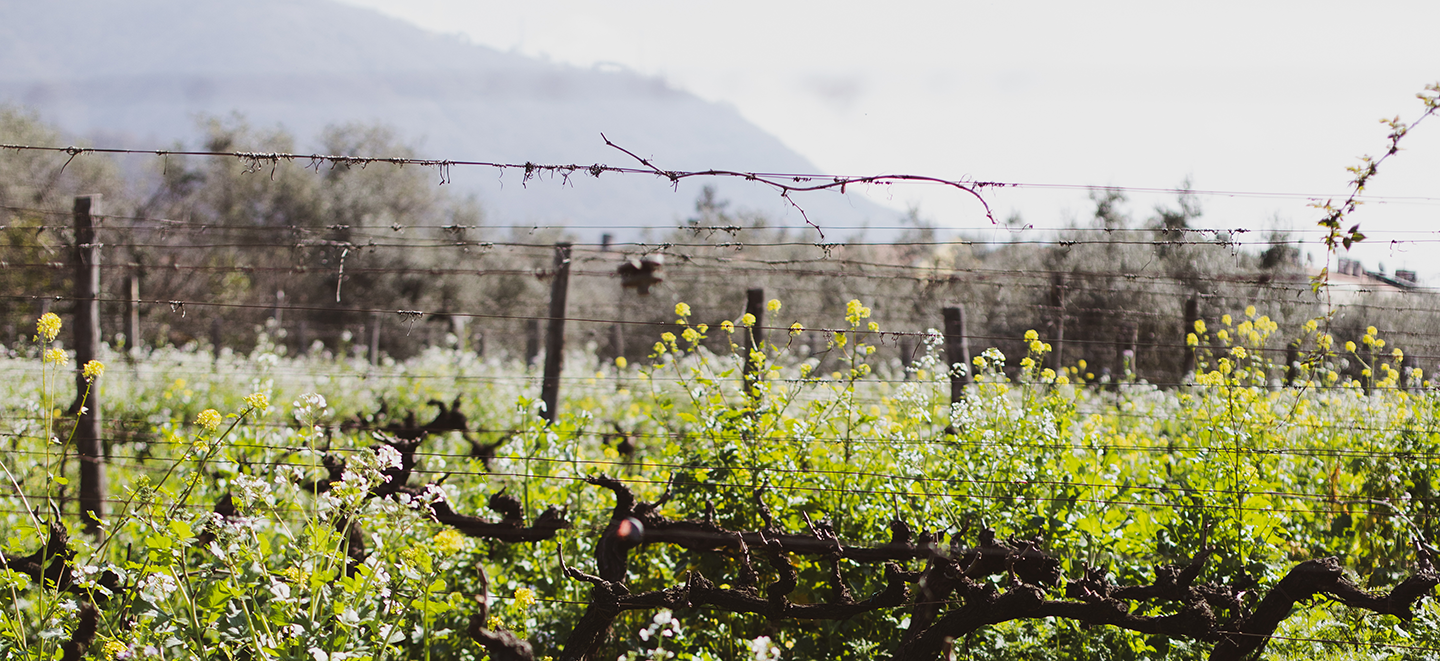 Region:
 -
Description:
Fattoria La Gerla, named for the large, old-fashioned, conical baskets that grape-harvesters used to carry on their backs, was founded in 1976 by the late Sergio Rossi. Originally from Milan, Mr. Rossi purchased the property in 1975 from Tedina Biondi-Santi, the daughter of Tancredi Biondi-Santi, who had inherited the property after her father’s passing. The purchase of what was then called the Podere Colombaio Santi included an ancient farmhouse and 6.5 hectare of vineyards. Mr. Rossi, who by then had been managing the Altesino-Caparzo estate for several years, renamed the property La Gerla and set about restoring the estate and replanting the vines using selection massale. His first vintage was 1976, making La Gerla one of the first 35 bottlers of Brunello di Montalcino; these days, there are 280.
Today, La Gerla consists of 11.5 hectares, divided between the original 6.5 hectare vineyard in Canalicchio (Montalcino) and an additional 5 hectares in Castelnuovo dell’Abate, where Mr. Rossi was presciently the first to plant vines in earnest. The estate, now run by vineyard manager/director Alberto Passeri and winemaker Vittorio Fiore, makes five wines, all made entirely from Sangiovese Grosso, the only grape planted on the property:
- Poggio Gli Angeli— made from young vines in Castelnuovo, in the Brunello zone but not registered as such. This wine spends 4 months in Slavonian botti.
- Rosso di Montalcino— sourced from the same sites as the Brunello, is aged for two years, one of which is in Slavonian oak casks.
- Birba— an IGT Toscana that is made from 100% Sangiovese; it starts as a Brunello di Montalcino and is then declassified. The only difference is that it sees about a year in barrique before moving to large Slavonian botte.
- Brunello— a blend of both the Canalicchio and Castelnuovo vineyards. The grapes are kept cool for 7-8 days before fermentation, which lasts up to 15 days. The wine is then transferred to large 50-100hl casks and is aged for three years, racked twice a year, then bottled. It is then aged for an additional year before release. This is classic Brunello; focused and flavorful, with hints of violets and berries on the nose, a rich, velvety texture and excellent acidity.
- Brunello gli Angeli (Riserva)— made in select years, this comes entirely from a one hectare parcel of old vines from the original Biondi-Santi site, located between 270 and 320 meters above sea level. This hillside vineyard occupies a privileged position at the estate and consistently offers beautiful and healthy fruit. The wine is kept for 4 years in 50 hectoliter Slavonian oak casks and kept for an additional year in bottle before being released.
Image: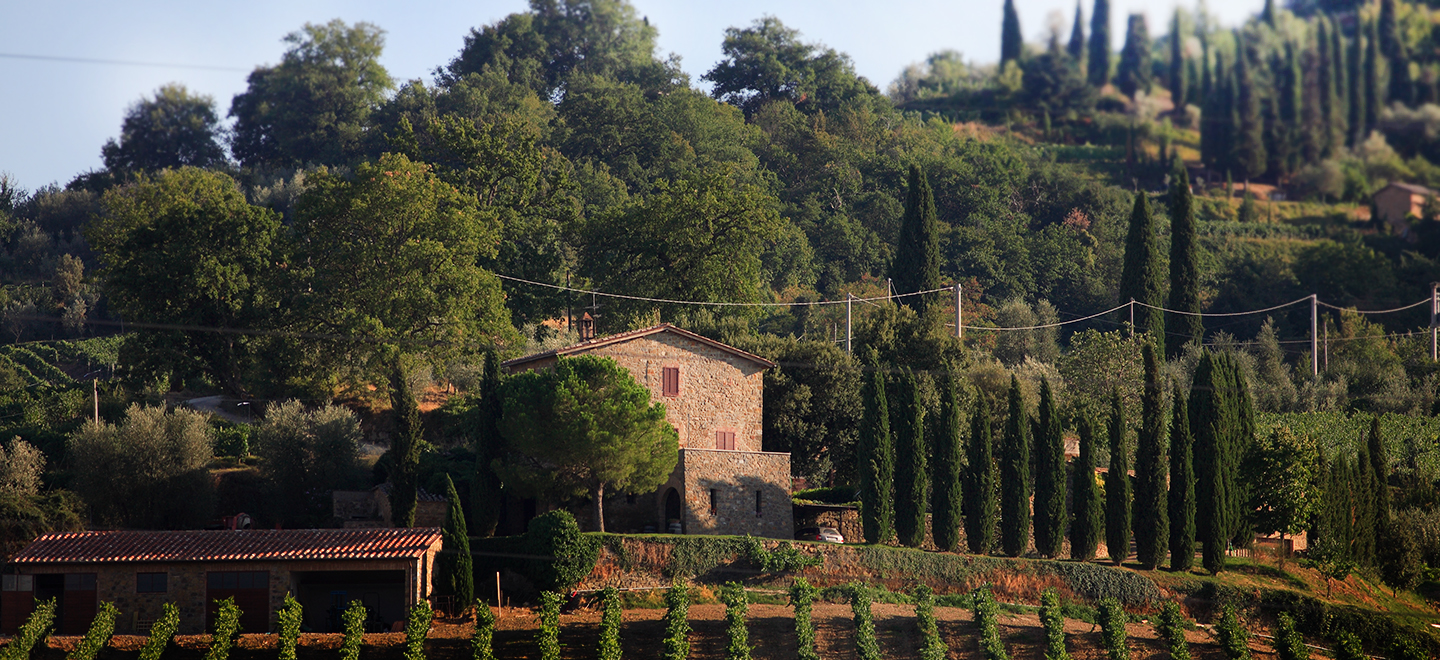 Region:
 -
Description:
La Grange aux Belles is a cadre of friends making wine in Anjou, founded by Marc Houtin in 2004 and later joined by Julien Bresteau in 2008 and Gérald Peau about 10 years later. Marc had worked internships all around France, and most notably at Chateau d'Yquem and was interested in making light wines with short macerations, organically, with minimal intervention... everything we want in natural Loire wine.
Image: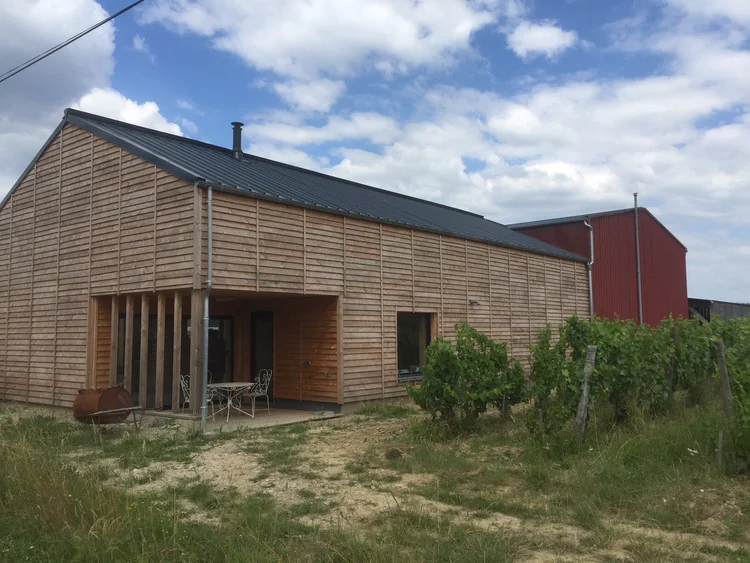 Region:
 -
Description:
Welcome to La Mîche, our newest addition to the Bowler portfolio!!!
Farmed in the hills around the medieval walled city of Carcassonne (a UNESCO world heritage site), this wine is crafted at the Vignobles d'Alaric, a high quality co-op whose members work their vineyards with respect for the environment. The cooperative works with 1,300 hectares of vineyards located across more than 20 communes between Corbières and Minervois, with a mosaic of limestone terraces, clay-limestone slopes, gravelly alluvial plains, and pockets of sandstone.The wine is vinified in a mix of concrete and steel tanks, finished at 14% alcohol. La Miche carries its HVE3 certificiation for sustainability on its label; it is also certified by Terra Vitis. Medium-bodied, low in tannins, and fabulously ripe, like a bowlful of ripe cherries with a kick of kirsch and warm spices, it's smooth on the palate and true to its deep French roots. There are fewer and fewer values like this in the wine world. Grab this one while you can!
Image: Region:
 -
Description:
Thank you to importer Louis/Dressner for this profile of La Petite Empreinte:
La Petite Empreinte, or “the little footprint” is an estate that truly lives up to its name. Founded by Mélissa Bazin with the help of her husband Romain De Moor in 2020, together the couple work a whopping two hectares of vines from A to Z, producing very limited quantities of Pinot Noir, Gamay and Sauvignon Blanc.
After meeting and falling in love during respective apprenticeships in the Jura (Julien Labet for Mélissa and Jean-François Ganevat for Romain), the couple agreed to move back to Burgundy so Romain could join his parents Alice and Olivier at their eponymous estate in Chablis. Always set on doing her own thing, Mélissa set forth to find some parcels to work on her own. Through a program designed to help young producers find land to start their own estates, she was able start renting plots in 2020, eventually purchasing the vines in 2022.
The first and largest sector consists of two plots totaling one hectare, all planted in 1990. Located in Saint-Bris on an idyllic coteau of Kimmeridgian limestone overlooking the Yonne river, Pinot Noir is the main variety planted here, along with 10 ares of Gamay. Two wines are produced from this land: a Pinot called “Mas a Tierra” and a magnum only cuvée of Gamay. For the latter, a single barrel is produced each vintage.
The second parcel consists of 40 ares of Pinot Noir, from which they produce the cuvée “Tapis Rouge”. The vines here are exposed full South and were planted in 1978 on a steep coteau of Portlandian limestone. In addition, a yet-to-be released Saint-Bris is produced from two small plots, the first 30 years old and exposed West, the other planted in 1959 on white clay, exposed North and very low producing due to court noué.
Bazin and De Moor, in addition to raising two young daughters and Romain working full time with his parents, do 100% of the work and currently have no employees. Mélissa is responsable for the manual work in the vines (pruning, green harvest…) with Romain doing the tractor work. The vines are certified organic or in conversion towards certification. Cover crops have been incorporated since 2021 and, like Alice and Olivier in Chablis, they have been planting fruit trees in the vines to encourage biodiversity and break up the monoculture of viticulture/create stronger rhizome networks in the soil.
In the cellar, the couple work off instinct and communally make all vinification decisions together. Maceration lengths, pigeages/remontages (or lack thereof) have varied each vintage, but the wines all ferment and age in old barrels with no S02 is added at any point. Everything is currently vinified in the De Moor cellar, but Mélissa and Romain are in the process constructing their own, in all likelihood for the 2025 vintage.
Image:Region: